Are Animals Safe in Wildlife Sanctuaries? Real Risks vs. Protection
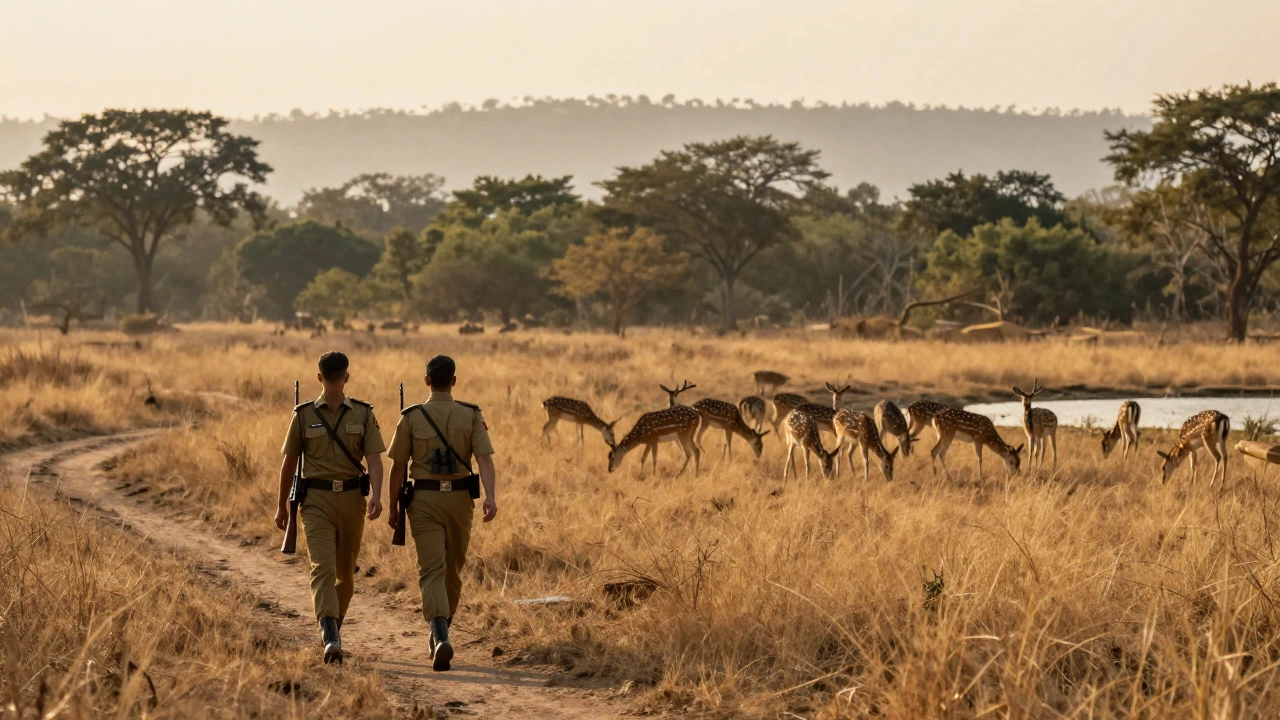
- Jul, 21 2026
- 0 Comments
- Aaron Blackwood
Wildlife Sanctuary Safety Estimator
Select Threat Factors
Check the conditions present in this hypothetical sanctuary to calculate its overall safety score.
Safety Assessment
This sanctuary represents a model of conservation success. With strong enforcement and community buy-in, animals are safe from both external threats and internal ecological pressures.
You picture a wildlife sanctuary as a fortress of nature. Inside the fences, animals roam free, safe from hunters and developers. It sounds like a utopia for biodiversity. But if you’ve ever read news reports about rhino horns or tiger skins, that picture gets complicated fast. The truth is messier than a postcard. Are animals actually safe in these protected zones? The short answer is: safer than outside, but far from invincible.
Wildlife sanctuaries are designed to be refuges. They offer legal protection against hunting and restrict land use. Yet, they exist within a world where poverty, corruption, and high demand for animal parts drive crime. Understanding whether an animal is 'safe' requires looking past the boundary signs and into the reality of enforcement, ecology, and economics. Let’s break down what really happens inside those lines.
The Legal Shield: What Protection Actually Looks Like
When we talk about safety in a wildlife sanctuary is a designated area of land or water set aside by government authorities to protect specific species and their habitats, we first have to define the rules. Unlike national parks, which often ban all human activity, sanctuaries usually allow some traditional rights. Locals might still collect firewood, graze cattle, or gather medicinal plants. This flexibility is intentional-it keeps communities on board with conservation rather than turning them into enemies.
This legal status provides the first layer of safety. Poaching becomes a criminal offense, not just a taboo. In countries with strong environmental laws, like India or Kenya, penalties for killing protected species can mean decades in prison. This deterrence works. Crime rates drop when the risk outweighs the reward. However, law on paper doesn’t stop bullets. The effectiveness of this shield depends entirely on the boots on the ground. If the rangers are underpaid, outnumbered, or bribable, the legal shield is just glass.
- Legal Status: Hunting is banned; habitat destruction is restricted.
- Enforcement Gap: Laws are only as good as the resources funding them.
- Community Role: Local cooperation is often more effective than strict policing.
The Shadow Threat: Poaching and Illegal Trade
If you think poaching is a thing of the past, think again. It’s a multi-billion dollar global industry. According to estimates from CITES (the Convention on International Trade in Endangered Species), illegal wildlife trade ranks alongside drugs, arms, and human trafficking. For animals like elephants, rhinos, pangolins, and tigers, being in a sanctuary isn’t enough. These animals carry currency on their bodies.
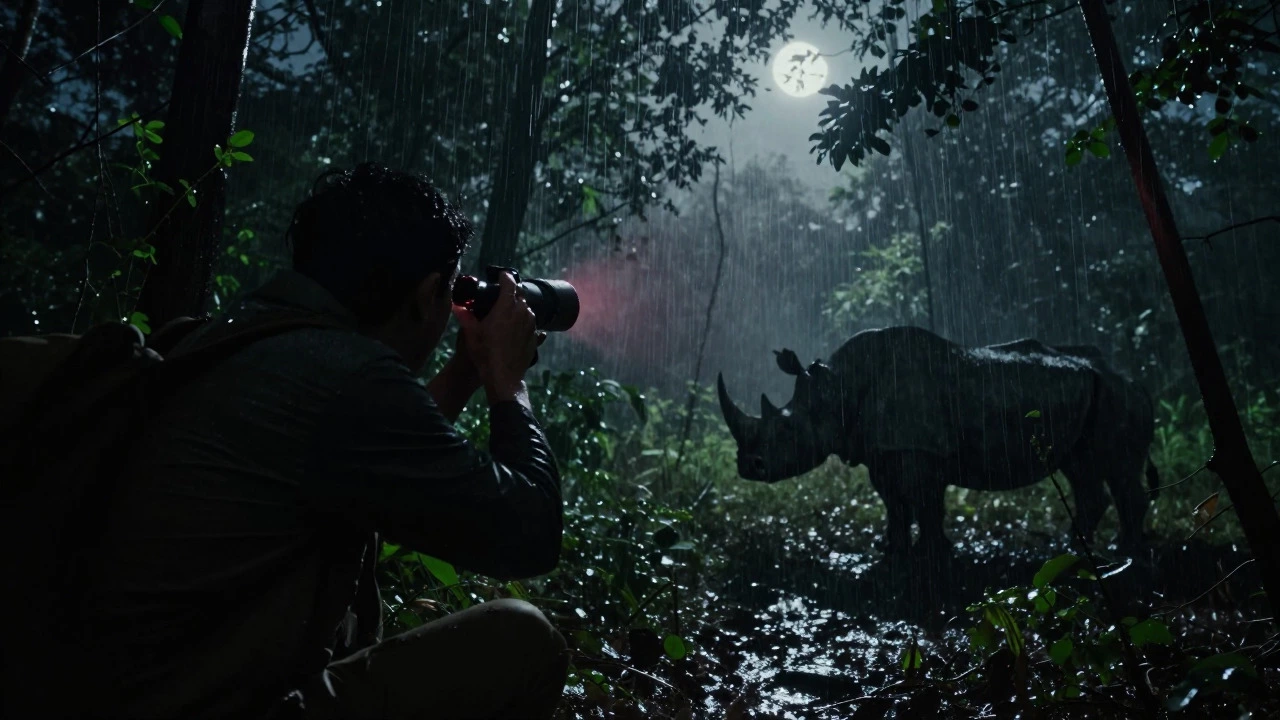
Poachers don’t care about boundaries. They use military-grade weapons, drones, and insider information to bypass patrols. A sanctuary might have a fence, but if the gatekeeper takes a bribe, the fence is irrelevant. We’ve seen this play out in places like South Africa, where rhino poaching surged despite heavy security. The threat here isn’t accidental; it’s targeted. Safety for these species requires intelligence-led operations, not just walking patrols. Without tech support-like thermal cameras or AI-driven acoustic sensors-rangers are playing whack-a-mole against organized syndicates.
| Species Category | Primary Threat | Sanctuary Effectiveness |
|---|---|---|
| High-Value Targets (Rhino, Tiger) | Organized Poaching Syndicates | Moderate (Requires High-Tech Security) |
| Medium-Value Targets (Pangolin, Deer) | Local Hunters & Bushmeat Markets | Low-Moderate (Depends on Community Engagement) |
| Non-Target Species (Birds, Reptiles) | Habitat Loss & Collateral Damage | High (Benefit from General Protection) |
The Silent Killer: Habitat Fragmentation
Even if no one shoots at them, animals in sanctuaries face a different kind of danger: running out of room. Many sanctuaries were established decades ago when populations were smaller. Now, those same areas are surrounded by expanding cities, farms, and roads. This creates "habitat fragmentation." Imagine your living room shrinking every year while your family grows. Eventually, everyone is fighting for space.
Fragmentation leads to inbreeding. When a group of wolves or leopards is cut off from other groups, their gene pool shrinks. Weak genes lead to disease susceptibility and lower birth rates. This is a slow death sentence. Furthermore, fragmented habitats force animals to cross dangerous roads to find mates or food. Vehicle collisions are a leading cause of mortality for medium-sized mammals in many sanctuaries worldwide. So, while the sanctuary protects them from guns, it doesn’t always protect them from concrete.
Human-Wildlife Conflict: The Neighbor Problem
Safety isn’t just about predators; it’s about neighbors. As human populations grow, the buffer zone between villages and sanctuaries disappears. Elephants raid crops. Leopards take livestock. Bears break into homes. When this happens, local farmers don’t see majestic creatures; they see economic ruin. Retaliation killings are common. A farmer whose livelihood is destroyed by an elephant might hire a hunter to kill it, regardless of sanctuary laws.
This dynamic turns conservation into a social issue. If the community feels threatened or impoverished, they become part of the problem. Successful sanctuaries address this by creating compensation schemes or insurance for crop loss. They also promote eco-tourism so locals benefit financially from keeping animals alive. When a tiger brings in tourists who pay for hotels and guides, that tiger becomes worth more alive than dead. This shifts the narrative from threat to asset.
Disease and Climate Change: Invisible Enemies
We often forget that nature itself can be hostile. Dense populations in small sanctuaries create perfect breeding grounds for disease. Foot-and-mouth disease in cattle can jump to wild buffalo. Avian flu spreads rapidly among concentrated bird populations. In a wild, open ecosystem, animals can disperse to escape outbreaks. In a confined sanctuary, they are trapped with the virus.
Then there’s climate change. Rainfall patterns are shifting. Droughts last longer. Waterholes dry up. In 2023 and 2024, severe droughts in parts of Africa and Asia led to mass die-offs of herbivores, which in turn caused starvation for predators. Sanctuaries cannot easily move. You can’t relocate a mountain range or a river system. Animals are stuck adapting to changing conditions within fixed borders, which increases stress and vulnerability.

Success Stories: Where Safety Works
It’s not all doom and gloom. There are powerful examples where sanctuaries have worked miracles. Consider the recovery of the Bengal tiger in India. Decades ago, tigers were nearly extinct in many regions. Through strict protection, anti-poaching units, and community involvement, numbers have rebounded significantly. Or look at the African elephant in certain reserves where tourism revenue funds robust security. These successes prove that when political will, funding, and community buy-in align, sanctuaries do save species.
The key difference in these success stories is holistic management. It’s not just fencing; it’s education, economic incentives, and scientific monitoring. Rangers use GPS collars to track movement. Veterinarians monitor health. Scientists study population dynamics. This data-driven approach allows managers to react before a crisis hits. Safety is proactive, not reactive.
How You Can Help Ensure Their Safety
As travelers or supporters, your choices matter. Avoid buying any wildlife products-ivory, horn, scales, or even exotic pets. Demand transparency from tour operators. Do they employ local guides? Do they contribute to conservation funds? Your tourism dollars can either fuel corruption or fund ranger salaries. Choose ethical eco-tourism that prioritizes animal welfare over selfie opportunities.
Support organizations that focus on community-based conservation. Projects that build schools or provide clean water near sanctuaries reduce pressure on wildlife. When people thrive, nature thrives. Remember, a sanctuary is only as safe as the society surrounding it. By engaging responsibly, you help strengthen that outer ring of protection.
Are wildlife sanctuaries completely safe from poaching?
No, they are not completely safe. While legal protections exist, poaching remains a significant threat due to organized crime syndicates, bribery, and inadequate funding for enforcement. High-value species like rhinos and tigers remain particularly vulnerable despite being in protected areas.
Why do animals still die in protected areas?
Animals die in sanctuaries due to various factors including habitat fragmentation, human-wildlife conflict, disease outbreaks, climate change impacts like drought, and insufficient enforcement resources. Protection from hunting does not eliminate all natural or anthropogenic threats.
What is the difference between a national park and a wildlife sanctuary?
National parks typically have stricter regulations, banning most human activities to preserve pristine ecosystems. Wildlife sanctuaries often allow limited traditional human activities like grazing or firewood collection, aiming for a balance between conservation and local community needs.
How does habitat fragmentation affect sanctuary safety?
Habitat fragmentation isolates animal populations, leading to inbreeding, reduced genetic diversity, and increased vulnerability to disease. It also forces animals to cross dangerous human-dominated landscapes, increasing risks from vehicle collisions and retaliatory killings.
Can tourists help improve safety for animals in sanctuaries?
Yes, by choosing ethical eco-tourism operators that employ locals and contribute to conservation funds. Tourists should avoid buying wildlife products and respect guidelines to minimize disturbance. Responsible tourism generates revenue that supports anti-poaching efforts and community development.