Cultural Tourism India: Explore Heritage, Festivals, and Living Traditions
When you think of cultural tourism India, travel focused on experiencing the living traditions, art, religion, and history of a place. Also known as heritage tourism, it’s not just about seeing old buildings—it’s about walking where centuries of rituals still happen every day. India doesn’t just preserve its past; it breathes it. You’ll find it in the chants at Varanasi’s ghats, the colors of Holi exploding in the streets, and the silent grandeur of the Taj Mahal—built not as a monument to power, but to love.
What makes cultural tourism in India different? It’s the mix of the sacred and the everyday. You can sip chai beside a 2,000-year-old temple, then watch a Bollywood dance routine in a Mumbai slum. Indian heritage, the living legacy of civilizations that shaped art, philosophy, and daily life for over 5,000 years isn’t locked in museums. It’s in the hands of weavers in Banaras, the drummers in Kerala’s temple festivals, and the street vendors selling spicy chaat in Jaipur’s bazaars. And then there’s dark tourism India, travel to places tied to tragedy, mystery, or historical trauma. Sites like the Jallianwala Bagh massacre memorial or the haunted forts of Rajasthan pull in curious travelers—not out of morbid fascination alone, but because these places force us to confront the weight of history. Even food becomes part of this journey. Chicken curry in Punjab tastes nothing like chicken curry in Tamil Nadu, and that’s not just spice—it’s identity.
From the royal palaces of Rajasthan to the spiritual heart of Varanasi, every region tells a different story. North India gives you grand forts and Mughal architecture. South India offers ancient Dravidian temples and classical dance. The Himalayas hold quiet monasteries, while coastal towns like Goa blend Portuguese history with Indian rhythm. You don’t need to be a scholar to get it. You just need to show up—with an open mind and a willingness to listen.
What you’ll find below isn’t a list of must-see spots. It’s a collection of real stories: why the Taj Mahal still moves people, how festivals turn cities into stages, why foreigners keep coming back to Rajasthan, and what makes dark tourism in India more than just a trend. These aren’t guidebook facts. They’re the kind of insights you only get when you stop taking photos and start paying attention.
- Oct, 13 2026
- 0 Comments
- Aaron Blackwood
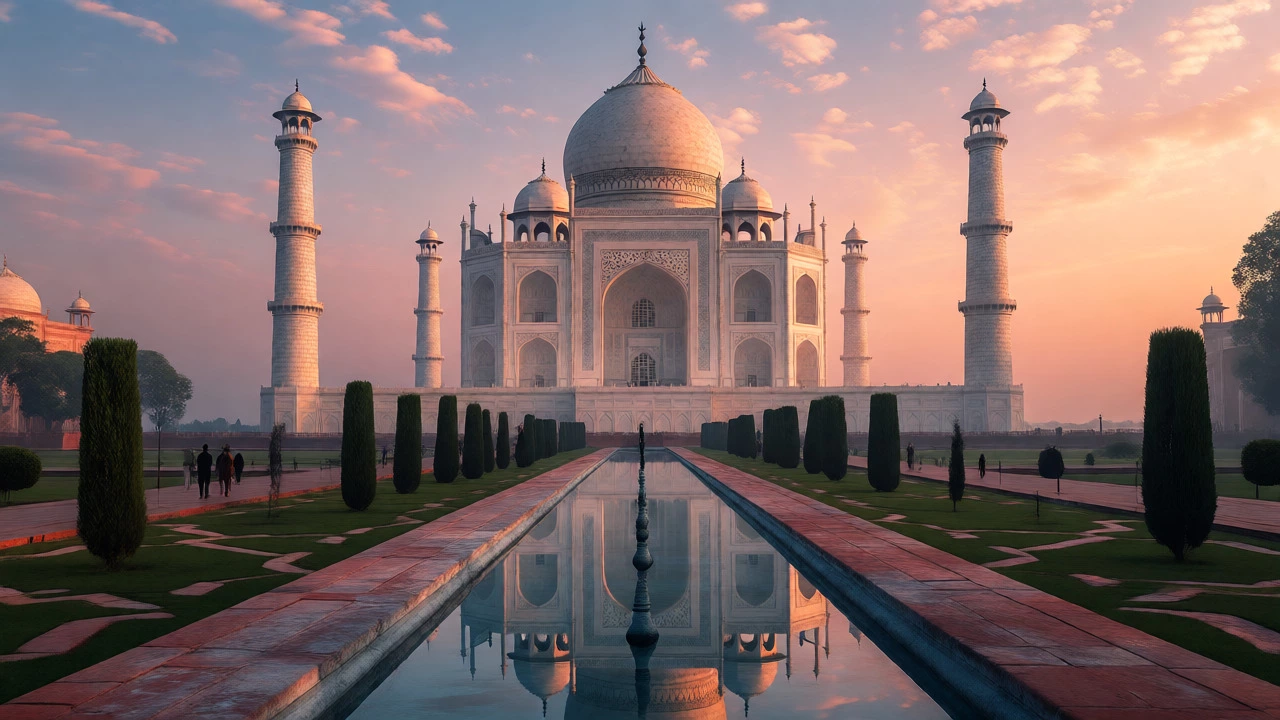
What is the Most Famous Cultural Site in India? A Guide to Taj Mahal and Beyond
Discover why the Taj Mahal is India's most famous cultural site. Learn about its history, best visiting times, and how it compares to other heritage spots like Hampi and Khajuraho.
Read More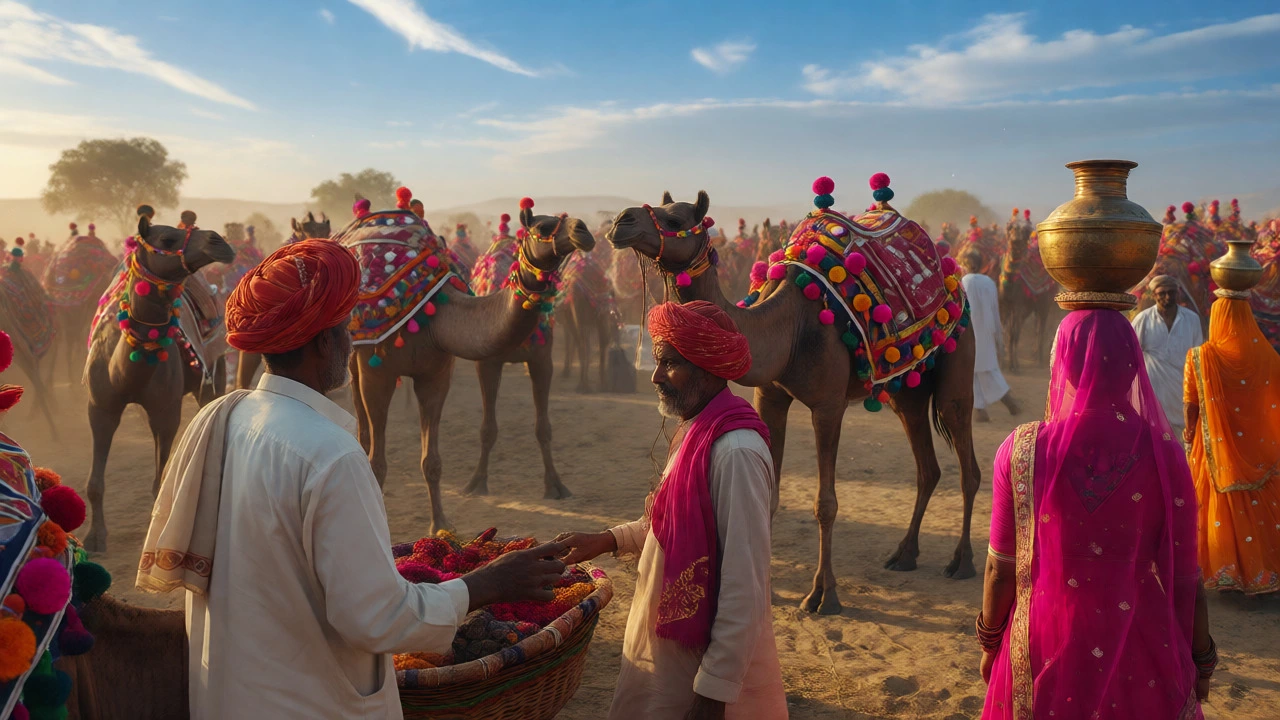
- Oct, 9 2026
- 0 Comments
- Aaron Blackwood
Which State Is Famous for Cultural Tourism in India? Top Destinations & Experiences
Discover which Indian state suits your cultural interests. From Rajasthan's palaces to Kerala's backwaters, find the perfect destination.
Read More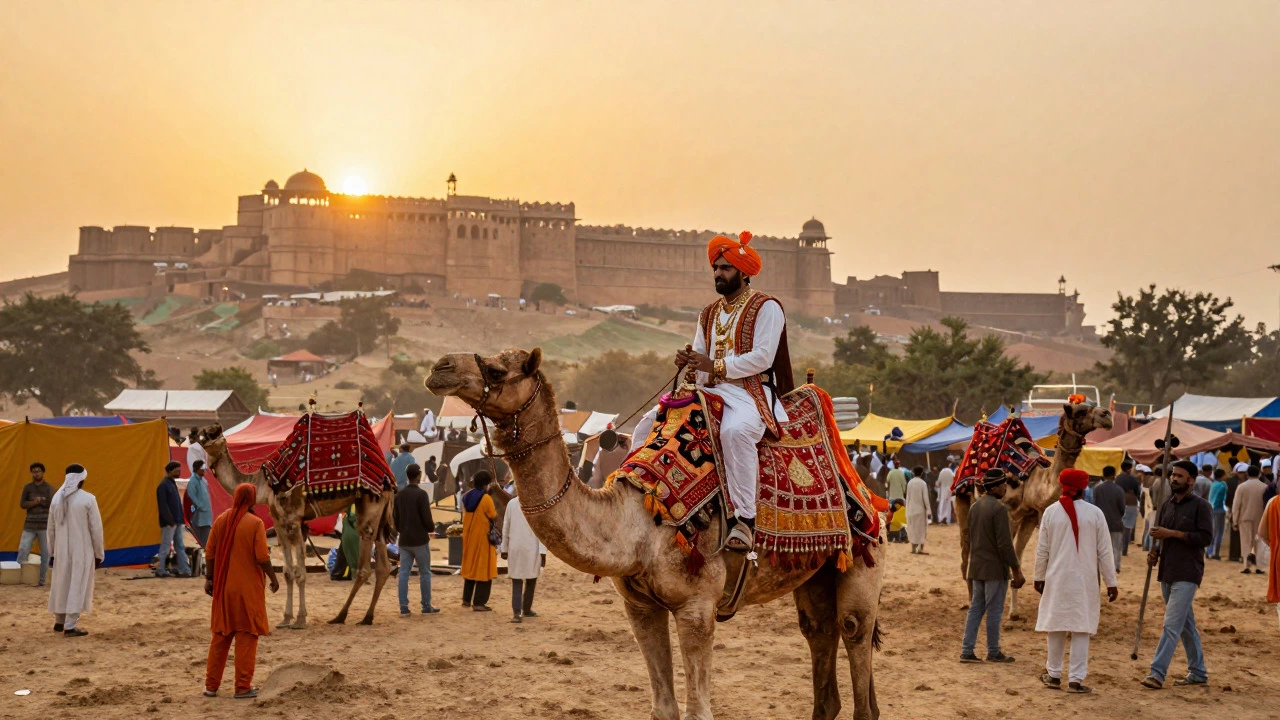
- Aug, 28 2026
- 0 Comments
- Aaron Blackwood
Which Culture Is Rich in India? A Guide to Heritage & Traditions
Discover which Indian culture is richest by exploring regional heritage, from Rajasthan's forts to Tamil Nadu's temples. Learn how to choose your cultural journey.
Read More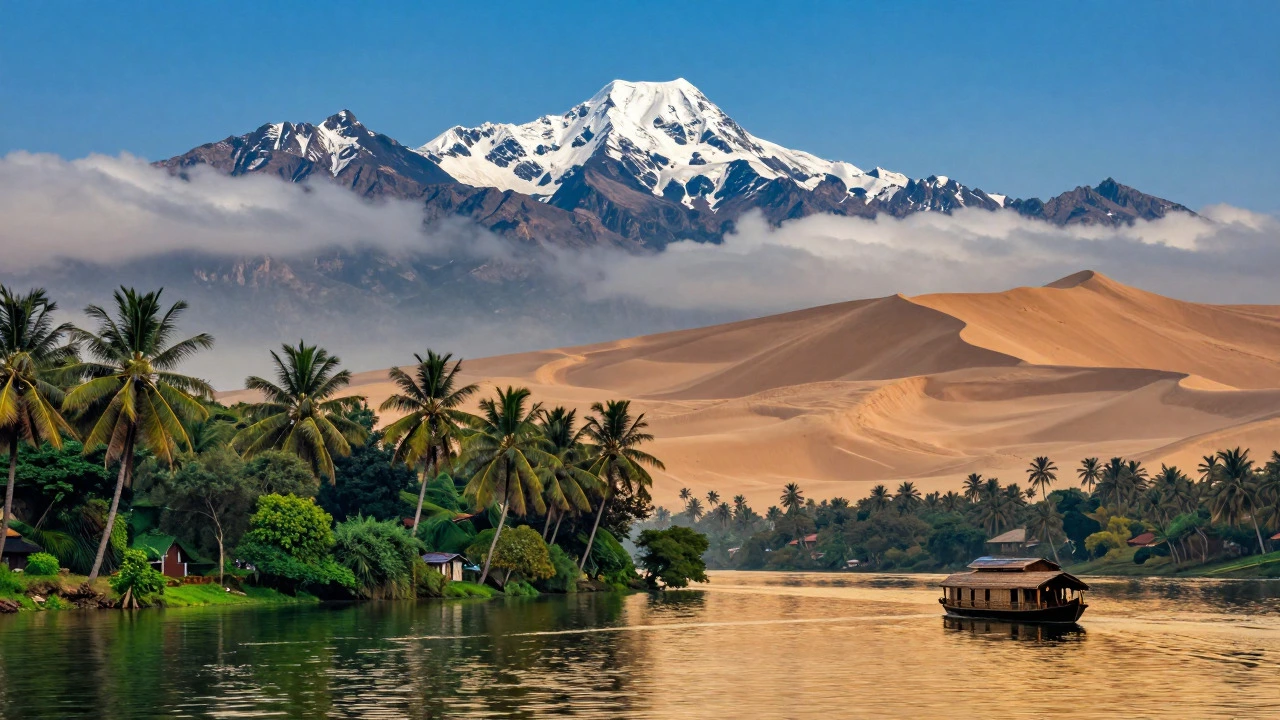
- Aug, 14 2026
- 0 Comments
- Aaron Blackwood
Beyond Beauty: Exploring India's Cultural Heritage and Diverse Landscapes
Explore why India's beauty lies in its diversity, not a single state. Discover heritage sites, cultural festivals, and the true meaning of Indian hospitality.
Read More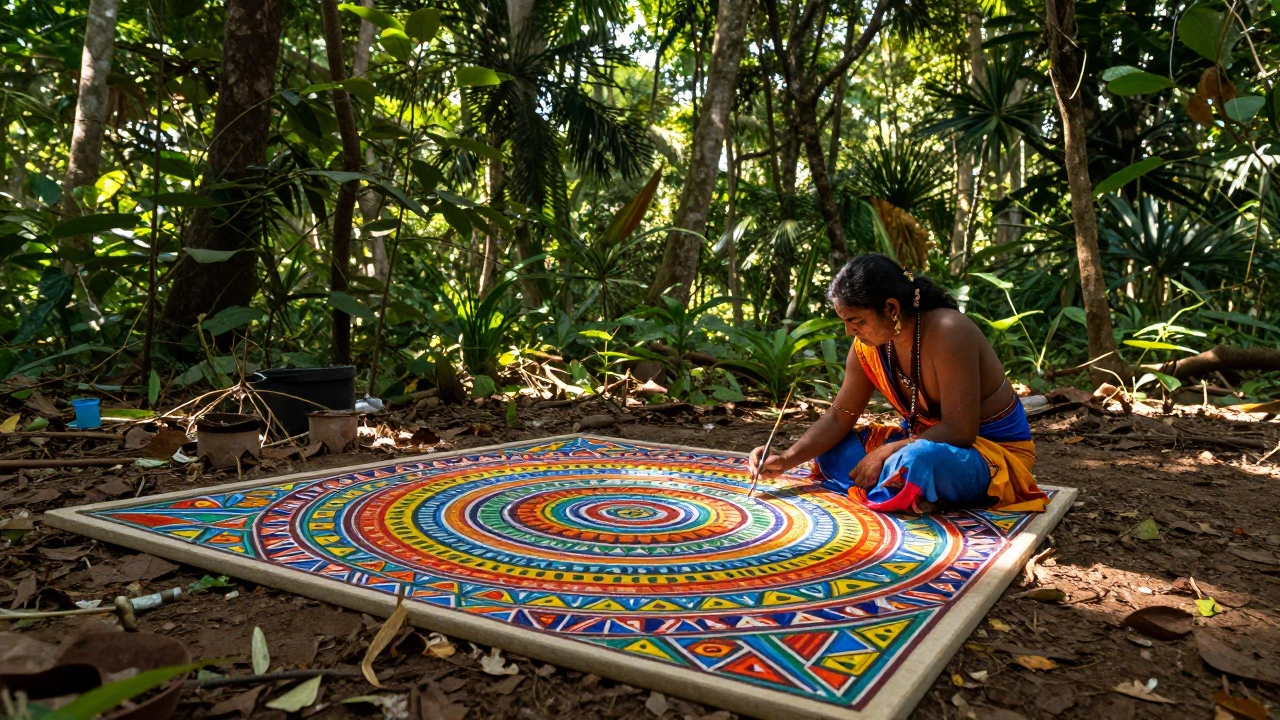
- Jun, 16 2026
- 0 Comments
- Aaron Blackwood
Tribes of India: Famous Communities for Adventure & Cultural Travel
Discover India's famous tribes like the Gond and Bakarwal. Learn how to combine cultural tourism with adventure sports like trekking and safaris in a responsible way.
Read More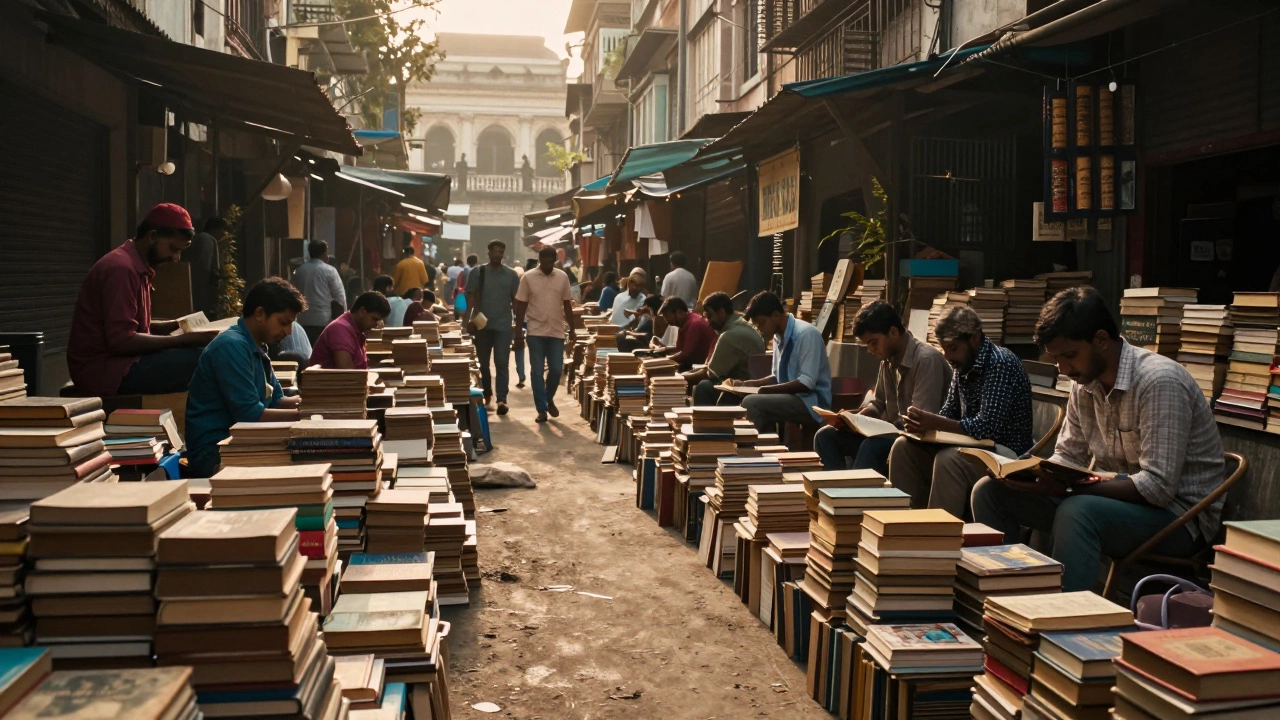
- Jun, 12 2026
- 0 Comments
- Aaron Blackwood
Which City Is Known as the Cultural Capital of India? The Definitive Answer
Discover which city is truly the cultural capital of India. We compare Kolkata's literary legacy, Varanasi's spiritual depth, and Delhi's historical richness to help you choose the perfect destination.
Read More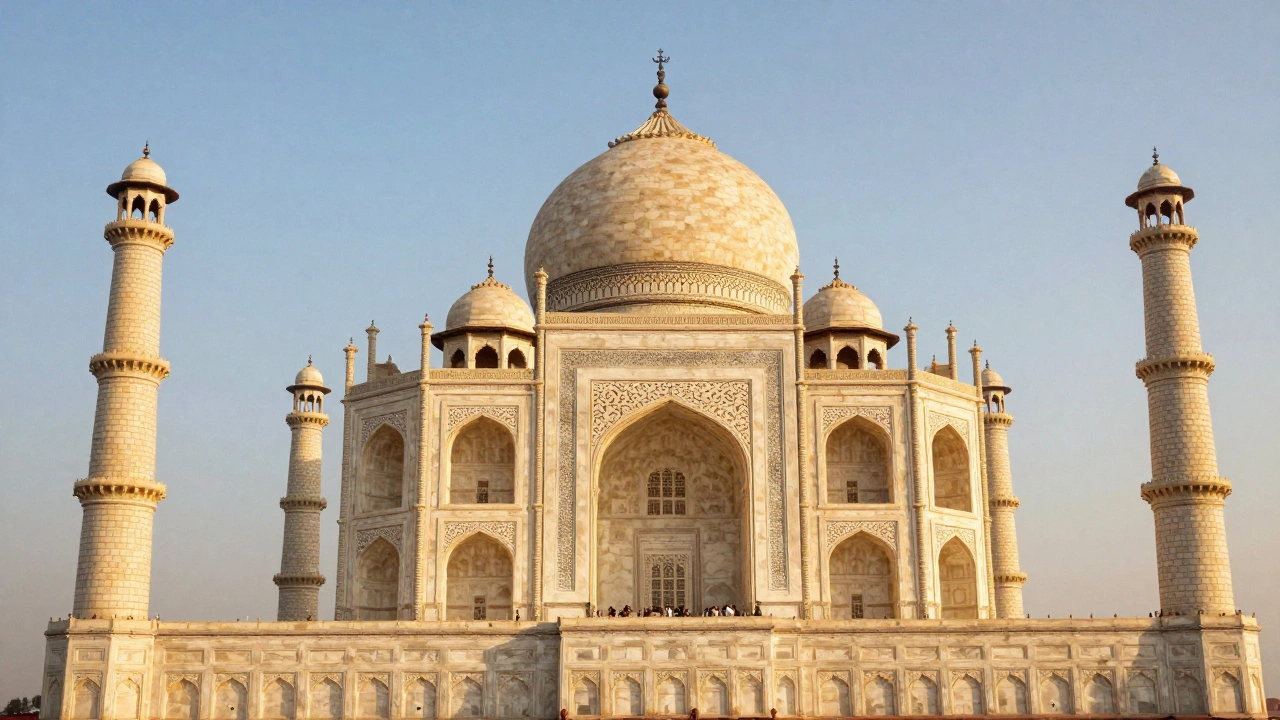
- Jun, 9 2026
- 0 Comments
- Aaron Blackwood
The Four Elements of Cultural Tourism: A Deep Dive into India's Heritage
Explore the four key elements of cultural tourism: heritage, arts, daily life, and ethics. Discover how these pillars shape authentic travel experiences in India.
Read More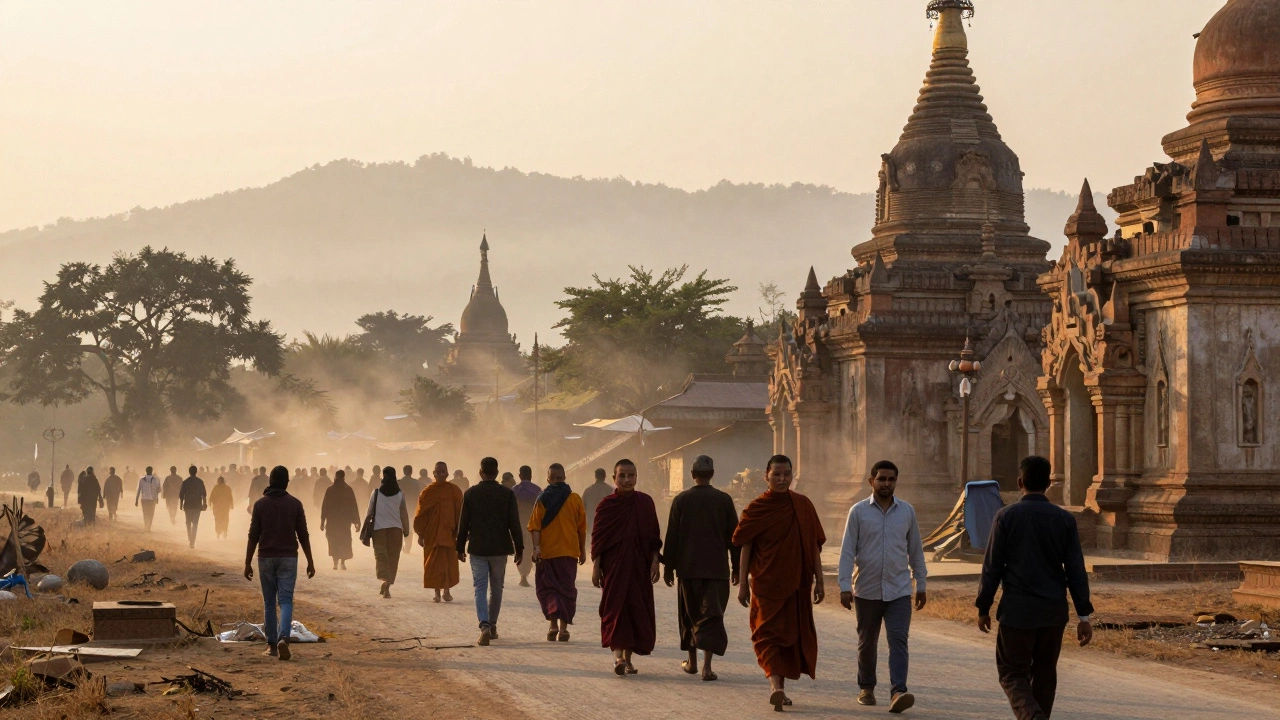
- May, 22 2026
- 0 Comments
- Aaron Blackwood
Which Nationality Visits India the Most? Top Tourist Statistics for 2026
Discover which nationalities visit India the most in 2026. From Myanmar's high volume to the USA's top spending, explore the data behind global tourism trends in India.
Read More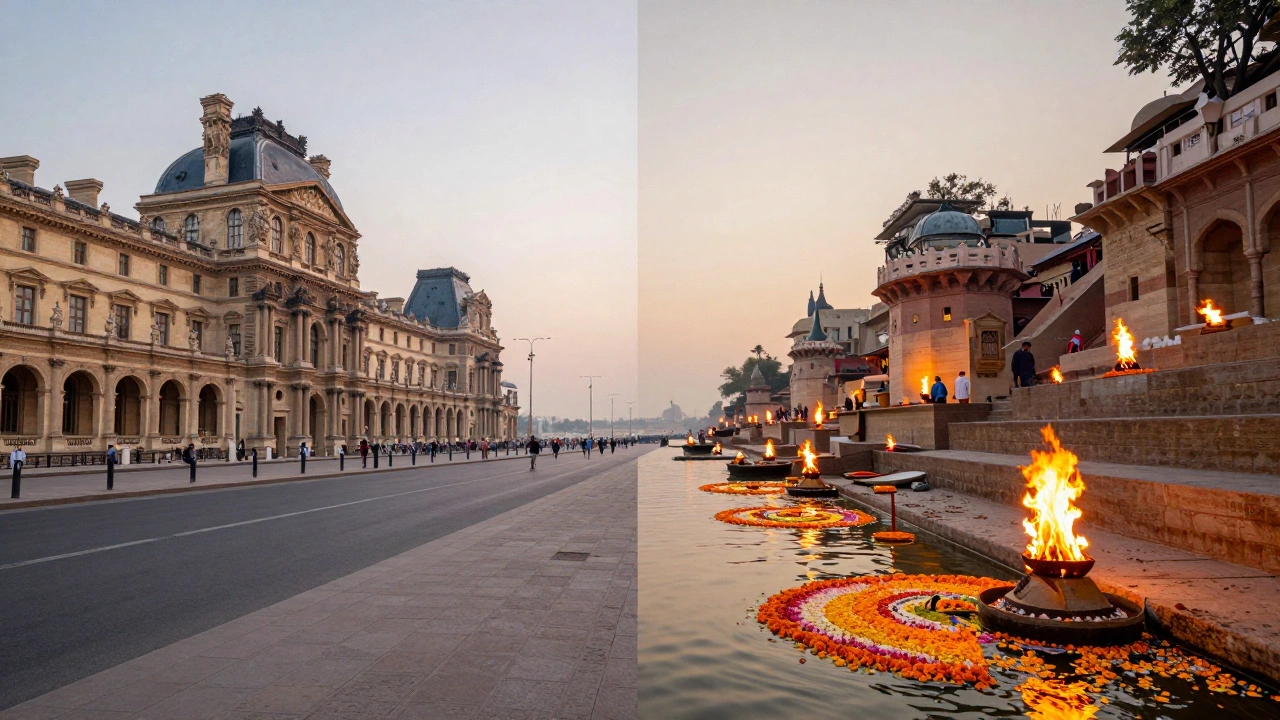
- Apr, 10 2026
- 0 Comments
- Aaron Blackwood
Which City Has the Most Culture? A Global Perspective with a Deep Dive into India
Discover which city truly holds the world's most culture. We compare curated European heritage with the living, breathing traditions of Indian cities like Varanasi and Delhi.
Read More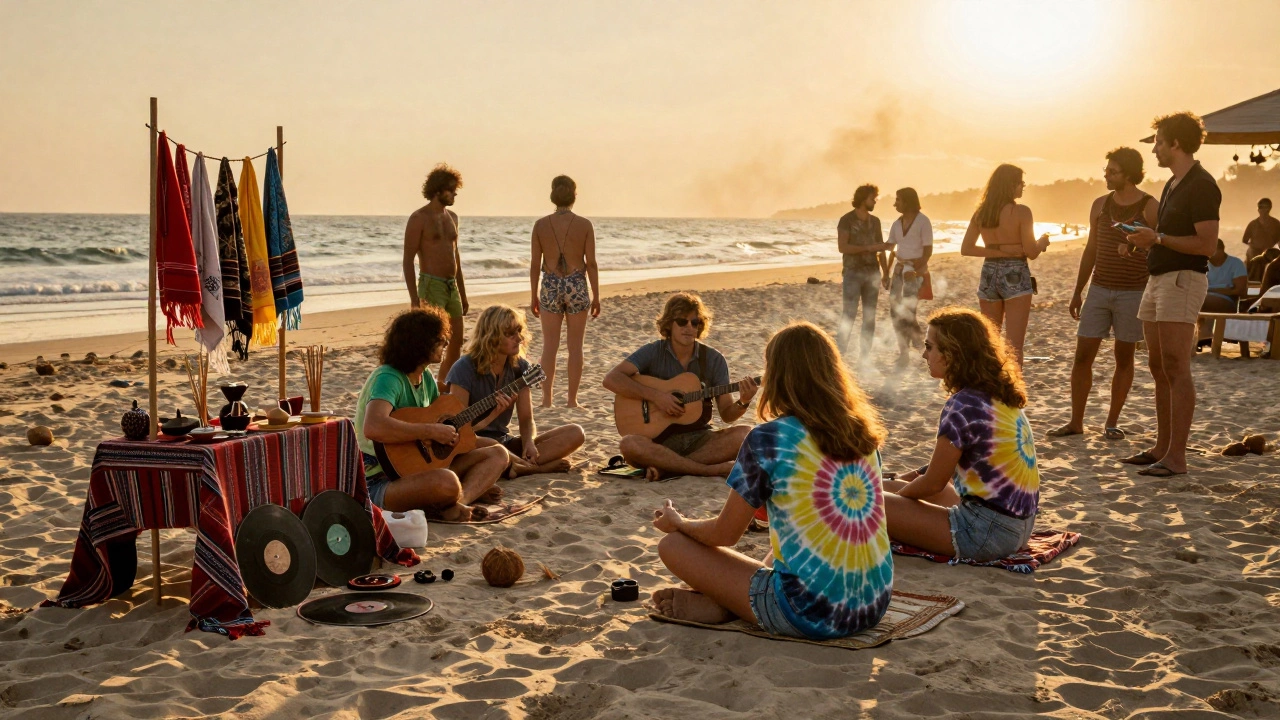
- Jan, 9 2026
- 0 Comments
- Aaron Blackwood
Which Is the Hippy Capital of India? The Real Story Behind Goa’s Counterculture Legacy
Goa is the true hippy capital of India, where 1970s travelers found freedom on its beaches. Today, the spirit lives on in music, markets, and slow living-not in drugs or clichés, but in real community.
Read More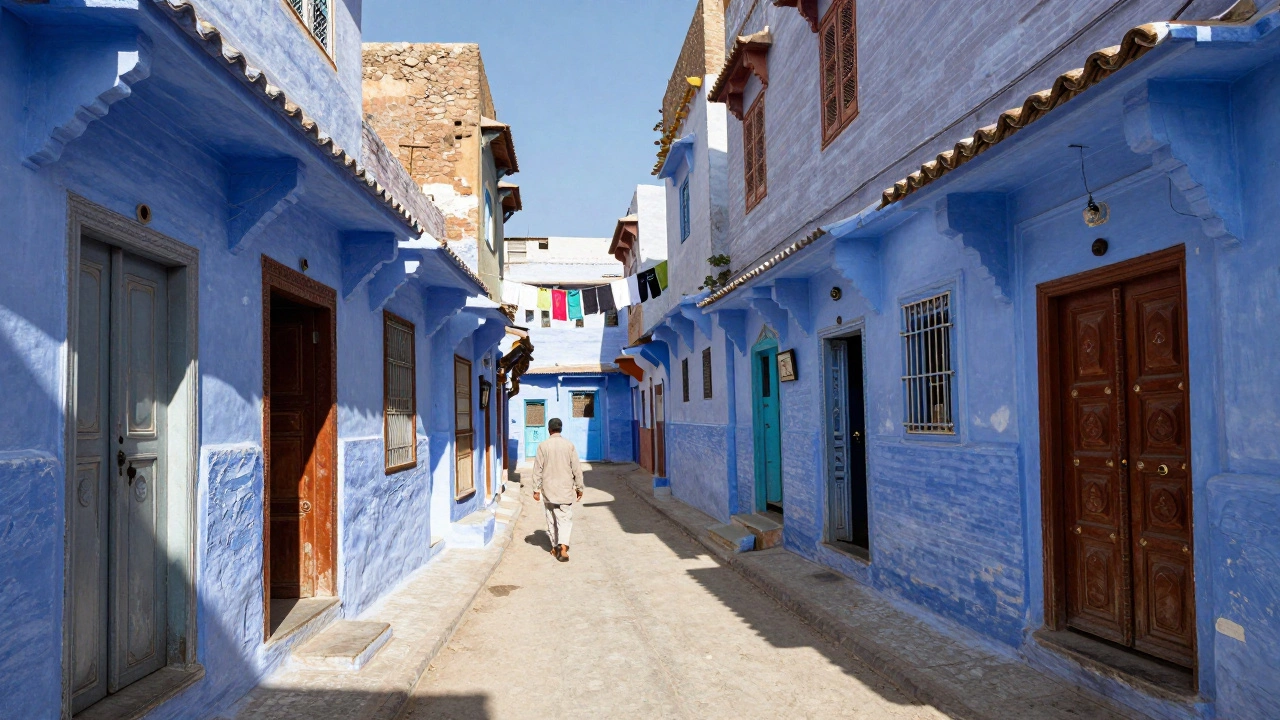
- Dec, 9 2025
- 0 Comments
- Aaron Blackwood
Which City Is Called the Blue City of India? Jodhpur’s Iconic Blue Homes Explained
Jodhpur, known as the Blue City of India, features thousands of homes painted in vibrant blue tones. This tradition began for cultural and practical reasons, keeping homes cool in the desert heat. Explore its forts, markets, and heritage alleys.
Read More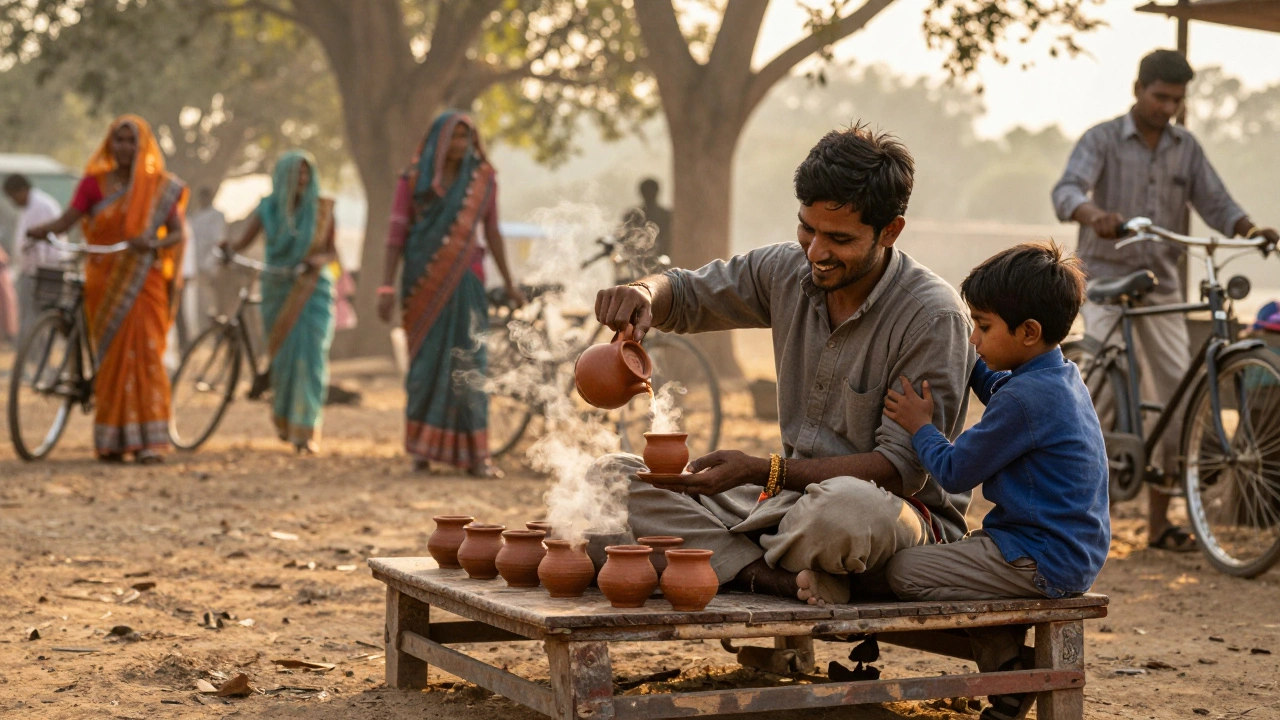
- Dec, 5 2025
- 0 Comments
- Aaron Blackwood
What Is a Serendipitous Cultural Tourist? Discovering India Beyond the Guidebooks
A serendipitous cultural tourist discovers India not through itineraries, but through unplanned moments-chance encounters, quiet rituals, and genuine connections that guidebooks can’t capture.
Read More