The Four Elements of Cultural Tourism: A Deep Dive into India's Heritage
- Jun, 9 2026
- 0 Comments
- Aaron Blackwood
Cultural Traveler Profile Assessment
Select the activities that appeal most to you on an ideal trip.
Heritage Explorer
I want to visit ancient monuments, read history guides, and understand architectural marvels like the Taj Mahal.
Arts Enthusiast
I seek authentic performances, rituals, music, and dance forms like Kathakali or Bhangra.
Immersive Local
I love street food, artisan workshops, weaving, cooking classes, and daily life routines.
Ethical Traveler
I prioritize community homestays, fair trade, respectful behavior, and supporting local economies.
Recommended for you:
You’ve seen the photos. You’ve read the brochures. But when you actually step onto the dusty streets of Varanasi or wander through the intricate corridors of a Rajasthan palace, something clicks. It’s not just sightseeing; it’s immersion. This is cultural tourism at its core. But what exactly makes a trip "cultural" rather than just a standard vacation? Experts in the field generally agree on four distinct pillars that define this niche. Understanding these four elements transforms how you plan your next journey, shifting your focus from checking boxes to connecting deeply with a place.
In the context of India, a country with over 5,000 years of recorded history and hundreds of living languages, these elements are not abstract concepts-they are tangible realities you can touch, taste, and hear. Let’s break down the four essential components of cultural tourism and see how they play out on the ground.
1. Historical and Architectural Heritage
The first and most visible element is the physical manifestation of history. This isn’t just about old buildings; it’s about structures that tell the story of who people were, how they lived, and what they valued. In cultural tourism, architecture serves as a primary text that travelers read to understand a civilization.
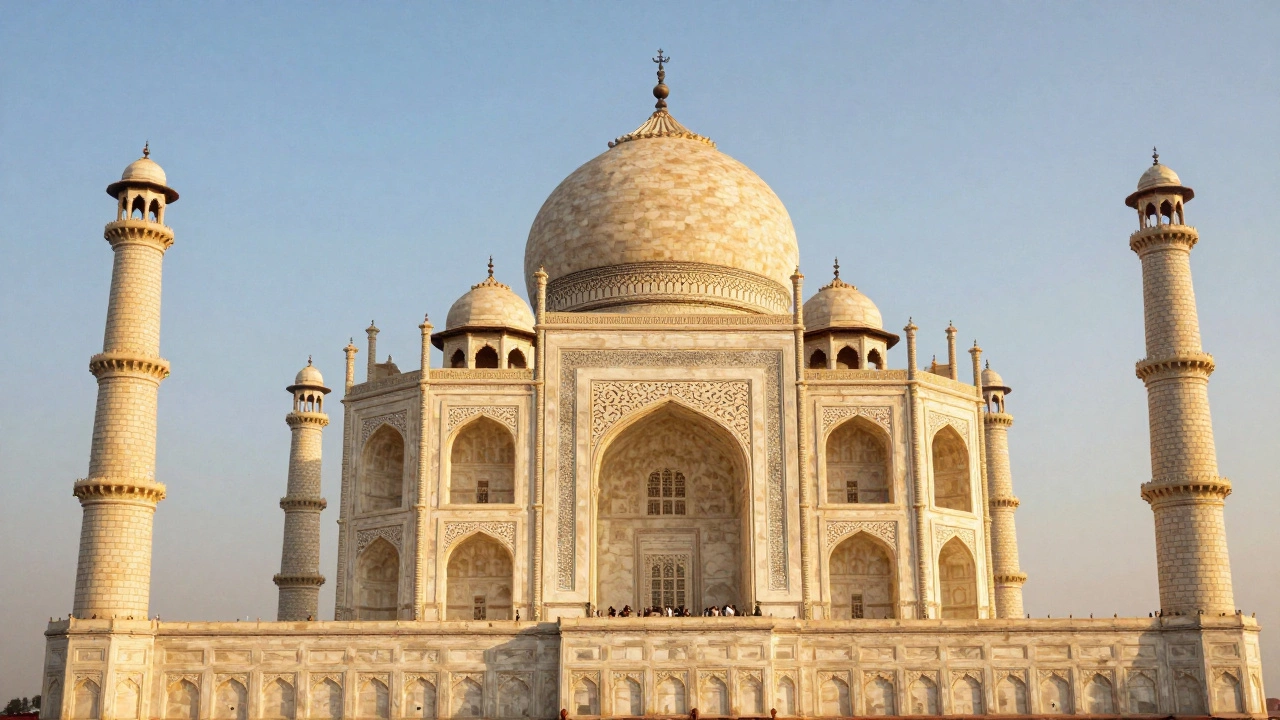
Think about the Taj Mahal in Agra. Most tourists know it as a symbol of love, but from a cultural tourism perspective, it represents the zenith of Mughal architecture-a blend of Islamic, Persian, and Indian styles. When you visit, you aren’t just looking at white marble; you’re examining the symmetry, the calligraphy, and the garden layouts that reflect specific philosophical and religious beliefs of the 17th century.
- Tangible Assets: Monuments, forts, temples, and mosques that have survived centuries.
- Archaeological Sites: Ruins like Hampi in Karnataka, which reveal the layout of ancient cities and daily life.
- Urban Fabric: Old city quarters, such as the winding lanes of Lahore Gate in Delhi, where colonial and pre-colonial architecture coexist.
For the traveler, this element requires more than a quick photo op. It demands engagement with guides who can explain the engineering marvels behind the Qutub Minar or the symbolic carvings on Khajuraho temples. Without this context, the stone remains just stone. With it, the structure becomes a window into the past.
2. Living Traditions and Performing Arts
If historical sites are the static memory of a culture, performing arts are its beating heart. The second element of cultural tourism involves the dynamic, living expressions of a community. This includes music, dance, theater, and rituals that are still practiced today, not just performed for tourists.
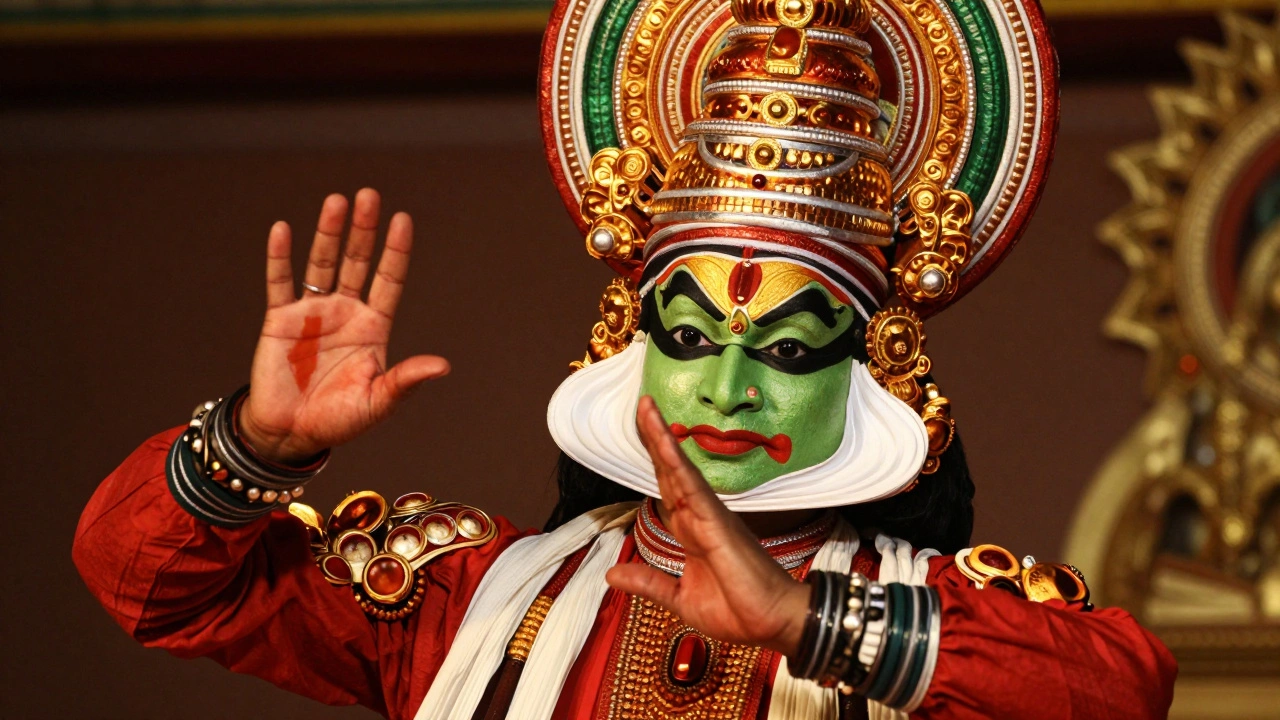
In India, this diversity is staggering. Consider Kathakali dance from Kerala. It’s not merely entertainment; it’s a storytelling medium rooted in Hindu epics, requiring years of rigorous training in makeup, facial expressions, and body movements. Watching a Kathakali performance in Thrissur offers insight into local mythology and social values. Similarly, the classical music traditions of Hindustani (North) and Carnatic (South) schools provide a sonic map of the subcontinent’s regional identities.
| Tradition | Region | Cultural Significance |
|---|---|---|
| Kathakali Dance | Kerala | Narrative storytelling through gesture and expression |
| Bhangra/Giddha | Punjab | Folk dances celebrating harvest and community joy |
| Rasa Lila | Vrindavan/Mathura | Devotional enactment of Krishna’s life |
| Yakshagana | Karnataka | Traditional folk theatre with elaborate costumes |
The key here is authenticity. Are you watching a shortened, sanitized version designed for a hotel lobby, or are you attending a full-length ritualistic performance in a temple courtyard? True cultural tourism seeks the latter. It respects the art form’s integrity and supports the artists by valuing their craft beyond mere spectacle.
3. Intangible Heritage: Cuisine, Crafts, and Daily Life
The third element moves away from grand monuments and stages into the everyday. This is intangible heritage-the skills, tastes, and routines that define a community’s identity. Food is perhaps the most accessible entry point. Culinary tourism is a massive subset of cultural travel because every dish carries a history of migration, trade, agriculture, and religion.
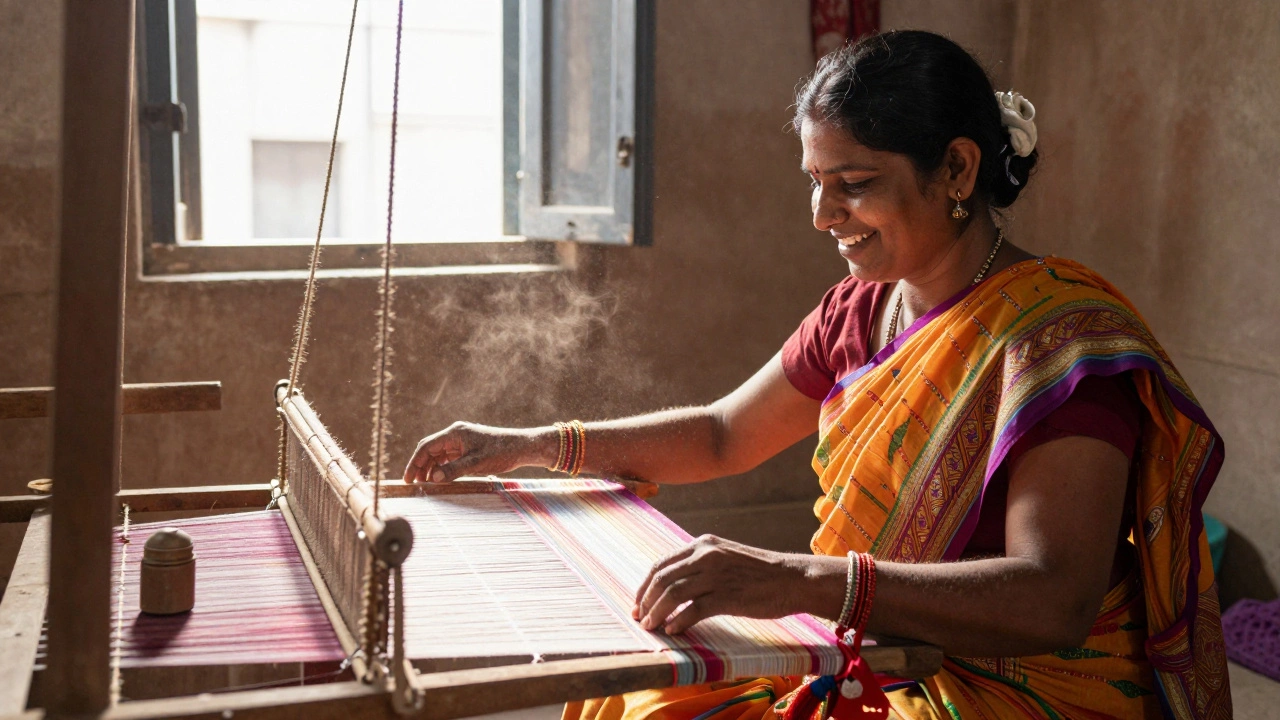
Take street food in Kolkata. Trying a puchka (a spicy water-filled snack) isn’t just about getting a quick bite. It’s an interaction with the local vendor, an understanding of the spice blends unique to West Bengal, and a participation in a daily ritual shared by millions. Similarly, textile crafts like Kalamkari printing in Andhra Pradesh or Pashmina weaving in Kashmir represent generations of specialized knowledge. Buying a hand-woven sari directly from a weaver in Varanasi connects you to the economic and artistic backbone of the region.
This element emphasizes participation. Instead of observing from a distance, cultural tourists often engage in cooking classes, pottery workshops, or market tours. These activities demystify the "other" and highlight universal human experiences-feeding oneself, creating beauty, and sustaining livelihoods. It shifts the power dynamic from tourist-as-spectator to tourist-as-learner.
4. Ethical Engagement and Community Impact
The fourth and most critical modern element is ethics. Cultural tourism is no longer acceptable if it exploits the very cultures it claims to celebrate. This pillar focuses on sustainability, respect, and mutual benefit. It asks: Who profits from this experience? Is the local community involved in decision-making? Does the visitor’s presence disrupt daily life?
In many parts of India, there has been a shift toward community-based tourism models. For example, homestays in rural Himachal Pradesh or Kerala allow travelers to live with families, sharing meals and chores. This model ensures that tourism revenue stays within the household, supporting education and healthcare locally. It also fosters genuine cross-cultural exchange, breaking down stereotypes on both sides.
Respectful behavior is part of this equation. Dressing modestly in religious sites, asking permission before taking photos of people, and learning basic local phrases are small acts that signal respect. More broadly, choosing tour operators who employ local guides and prioritize low-impact travel helps preserve the cultural fabric for future generations. Without this ethical framework, cultural tourism risks becoming a theme park version of reality, stripping places of their soul for profit.
Why These Four Elements Matter for Your Trip
Understanding these four pillars changes how you pack, plan, and perceive your travels. If you only focus on historical sites, you miss the living pulse of the culture. If you ignore ethical engagement, you may inadvertently harm the communities you wish to support. By balancing all four, you create a richer, more meaningful experience.
Next time you look at a itinerary for India, ask yourself: Does this trip include time with artisans? Is there space for spontaneous interactions with locals? Am I learning about the history behind the architecture? If the answer is yes, you’re doing cultural tourism right. It’s slower, deeper, and far more rewarding than rushing from one landmark to another.
What is the difference between cultural tourism and heritage tourism?
Heritage tourism focuses primarily on historical sites and artifacts (the past), while cultural tourism is broader, including living traditions, arts, cuisine, and contemporary daily life (the present). Heritage is a subset of cultural tourism.
How can I ensure my cultural tourism trip is ethical?
Choose locally owned accommodations and tour operators. Respect local customs and dress codes. Engage directly with artisans and pay fair prices for crafts. Avoid activities that exploit animals or trivialize sacred rituals. Always ask permission before photographing people.
Which regions in India best showcase all four elements of cultural tourism?
Rajasthan offers strong architectural heritage and living folk arts. Kerala excels in traditional arts like Kathakali and community-based homestays. Uttar Pradesh provides deep historical sites and spiritual practices. Each region highlights different aspects, so combining them gives a fuller picture.
Is cultural tourism expensive?
Not necessarily. While guided heritage tours can cost more, many cultural experiences like visiting local markets, eating street food, or attending public festivals are affordable. The cost depends more on your choice of accommodation and transport than on the cultural activities themselves.
How do I prepare for a cultural tourism trip to India?
Research the specific region’s history and customs. Learn basic greetings in the local language. Pack modest clothing suitable for religious sites. Be open to changing plans based on local recommendations. Read books or watch documentaries about the area to build context before you arrive.