Which Culture Is Rich in India? A Guide to Heritage & Traditions
- Aug, 28 2026
- 0 Comments
- Aaron Blackwood
Find Your Perfect Indian Cultural Destination
Not sure which part of India to visit? Answer these three questions to discover the region that aligns with your travel style.
You might think there’s a single answer to "which culture is rich in India," but that question misses the point entirely. India isn’t a monolith; it’s a continent-sized mosaic of distinct civilizations, each with its own language, food, art, and spiritual practices. If you’re looking for the most culturally rich experience, you have to look at what kind of richness you value: architectural grandeur, spiritual depth, artistic mastery, or living traditions.
Let’s break down the heavy hitters. We’ll look at the regions that define Indian heritage through their UNESCO World Heritage Sites, their living arts, and their historical impact. This isn’t just about old stones; it’s about cultures that are still breathing today.
The North: Power, Mughals, and Rajput Valor
When people picture India, they often picture the North. And for good reason. The cultural density here is staggering. You’ve got the legacy of the Mughal Empire and the fierce pride of the Rajputs colliding to create some of the world’s most impressive architecture.
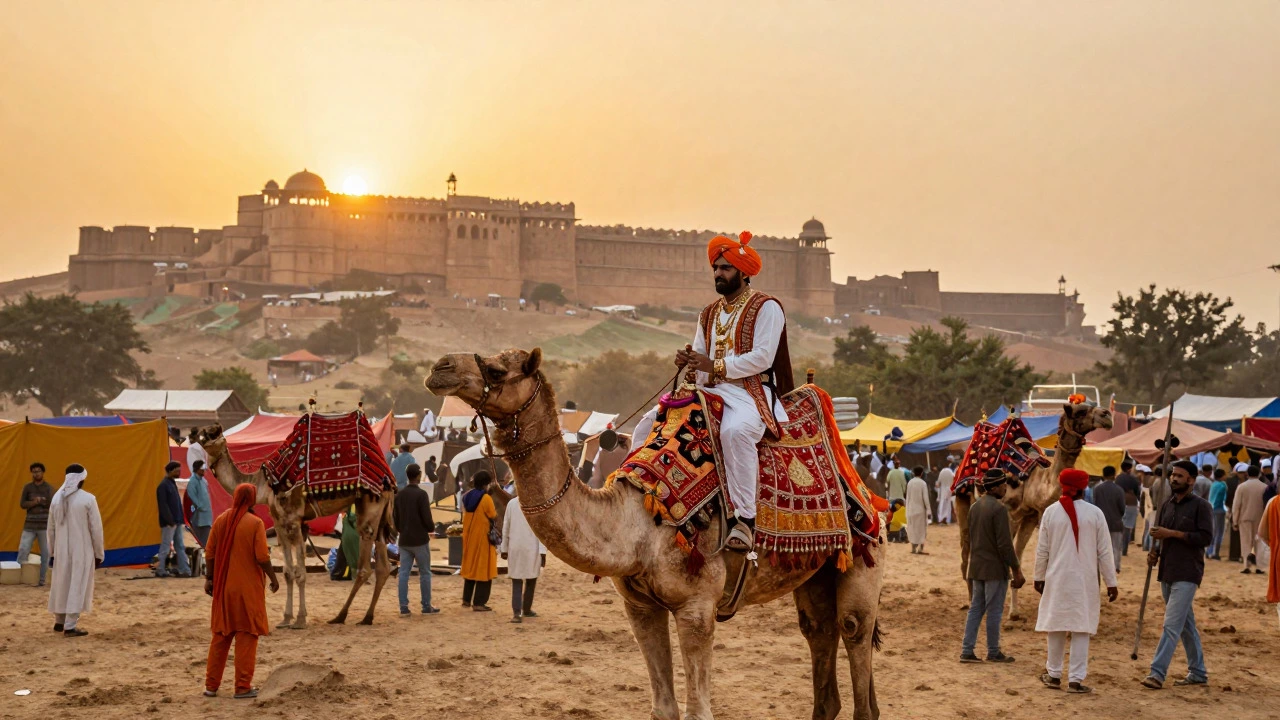
Rajasthan is arguably the most visually striking region for cultural tourists. It’s not just about the forts and palaces like Amber Fort and City Palace; it’s about the living folk music, the vibrant textiles, and the desert festivals like Pushkar Camel Fair. The culture here is performative and proud. You see it in the turbans, the jewelry, and the way hospitality is treated as a sacred duty.
Then there’s Agra, home to the Taj Mahal. While the Taj is the poster child, the surrounding city offers a deep dive into Mughal culinary history and craftsmanship. The inlay work (pietra dura) seen on the Taj is still practiced by artisans in small workshops today. This is culture you can touch and buy.
| Region | Cultural Strength | Key Heritage Site |
|---|---|---|
| Rajasthan | Folk Arts, Architecture, Hospitality | Jaisalmer Fort |
| Uttar Pradesh | Mughal History, Spirituality | Taj Mahal, Varanasi Ghats |
| Punjab | Sikh Heritage, Music, Food | Golden Temple |
The South: Dravidian Roots and Living Temples
If the North is about imperial power, the South is about enduring tradition. The Dravidian culture has remained remarkably continuous for thousands of years. Here, religion isn’t just a Sunday activity; it’s the rhythm of daily life.
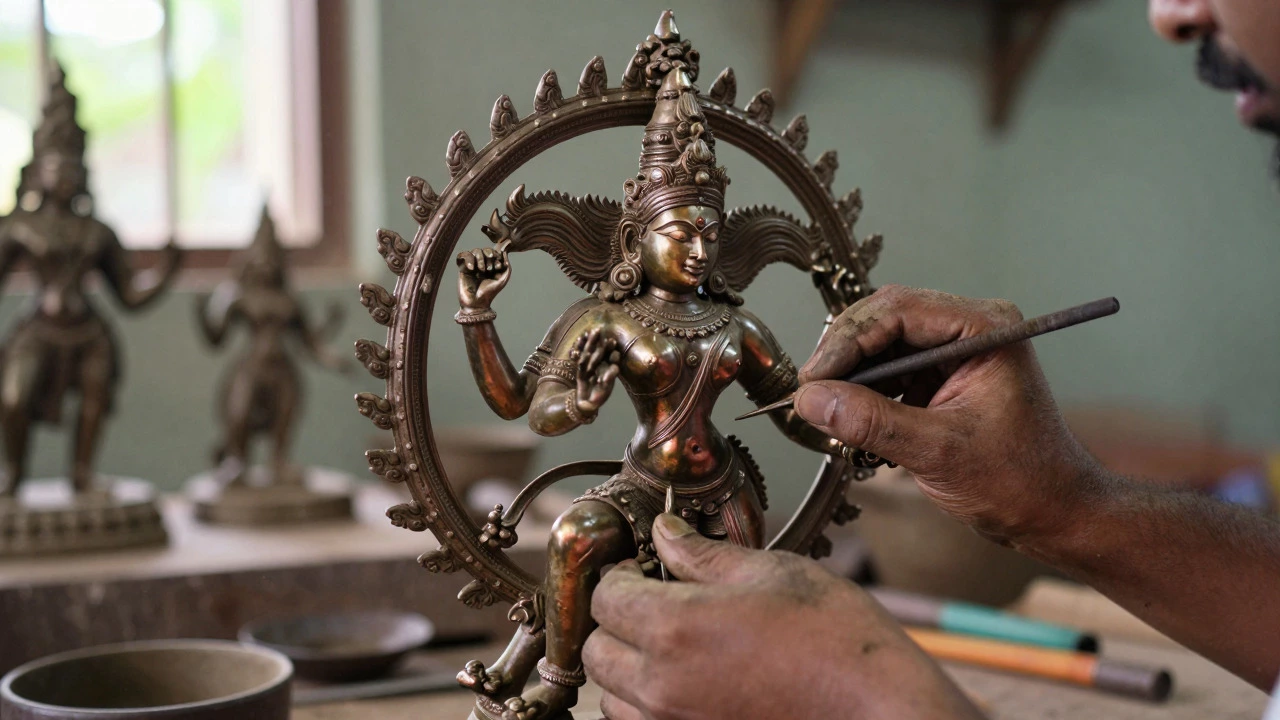
Tamil Nadu holds the crown for temple architecture. The Great Living Chola Temples are not ruins; they are active centers of worship where priests still chant Sanskrit verses composed over a thousand years ago. The bronze casting tradition of the Cholas is still alive, with artisans creating intricate Nataraja statues using the lost-wax technique.
Karnataka adds another layer with the Hoysala architecture in Belur and Halebidu. These temples are carved from soapstone with such precision that they look like lace made of stone. Unlike the massive sandstone forts of Rajasthan, these structures showcase an obsession with detail and mythology.
And let’s not forget Kerala. Its culture is defined by Ayurveda, Kathakali dance, and backwater life. The martial art Kalaripayattu, considered one of the oldest fighting systems in existence, is still taught here. This is a culture deeply connected to nature and health.
The East: Spiritual Depth and Artistic Mastery
The Eastern states offer a different flavor of richness-one focused on spirituality, literature, and fine arts.
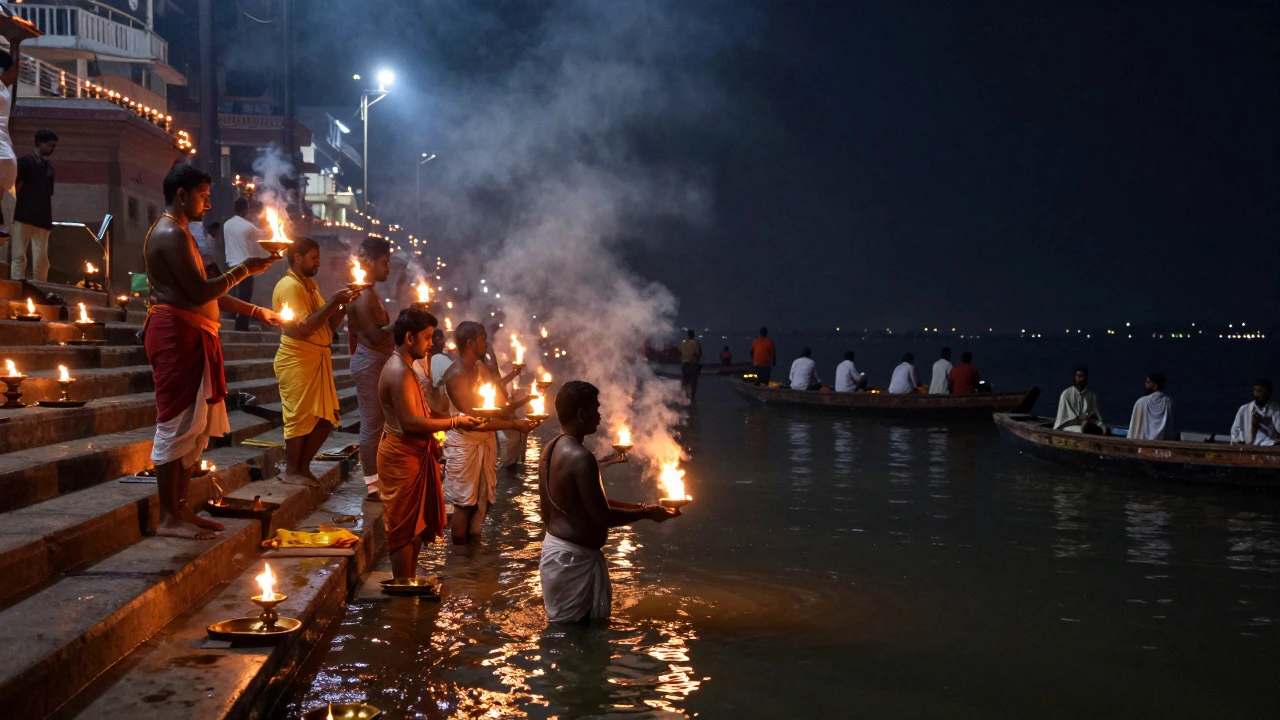
Varanasi (in Uttar Pradesh, but culturally Eastern) is often cited as the oldest continuously inhabited city in the world. Its cultural richness lies in its chaos and its rituals. Watching the Ganga Aarti at Dashashwamedh Ghat is a sensory overload of fire, chanting, and incense that defines Hindu spirituality for many. It’s raw, unfiltered, and profound.
Bengal, split between West Bengal in India and Bangladesh, is the intellectual heartland. Kolkata was the capital of British India, which left a unique colonial-era architecture mixed with Bengali Renaissance ideals. This region gave the world Rabindranath Tagore, Satyajit Ray, and Mother Teresa. The culture here values poetry, cinema, and political debate. If you want to engage with ideas, this is your spot.
Odisha offers the Konark Sun Temple, a masterpiece of 13th-century engineering. But beyond the stone, Odisha is famous for Pattachitra scroll painting and Gotipua dance, which is said to be the precursor to Odissi classical dance. The craftsmanship here is delicate and deeply religious.
The West: Trade, Faith, and Fusion
Gujarat and Maharashtra represent the commercial and spiritual crossroads of India. Being coastal, these regions absorbed influences from Persia, Arabia, Europe, and Africa long before globalization became a buzzword.
Gujarat is known for its Jain and Hindu temple complexes, like the Dilwara Temples in Mount Abu. But its real cultural wealth is in its textiles-Bandhani tie-dye and Patola silk sarees take months to weave. The Gujarati community’s global diaspora also means their culture travels well, bringing Gujarati Thalis to London and New York.
Maharashtra’s Ajanta and Ellora caves are UNESCO-listed wonders. The Ajanta paintings depict Buddhist Jataka tales with a vibrancy that rivals any European fresco. These aren’t just tourist spots; they are archives of ancient Indian psychology and aesthetics. The rock-cut architecture of Ellora shows Hindu, Buddhist, and Jain faiths coexisting in the same cliff face-a powerful symbol of India’s pluralism.
Central India: Tribal Heritage and Forest Wisdom
We often overlook Central India, but Madhya Pradesh and Chhattisgarh hold the roots of tribal culture. This is where indigenous communities preserve ancient ecological knowledge and artistic forms.
The Khajuraho temples in Madhya Pradesh are famous for their erotic sculptures, but they also represent the zenith of Nagara-style architecture. Meanwhile, the Gond tribe’s art uses dots and dashes to tell stories of local gods and animals. Visiting places like Pachmarhi or Kanha National Park gives you access to Gond and Baiga tribal traditions, which are vastly different from the urban mainstream.
How to Choose Your Cultural Journey
So, which culture is "richer"? It depends on what you want to feel.
- Choose Rajasthan/North India if: You love grand visuals, royal history, and vibrant colors. You want Instagram-worthy forts and spicy food.
- Choose Tamil Nadu/South India if: You appreciate intricate art, classical music, and organized temple rituals. You want a slower, more meditative pace.
- Choose Varanasi/Bengal/East if: You seek spiritual intensity or intellectual engagement. You’re okay with crowds and noise in exchange for authenticity.
- Choose Gujarat/Maharashtra/West if: You’re interested in trade history, cave art, and textile crafts. You like a mix of modern and ancient.
- Choose Central India if: You want off-the-beaten-path tribal experiences and natural beauty intertwined with folklore.
Remember, no single state captures all of India. The true richness lies in the contrast. Eating a thali in Rajasthan, then attending a Bharatanatyam performance in Chennai, then watching sunrise at the Ganges creates a holistic understanding of the country.
Practical Tips for Cultural Travelers
To truly absorb the culture, don’t just stay in hotels. Eat where locals eat. Ask questions. In India, curiosity is rewarded. Most people will happily explain the meaning behind a ritual or the story behind a monument.
Dress appropriately, especially when visiting temples. Covering shoulders and knees is a sign of respect that opens doors. Also, learn a few words in the local language. Saying "Namaste" or "Dhanyavad" goes a long way.
Timing matters. Festivals like Diwali, Holi, Onam, and Durga Puja transform entire regions into cultural spectacles. Plan your trip around these events if you want maximum immersion.
Which state in India has the most UNESCO World Heritage Sites?
Maharashtra currently leads with several sites including the Ajanta Caves, Ellora Caves, Elephanta Caves, and the Chhatrapati Shivaji Maharaj Terminus. However, Karnataka and Tamil Nadu also have significant numbers, particularly regarding temple architecture and hill forts.
Is South Indian culture older than North Indian culture?
Both regions have ancient roots. The Indus Valley Civilization spanned both areas. However, South Indian Dravidian culture has maintained a more continuous linguistic and religious lineage due to geographical barriers, whereas North India saw more frequent invasions and cultural mergers, leading to a more syncretic culture.
What is the best time to visit cultural sites in India?
October to March is generally the best time for most of India. The weather is cool and dry, making it comfortable for walking through forts and temples. Avoid summer (April-June) in North and Central India due to extreme heat, and monsoon (July-September) in coastal areas unless you enjoy rain.
Do I need a guide to understand Indian heritage sites?
While not mandatory, a certified guide is highly recommended for complex sites like Khajuraho, Hampi, or Varanasi. They provide context about mythology, architecture, and history that signs alone cannot convey. For simpler sites like beaches or basic museums, self-guided tours work fine.
Which Indian culture is most accessible for foreigners?
Delhi-Agra-Jaipur circuit in North India is the most accessible due to well-developed tourism infrastructure, English proficiency, and international flight connections. Kerala in the South is also very welcoming and safe for first-time visitors.