Why Foreigners Love Varanasi: A Cultural Immersion Guide
- Nov, 13 2026
- 0 Comments
- Aaron Blackwood
Varanasi Cultural Readiness Quiz
Varanasi is not just a destination; it's an experience that challenges comfort zones. Answer these questions to see if you are ready for the raw authenticity of Kashi.
Your Varanasi Readiness Score
Recommended Ghats For You:
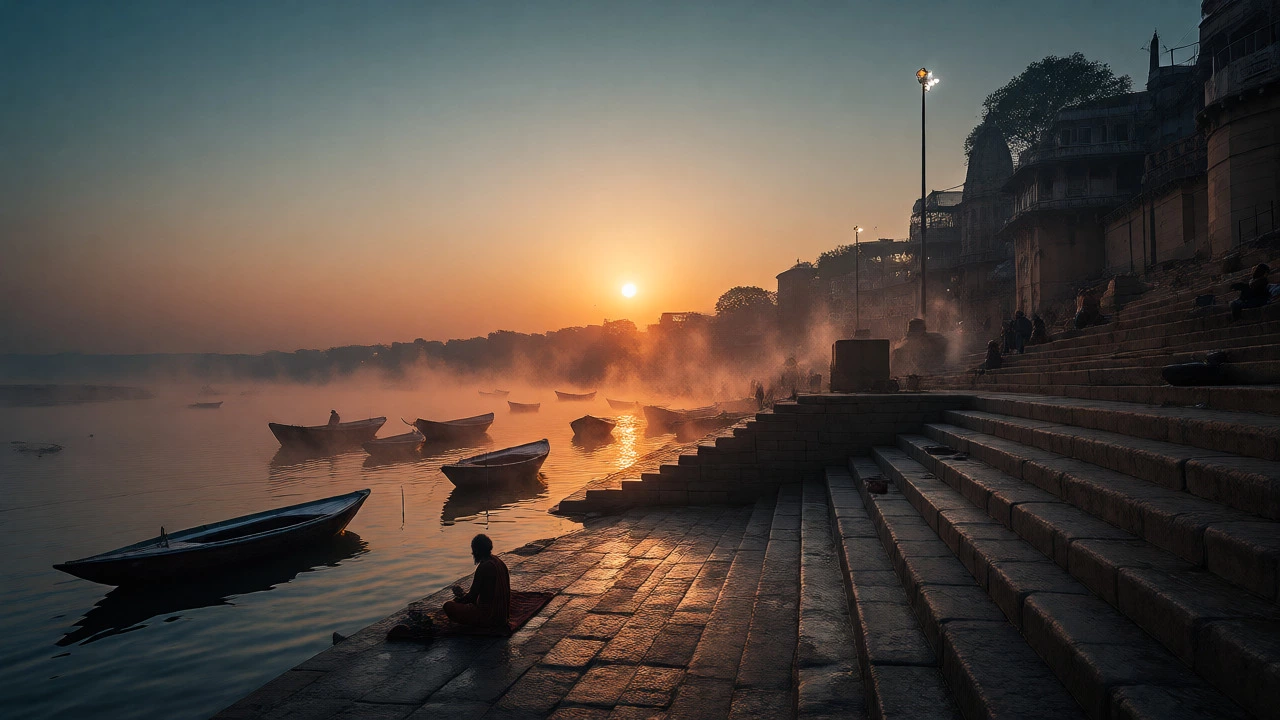
You walk down the stone steps at dawn, and the air hits you first. It smells of wet ash, marigold flowers, incense smoke, and the river itself. This isn't just a smell; it's an atmosphere that has trapped travelers for centuries. Varanasi, also known as Kashi, is one of the oldest continuously inhabited cities in the world and a major spiritual center in Hinduism. Located on the banks of the Ganges River, it draws millions of visitors every year. But why do foreigners specifically flock here? Is it the chaos? The spirituality? Or something deeper?
If you've ever scrolled through Instagram or watched a documentary about India, you've seen Varanasi. You've seen the boats gliding across the water while priests chant. You've seen cows wandering through narrow alleys. It looks intense. For many Western tourists, accustomed to sterile environments and predictable routines, Varanasi feels like stepping into a different dimension. It forces you to confront life and death side by side, often within a few feet of each other. That raw authenticity is exactly what modern travelers are craving.
The Raw Authenticity of Daily Life
Most tourists complain when things aren't clean or organized. In Varanasi, you stop caring about cleanliness standards defined by hotel chains. You start appreciating the flow of life. Watch a barber shave a man's head on the ghat steps while a sadhu meditates nearby. See a family performing last rites for their loved one while children play cricket two meters away. There is no separation between the sacred and the mundane.
This lack of segregation shocks some visitors initially. But then it clicks. In many Western cultures, we hide death. We put it in hospitals and funeral homes. In Varanasi, death is public, visible, and accepted. Watching the burning ghats at Manikarnika can be heavy, but it’s also strangely comforting. It reminds you that mortality is part of the human experience, not something to be feared or hidden. Many travelers report feeling a sense of peace after witnessing these rituals, even if they don't understand the religious context.
Spiritual Energy Without the Pressure
You don't need to be Hindu to feel the energy in Varanasi. The city vibrates with devotion. The sound of temple bells ringing at all hours creates a constant backdrop. The chanting of mantras echoes off the buildings. This auditory landscape affects your brain differently than silence or pop music. It slows you down. It makes you present.
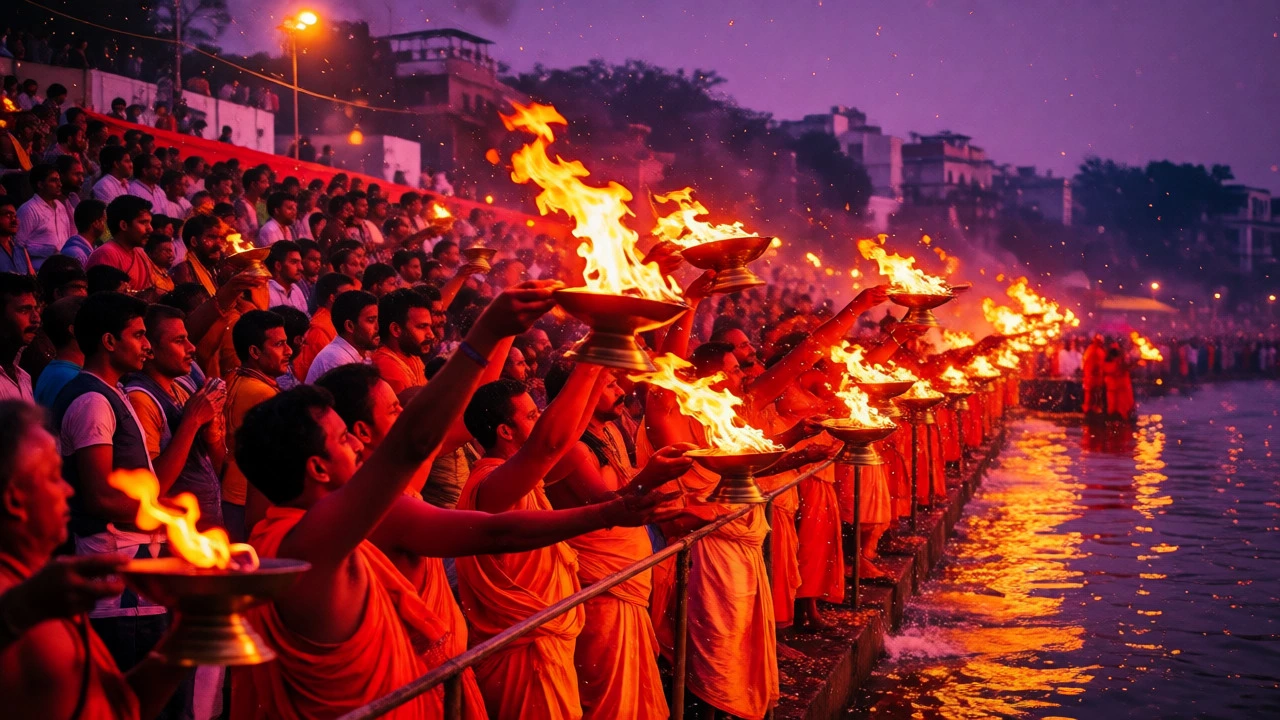
Visitors often talk about the "vibe" of Kashi. They describe it as electric yet calming. You might sit on a boat during the evening Ganga Aarti ceremony. Priests wave fire lamps toward the river in synchronized movements. Thousands of people watch, some praying, some just watching. The collective focus creates a powerful emotional resonance. Even skeptics find themselves moved. It’s not about converting to a religion; it’s about experiencing a community united in ritual.
The Sensory Overload is Actually a Feature
Let's be honest: Varanasi is loud. Horns honk. Cows moo. Vendors shout prices. Bells ring. People pray. If you go there expecting quiet meditation, you will be disappointed. But if you go expecting to wake up every sense, you'll love it.
Foreigners who love Varanasi usually have a high tolerance for sensory input. They enjoy the chaos because it feels alive. Compare this to a resort town where everything is curated and quiet. Varanasi is unfiltered. You see colors that don't exist in paint catalogs-saffron robes, bright pink textiles, deep blue saris. You taste chai that is too sweet or too strong, but always hot and fresh. You touch ancient stone walls that have been worn smooth by centuries of hands.
This intensity breaks the autopilot mode most of us live in. At home, you drive to work without remembering the route. In Varanasi, you can't ignore anything. Every step requires attention. This heightened awareness is addictive. Travelers often say they feel more "alive" in Varanasi than anywhere else.
Human Connection in Narrow Alleys
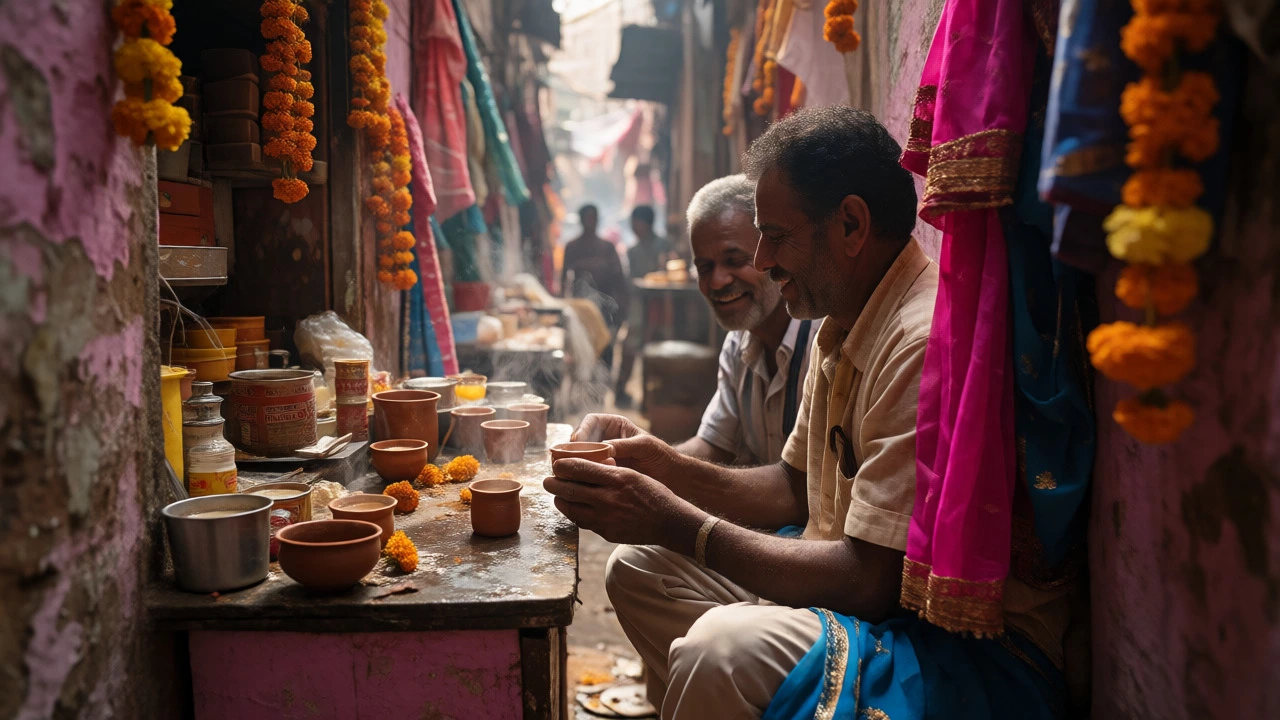
The old city of Varanasi is a maze. The lanes are so narrow that two people sometimes struggle to pass each other. This physical constraint forces interaction. You bump into shopkeepers. You ask for directions from strangers. You share space with locals in tight quarters.
Unlike big cities where anonymity reigns, Varanasi fosters quick connections. Shop owners invite you in for tea. Boatmen tell stories about their families. Sadhus offer blessings. These interactions aren't always transactional. Many travelers leave Varanasi with friends, not just souvenirs. The hospitality is genuine, born out of a cultural tradition that views guests as gods (Atithi Devo Bhava). For solo travelers, this warmth counters the loneliness that often accompanies long-term travel.
A Deep Dive into the Ghats
To understand why people love this place, you must understand the ghats. These are the steps leading down to the river. There are over 80 of them, each with a specific purpose. Not all ghats are the same, and knowing which one to visit changes your experience entirely.
| Ghat Name | Primary Function | Best Time to Visit | Visitor Experience |
|---|---|---|---|
| Dashashwamedh Ghat | Main worship site for Ganga Aarti | Evening (6:30 PM) | Crowded, energetic, visually spectacular |
| Manikarnika Ghat | Primary cremation ground | Daytime | Serious, reflective, intense, respectful observation required |
| Assi Ghat | Morning yoga and sunrise viewing | Early Morning (5:30 AM) | Calm, scenic, popular with students and yogis |
| Kedar Ghat | Less crowded bathing area | Any time | Quiet, authentic local bathing rituals, fewer tourists |
Notice how each ghat offers a different emotional tone. Dashashwamedh is for spectacle and community. Manikarnika is for contemplation. Assi is for personal reflection. Tourists who plan their visits around these distinctions get far more out of the trip than those who just wander aimlessly.
Practical Tips for First-Time Visitors
Loving Varanasi doesn't mean ignoring its challenges. To truly enjoy it, you need to prepare mentally and physically. Here is what works:
- Dress Modestly: Cover your shoulders and knees. This shows respect and helps you blend in better.
- Stay Near the Ghats: Staying in the old city means you hear the morning bells. It’s worth the noise.
- Hire a Local Guide: A good guide explains what you’re seeing. Without context, the rituals look random. With context, they make sense.
- Be Ready for Negotiation: Prices for boats and rickshaws are flexible. Start low, smile, and agree on a price before getting in.
- Respect Cremations: Don’t take photos of grieving families unless you ask permission. Sometimes, just standing quietly is enough.
Also, manage your expectations regarding comfort. Hotels vary widely. Check recent reviews for cleanliness and power backup, as load-shedding can happen. But remember, the discomfort is part of the charm. It strips away luxury distractions and leaves you with the core experience.
Why It Stays With You
People return to Varanasi again and again. Why? Because it changes them. It challenges their worldview. It exposes them to perspectives they didn't know existed. You might come for the history, but you stay for the humanity.
In a world that is increasingly digital and detached, Varanasi is analog and connected. You see real tears, real joy, real faith. You eat food cooked right in front of you. You breathe air that carries the scent of thousands of years of prayer. It’s messy, yes. But it’s beautifully, undeniably real. That reality is rare. And that’s why foreigners love it.
Is Varanasi safe for solo female travelers?
Yes, generally Varanasi is safe for solo female travelers, provided standard precautions are taken. Stick to well-lit areas at night, dress modestly to avoid unwanted attention, and use trusted transport options like pre-booked taxis or app-based cabs. Avoid isolated ghats late at night. Most locals are respectful, but being aware of your surroundings is always wise.
What is the best time of year to visit Varanasi?
The best time to visit is from October to March. During these months, the weather is cool and pleasant, making walking around the ghats comfortable. Summers (April to June) can be extremely hot, with temperatures exceeding 40°C (104°F). Monsoons (July to September) bring rain and humidity, which can make the streets slippery and the experience less enjoyable for some, though the river levels are higher.
Do I need to speak Hindi to enjoy Varanasi?
No, you do not need to speak Hindi. Many boatmen, guides, and hotel staff speak basic English. Additionally, body language, smiles, and pointing go a long way. Learning a few phrases like "Namaste" (hello), "Dhanyavad" (thank you), and "Kitna hai?" (how much?) can enhance your interactions and show respect for the local culture.
Is it appropriate to watch cremations at Manikarnika Ghat?
Yes, it is generally considered appropriate to observe cremations at Manikarnika Ghat, as it is a public event and part of the city's daily life. However, visitors must remain respectful. Do not stand directly in the path of mourners, avoid taking intrusive close-up photos of grieving faces, and keep conversations low. Observing quietly is the best approach.
How long should I stay in Varanasi?
A minimum of two nights and three days is recommended to properly experience Varanasi. This allows time for the early morning boat ride, visiting the main ghats, exploring the narrow alleys, attending the evening Ganga Aarti, and perhaps taking a day trip to Sarnath. Rushing through in one day often leads to sensory overload without true understanding.