Tribes of India: Famous Communities for Adventure & Cultural Travel
- Jun, 16 2026
- 0 Comments
- Aaron Blackwood
Tribal Adventure & Cultural Travel Planner
Select your preferred adventure style and travel month to discover the perfect tribal destination.
Destination Title
Description goes here.
Top Activities
Best Time to Visit
--
Responsible Travel Checklist
- ✓ Hire local guides from the community
- ✓ Ask permission before photos
- ✓ Buy directly from artisans/cooperatives
- ✓ Dress modestly according to customs
- ✓ Respect alcohol restrictions
Logistics & Safety Tips
Loading tips...
India is not just a land of ancient temples and bustling cities; it is home to over 700 distinct tribal communities. These groups have lived in harmony with the forest and mountains for thousands of years, preserving languages, rituals, and ways of life that predate modern history. For travelers seeking more than just sightseeing, these communities offer a profound connection to nature and culture. When you combine this cultural depth with India's rugged terrain, you get some of the most unique **adventure sports India** has to offer. Trekking through tribal lands isn't just about physical exertion; it is an immersive journey into living heritage.
If you are looking to experience the raw beauty of India while respecting its indigenous roots, understanding which tribes are famous and where they live is your first step. This guide breaks down the most prominent tribal communities, their locations, and how to visit them responsibly as part of an adventure itinerary.
The Gonds: Masters of Central India’s Forests
The Gonds are often the first name that comes up when discussing Indian tribes. They number in the millions and have a rich artistic tradition. Their paintings, known as *Warli* or *Gond art*, depict nature, animals, and daily life using geometric patterns and vibrant colors. For the adventurous traveler, the Gond homeland offers excellent opportunities for jungle safaris and bird watching in places like Kanha National Park and Bandhavgarh.
Visiting Gond villages allows you to see how traditional agriculture and forest produce gathering still sustain many families. You can witness the creation of natural dyes and participate in storytelling sessions that date back centuries. The terrain here is hilly and dense, making it perfect for moderate treks and nature walks. However, access requires permits in certain areas, so planning ahead is essential.
The Sentinelese: The Unreachable Mystery
When people ask about the most famous tribe in India, the answer is often the Sentinelese. Living on North Sentinel Island in the Andaman archipelago, they are one of the last uncontacted peoples on Earth. It is crucial to understand that visiting them is illegal and dangerous. The Indian government strictly prohibits any approach to their island to protect both the tribe from outside diseases and visitors from potential hostility.
For adventure seekers, this creates a paradox. The allure is strong, but the ethical and legal boundaries are absolute. Instead of trying to reach them, focus on the other islands in the Andaman chain. Places like Havelock and Neil Islands offer world-class scuba diving, snorkeling, and beach camping. You can explore the marine biodiversity that surrounds the Sentinelese territory without infringing on their sovereignty. This respect for isolation is a key part of responsible travel in India.
Trekking with the Bakarwal: Kashmir’s Nomads
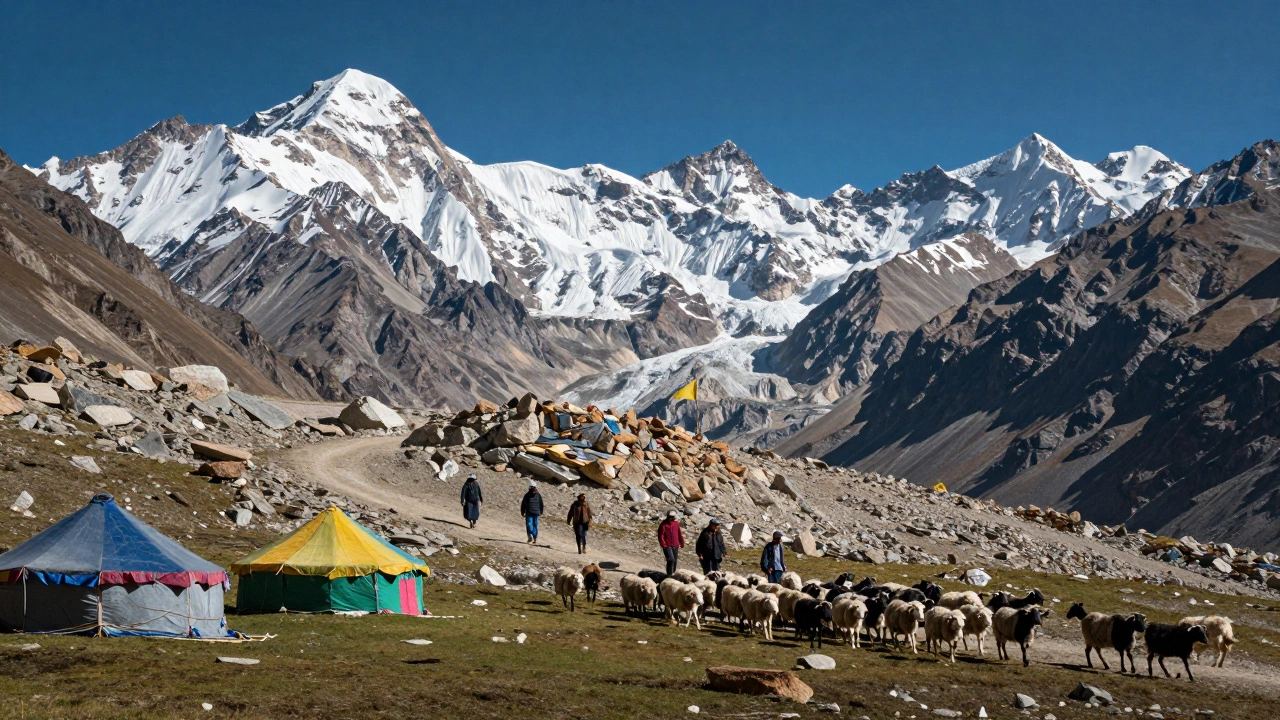
In the north, the Bakarwal tribe offers a different kind of adventure. They are nomadic shepherds who move seasonally across the Himalayas. During summer, they take their flocks to the high meadows of Gulmarg and Pahalgam. Trekking routes in these areas often pass through Bakarwal camps, offering a chance to interact with a community that has mastered survival in harsh mountain conditions.
This region is a hub for winter sports like skiing and snowboarding, as well as summer trekking. Staying with a Bakarwal family provides insight into their wool crafting, dairy production, and navigation skills. The trails here are challenging, requiring good fitness and proper gear. But the reward is breathtaking views of snow-capped peaks and a genuine exchange with people who know the mountains intimately.
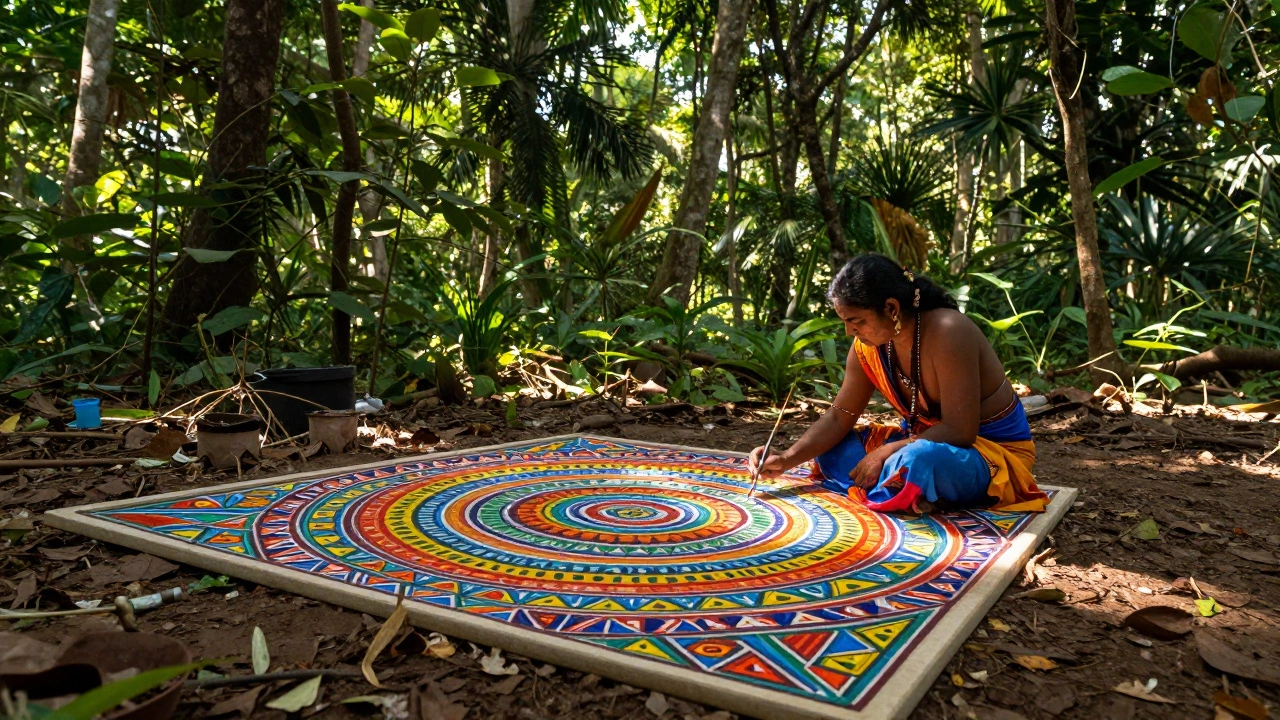
The Warli: Art and Agriculture in Maharashtra
The Warli tribe of Maharashtra is famous for its unique style of folk painting. Unlike many other forms of Indian art, Warli paintings do not use bright colors. Instead, they rely on white rice paste on red-brown walls to create monochromatic scenes of village life, dances, and farming. This simplicity makes their art instantly recognizable and deeply symbolic.
Travelers interested in cultural immersion can visit villages near Mumbai and Thane. While not a destination for extreme adventure sports, the area offers rural trekking and cycling tours through agricultural landscapes. You can learn about sustainable farming practices and join in traditional festivals like *Navali* or *Holi*, which are celebrated with great fervor. The proximity to major cities makes it an accessible option for short trips.
Adventure Sports in Tribal Regions: A Guide
Combining tribal tourism with adventure activities requires careful planning. Here are some popular options:
- Jungle Safaris: In Madhya Pradesh and Odisha, national parks overlap with tribal lands. Jeep safaris allow you to spot tigers and leopards while learning about the forest ecology from local guides.
- Trekking: The Western Ghats, home to tribes like the Toda and Kota in Kerala and Tamil Nadu, offer lush green trails. Trekking to Munnar or Wayanad takes you through tea plantations and tribal settlements.
- River Rafting: In Himachal Pradesh and Uttarakhand, rivers flow through regions inhabited by various hill tribes. Rafting on the Beas or Ganges provides adrenaline-pumping action followed by cultural evenings in nearby villages.
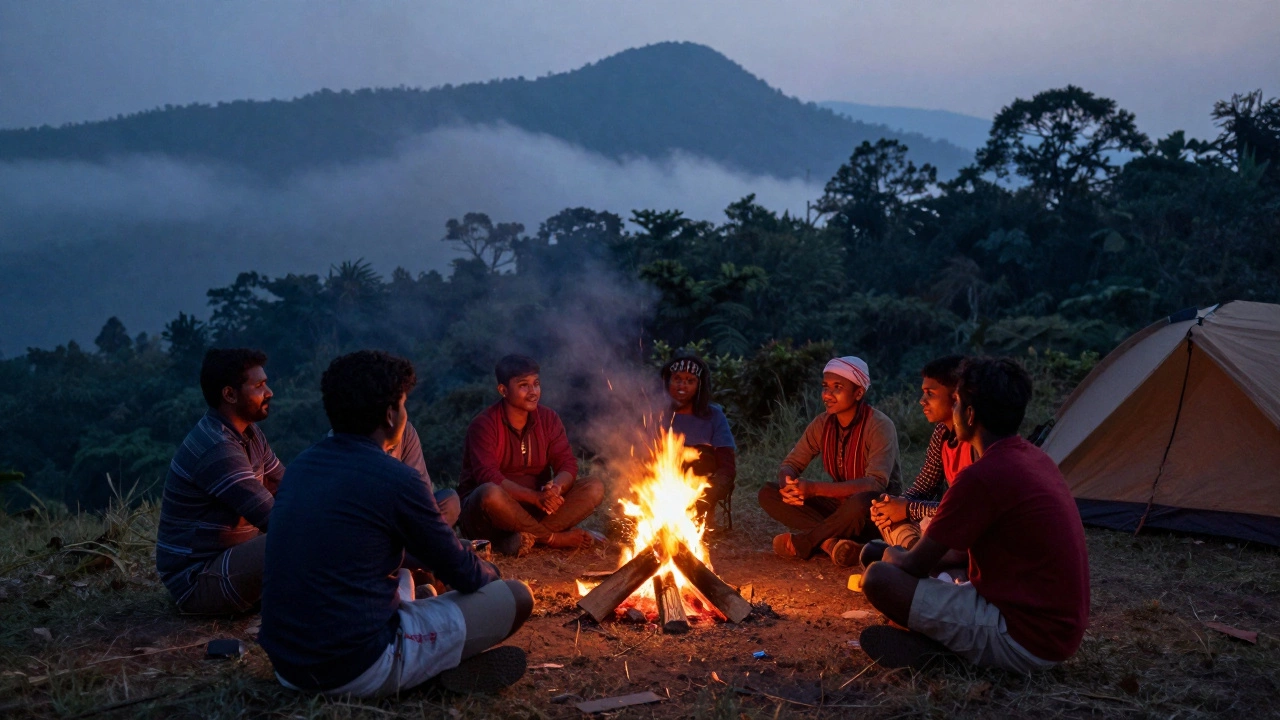
- Camping: Many tribal areas offer eco-friendly camping sites. Sleeping under the stars in the Araku Valley of Andhra Pradesh lets you experience the cool climate and tribal hospitality firsthand.
| Tribe | Location | Primary Activity | Best Time to Visit |
|---|---|---|---|
| Gond | Madhya Pradesh | Jungle Safari, Art Workshops | October to March |
| Bakarwal | Jammu & Kashmir | Trekking, Skiing | June to September (Summer), December to February (Winter) |
| Toda | Kerala/Tamil Nadu | Hill Station Trekking, Tea Tours | September to May |
| Sentinelese | Andaman Islands | Marine Activities (Nearby Islands Only) | November to April |
Responsible Tourism: Respecting Indigenous Rights
As you plan your trip, remember that these communities are not exhibits. They are living cultures with rights and dignity. Always seek permission before taking photographs. Avoid buying handicrafts directly from tourists unless you are sure they are ethically sourced. Support local cooperatives that ensure fair wages for artisans.
Dress modestly and follow local customs. In many tribal areas, alcohol consumption is restricted or prohibited. Respect these rules to maintain good relations. Hire local guides who are members of the community. This not only enhances your experience but also contributes directly to the local economy.
Planning Your Trip: Logistics and Safety
Infrastructure in tribal areas can be limited. Roads may be unpaved, and mobile network coverage can be spotty. Carry cash, as ATMs may not be available. Check weather forecasts regularly, especially if you are trekking in mountainous regions. Obtain necessary permits for protected areas well in advance.
Health precautions are vital. Drink bottled water, eat cooked food, and carry a basic first-aid kit. Some areas may have mosquitoes carrying diseases like malaria, so use repellent and consult a doctor before traveling. By preparing thoroughly, you ensure a safe and enjoyable adventure that respects both the environment and the people.
Which tribe is the most famous in India?
The Gond tribe is the largest and most widely recognized due to their population size and distinctive art form. However, the Sentinelese are globally famous for being uncontacted, though they cannot be visited.
Can I visit the Sentinelese tribe?
No, it is illegal and highly dangerous to approach North Sentinel Island. The Indian government enforces strict no-entry zones to protect the tribe's health and autonomy.
What adventure sports are available in tribal areas?
Popular activities include jungle safaris in Madhya Pradesh, trekking in the Himalayas with Bakarwal guides, river rafting in Himachal Pradesh, and eco-camping in the Western Ghats.
How can I support tribal communities during my visit?
Hire local guides, buy authentic handicrafts from certified cooperatives, respect cultural norms, and avoid intrusive photography. Choose homestays or eco-resorts that employ local staff.
Is it safe to trek in tribal regions?
Yes, provided you prepare adequately. Use registered tour operators, carry necessary permits, inform locals of your itinerary, and be mindful of weather and terrain conditions.