What is the Most Famous Cultural Site in India? A Guide to Taj Mahal and Beyond
- Oct, 13 2026
- 0 Comments
- Aaron Blackwood
Taj Mahal Visit Planner
Plan Your Visit
Estimated Entry Fee
₹0
Breakdown will appear here
Expert Tips for This Date
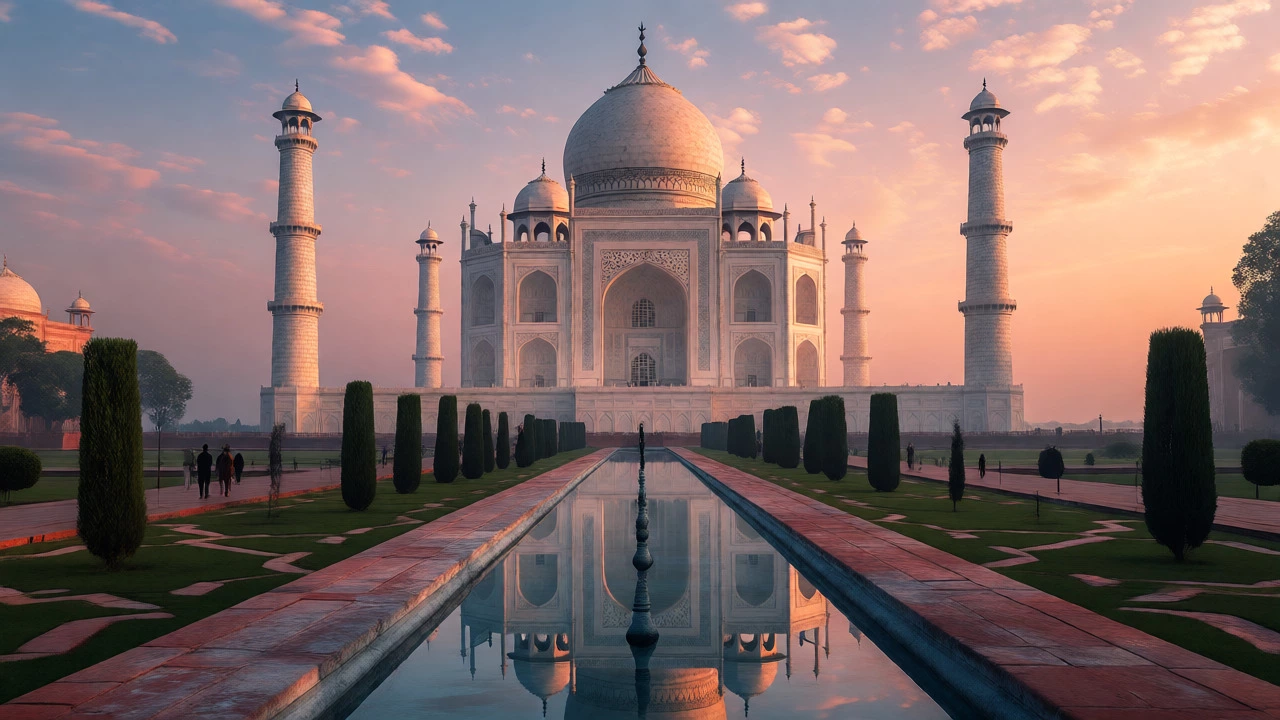
You ask for the most famous cultural site in India, and the answer hits you like a wave of marble white against a blue sky. It’s the Taj Mahal. While India boasts over 40 UNESCO World Heritage Sites, from the rock-cut caves of Ajanta to the temples of Khajuraho, none command global recognition quite like this mausoleum in Agra. It isn’t just a building; it’s the ultimate symbol of love, grief, and Mughal architectural genius. But calling it "just" famous undersells it. The real question isn't just *what* it is, but why it dominates the cultural conversation and how you can experience it without falling into the tourist traps that plague so many visitors.
Why the Taj Mahal Holds the Crown
Let’s be clear about the entity we are discussing. The Taj Mahal is a white marble mausoleum located on the right bank of the Yamuna river in the Indian city of Agra, commissioned by the Mughal emperor Shah Jahan in 1632 to house the tomb of his favorite wife, Mumtaz Mahal. Completed around 1653, it represents the pinnacle of Mughal architecture, which blends Islamic, Persian, Ottoman Turkish, and Indian architectural styles. Its fame isn't accidental. It was designated a UNESCO World Heritage Site in 1983, cited as "the jewel of Muslim art in India." This status cemented its place in global consciousness. When people think of India, they often picture this dome before they picture anything else.
The sheer scale contributes to its mystique. Standing at 73 meters (240 feet) tall, the main structure uses materials sourced from across Asia. The white Makrana marble came from Rajasthan, jade and crystal from China, turquoise from Tibet, lapis lazuli from Afghanistan, sapphire from Sri Lanka, and carnelian from Arabia. Over 20,000 artisans labored for more than two decades to bring this vision to life. Today, it attracts between 7 to 8 million visitors annually, with millions more viewing images online. That level of visibility creates a feedback loop: it’s famous because everyone says it’s famous, and it remains famous because it genuinely delivers an emotional punch few other sites can match.
Beyond the Dome: Other Heavyweights in Cultural Tourism
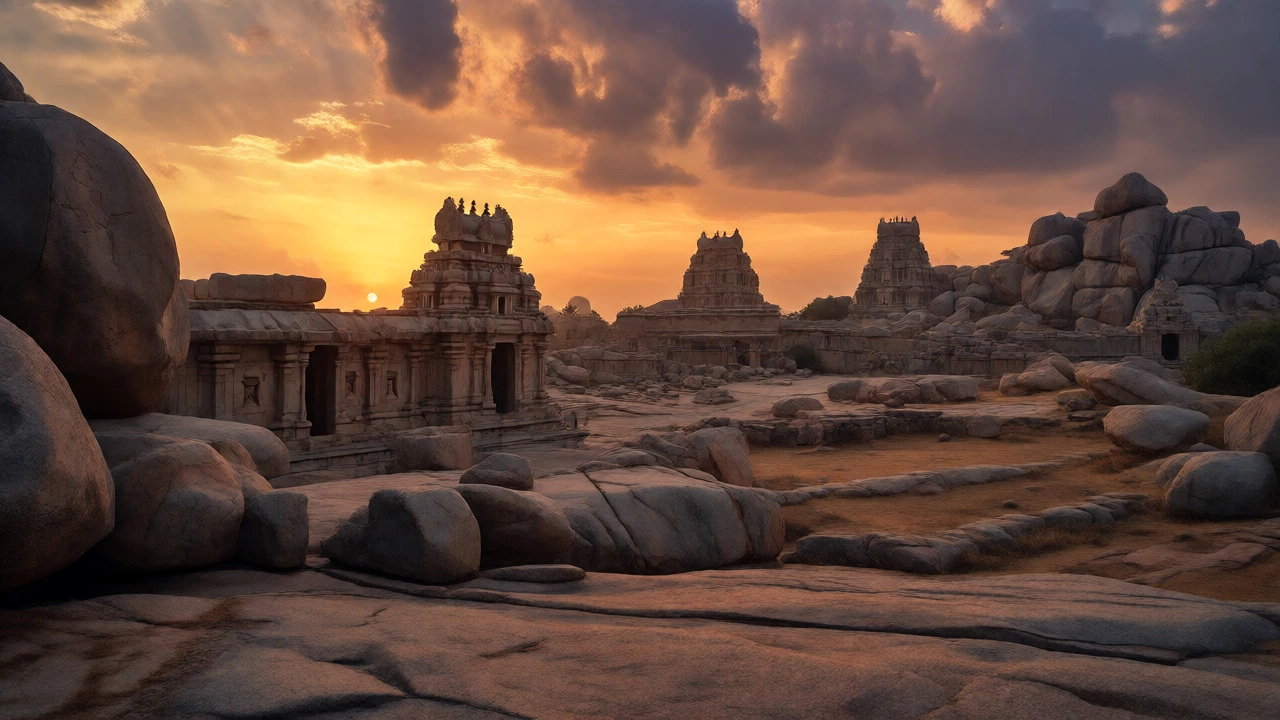
If you’re planning a trip based solely on the Taj Mahal, you might miss out on other sites that rival it in historical depth, even if they lack its pop-culture ubiquity. For instance, consider the Hampi ruins in Karnataka. Unlike the pristine marble of Agra, Hampi offers a sprawling landscape of boulders and temple complexes that once formed the capital of the Vijayanagara Empire. It feels rawer, more adventurous. Or look at Khajuraho in Madhya Pradesh, famous for its nagara-style architecture and erotic sculptures. These temples date back to the Chandela dynasty (950-1050 AD) and offer a glimpse into medieval Hindu society that differs vastly from the Islamic influence seen in North India.
Then there’s the Ellora Caves in Maharashtra. Here, Buddhist, Hindu, and Jain monuments coexist within a single complex carved directly into basalt cliffs. The Kailasa temple, dedicated to Shiva, is monolithic-meaning it was carved top-down from a single rock. No bricks, no mortar. Just stone. If the Taj Mahal is about elegance and symmetry, Ellora is about brute force and spiritual devotion manifested in stone. Choosing between them depends on what kind of cultural narrative resonates with you: romantic perfection or ancient, rugged endurance.
Planning Your Visit: Timing and Logistics
Knowing the Taj Mahal is the target is half the battle. Visiting it effectively requires strategy. Many travelers make the mistake of going during peak midday hours in summer. The heat in Agra can soar above 45°C (113°F), making the walk through the gardens miserable. Furthermore, the harsh overhead light flattens the marble’s texture, robbing it of the subtle shadows that give it depth.
- Best Time of Day: Sunrise is non-negotiable. Arrive 30 minutes before opening time. You’ll catch the pinkish hue of dawn reflecting off the marble, and the crowds will be manageable. Sunset offers golden hour lighting, perfect for photography, though the exit queues can get long.
- Best Season: October to March provides pleasant weather. Avoid April to June unless you handle heat well. July to September brings monsoon rains, which can obscure views but create dramatic skies and lush greenery.
- Closed Days: The Taj Mahal is closed on Fridays for prayers. Plan your itinerary accordingly. This is a common pitfall for first-time visitors who assume major sites are open seven days a week.
Accessing Agra itself is straightforward. It lies roughly 230 kilometers from New Delhi. The Gatimaan Express train cuts travel time to under two hours, offering a comfortable, air-conditioned ride. Alternatively, private cars via the Yamuna Expressway take about three to four hours depending on traffic. Once in Agra, auto-rickshaws are the most convenient way to navigate the city, but agree on fares beforehand to avoid haggling stress.
Comparing India’s Top Cultural Icons
To help you decide where to focus your energy, here’s how the Taj Mahal stacks up against other major contenders in terms of visitor experience and thematic focus. Note that while all are significant, their "fame" operates on different scales.
| Site Name | Location | Primary Era/Style | Key Feature | Best For |
|---|---|---|---|---|
| Taj Mahal | Agra, Uttar Pradesh | Mughal (17th Century) | Symmetry, White Marble, Love Story | First-time visitors, Romance, Photography |
| Red Fort | New Delhi | Mughal (17th Century) | Red Sandstone, Political History | History buffs, Urban exploration |
| Hampi | Karnataka | Vijayanagara (14th-16th Century) | Boulder landscapes, Temple ruins | Backpackers, Archaeology enthusiasts |
| Khajuraho | Madhya Pradesh | Chandela (10th-11th Century) | Nagara style, Erotic sculptures | Art lovers, Spiritual seekers |
| Ellora Caves | Maharashtra | Rashtrakuta/Gupta (6th-10th Century) | Monolithic carving, Multi-religious | Geology fans, Deep cultural study |
Debunking Myths About the "Most Famous" Label
A common misconception is that fame equals accessibility. Because the Taj Mahal is globally recognized, infrastructure around it has struggled to keep pace. The area surrounding the monument has faced criticism for pollution and commercialization. Yellow lines have been painted near the base to protect the marble from acid rain damage caused by nearby industrial activity. While restoration efforts continue, the view from certain angles can be cluttered with vendors selling identical postcards and marble souvenirs.
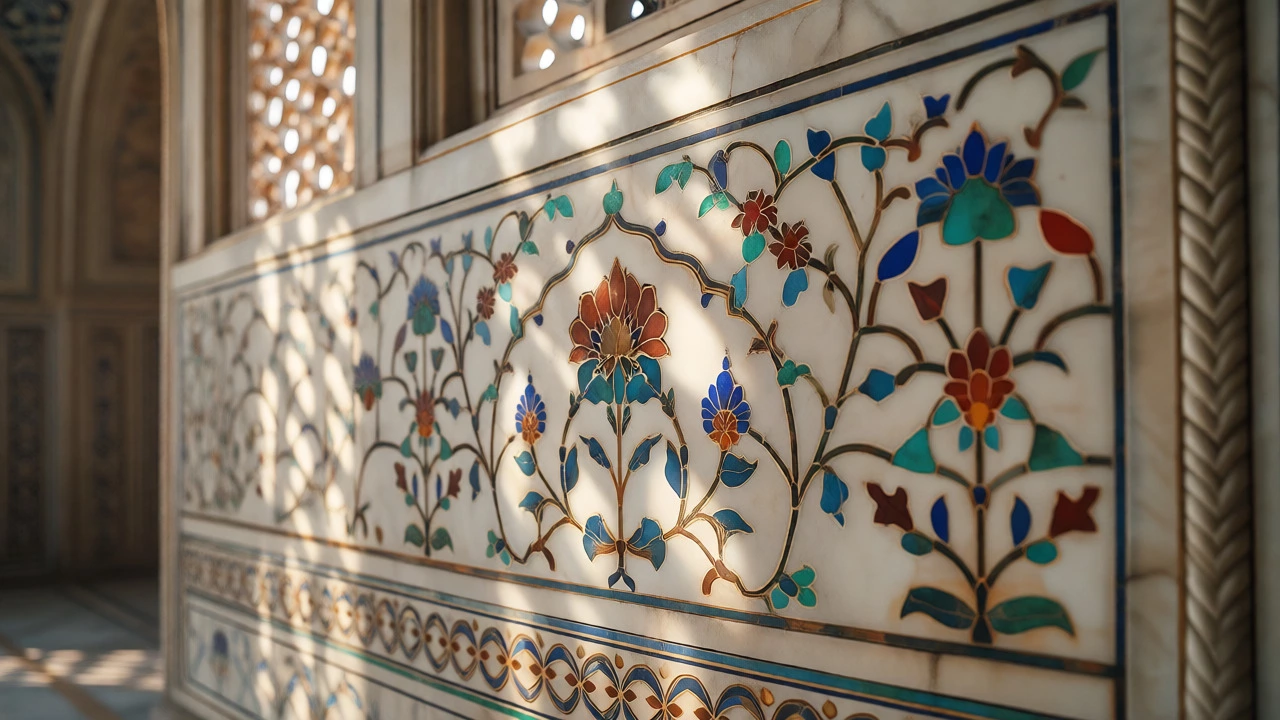
Another myth is that the interior is always open. It isn’t. The central chamber housing the cenotaphs is accessible, but the actual graves lie in a crypt below ground level, rarely open to the public due to preservation concerns. Don’t expect to see the original burial sites unless you arrange special access, which is rare and expensive. Focus instead on the intricate pietra dura work-the inlay technique using semi-precious stones to form floral patterns on the walls. This craftsmanship is where the true value lies, not just in the grand silhouette.
Some argue that Jaipur’s Amber Fort should claim the title due to its popularity among influencers and its proximity to other Rajasthani attractions. Amber Fort is indeed stunning, with its mirror-work halls and elephant rides (though ethical concerns regarding animal welfare have shifted preferences toward jeep safaris). However, Amber Fort is part of a larger circuit of forts. The Taj Mahal stands alone as a singular icon. It doesn’t need context to be understood; it communicates instantly across language barriers. That universal readability is what keeps it at the top of the list.
Maximizing Your Cultural Experience
Don’t treat the visit as a checkbox exercise. Hire a certified guide. Not the touts shouting outside the ticket counters, but licensed professionals who can explain the calligraphy on the gateway or the engineering behind the minarets’ slight outward tilt (designed to fall away from the tomb in case of earthquake). Understanding these details transforms a photo op into a meaningful encounter with history.
Also, consider the broader cultural ecosystem. Agra isn’t just the Taj. The Agra Fort, also a UNESCO site, sits just 2.5 kilometers away. From its ramparts, Shah Jahan allegedly spent his final years gazing at the Taj Mahal he built for his wife. Walking both sites in one day gives you the full narrative arc of the Mughal era in this region. Pair this with local cuisine-try the Petha, a sweet confection unique to Agra-to round out the sensory experience.
Finally, respect the site’s sanctity. It is a tomb, after all. Dress modestly, remove shoes before entering the main platform, and keep noise levels low. The reverence shown by locals often contrasts sharply with the casual behavior of some tourists. Being mindful enhances your own immersion and earns you goodwill from those who live with this landmark daily.
Is the Taj Mahal actually the most visited site in India?
Yes, in terms of international recognition and paid entry tickets, the Taj Mahal consistently ranks as the number one tourist attraction in India. It receives approximately 7-8 million visitors annually, significantly higher than other heritage sites like Red Fort or Qutub Minar, although domestic religious sites like Tirupati Balaji receive far higher footfall but operate differently regarding tourism metrics.
Can I enter the Taj Mahal at night?
Night viewing is possible but restricted. It is only available on five nights each month: the full moon night, two nights before, and two nights after. Tickets must be booked in advance through the Archaeological Survey of India website, and slots fill up quickly. This option allows you to see the monument illuminated by moonlight, a truly magical experience.
Why is the Taj Mahal closed on Fridays?
The closure on Fridays is due to its function as an active Islamic prayer site. The mosque attached to the complex holds congregational prayers on Fridays, requiring the entire premises to be cleared of tourists to accommodate worshippers.
Are drones allowed inside the Taj Mahal complex?
No, drones are strictly prohibited within the Taj Mahal complex without prior permission from the authorities. Unauthorized drone flights can result in heavy fines and confiscation of equipment. This rule helps preserve the tranquility of the site and ensures safety for the large crowds.
How much does it cost to enter the Taj Mahal for foreigners?
As of recent updates, the entry fee for foreign nationals is ₹1,100 (approximately $13 USD). There is an additional charge of ₹200 for accessing the main mausoleum platform. Children under 15 enter free. Prices are subject to change, so checking the official ASI website before visiting is recommended.