Which State Is Famous for Cultural Tourism in India? Top Destinations & Experiences
- Oct, 9 2026
- 0 Comments
- Aaron Blackwood
Cultural Tourism Matcher
Not sure which Indian state fits your vibe? Select your primary interest below to find your perfect destination.
Palaces, forts, ancient temples, and UNESCO sites.
Rajasthan / Tamil NaduGhats, Aarti ceremonies, religious festivals, and meditation.
Uttar Pradesh / OdishaAyurveda, backwaters, slow travel, and green landscapes.
KeralaStreet food, regional specialties, and culinary traditions.
All States (Specialized)Classical dance, textiles, block prints, and folk music.
Rajasthan / Tamil Nadu / KeralaUnderrated gems, tribal culture, and less crowded spots.
OdishaYou want to know which state is famous for cultural tourism in India. The honest answer? There isn't just one. It depends entirely on what kind of culture you’re hunting for. If you want palaces and desert festivals, it’s Rajasthan. If you’re after ancient temples and classical dance, look at Tamil Nadu or Kerala. For spiritual chaos and ghats, Uttar Pradesh wins hands down.
Most travel guides give you a generic list. That’s useless if you have limited vacation days. You need to match the destination to your specific interest. Are you into architecture? Food? Music? Religious rituals? This guide breaks down the top contenders so you can pick the right state without wasting time on mismatched expectations.
The Short Answer: Top States by Cultural Type
Before we dive deep, here is the cheat sheet. Use this table to filter your options immediately.
| State | Primary Cultural Draw | Best Time to Visit | Key Experience |
|---|---|---|---|
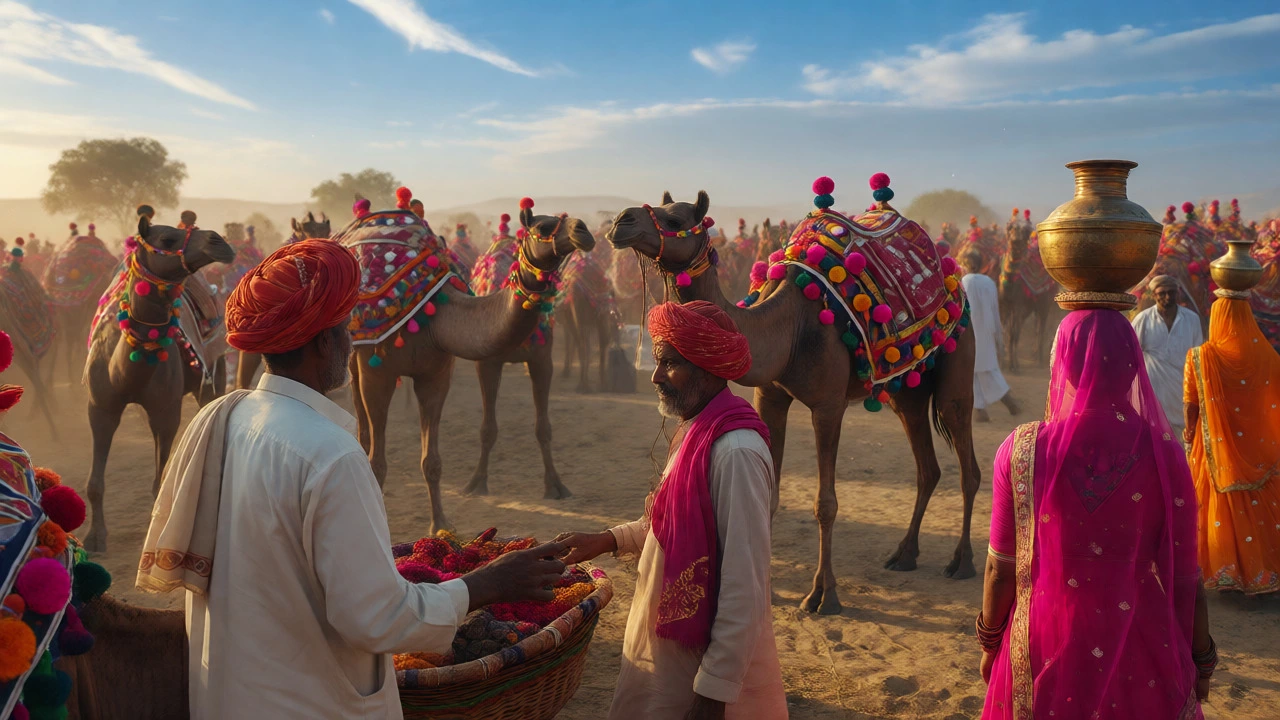
| Rajasthan | Royal Heritage, Folk Art, Desert Life | Oct-Mar | Pushkar Camel Fair or Jaipur Havelis |
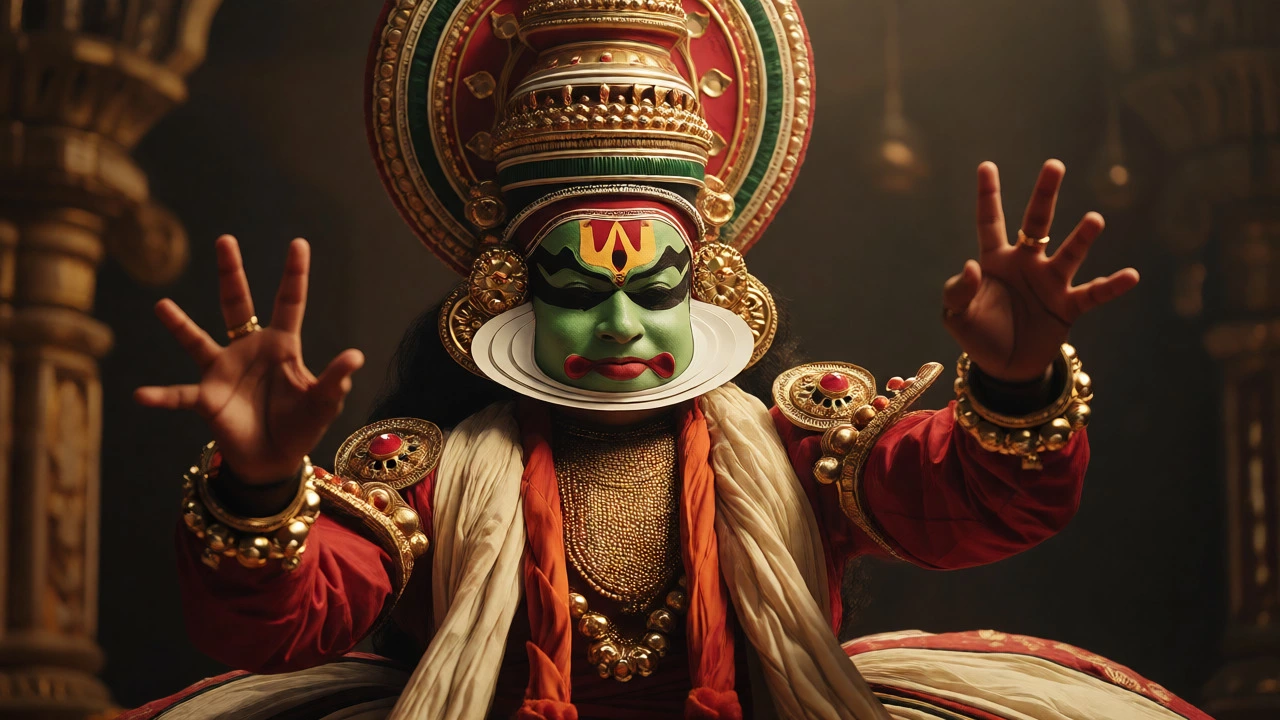
| Kerala | Ayurveda, Kathakali, Backwaters | Sep-Mar | Kathakali Performance in Kochi |
| Tamil Nadu | Dravidian Temples, Classical Dance | Nov-Feb | Brihadishwara Temple in Thanjavur |
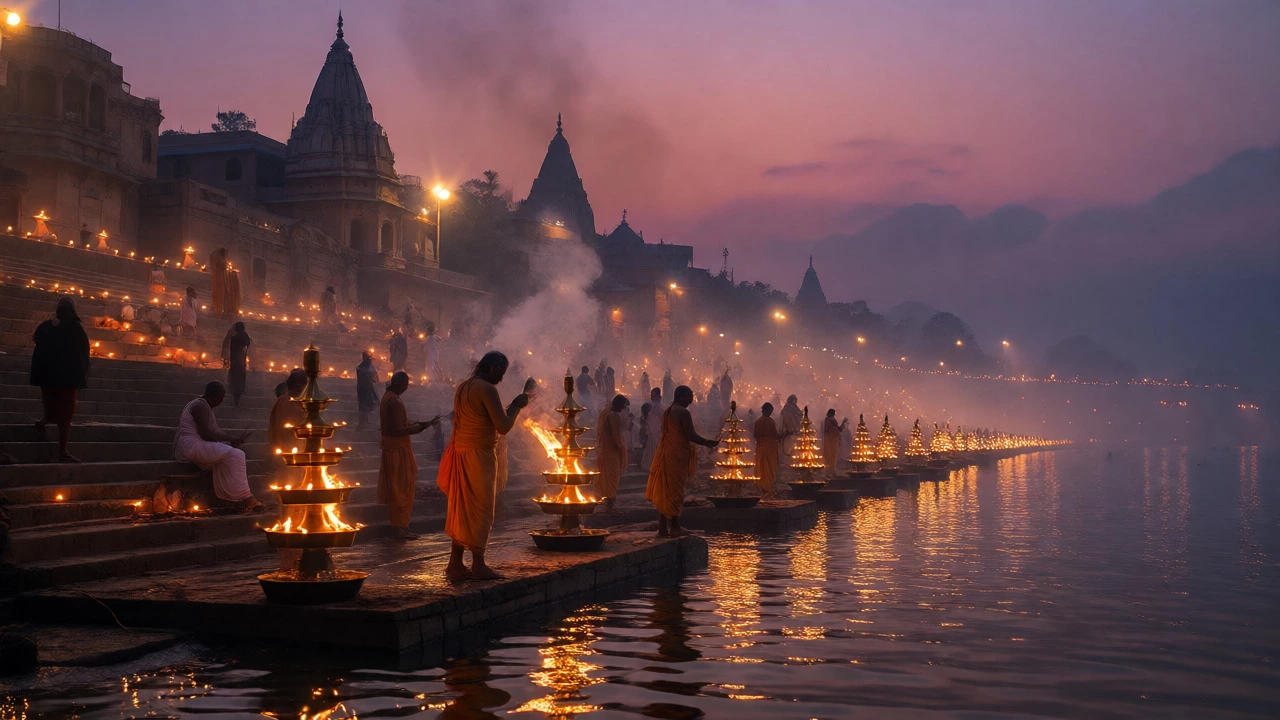
| Uttar Pradesh | Spirituality, Mughal Architecture | Oct-Mar | Ganga Aarti in Varanasi |
| Odisha | Temple Architecture, Tribal Culture | Oct-Feb | Jagannath Puri Rath Yatra |
Rajasthan: The Postcard Image of India
If you ask a foreigner to picture India, they probably imagine Rajasthan. And for good reason. This state holds nearly 10% of India’s UNESCO World Heritage Sites. But it’s not just about the forts. It’s about the living culture within them.
Start in Jaipur, the Pink City. Don’t just visit the Amber Fort; walk through the old city lanes. Watch block printers dyeing fabric in Sanganer. Eat Dal Baati Churma from a street vendor, not a hotel buffet. The culture here is tactile. You touch the sandstone, you taste the ghee, you hear the folk music in Jaisalmer’s desert camps.
Festivals are where Rajasthan shines brightest. The Pushkar Camel Fair isn’t just for tourists; it’s a religious gathering that turns into a carnival. If you visit during October or November, book months in advance. Hotels sell out fast. If you miss it, go to Udaipur during the Gangaur Festival to see women carrying idols of Gauri through the streets. It’s raw, emotional, and visually stunning.
Tamil Nadu: Where History Still Lives
While Rajasthan feels like a museum, Tamil Nadu feels like a living organism. The culture here is deeply rooted in Dravidian traditions that predate many North Indian influences. The star attraction? Temples. Not just any temples-massive, complex structures that function as social hubs.
The Brihadishwara Temple in Thanjavur is a masterpiece of Chola architecture. Built in the 11th century, its vimana (tower) still casts no shadow at noon, according to local legend. Whether that’s true or physics, the engineering is undeniable. Spend a day here. Hire a local guide who speaks Tamil, not just English. They’ll explain the rituals that tourists usually miss.
Culture in Tamil Nadu also means art. Bharatanatyam, one of the oldest classical dance forms, originated here. Catch a performance in Chennai’s Margazhi festival season (December-January). It’s intense. The dancers tell stories through hand gestures called mudras. You don’t need to understand Tamil to feel the emotion. Pair this with a meal served on a banana leaf in Madurai. The food is spicy, fermented, and distinct from North Indian cuisine. Try the Meen Kuzhambu (fish curry) to understand the coastal influence.
Kerala: Slow Travel and Spiritual Wellness
Kerala offers a different pace. If Rajasthan is loud and chaotic, Kerala is green and calm. The culture here revolves around nature, Ayurveda, and community. The backwaters aren’t just scenic; they’re livelihoods. Houseboat stays are popular, but often overrated. Instead, stay in a homestay in Alleppey. Cook with the family. Learn how they process coconut oil. That’s real cultural immersion.
Kathakali is Kerala’s most famous export. Unlike Bharatanatyam, Kathakali involves elaborate makeup and costumes. Performers paint their faces for hours before stepping on stage. Go to Fort Kochi. The Kerala Kathakali Centre puts on nightly shows. It’s touristy, yes, but the craftsmanship is genuine. Afterward, explore Mattancherry. The Jewish Synagogue and Dutch Palace sit side-by-side, showing centuries of trade and tolerance.
Ayurveda is another pillar. It’s not just spa treatments; it’s a medical system. In Kottakkal, you can get authentic consultations. Avoid the resort spas that promise "detox" in three days. Real Ayurvedic treatment takes weeks. If you have time, commit to a proper program. Your body will thank you later.
Uttar Pradesh: The Spiritual Heartbeat
Varanasi divides travelers. Some hate the smell and crowds. Others find it transformative. This is Uttar Pradesh’s cultural core. It’s one of the oldest continuously inhabited cities in the world. The ghats along the Ganges River are stages for daily life and death. You’ll see weddings and cremations happening meters apart. That juxtaposition defines the Hindu worldview here.
Don’t just take a boat ride. Walk the lanes. Talk to the silk weavers in Bhelupura. They create Banarasi saris using techniques passed down for generations. These saris can cost thousands of dollars due to gold thread work. Watching them weave is mesmerizing. It connects you to the economic backbone of the region.
Also, consider Agra. Yes, the Taj Mahal is cliché, but it’s there for a reason. It’s the pinnacle of Mughal architecture. However, skip the long lines by going at sunrise. Then, drive to Fatehpur Sikri, Akbar’s abandoned capital. It’s red sandstone, empty, and hauntingly beautiful. Fewer tourists mean better photos and more space to think.
Odisha: The Underrated Gem
Most people skip Odisha. Big mistake. This state has some of India’s finest temple architecture, untouched by mass tourism. The Konark Sun Temple is a UNESCO site. It’s shaped like a giant chariot with stone wheels that actually tell time. The carvings are erotic, intricate, and massive. Standing before it makes you feel small.
Puri, nearby, hosts the Rath Yatra. Three giant wooden chariots are pulled by millions of devotees. It happens in June or July. If you’re brave enough to handle the heat and crowds, it’s an unforgettable experience. Beyond temples, Odisha has strong tribal cultures in the interior districts like Koraput. Their art, jewelry, and farming methods offer a glimpse into India’s indigenous roots.
How to Choose Your State?
Stop trying to do everything. Pick one state per trip. Here’s a quick decision tree:
- Loves architecture and history? Go to Rajasthan or Tamil Nadu.
- Seeking spiritual depth? Choose Uttar Pradesh or Odisha.
- Want wellness and relaxation? Kerala is your best bet.
- Interested in textiles and crafts? Rajasthan (block prints) or West Bengal (muslin/silk).
Check the calendar. Festivals dictate the vibe. If you visit Jaipur in summer, you’ll suffer in 45°C heat. If you visit Kerala in monsoon, you’ll enjoy lush greens but deal with rain. Plan around the weather and the events.
Practical Tips for Cultural Travelers
Cultural tourism requires respect. Dress modestly, especially in temples. Remove shoes before entering sacred spaces. Ask permission before photographing priests or sadhus. Many expect a small donation.
Hire local guides. Government-approved guides know the stories behind the stones. Unofficial touts might mislead you. In Varanasi, hire a boatman who knows the history, not just the route. In Jaipur, use a rickshaw driver who lives in the old city, not a taxi app driver.
Eat local. Street food is safe if you choose busy stalls with high turnover. Avoid ice in drinks unless you’re sure it’s filtered water. Try regional specialties. Don’t order butter chicken in Kerala; eat fish moilee instead. Authenticity lies in the details.
Is Rajasthan safe for solo female travelers?
Yes, generally. Cities like Jaipur and Udaipur are well-trodden paths. Stick to reputable guesthouses and avoid isolated areas at night. Dress conservatively to reduce unwanted attention. Using apps like Uber helps navigate safely.
What is the cheapest state for cultural tourism in India?
Bihar and Odisha are often cheaper than Rajasthan or Kerala. Accommodation and food costs are lower. However, infrastructure may be less developed. Budget around $20-$30 per day for basic comfort in these regions.
Do I need a guide for temple visits in South India?
Not mandatory, but highly recommended. Guides explain architectural features and ritual significance that signage misses. They also help navigate dress codes and photography rules. Cost is usually reasonable, around $10-$15 for a few hours.
Which state has the best food for cultural tourists?
This is subjective, but Kerala and Punjab are top contenders. Kerala offers diverse seafood and vegetarian options with unique spices. Punjab provides hearty, rich meals reflecting agricultural abundance. Both integrate food deeply into social and religious practices.
Can I combine two states in one trip?
Yes, if they are close. Delhi-Agra-Jaipur is a classic triangle covering UP and Rajasthan. Kerala-Tamil Nadu works well via road or train. Avoid combining distant states like Kashmir and Kerala unless you have 10+ days, as travel time eats into cultural exploration.