Bali vs Maldives: Which Island Paradise Fits Your Budget and Vibe?
- Oct, 27 2026
- 0 Comments
- Aaron Blackwood
Bali vs Maldives: Travel Matcher
Answer these questions to find out which Indian Ocean destination fits your next trip best.
Bali
Calculating...
- ✓ Affordable Luxury
- ✓ Rich Culture & Food
- ✓ Easy Logistics
Maldives
Calculating...
- ✓ Seclusion & Privacy
- ✓ World-Class Reefs
- ✓ High-End Service
Recommendation Summary
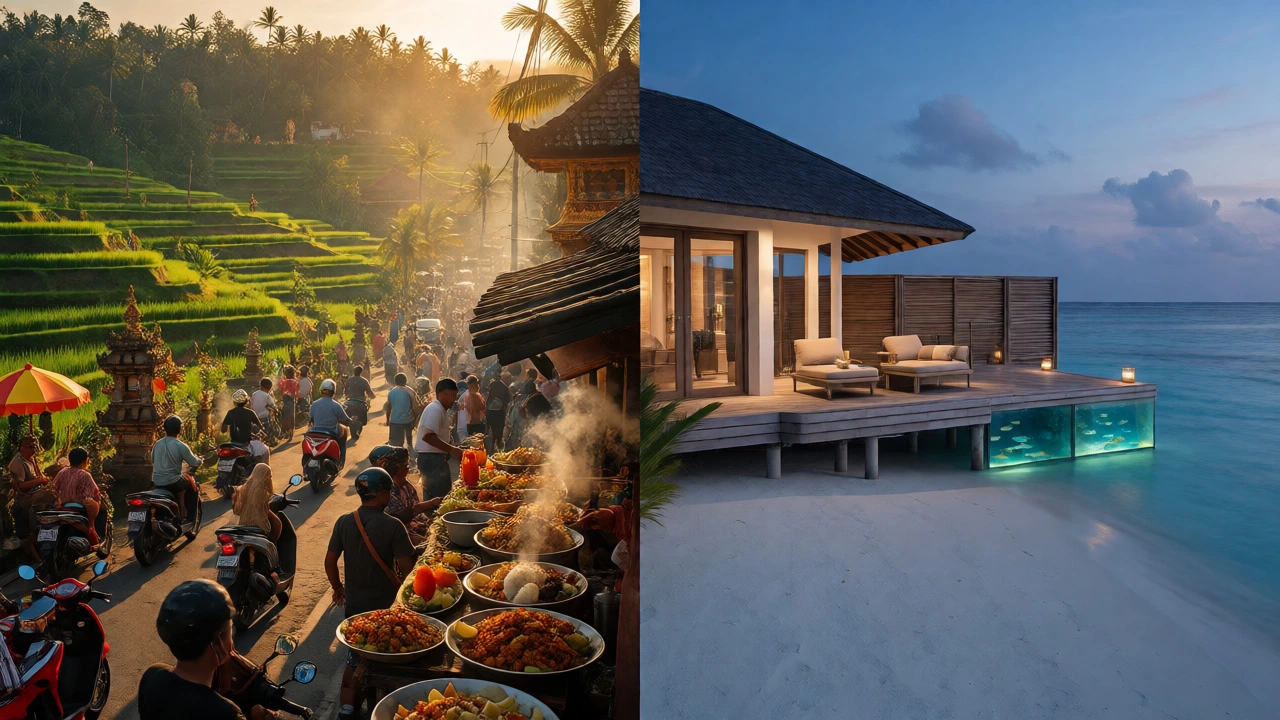
You’re standing on the edge of a decision that haunts every traveler planning an Indian Ocean escape. On one hand, you have Bali, an Indonesian island known for its lush rice terraces, vibrant Hindu culture, and affordable luxury. On the other, there’s Maldives, a tropical nation in the Indian Ocean comprising 26 atolls and over 1,000 coral islands, famous for private water villas and exclusive seclusion. Both promise turquoise waters and white sand. But they deliver completely different experiences. One is a cultural adventure with a backpacker-friendly price tag; the other is a high-end relaxation machine where your biggest worry is which shade of blue to swim in.
If you’re from India or looking for a nearby beach getaway, this comparison isn’t just about scenery. It’s about logistics, cost, and what kind of memories you want to bring home. Let’s break down the real differences so you can stop scrolling through Instagram and start booking.
The Core Difference: Culture vs. Seclusion
Here is the blunt truth: Bali is alive, while the Maldives is quiet. If you love bustling markets, temple ceremonies, and chaotic traffic, Bali is your spot. The island pulses with energy. You wake up to incense burning in local shrines, spend your day surfing in Canggu, and end your night eating Nasi Goreng at a warung (local eatery) for under $3. The culture here is tangible. You interact with locals daily. Their hospitality is warm, but it’s also part of their livelihood.
| Feature | Bali | Maldives |
|---|---|---|
| Primary Vibe | Cultural immersion, active, social | Relaxation, privacy, romantic |
| Average Daily Cost | $50 - $150 USD | $400 - $1,500+ USD |
| Best For | Solo travelers, families, digital nomads | Honeymooners, couples, luxury seekers |
| Transport | Easy flights, cheap taxis, scooters | Seaplanes or speedboats (expensive) |
| Food Variety | Endless street food and restaurants | Resort dining (high markup) |
In contrast, the Maldives is designed to isolate you. Most resorts sit on their own private island. You don’t see many locals unless you visit the capital, Male, which feels more like a crowded city than a paradise. The experience is curated. You stay in a villa over the water, step off your deck into the lagoon, and eat at three-course meals included in your package. There are no traffic jams. No haggling. Just silence and the sound of waves. If you crave solitude and don’t want to think about logistics, the Maldives wins easily.
Cost Breakdown: Where Does Your Money Go?
This is usually the deciding factor. Bali is famously affordable. You can find decent guesthouses for $20 a night. A meal at a nice restaurant costs $10-$15. Even luxury villas with pools are significantly cheaper than comparable options in the Maldives. For a week-long trip, a couple might spend $1,500 total if they’re careful, or $3,000 if they’re living large.
The Maldives hits your wallet differently. Flights to Velana International Airport are often pricier than those to Denpasar, Bali. Then comes the transfer. Once you land, you can’t just take a bus. You need a seaplane or a speedboat to reach your resort island. These transfers can cost $200-$500 per person, round trip. Add in the resort rates-often starting at $500 per night for basic rooms-and the bill balloons quickly. Food is another hidden cost. Since most resorts are isolated, you eat there. A simple beer can cost $10. A dinner might run $80 per person. Unless you book an all-inclusive package, expect to pay premium prices for convenience.
For Indian travelers, currency exchange matters too. The Indonesian Rupiah has been relatively stable, making Bali a great value destination. The Maldivian Rufiyaa is pegged to the US Dollar, meaning if the dollar is strong, your trip gets expensive fast. Always check current exchange rates before booking.
Activities: What Will You Actually Do?
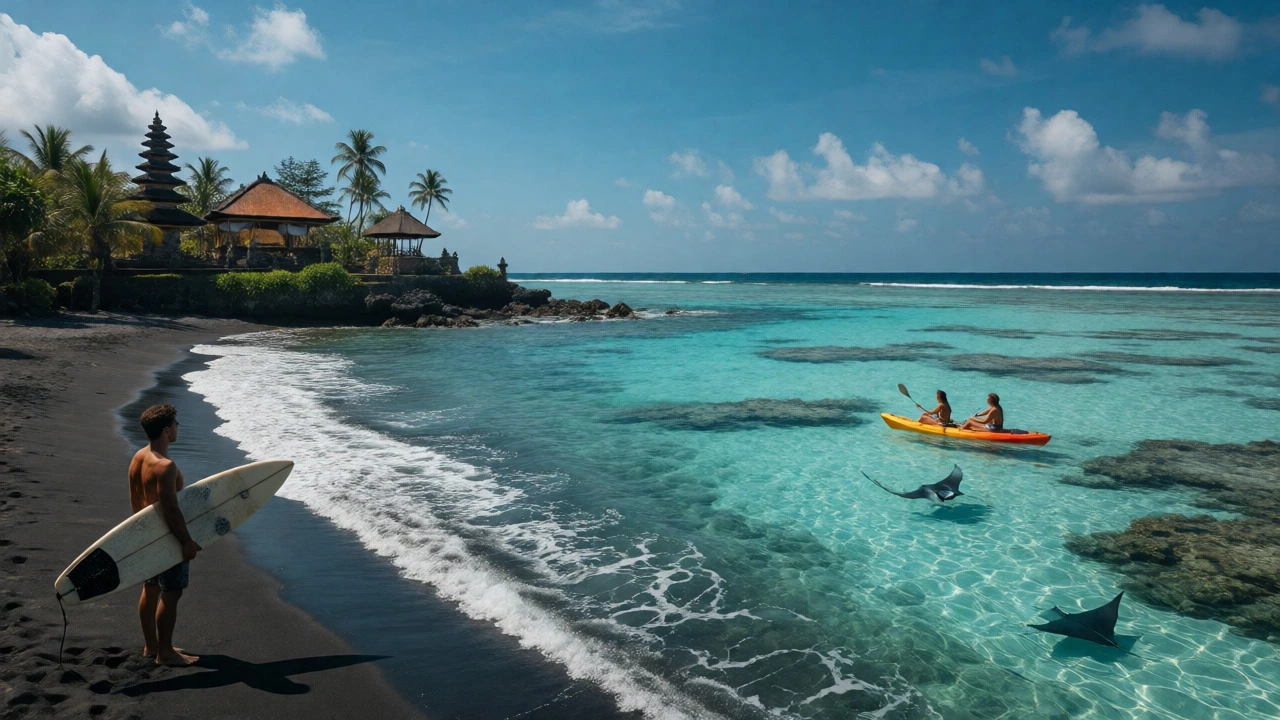
If you get bored sitting still, the Maldives will test your patience. Activities revolve around the ocean. Snorkeling is world-class because the house reefs are right outside your door. Scuba diving reveals manta rays and whale sharks, particularly in places like Hanifaru Bay. But once you’ve done those, what’s next? Spa treatments? Reading by the pool? That’s perfect if you want rest. It’s terrible if you want action.
Bali offers variety. In the morning, you can hike Mount Batur to catch the sunrise above the clouds. By noon, you’re exploring the Ubud Monkey Forest or shopping for handicrafts in Seminyak. Afternoon brings surfing lessons at Kuta Beach or yoga classes in Canggu. Evening entertainment includes traditional Kecak dance performances or beach clubs with DJs. You never run out of things to do because the island is large and diverse. The north is quieter and volcanic; the south is party-heavy and touristy. You can change your entire vacation vibe just by moving towns.
Water sports differ too. Bali has surf schools everywhere. The waves are consistent but not always pristine due to crowds. The Maldives has calmer lagoons, ideal for kayaking, paddleboarding, and swimming with turtles. The water clarity in the Maldives is generally superior because there’s less runoff from land. If underwater visibility is your top priority, the Maldives takes the crown.
Accommodation Styles: Villas vs. Overwater Bungalows
Let’s talk beds. In Bali, accommodation ranges from hostels to five-star resorts. You’ll find boutique hotels with infinity pools overlooking rice paddies. These offer great photos without breaking the bank. Many places include breakfast and airport transfers. The design often blends modern amenities with traditional Balinese architecture-open-air bathrooms, stone carvings, and wooden floors.
The Maldives is synonymous with overwater bungalows. Staying in one means sleeping above the sea, watching fish swim beneath glass floor panels. It’s iconic for a reason. However, these rooms come at a steep premium. Beachfront villas are slightly cheaper but lack the novelty. Some resorts offer "all-inclusive" plans covering meals, drinks, and activities. This simplifies budgeting but limits flexibility. You’re locked into their schedule and menu. In Bali, you can hop between ten different cafes in a day. In the Maldives, you’re stuck with the resort’s buffet unless you pay extra for à la carte dining.
Families should note safety considerations. Overwater villas require supervision for young children who might fall off the deck. Railings help, but toddlers are curious. Bali’s beachfront hotels often have fenced pools and easier access to shallow waters, making them more family-friendly. Plus, babysitting services are common and affordable in Bali, whereas they’re rare and costly in remote Maldivian resorts.
Logistics and Accessibility from India
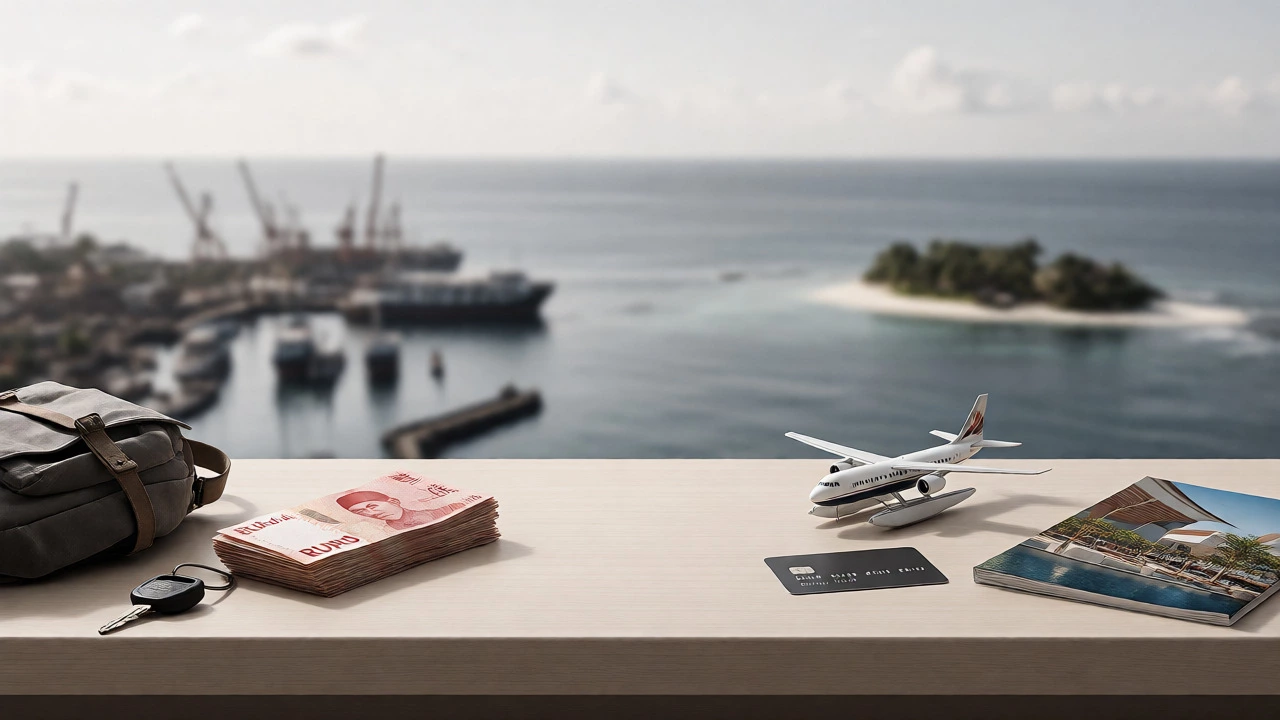
Getting there impacts your experience. Flights from major Indian cities like Mumbai, Delhi, or Bangalore to Bali usually involve a short layover in Singapore or Kuala Lumpur, or direct flights during peak seasons. Total travel time is roughly 8-10 hours. Immigration is straightforward, and e-visas are available online.
Flights to the Maldives are also accessible from India, often via Colombo or Dubai. Travel times are similar. However, the internal logistics in the Maldives add stress. Missing a seaplane connection can ruin your first day. Weather delays happen frequently. In Bali, you land in Denpasar, grab a taxi, and you’re at your hotel within two hours. No complex transfers. No waiting for boats. For solo travelers or those with tight schedules, Bali’s simplicity is a huge plus.
Language barriers exist in both places, but English is widely spoken in tourist areas of both destinations. In Bali, you’ll hear Bahasa Indonesia mixed with English. In the Maldives, Dhivehi is the native language, but staff in resorts speak fluent English. Neither should pose a significant communication hurdle.
Which One Should You Pick?
Choose Bali if you want an adventure-rich, culturally immersive holiday on a moderate budget. It’s perfect for first-time international travelers, digital nomads looking to work remotely, and families wanting varied activities. You’ll leave with stories about temples, monkeys, and amazing food.
Choose the Maldives if you seek ultimate relaxation, privacy, and luxury. It’s ideal for honeymoons, anniversaries, or anyone needing a digital detox. You’ll leave feeling rested, sun-kissed, and possibly a bit lighter in the wallet. The experience is uniform and polished, lacking the chaos of Bali but offering unparalleled tranquility.
Don’t try to split the difference. Doing half in each location adds unnecessary travel fatigue. Pick one based on your primary goal: exploration or escape.
Is Bali safer than the Maldives for solo female travelers?
Both are generally safe, but they present different risks. Bali has petty theft and scooter accidents as main concerns. Solo women should be cautious with drink spiking in nightlife areas. The Maldives is extremely safe regarding crime due to isolation, but medical facilities are limited outside Male. For solo travel, Bali offers more social opportunities and support networks, while the Maldives offers solitude but requires self-reliance.
Can I use Indian Rupees in Bali or the Maldives?
No, neither country accepts Indian Rupees directly. In Bali, you must use Indonesian Rupiah (IDR). In the Maldives, the official currency is the Maldivian Rufiyaa (MVR), though US Dollars are widely accepted in resorts. Always carry USD cash for tips and small purchases in the Maldives, as credit card acceptance can be spotty on smaller islands.
Which destination is better for scuba diving beginners?
The Maldives is generally better for beginners due to calm, clear waters and abundant marine life close to shore. Visibility is consistently high year-round. Bali has good dive sites, such as Tulamben, but conditions can vary with currents and weather. Beginners might find the Maldives' protected lagoons less intimidating than Bali's open ocean dives.
Do I need vaccinations for Bali or the Maldives?
Standard travel vaccines (Hepatitis A/B, Typhoid) are recommended for both. Malaria risk is low in urban Bali but exists in rural areas; the Maldives is largely malaria-free. Dengue fever is a concern in both, especially during rainy seasons. Consult a travel doctor four weeks before departure for personalized advice and prescription medications.
Which place has better vegetarian food options for Indians?
Bali is far superior for vegetarians. Indonesian cuisine features tofu, tempeh, vegetables, and rice extensively. Many restaurants clearly label vegetarian dishes. In the Maldives, most resorts serve international buffets with some vegetarian options, but strict Jain or pure vegetarian diets can be challenging to maintain outside of specific Indian restaurants in Male. Bali offers authentic South Indian and North Indian eateries in tourist hubs.