Best Extreme Sports in India: A Guide for Adrenaline Seekers
- Aug, 18 2026
- 0 Comments
- Aaron Blackwood
🏔️ Extreme Sport Matchmaker
Answer a few questions to find which adrenaline-pumping activity suits you best in India.
Fill out the form to see results
There is no single "best" extreme sport. The right choice depends on what kind of thrill you chase: the silence of a high-altitude glide, the roar of white water, or the weightless freedom of deep blue. In India is a country with diverse terrains ranging from the Himalayas to the Indian Ocean, offering world-class opportunities for extreme sports enthusiasts. Whether you prefer speed, height, or depth, the subcontinent has a specific discipline that matches your adrenaline threshold.
Key Takeaways
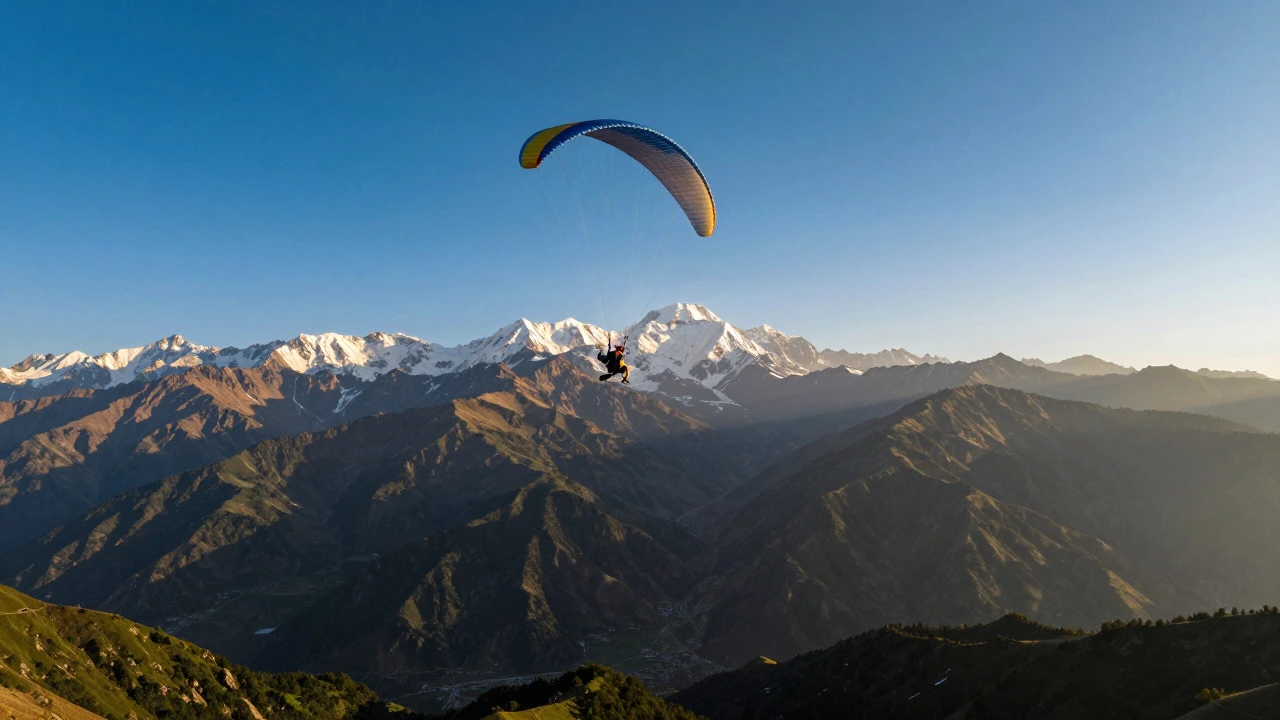
- Paragliding in Bir Billing is ideal for beginners and offers stunning views of the Dhauladhar range.
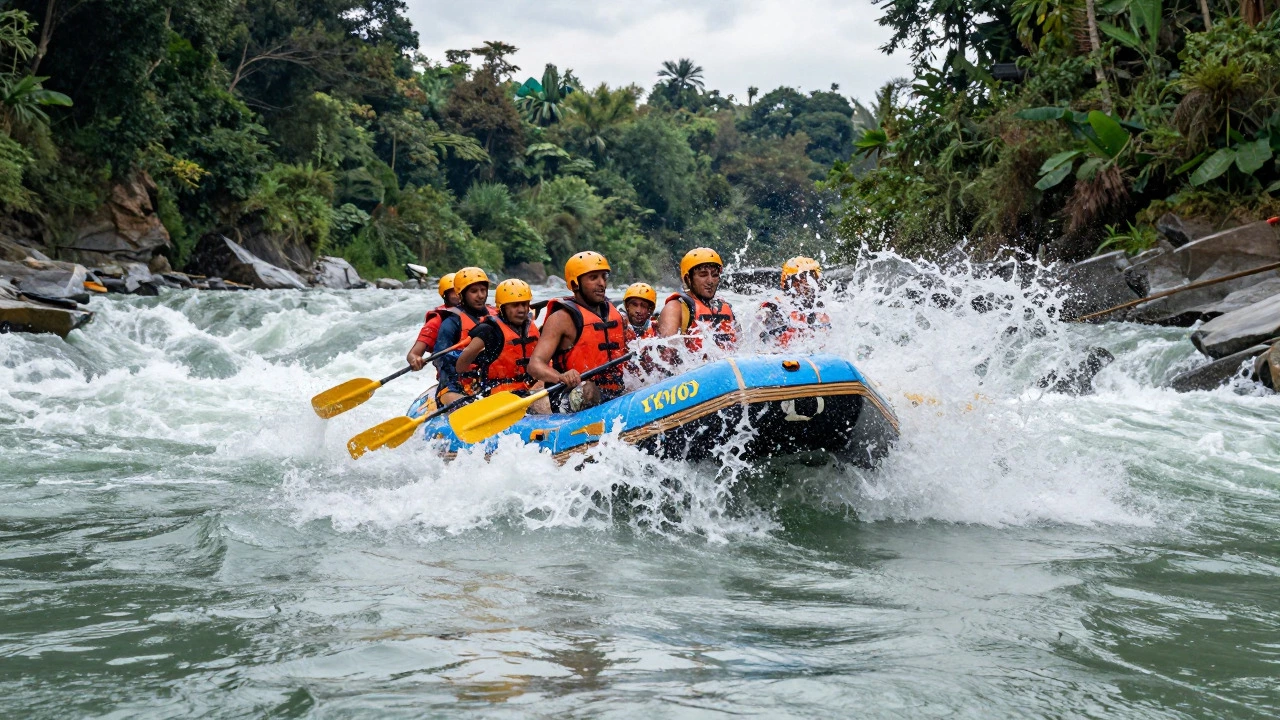
- River Rafting on the Ganges (Rishikesh) provides accessible, high-energy whitewater experiences.
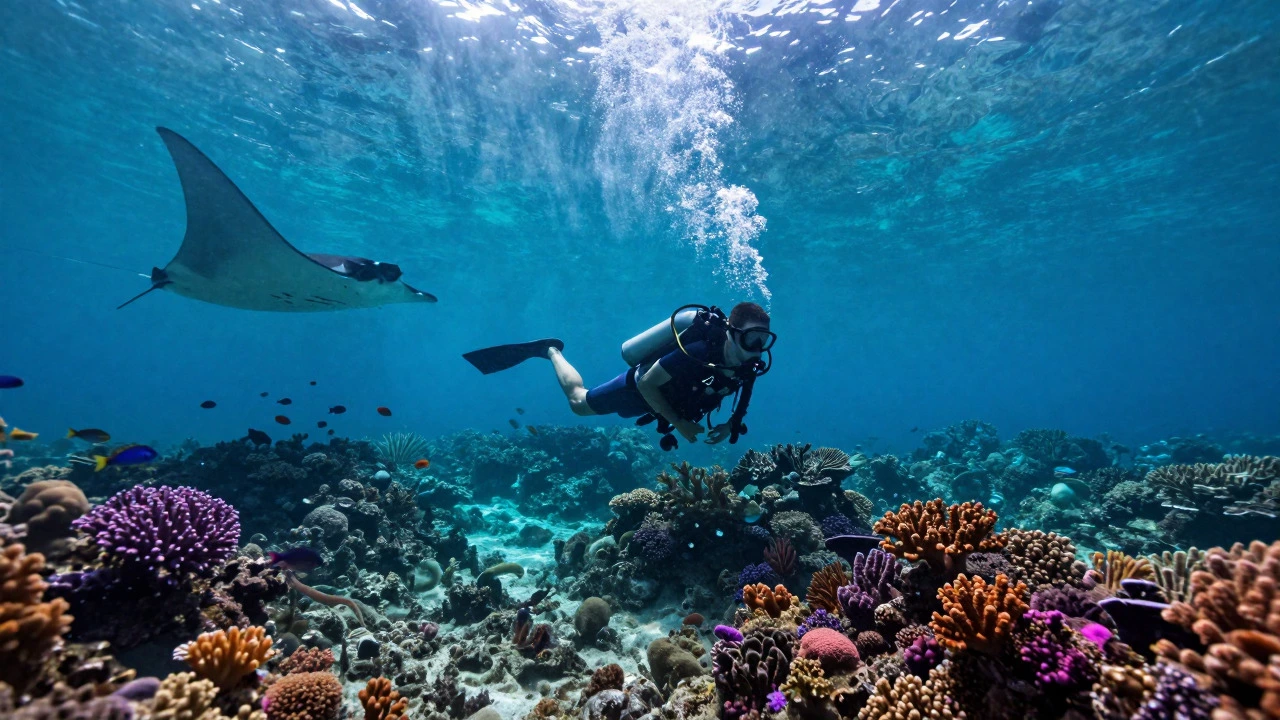
- Scuba Diving in Andaman Islands offers unique underwater biodiversity not found elsewhere in Asia.
- Trekking in Ladakh combines physical endurance with extreme altitude challenges.
- Safety gear and certified guides are non-negotiable for any extreme activity in remote areas.
The Airborne Thrill: Paragliding and Skydiving
If you want to feel like you're flying without a cockpit, Paragliding is an extreme sport involving the use of a lightweight, free-flying glider to fly through the air. The go-to destination in India is Bir Billing in Himachal Pradesh. Located at an elevation of 8,000 feet, it hosts one of the largest paragliding festivals in the world annually. The launch site offers a gentle slope for beginners, while experienced pilots can soar for hours using thermal updrafts.
For those who want more intensity, Skydiving is a sport where participants jump from an aircraft and freefall before deploying a parachute. While less common than paragliding, skydiving operations have started in places like Bangalore and Goa. The difference is stark: paragliding is about riding the wind; skydiving is about conquering gravity. If you fear heights but love speed, paragliding is the smoother entry point. If you want pure adrenaline, skydiving delivers a 30-second freefall at 120 mph that redefines your perspective on risk.
Conquering the Waters: River Rafting and Scuba Diving
Water-based extreme sports split into two categories: surface chaos and deep-sea exploration. River Rafting is a recreational form of white water rafting, usually done on rivers with varying degrees of difficulty. Rishikesh in Uttarakhand is the capital of this sport. The Alaknanda and Ganga rivers offer Class II to Class V rapids. For a first-timer, the Shiva Ganga stretch near Rishikesh is perfect-manageable waves and strong currents. For veterans, the Bhagirathi river near Gangotri presents technical challenges requiring precise paddling techniques.
On the other end of the spectrum lies Scuba Diving, which is a method of underwater breathing using self-contained underwater breathing apparatus. The Andaman Islands, particularly Havelock Island, offer some of the best dive sites in South Asia. You can swim alongside whale sharks, manta rays, and vibrant coral reefs. Unlike rafting, diving requires certification (PADI Open Water is the standard). It’s a slower, meditative extreme sport where the danger comes from pressure changes and marine life, not just speed. If you prefer quiet concentration over loud splashing, diving is your match.
Land-Based Endurance: Trekking and Rock Climbing
Not all extreme sports involve machines or water. Sometimes, the most extreme challenge is your own body against nature. High-Altitude Trekking is a multi-day hiking journey in mountainous regions, often above 10,000 feet. The Markha Valley trek in Ladakh is a prime example. You traverse barren landscapes, cross high passes like Kongmaru La (5,440 meters), and sleep in basic guesthouses. The extreme factor here is hypoxia-low oxygen levels at high altitudes. It tests mental resilience as much as physical strength.
For vertical adventurers, Rock Climbing is the act of climbing up, down, or across natural rock formations. Places like Kullu Valley in Himachal Pradesh and the Western Ghats in Kerala offer both bouldering and top-rope climbing. Bouldering, specifically, involves short, intense climbs without ropes, relying on crash pads for safety. It’s a pure test of strength and problem-solving. Each route is a puzzle; solve it, and you’ve conquered a piece of the mountain.
Comparing Top Extreme Sports in India
Choosing Your Path: Factors to Consider
Selecting the "best" sport isn't just about popularity; it's about matching the activity to your personal constraints. First, consider physical fitness. Paragliding requires minimal strength, while trekking demands cardiovascular endurance. Second, think about time commitment. A tandem paraglide takes 30 minutes; a Ladakh trek takes 7-10 days. Third, evaluate risk tolerance. Rafting has visible risks (waves, rocks); diving has hidden risks (pressure, equipment failure). Understand what scares you most and choose accordingly-or avoid it if you’re not ready.
Logistics also play a huge role. Access to Bir Billing is easier than reaching remote trekking trails in Ladakh. Weather windows are critical: monsoon season (July-September) makes many Himalayan treks dangerous due to landslides, while it opens up river rafting seasons. Always check local conditions before booking.
Safety and Certification: The Non-Negotiables
In extreme sports, safety gear is not optional. For paragliding, ensure your harness meets EN926 standards. For rafting, wear a properly fitted PFD (Personal Flotation Device) and helmet. For diving, verify that your tank and regulator have been serviced within the last six months. More importantly, hire certified operators. In India, look for associations like the Indian Mountaineering Foundation for trekking or PADI centers for diving. Unlicensed operators may cut corners on maintenance, increasing accident risk significantly. Ask questions: How many years have they been operating? What is their accident record? Do they carry insurance?
Frequently Asked Questions
What is the safest extreme sport for beginners in India?
Paragliding in Bir Billing is widely considered the safest entry point. Tandem flights are controlled by professional pilots, and the launch sites are designed for stability. River rafting is also beginner-friendly if you choose Class II or III rapids in Rishikesh.
Do I need prior experience for scuba diving in Andaman?
Yes, you typically need a PADI Open Water certification. However, many dive centers offer Discover Scuba Diving programs where you can try diving under supervision without full certification. This is a great way to test the waters before committing to training.
Which month is best for extreme sports in the Himalayas?
October to March is the peak season for paragliding and trekking in Himachal Pradesh and Ladakh. The weather is dry, skies are clear, and thermals are stable. Avoid July and August due to heavy monsoon rains and potential landslides.
How much does it cost to do multiple extreme sports in India?
A budget-conscious traveler can spend $150-$200 on a combination of paragliding and rafting. Adding scuba diving or a multi-day trek will increase costs significantly. Lodging and transport between locations add another $50-$100 per day depending on comfort level.
Are there extreme sports available in South India?
Yes. While North India dominates mountain sports, South India offers water-based extremes. Scuba diving in Andaman, kayaking in Kerala backwaters, and rock climbing in the Western Ghats are popular. Goa also has jet skiing and parasailing options for beach-goers.