Best Month for Char Dham Yatra: Timing Your Himalayan Pilgrimage in 2026
- Jul, 10 2026
- 0 Comments
- Aaron Blackwood
Char Dham Yatra Month Selector
Select a month below to see detailed insights on weather conditions, crowd density, and road safety risks.
Select a Month
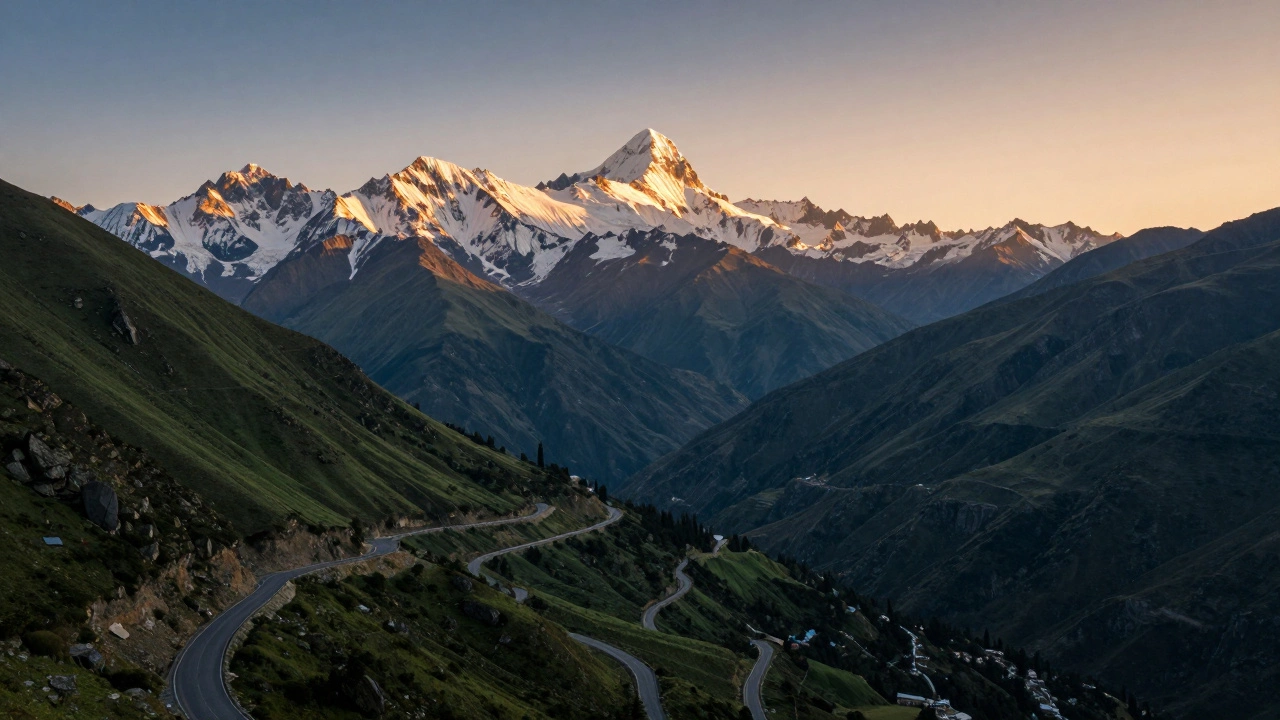
--Imagine standing at the base of the snow-capped Himalayas, ready to embark on a spiritual journey that millions undertake every year. The Char Dham Yatra is a sacred pilgrimage circuit in Uttarakhand, India, covering four major temples located in the Garhwal Himalayas. This ancient route connects Yamunotri, Gangotri, Kedarnath, and Badrinath.
The big question isn't just *if* you should go, but *when*. These high-altitude shrines are not open all year round. They close during the harsh winter months due to heavy snowfall and reopen only when the weather permits. So, which month offers the perfect balance of accessibility, comfort, and spiritual atmosphere? Let's break down the timeline so you can plan your trip with confidence.
Understanding the Seasonal Window
The Char Dham Yatra operates within a specific seasonal window, typically from late April or early May until October or November. Outside this period, the roads are blocked by snow, and the temples remain shut. Understanding this cycle is crucial because it dictates everything from ticket availability to crowd density.
The season is generally divided into three phases:
- Early Season (May - June): The temples have just opened. The weather is pleasant, but some facilities might still be setting up.
- Peak Season (July - September): Monsoon rains hit the region. While lush and green, this period brings risks like landslides and road closures.
- Late Season (October - November): The post-monsoon clarity returns. Days are crisp, crowds thin out, but nights get cold.
May and June: The Ideal Start
If you ask most seasoned travelers and priests, they will point to May and June as the prime time for the Char Dham Yatra. Here’s why this period stands out.
Yamunotri is the first temple in the circuit, dedicated to Goddess Yamuna, located at an altitude of 3,293 meters. In May, the snow has melted enough for the trek to become safe, but the air is still fresh and clean. You’ll find fewer crowds compared to later months, allowing for a more serene darshan (viewing of the deity).
Similarly, Gangotri is the source of the Ganges River, situated at 3,100 meters above sea level. During these months, the river flows vigorously, and the surrounding meadows are blooming with wildflowers. The temperature ranges between 15°C to 25°C during the day, making it comfortable for walking and exploring.
However, keep in mind that accommodation prices start rising in June as demand increases. Booking well in advance is essential if you plan to travel during this window.
July to September: Navigating the Monsoon
The monsoon season transforms the Himalayas into a lush green paradise, but it also introduces significant challenges. From July to mid-September, heavy rainfall can lead to landslides, blocking key roads connecting Haridwar/Rishikesh to the temples.
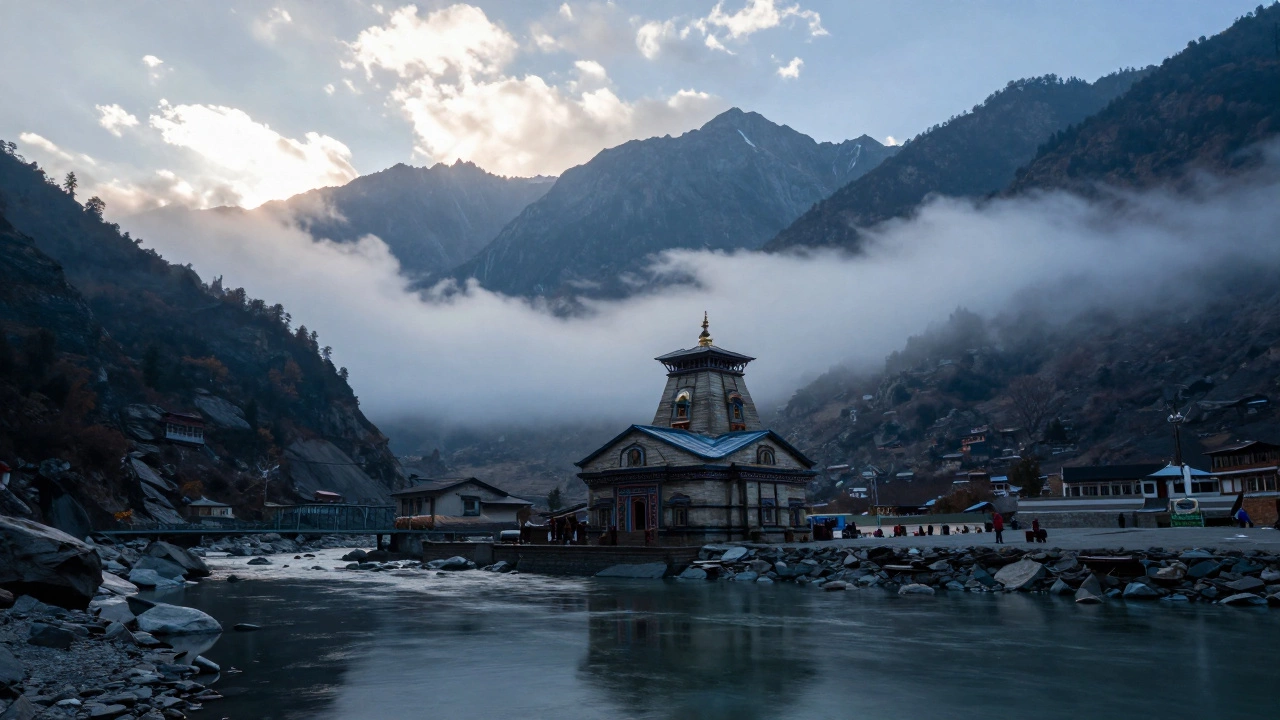
Kedarnath is one of the twelve Jyotirlingas, dedicated to Lord Shiva, located at 3,583 meters. The trek to Kedarnath involves steep paths that become slippery and dangerous during rain. Many pilgrims report delays of several days due to roadblocks.
Despite the risks, there are advantages. The landscape is breathtakingly beautiful, with waterfalls in full flow and misty clouds adding a mystical aura. If you are an experienced traveler who doesn’t mind potential disruptions, this period offers a unique experience. Just ensure you have flexible dates and travel insurance.
October and November: The Quiet Finale
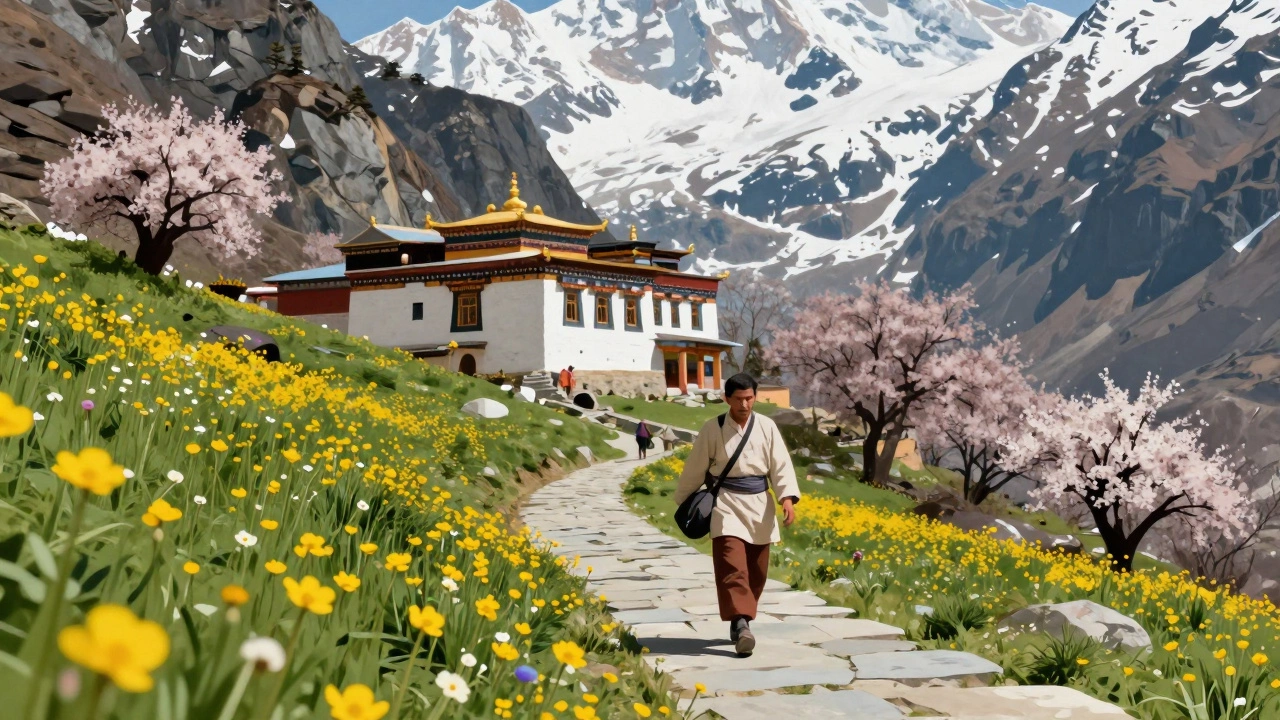
As the monsoon recedes, October emerges as another excellent time for the yatra. The skies clear up, offering stunning views of the peaks. The air is cool and refreshing, perfect for meditation and reflection.
Badrinath is a revered shrine dedicated to Lord Vishnu, located at 3,133 meters. In October, the temple sees a steady stream of devotees, but the overwhelming crowds of summer are gone. This makes it easier to secure a spot near the sanctum sanctorum.
By November, temperatures drop significantly, especially at night. Frost may form on the ground, and some services begin winding down in preparation for the winter closure. If you choose this time, pack warm clothing and be prepared for chilly evenings.
| Month | Weather Condition | Crowd Level | Road Safety | Best For |
|---|---|---|---|---|
| May | Pleasant, mild | Low to Moderate | Good | Serene experience, photography |
| June | Warm days, cool nights | Moderate to High | Good | Balanced itinerary |
| July-August | Rainy, humid | High | Poor (landslide risk) | Nature lovers, flexible schedules |
| September | Post-monsoon, clearing skies | Moderate | Improving | Scenic beauty, fewer delays |
| October | Cool, crisp | Low | Excellent | Peaceful darshan, clear views |
| November | Cold, frosty nights | Very Low | Good (until closure) | Introspective travel, budget stays |
Planning Your Route: Order Matters
The traditional order of the Char Dham Yatra is Yamunotri → Gangotri → Kedarnath → Badrinath. However, logistical constraints often influence the actual sequence. Most pilgrims start from Haridwar or Rishikesh, which serve as the gateway cities.
Starting with Yamunotri makes sense geographically as it is the closest to the entry points. From there, you move westward to Gangotri, then north to Kedarnath, and finally east to Badrinath. This loop minimizes backtracking and ensures efficient use of time.
Keep in mind that each leg of the journey requires physical endurance. The treks vary in length and difficulty. For instance, the Yamunotri trek is about 6 kilometers one way, while Kedarnath involves a 16-kilometer trek unless you opt for helicopter services.
Health and Fitness Considerations
Altitude sickness is a real concern when visiting places above 3,000 meters. Symptoms include headache, nausea, dizziness, and shortness of breath. To mitigate these risks:
- Acclimatize properly by spending a night in Mussoorie or Devprayag before ascending further.
- Stay hydrated and avoid alcohol or heavy meals upon arrival.
- Carry prescribed medications like Diamox if recommended by your doctor.
- Listen to your body-if symptoms worsen, descend immediately.
Physical fitness also plays a role. While you don’t need to be an athlete, basic stamina helps. Regular walking exercises and breathing techniques can prepare you for the terrain.
Accommodation and Logistics
During peak seasons, finding decent accommodation near the temples can be challenging. Government-run guesthouses and private dharamshalas offer basic amenities, but luxury options are limited. Booking through official portals or trusted agencies is advisable.
Transportation is another critical factor. Shared jeeps and buses operate regularly, but private cabs provide flexibility and comfort. Helicopter services are available for Kedarnath and Badrinath, reducing travel time significantly. However, these flights are subject to weather conditions and require prior registration.
Final Thoughts on Timing
So, which month is truly better for Char Dham Yatra? If you prioritize safety, comfort, and manageable crowds, aim for May or October. These months strike the right balance between favorable weather and spiritual ambiance. Avoid the peak monsoon unless you’re prepared for uncertainties.
Remember, the essence of the yatra lies not just in reaching the destinations but in embracing the journey itself. Whether you choose the vibrant spring or the tranquil autumn, let your heart guide your steps toward divine connection.
What happens if I miss the Char Dham Yatra season?
If you miss the main season, you can visit alternative shrines such as the Panch Kedar temples or participate in virtual darshans offered by many trusts. Some pilgrims also choose to perform rituals at local temples dedicated to the same deities.
Can elderly people undertake the Char Dham Yatra?
Yes, but with precautions. Elderly individuals should consult their doctors beforehand, consider helicopter services for difficult treks, and hire porters or palanquins where permitted. Staying hydrated and resting frequently is crucial.
How long does the entire Char Dham Yatra take?
Typically, the yatra takes 7 to 10 days depending on pace and mode of transport. Including travel to/from Haridwar/Rishikesh, plan for around 12 to 14 days total.
Are there any restrictions on mobile phones inside the temples?
Mobile phone usage is generally discouraged inside the sanctums out of respect. Storage lockers are usually available outside the temple premises. Always follow instructions from temple authorities.
Is it safe to travel alone for the Char Dham Yatra?
While possible, traveling in groups is safer and more enjoyable. Solo travelers should share their itinerary with family/friends, carry emergency contacts, and stay aware of surroundings, especially during treks.