Best Trekking Place in the World: Why Nepal’s Everest Base Camp Tops the List
- Dec, 1 2025
- 0 Comments
- Aaron Blackwood
Everest Base Camp Trek Cost Calculator
When people ask for the best trekking place in the world, they’re not just looking for a pretty view. They want something that changes you-something that tests your limits, rewards your effort, and leaves you speechless. Millions have walked the trails of the Himalayas, the Andes, and the Alps. But only one route consistently earns the title: Everest Base Camp.
Why Everest Base Camp Isn’t Just Another Hike
It’s not the highest point on Earth you’re climbing to-it’s the base camp, at 5,364 meters. That’s higher than most mountains in Europe. And yet, you don’t need ropes or ice axes. You walk. You breathe. You adjust. The trail doesn’t demand technical skill-it demands endurance, patience, and respect.
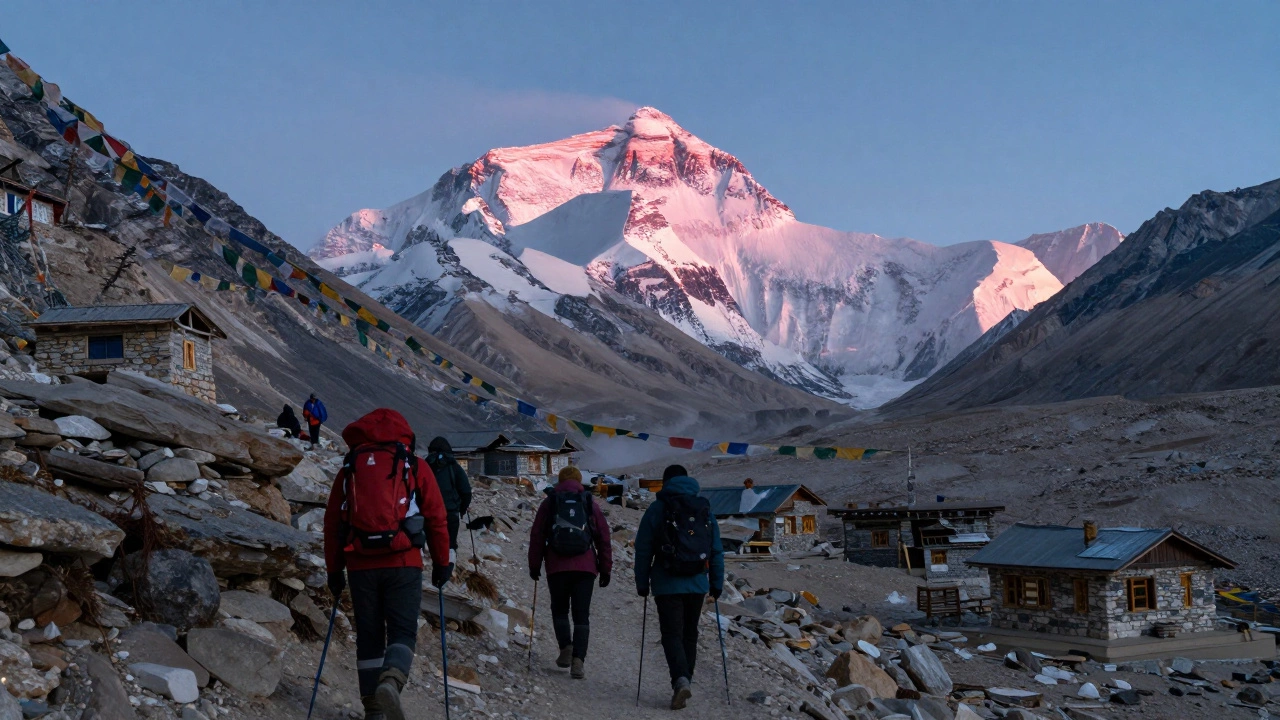
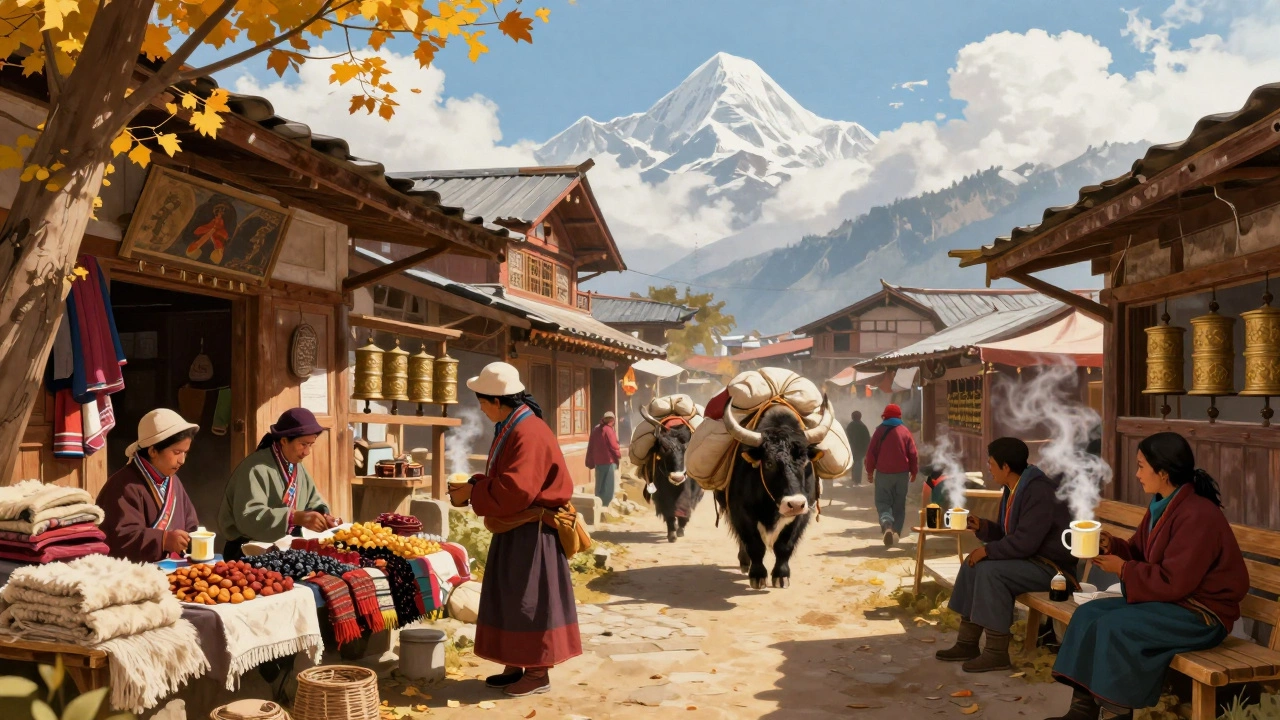
Every year, around 50,000 trekkers make this journey. Not because it’s easy, but because it’s real. You pass through Sherpa villages where prayer flags flutter over stone houses. You sip butter tea in teahouses warmed by yak dung stoves. You cross suspension bridges that sway over deep gorges, with the Himalayas rising like frozen giants on either side.
The real magic? You don’t need to be an athlete. People from their 20s to their 70s do it. What matters is preparation. Slow ascent. Hydration. Listening to your body. That’s why the success rate is over 90% for those who take it seriously.
How It Compares to Other Famous Treks
Some say the Inca Trail to Machu Picchu is better. Others swear by the Annapurna Circuit. Let’s be clear: they’re all incredible. But Everest Base Camp has something the others don’t-scale.
On the Inca Trail, you walk for four days. On Everest Base Camp, you walk for 12 to 14. That’s not just longer-it’s deeper. You don’t just see mountains. You live among them. You wake up to the sound of monks chanting from monasteries clinging to cliffs. You watch the sunrise turn Ama Dablam into molten gold.
And then there’s the altitude. The Annapurna Circuit hits 5,416 meters at Thorong La Pass. Everest Base Camp is lower, but the approach is more gradual. You acclimatize in Namche Bazaar, then again in Dingboche. These stops aren’t just rest days-they’re survival tactics. And that’s why more people finish Everest Base Camp than any other high-altitude trek.
What Makes It Better Than Trekking in India
India has stunning treks-Roopkund, Valley of Flowers, Markha Valley. But they’re shorter. Less developed. More unpredictable. In India, you might hike for five days and still not reach a true high-altitude zone. In Nepal, by day three, you’re already above 3,000 meters. By day seven, you’re breathing thin air with the world’s tallest peaks surrounding you.
Infrastructure matters. In Nepal, every village along the trail has a teahouse with hot showers, Wi-Fi, and cooked meals. In many Indian treks, you’re still carrying your own food and sleeping in tents. That’s not a bad thing-it’s just different. But if you want comfort without compromise, Nepal wins.
Also, permits. In India, trekking permits vary by state, often require local guides, and can be confusing for foreigners. In Nepal, you get two simple permits: the TIMS card and the Sagarmatha National Park entry. Buy them in Kathmandu. Done.
The Real Cost: Time, Money, and Effort
Let’s talk numbers. A guided Everest Base Camp trek costs between $1,000 and $1,800. That includes flights to Lukla, all meals, accommodation, permits, and a guide. Flights from Delhi or Mumbai to Kathmandu start at $150 one way. You’ll need at least 12 days total-10 on the trail, two for acclimatization and buffer days.
Compare that to the Hampta Pass trek in India: $300-$500 for five days. But you’re not walking past Everest. You’re not standing at the foot of the world’s tallest mountain. You’re not seeing the same glaciers, the same monasteries, the same culture.
And then there’s the weather. Nepal’s trekking season-October to November-is the most stable on Earth. Clear skies. Mild days. Crisp nights. In India, monsoon rains can shut down trails in July and August. Winter snows block high-altitude routes in December. Nepal gives you a longer, safer window.
What You’ll See Along the Way
- Lukla Airport: One of the world’s most dangerous runways-200 meters long, sloping uphill, with a cliff at the end. Pilots land here like they’re landing on a postage stamp.
- Namche Bazaar: The gateway to the high Himalayas. A bustling market town with bakeries, coffee shops, and gear stores. This is where you spend your first rest day.
- Tengboche Monastery: The spiritual heart of the trek. You’ll hear monks chanting as you walk past. The view of Ama Dablam from here is legendary.
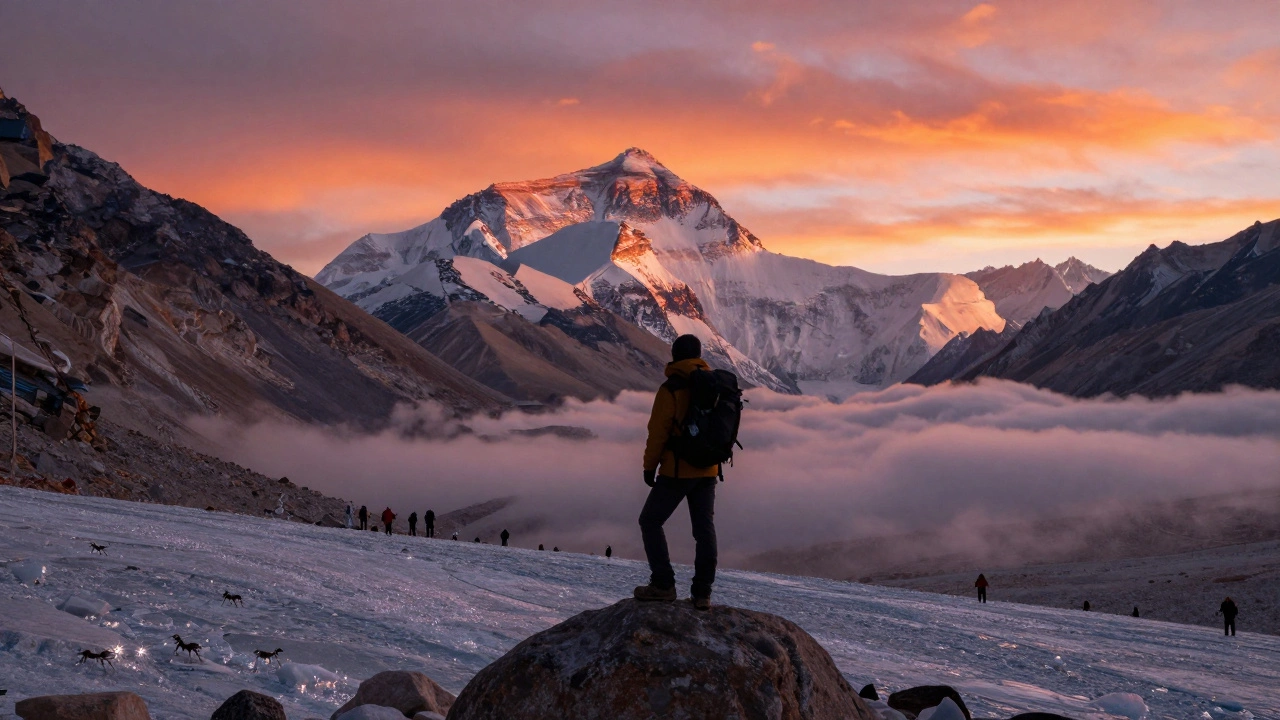
- Kala Patthar: The final climb, just before Base Camp. At 5,545 meters, it’s the highest point most trekkers reach. Sunrise here? You’ll see Everest, Lhotse, Nuptse-all glowing pink in the dawn light.
- Everest Base Camp: A dusty plateau with tents, flags, and climbers preparing for summit bids. You won’t climb Everest. But you’ll stand where they start.
Who Should Do This Trek
You don’t need to be a mountaineer. But you do need to be honest with yourself.
If you’ve never hiked more than 10 kilometers in a day, start with a shorter trek first. Train with stairs or hill walks. Carry a 10kg backpack. Do cardio twice a week.
If you have asthma, heart issues, or severe altitude sickness history-talk to a doctor. This isn’t a trail you can wing. Altitude sickness kills. But with proper pacing, it’s avoidable.
And if you’re looking for solitude? Go in March or April. Fewer crowds. Snow still on the peaks. The air is colder, but the views are sharper.
What to Pack That Actually Matters
- Down jacket (rated for -20°C)
- Two pairs of thermal base layers
- Water purifier (not just bottles-iodine tablets or a filter)
- Headlamp with extra batteries
- High SPF lip balm and sunscreen
- Comfortable, broken-in hiking boots
- Small first-aid kit with Diamox (acetazolamide) if prescribed
Leave the fancy camera at home. Bring a phone with a good battery. You’ll take more photos with your phone than you think.
Final Thought: Why It’s Still the Best
There are more challenging treks. More remote ones. More scenic ones. But none combine accessibility, culture, altitude, and raw beauty like Everest Base Camp.
It’s not about reaching the top of the world. It’s about walking where few do, seeing what most never will, and coming back changed. That’s why, year after year, people return. That’s why it’s still the best trekking place on Earth.
Is Everest Base Camp trek safe for beginners?
Yes, if you prepare properly. Most people who fail do so because they rush or ignore altitude sickness symptoms. Train for at least two months before going. Walk 8-10 km daily with a backpack. Take rest days seriously. Hire a guide if you’re unsure. The trail is well-marked and supported. It’s physically demanding, but not technically dangerous.
Can I do Everest Base Camp without a guide?
Yes, it’s legal and common. Many solo trekkers do it. You need a TIMS card and Sagarmatha National Park permit. Book flights to Lukla early. Stay in teahouses along the route. But a guide adds safety, especially for first-timers. They know the signs of altitude sickness, help with pacing, and can arrange emergency evacuation if needed.
How does Everest Base Camp compare to the Inca Trail?
The Inca Trail is shorter (4 days), more crowded, and ends at Machu Picchu-a historical wonder. Everest Base Camp is longer (12-14 days), less crowded outside peak season, and ends at the foot of Earth’s highest mountain. The Inca Trail is about ruins. Everest Base Camp is about nature, culture, and personal endurance. Both are incredible, but Everest offers deeper immersion.
What’s the best time of year to trek Everest Base Camp?
October to November is ideal. Clear skies, stable weather, mild temperatures. March to May is the second-best window-warmer, but with more wind. Avoid June to September (monsoon) and December to February (extreme cold). Even in peak season, mornings are cold, but afternoons are sunny and perfect for hiking.
Do I need travel insurance for this trek?
Absolutely. You need coverage that includes high-altitude trekking (up to 6,000 meters) and emergency helicopter evacuation. Many policies exclude this unless you pay extra. Check your policy before booking. In Nepal, helicopter rescues cost $5,000-$10,000. Insurance isn’t optional-it’s essential.