Beyond Goa: Which Indian Beach Destinations Are Better?
- Sep, 25 2026
- 0 Comments
- Aaron Blackwood
Indian Beach Destination Finder
Have you been to Goa? Looking for something better? Answer these questions to find your perfect match among India's top coastal destinations.
You’ve been to Goa. You’ve seen the shacks, heard the trance music, and maybe even got sunburned on Baga Beach while trying to look cool. It’s iconic, sure. But is it actually the best beach India has to offer? For many travelers who have already checked Goa off their bucket list, the answer is a hard no. The sand is coarser, the water often murkier due to silt from the Mandovi and Zuari rivers, and the crowds can feel less like a holiday and more like a commute.
If you are looking for powder-white sand, crystal-clear turquoise waters, and a vibe that feels untouched by mass tourism, you need to look elsewhere. India has a coastline stretching over 7,500 kilometers. From the coral reefs of the Andamans to the pristine atolls of Lakshadweep, there are spots that make Goa look like a parking lot. Let’s break down which destinations actually beat Goa, depending on what you want from your trip.
The Undisputed King: Andaman and Nicobar Islands
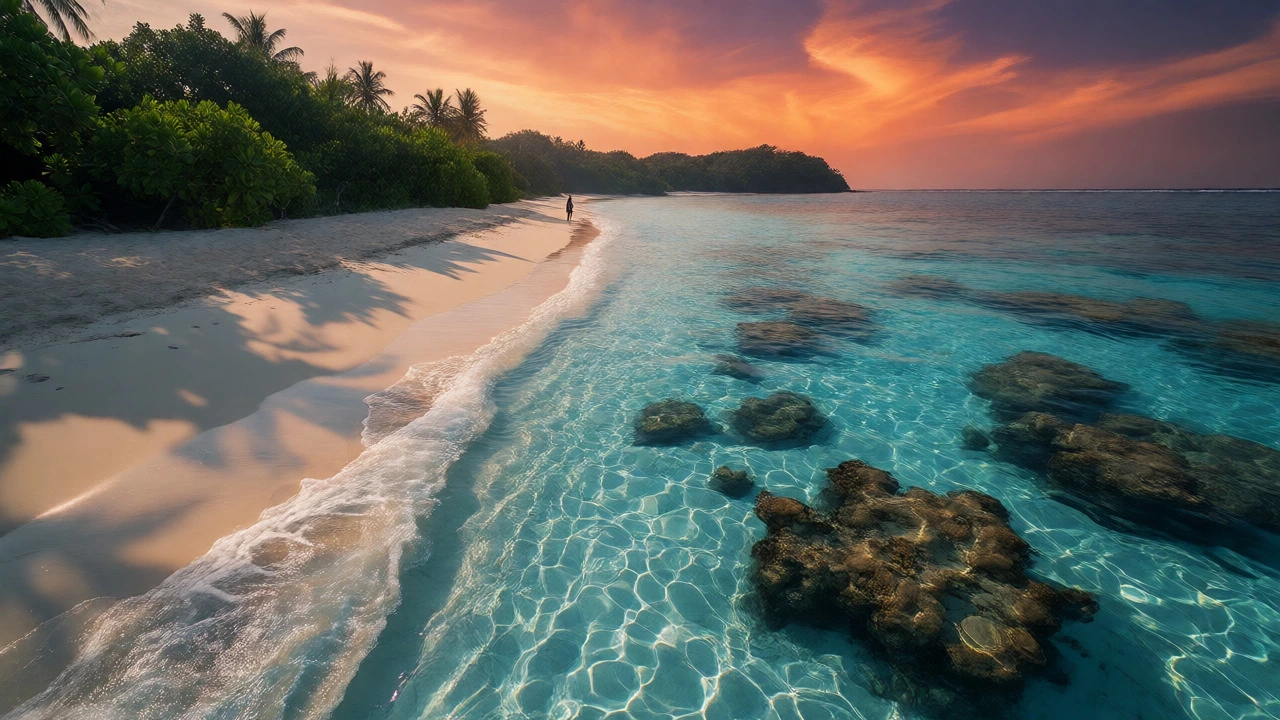
If we are talking about pure visual impact, nothing in mainland India touches the Andaman and Nicobar Islands. This archipelago sits in the Bay of Bengal, far from the industrial pollution and river silt that affect West Coast beaches. The result? Water clarity that rivals the Maldives, but without the Maldives price tag (usually).
The Andaman Islands are a union territory of India comprising hundreds of islands known for their white sandy beaches, vibrant coral reefs, and rich marine biodiversity. Havelock Island (officially Swaraj Dweep) is the star here. Radhanagar Beach was once voted Asia’s best beach by TIME magazine, and it still holds up. The sand is fine, almost like talcum powder, and the sunset views are unobstructed because the beach faces west.
Why it beats Goa:
- Water Clarity: Visibility underwater is 15-20 meters. In Goa, you’re lucky if you see two feet down near popular shores.
- Sand Quality: No coarse gravel or seaweed piles. Just soft, white silica sand.
- Coral Reefs: You don’t need to go deep to see life. Snorkeling right off the shore reveals colorful fish and living coral.
It’s not perfect. Getting there requires a flight to Port Blair, then a ferry to Havelock or Neil Island. Ferries can be delayed, and connectivity isn’t as seamless as flying into Goa’s international airport. But for the sheer beauty of the landscape, Andaman wins hands down.
The Hidden Gem: Lakshadweep
Most people forget Lakshadweep exists. It’s a group of 36 islands off the coast of Kerala, accessible only with a permit. Because of this barrier, it remains uncrowded. If you hate waiting in line for a hammock or fighting for space on a towel, Lakshadweep is your sanctuary.
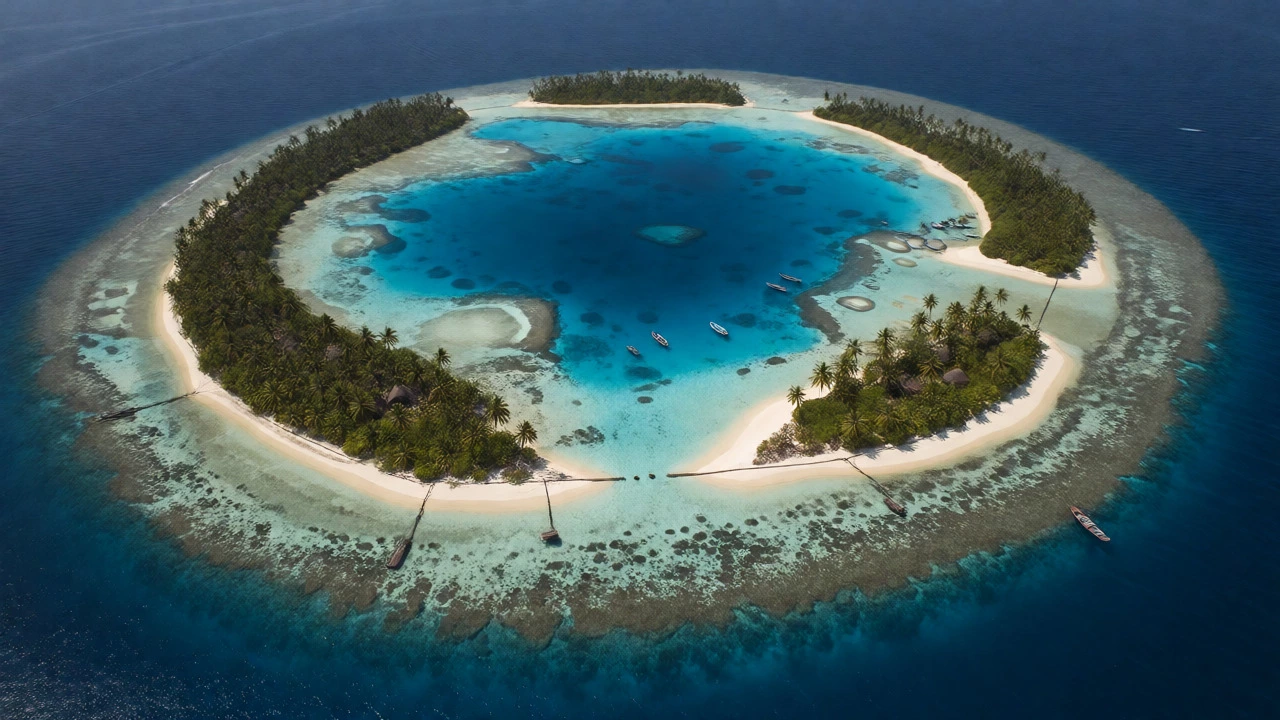
Lakshadweep is an archipelago located in the Arabian Sea, known for its coral reefs, lagoons, and coconut palms. Agatti Island is the main entry point, offering some of the clearest lagoons in the world. The water here isn’t just blue; it’s electric turquoise. The lagoon depth varies, creating natural pools that are safe for swimming and snorkeling.
Why it beats Goa:
- Exclusivity: Limited tourist capacity means you’ll often have entire stretches of beach to yourself.
- Eco-Tourism Focus: Strict regulations protect the coral. You won’t find jet skis tearing through protected zones.
- Authentic Culture: The local population is predominantly Muslim with strong Arab influences. The food, architecture, and vibe are distinctively different from the Hindu-majority mainland.
The downside? Infrastructure is basic. Accommodation options are limited compared to Goa’s thousands of hotels. Flights are fewer, and permits take time to process. But if you want silence and stars, this is the place.
Mainland Contender: Gokarna, Karnataka
Let’s stay on the mainland for a moment. Not everyone wants to deal with ferries and island logistics. Enter Gokarna. Located in Karnataka, about five hours south of Goa, Gokarna was once a hippie hangout that kept its soul when Goa sold its mind.
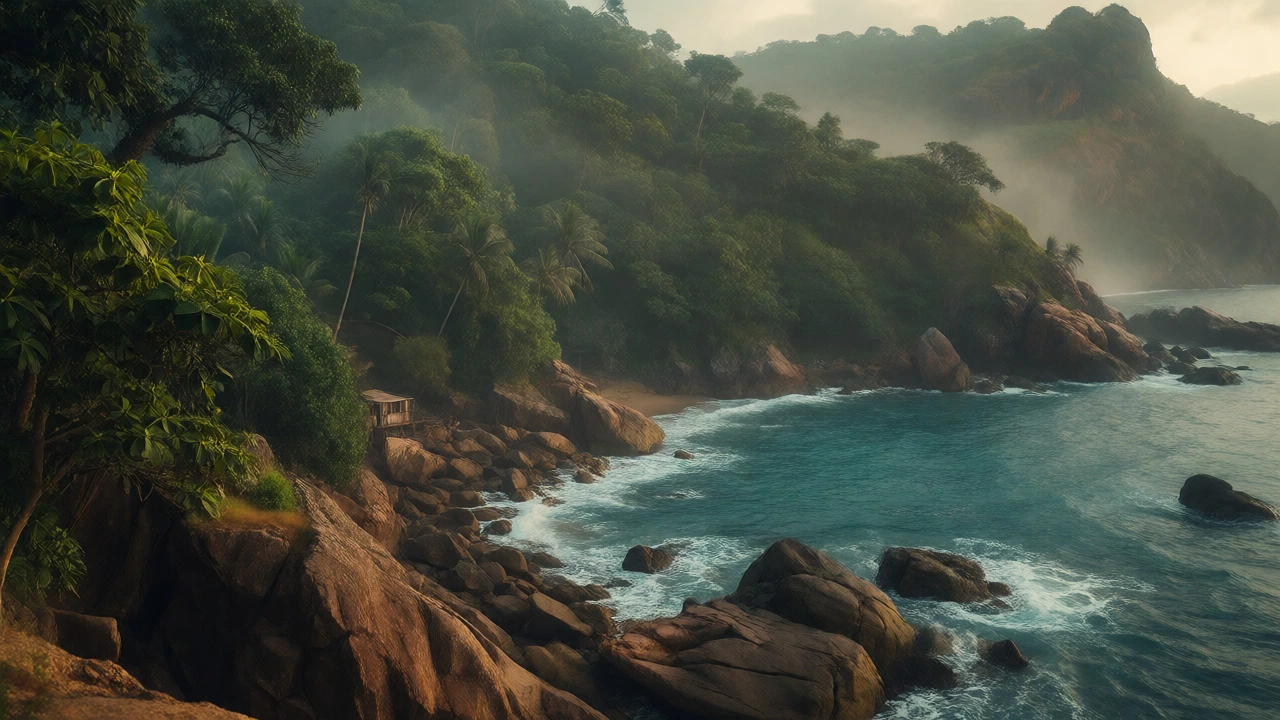
Gokarna is a temple town in Uttara Kannada district of Karnataka, famous for its pristine beaches and religious significance. While Om Beach and Half Moon Beach require a trek or boat ride, they offer secluded coves surrounded by green hills. Kudle Beach is easier to access and still maintains a laid-back atmosphere.
Why it beats Goa:
- Price: A meal at a shack in Gokarna costs half of what you’d pay in Anjuna or Palolem.
- Vibe: It’s quieter. Music is softer, parties end earlier, and the focus is on relaxation rather than hedonism.
- Nature: The backdrop of lush Western Ghats hills meeting the sea creates a dramatic contrast missing in flat coastal Goa.
Gokarna is ideal for backpackers, spiritual seekers, and those who want a beach holiday without the chaos. However, during peak season (December-January), it gets busy too. Go in February or March for the sweet spot.
The Northeast Secret: Digha and Chandipur
Wait, Digha? Really? Yes. Most tourists ignore the East Coast, assuming it’s all mudflats and humidity. But parts of West Bengal and Odisha offer unique experiences. Chandipur in Odisha is famous for its receding tide. At low tide, the sea retreats up to 5 kilometers, leaving behind a hard, wet sand floor where you can walk, drive, or play cricket miles out.
This phenomenon doesn’t exist in Goa. The tides there are standard. In Chandipur, the landscape changes dramatically twice a day. It’s surreal and great for photography. Plus, the seafood is incredibly fresh and cheap because it’s caught right there.
Why it might beat Goa:
- Unique Phenomenon: Walking on the seabed is a one-of-a-kind experience.
- Cultural Depth: Combine your beach trip with visits to Puri Temple or Konark Sun Temple.
- Cost: Significantly cheaper than Goa for accommodation and food.
However, the water quality isn’t always pristine. It’s better for experiencing the tidal magic than for luxury lounging.
Comparison: Where Should You Go?
To help you decide, let’s compare these destinations against Goa based on key travel factors. Remember, "better" is subjective. Here’s how they stack up objectively.
| Feature | Goa | Andaman & Nicobar | Lakshadweep | Gokarna |
|---|---|---|---|---|
| Water Clarity | Moderate to Poor | Excellent (Turquoise) | Exceptional (Crystal Clear) | Good |
| Sand Quality | Coarse/Yellowish | Fine/White | Fine/White | Golden/Mixed |
| Crowd Level | High | Moderate | Low | Moderate |
| Accessibility | Easy (Direct Flights) | Moderate (Flight + Ferry) | Difficult (Permits + Flight) | Easy (Train/Bus) |
| Budget | Medium to High | Medium to High | Medium (Limited Options) | Low to Medium |
| Best For | Nightlife, Parties | Diving, Luxury | Privacy, Snorkeling | Backpacking, Peace |
Pitfalls to Avoid When Choosing Alternatives
Switching from Goa isn’t just about picking a prettier map dot. There are logistical traps.
In Andaman, book your ferries in advance. The government-operated services sell out fast. Private operators are faster but pricier. Also, check monsoon timings. The islands shut down significantly from May to September due to rough seas. Don’t plan a scuba diving trip in July unless you enjoy cancelled plans.
In Lakshadweep, the permit process is non-negotiable. Apply at least 4-6 weeks before travel. Without it, you won’t board the plane. Also, alcohol availability is restricted or banned on some islands, unlike Goa where it flows freely.
In Gokarna, beware of the "beach resort" scam. Many places advertise direct beach access but require a steep climb down rocks. Read recent reviews specifically mentioning "accessibility." Also, mosquitoes can be fierce at dusk since the area is greener and wetter than arid Goa.
Final Verdict: Is There a Single Winner?
If you want the absolute best natural beauty, Andaman and Nicobar is the clear winner. The combination of white sand, clear water, and coral reefs is unmatched in India. It’s closer to a tropical paradise than any mainland beach.
If you value privacy and exclusivity, Lakshadweep takes the crown. It’s raw, real, and refreshing.
If you want ease of travel and budget-friendliness, Gokarna is the smartest choice. It offers 80% of Goa’s charm with 50% of the noise.
Goa isn’t bad. It’s just easy. It’s convenient. But convenience shouldn’t be confused with quality. Step out of your comfort zone, and you’ll find beaches that don’t just look good in photos-they feel incredible under your feet.
Is Andaman safer than Goa for solo female travelers?
Generally, yes. Andaman has lower crime rates and a more community-oriented culture. However, remote beaches should be avoided after dark. Goa has higher instances of petty theft and harassment in party areas. Always exercise standard caution regardless of location.
Do I need a visa for Lakshadweep if I am an Indian citizen?
No, you do not need a visa. However, you do need a special entry permit issued by the Lakshadweep Administration. Foreign nationals need both a valid Indian visa and the entry permit. Apply for the permit well in advance through a registered tour operator or directly via the administration website.
Which beach destination is cheapest?
Gokarna and mainland destinations like Digha or Mahabalipuram are significantly cheaper than Goa. Andaman and Lakshadweep involve higher transport costs (flights/ferries). Food and accommodation in Gokarna can cost 30-50% less than equivalent options in North Goa.
Can I drink alcohol in Lakshadweep?
Alcohol is largely prohibited in Lakshadweep due to local laws and cultural norms. Some resorts may serve beer to guests in designated areas, but availability is limited compared to Goa. Check specific resort policies before booking if this is important to you.
When is the best time to visit Andaman?
The best time is October to May. The weather is pleasant, and the sea is calm, making it ideal for water sports. The monsoon season (June to September) sees heavy rains and high waves, leading to frequent ferry cancellations and unsafe swimming conditions.