Do You Need a Guide to Trek in India? Here’s What Actually Matters
- Jan, 20 2026
- 0 Comments
- Aaron Blackwood
Trekking Guide Calculator
Assess Your Trekking Safety
Enter details about your trek to determine if you need a local guide. Based on your inputs, we'll show whether a guide is required or highly recommended for your specific trek.
India isn’t just a country you visit-it’s a place you climb. From the snow-dusted peaks of the Himalayas to the misty green ridges of the Western Ghats, trekking here doesn’t just test your legs. It changes how you see the world. But if you’re asking whether you need a guide to trek in India, the answer isn’t yes or no. It’s what kind of guide you need-and why.
Not all treks in India are the same
There’s a big difference between hiking a well-marked trail in Uttarakhand and crossing a high-altitude pass in Ladakh. Some routes, like the Valley of Flowers or Kedarkantha, are popular, crowded, and easy to follow. You can do them solo if you’re fit and prepared. Others, like the Pin Parvati Pass or the Markha Valley loop, involve river crossings, unpredictable weather, and altitudes above 5,000 meters. Those? You don’t just need a guide-you need a local who’s done it 20 times.India’s terrain doesn’t care if you’ve hiked the Appalachian Trail. Glaciers shift. Trails vanish under snow. Monsoons turn paths into mudslides. In 2023, over 1,200 trekkers were rescued in the Himalayas alone. Most of them weren’t lost. They were unprepared.
What a good guide actually does
A guide isn’t just someone who carries your backpack. A good guide knows:- Which route is safe today-not yesterday’s map
- Where the last reliable water source is before the next pass
- How to read cloud patterns over the Zanskar Range
- Which villages have hot tea and a phone signal when things go wrong
- How to spot early signs of altitude sickness before it turns deadly
One trekker I spoke to in Manali told me he skipped a guide on the Roopkund trek because he thought he could handle it. He got caught in a sudden snowstorm. No tent. No map. No signal. He spent 14 hours huddled under a rock, hypothermic, before a local shepherd found him. That shepherd didn’t just save his life-he knew exactly where to look because he’d been tracking weather patterns for 30 years.
When you can skip the guide
You don’t need a guide for every trek. If you’re doing:- Day hikes in McLeod Ganj or Coorg
- The Valley of Flowers (June-September, well-trodden path)
- The Kedarkantha trail in winter (with proper gear and weather checks)
…then a detailed guidebook, a GPS app like Gaia GPS, and a basic first-aid kit might be enough. But even then, tell someone your route. Register with local tourism offices. India’s remote trails don’t have emergency services on standby.
The hidden cost of going solo
Some people think hiring a guide is expensive. But here’s the math:- Guide fee: ₹1,500-₹3,500 per day (roughly $18-$42)
- Emergency helicopter rescue: ₹5-₹15 lakh (₹500,000-₹1,500,000)
- Medical evacuation to Delhi: ₹3-₹8 lakh
- Lost gear, missed flights, delayed visas from getting stranded: unpredictable
That’s not a luxury. That’s insurance. And the best insurance in the Himalayas isn’t a credit card-it’s a local who knows the mountain.
What to look for in a guide
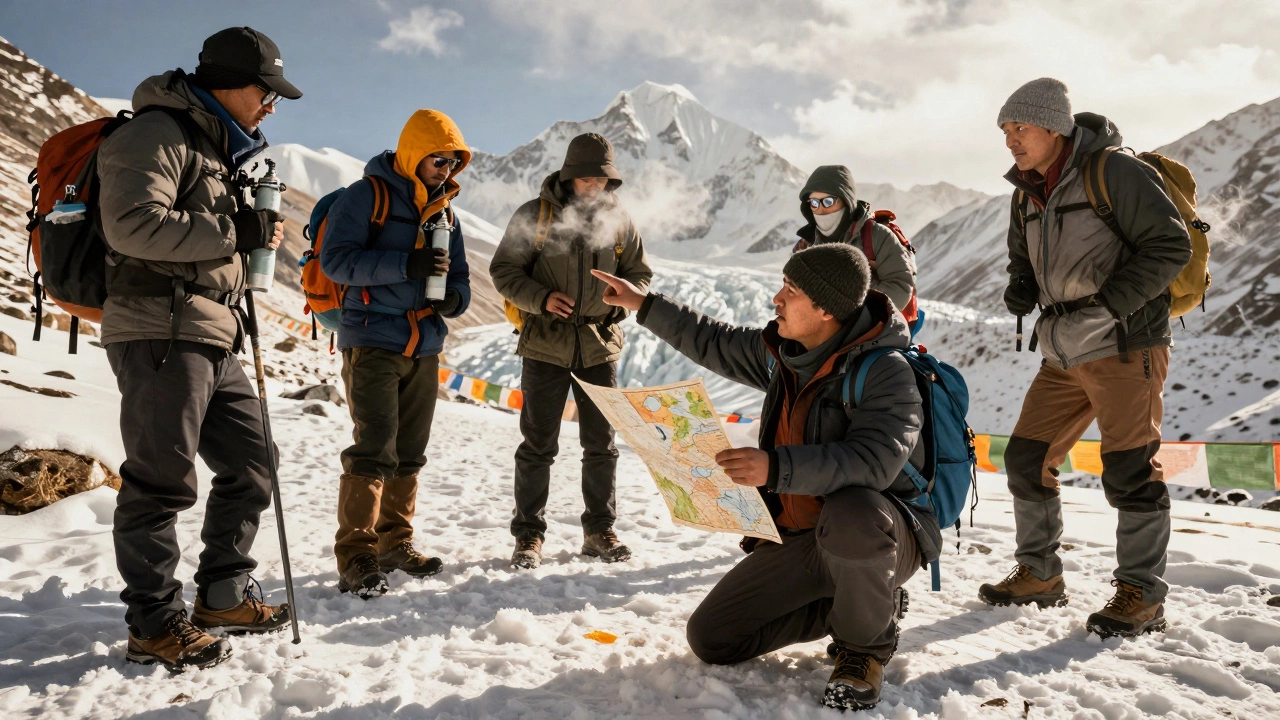
Not every person with a backpack is a guide. Look for:- Government-recognized certification (Himalayan Mountaineering Institute, NIM, or state tourism board)
- At least 5 years of experience on the specific route you’re taking
- First-aid and high-altitude rescue training
- Local community ties-ask if they’re from the region
- Reviews from recent trekkers (not just 5-star ratings from 2019)
Avoid agencies that promise “all-inclusive luxury treks” with zero mention of guide qualifications. If they don’t name their guides or list their credentials, walk away.
Regional differences matter
India’s treks aren’t one-size-fits-all. The rules change by region:- Ladakh: Permits required. Guides mandatory for treks above 4,500m. Weather changes in minutes. No cell service for days.
- Uttarakhand: Popular trails are crowded. Guides help navigate bureaucracy (permits, forest checks). Monsoon season (July-August) turns trails into rivers.
- Sikkim: Inner Line Permit needed. Guides required for restricted zones like Goecha La.
- Western Ghats (Kerala/Karnataka): Rainforest treks like Kudremukh or Brahmagiri need guides for wildlife safety-leopards, elephants, venomous snakes.
- Manali to Spiti: No marked trails. Glacier crossings. Only experienced guides with ice axes and ropes should lead this.
What to pack-even if you have a guide
Your guide carries the tent, stove, and group food. But you still need:- Water purification tablets or filter (tap water is unsafe even in villages)
- High-altitude medication (Diamox, if prescribed)
- Headlamp with extra batteries
- Warm gloves and balaclava (even in summer, nights drop below freezing)
- Portable charger (solar ones work better than power banks at altitude)
- Physical map and compass (GPS fails more often than you think)
Don’t rely on your guide to save you from poor preparation. They’ll help you survive. But you have to show up ready.
Real stories from the trail
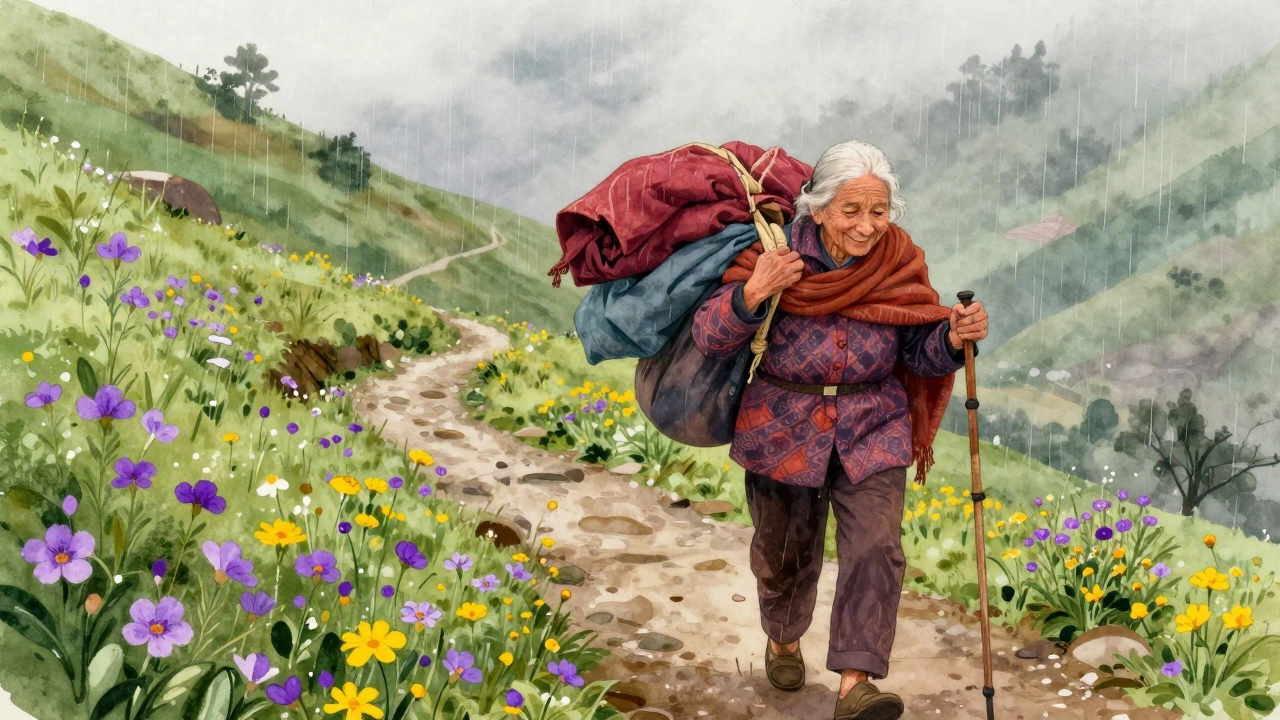
A group of four friends from Bangalore tried to do the Kuari Pass trek without a guide in October 2024. They ignored weather warnings. One got severe altitude sickness. They spent 8 hours trying to descend. A local shepherd found them. He didn’t charge them. He just said, “You didn’t ask for help. You asked for luck.”Another trekker, a 68-year-old retired teacher from Pune, did the Valley of Flowers with a local guide from Joshimath. She’d never hiked before. Her guide walked beside her every step, adjusted her pace, carried her extra layers, and made sure she ate enough. She came back saying, “I didn’t just see flowers. I saw how much care matters.”
Final decision: Do you need a guide?
If you’re asking this question, the answer is probably yes.India’s treks aren’t like hiking in the Rockies or the Alps. The infrastructure is sparse. The terrain is wild. The weather is ruthless. And the people who know it best? They’re not just guides. They’re the ones who’ve lived with these mountains for generations.
Don’t go because you think you’re brave. Go because you’re smart. Hire a guide. Not because you’re weak. Because you respect the mountain.
Where to start
If you’re new to trekking in India:- Start with Kedarkantha or Dayara Bugyal (both under 4,000m, well-supported)
- Book through a registered operator (check with Uttarakhand Tourism or Himachal Pradesh Tourism websites)
- Ask for the guide’s name, experience, and certification
- Confirm the group size (max 8 people per guide for safety)
- Plan for acclimatization-don’t rush to high altitudes
Trekking in India isn’t about ticking off a list. It’s about listening-to the wind, the trail, the people who know it best. Don’t skip the guide. Listen to them.
Is it safe to trek in India without a guide?
It’s possible on short, well-marked trails like Valley of Flowers or Kedarkantha-but risky elsewhere. Most rescue cases happen when trekkers ignore weather, altitude, or terrain warnings. In remote regions like Ladakh or Sikkim, going solo can be life-threatening. Guides know where the safe paths are, when to turn back, and how to handle emergencies.
How much does a trekking guide cost in India?
Guides typically charge ₹1,500 to ₹3,500 per day, depending on the region and difficulty. In popular areas like Uttarakhand, you’ll pay less. In Ladakh or Sikkim, prices rise due to permits, logistics, and altitude risks. A full expedition (5-10 days) with gear and meals usually costs ₹25,000-₹70,000 per person. Cheaper options exist, but always verify the guide’s experience and certifications.
Do I need permits to trek in India?
Yes, for most treks in protected areas. Uttarakhand requires a forest permit for treks like Kedarkantha. Ladakh needs an Inner Line Permit for routes like Markha Valley. Sikkim requires an ILP for Goecha La. Some permits are easy to get online. Others need a registered guide to apply for you. Never assume you don’t need one-fines can be steep, and you might be turned back at checkpoints.
What’s the best time to trek in India?
April-June and September-November are the safest windows. Avoid monsoon season (July-August) in the Western Ghats and Himalayas-landslides and flash floods are common. Winter treks (December-February) are possible in lower-altitude trails like Kedarkantha, but require serious cold-weather gear. High-altitude treks like Roopkund or Pin Parvati are only safe from late May to early October.
Can I hire a guide locally or should I book through a company?
You can hire guides locally in towns like Manali, Joshimath, or Gangtok-and often at lower rates. But booking through a registered company gives you legal protection, insurance coverage, and verified credentials. Local guides may be excellent, but without paperwork, you have no recourse if something goes wrong. For first-timers, a registered operator is safer. Experienced trekkers can mix both-book logistics through a company, hire a local guide on the trail.
What should I do if I feel altitude sickness?
Stop climbing. Drink water. Rest. Don’t go higher until symptoms fade. Common signs: headache, nausea, dizziness, shortness of breath. If you feel worse after 6-8 hours, descend immediately. Diamox helps prevent it, but doesn’t cure it. A good guide will monitor you daily and know when to turn back. Never ignore symptoms to ‘push through.’ Altitude sickness kills people who think they’re tough.