Exploring India's Rich Heritage: A Guide to Its Most Iconic Sites
- Apr, 14 2026
- 0 Comments
- Aaron Blackwood
India Heritage Explorer: Site Matcher
Test your knowledge of India's rich heritage. Select the characteristic that matches the architectural era or site to uncover the secret of that period.
Key Takeaways
- India hosts 42 UNESCO World Heritage Sites, blending diverse architectural styles.
- The heritage spans from the Indus Valley Civilization to the Mughal and British eras.
- Cultural heritage includes not just monuments, but also dance, music, and spiritual practices.
- Preservation efforts are ongoing to balance tourism with site conservation.
The Bedrock of Ancient Civilization
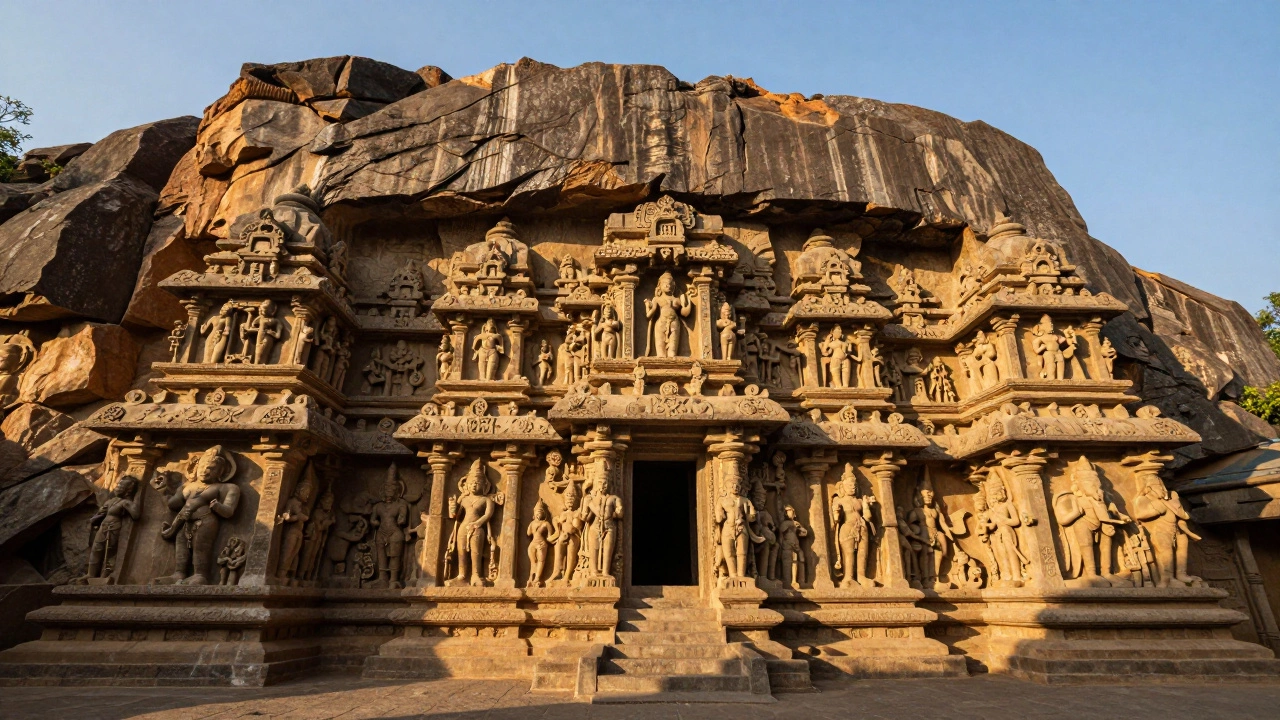
To understand where India is now, you have to look at the Indus Valley Civilization. Around 2500 BCE, while much of the world was still figuring out basic farming, people in cities like Mohenjo-daro and Harappa were building grid-patterned streets and sophisticated drainage systems. If you visit the ruins today, you'll see that they had a sense of urban planning that would make a modern city council jealous. Moving forward in time, the Vedic period introduced the foundations of Hinduism. This era wasn't about building massive stone monuments but about oral traditions and philosophy. However, this spiritual depth eventually manifested in stone. Look at the Ajanta and Ellora caves. These aren't just holes in a rock; they are entire monasteries and temples carved directly into basalt cliffs. The precision is mind-blowing-some of the carvings at Kailasa Temple in Ellora were cut from a single piece of rock from the top down, meaning there was no room for a single mistake.The Grandeur of Mughal Architecture
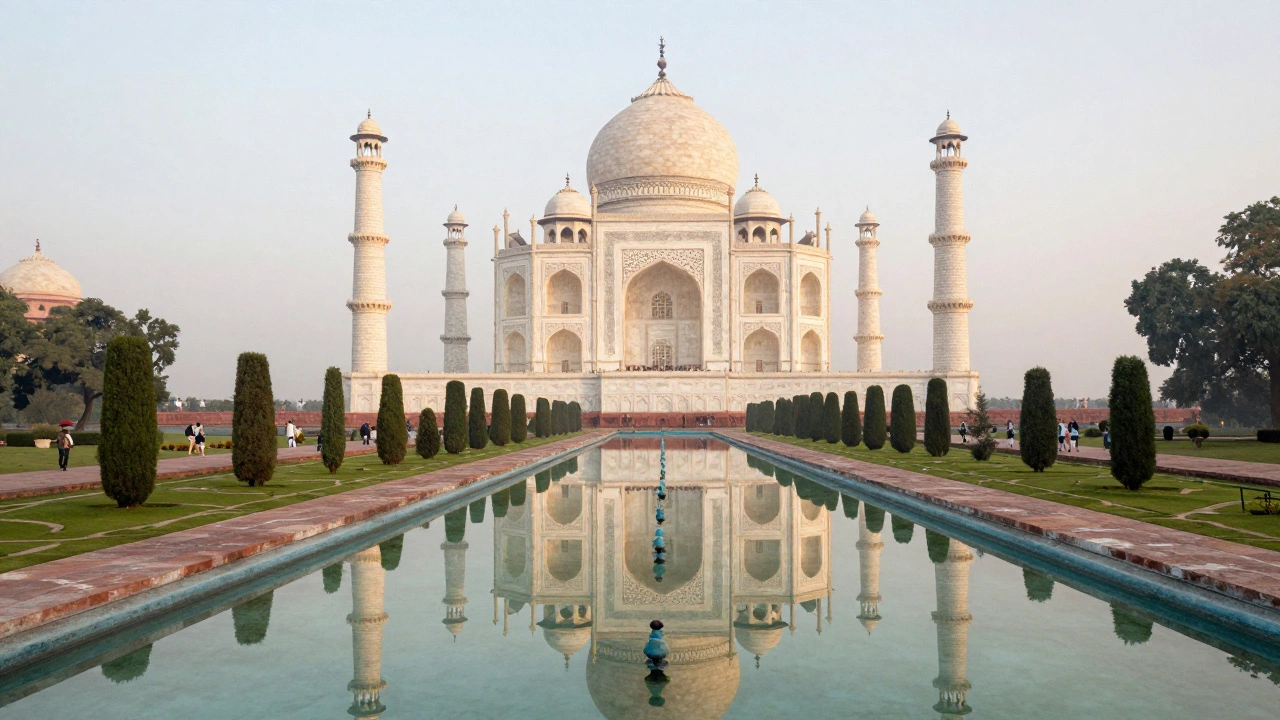
You can't mention Indian heritage without talking about the Mughal Empire. They brought a Persian influence that blended with local Indian styles to create something entirely new. The most obvious example is the Taj Mahal is an ivory-white marble mausoleum in Agra, commissioned in 1632 by Emperor Shah Jahan to house the tomb of his favorite wife, Mumtaz Mahal. But the Mughals did more than just build tombs. They created the Red Fort in Delhi, a massive citadel that served as the seat of power for nearly 200 years. They also perfected the art of the "Charbagh" or four-part garden, which you can still see in the gardens surrounding the Taj. This wasn't just for looks; it was a symbolic representation of paradise on earth. Have you ever noticed how the symmetry in these buildings creates a feeling of absolute order? That was the goal-to project power and divine balance.| Era | Key Characteristic | Example Site | Primary Material |
|---|---|---|---|
| Ancient/Mauryan | Stupas and Rock-cut caves | Sanchi Stupa | Sandstone |
| Dravidian (South) | Towering Gopurams | Brihadisvara Temple | Granite |
| Mughal | Symmetry & Marble Inlay | Humayun's Tomb | Red Sandstone/Marble |
| Colonial | Indo-Saracenic style | Victoria Terminus | Stone/Brick |
The Spiritual Landscapes of the South
If the North is about the grandeur of empires, the South is about the endurance of faith. In states like Tamil Nadu and Karnataka, heritage takes the form of massive temple complexes that functioned like small cities. The Dravidian Architecture style is unmistakable-think of the towering gateways called Gopurams, covered in thousands of colorful sculptures of gods and mythical creatures. Take the Brihadisvara Temple in Thanjavur. The main tower is so massive that the shadow of the peak reportedly never falls on the ground at noon during certain times of the year. These temples weren't just for prayer; they were the centers of education, dance, and administration. When you walk through these corridors, you aren't just seeing a building; you're seeing a social system that lasted for centuries. The use of granite in these structures is why they've survived the humid, salty air of the coast for over a thousand years.Intangible Heritage: Beyond the Stone
Heritage isn't always something you can touch. Some of India's most valuable treasures are "intangible." This includes things like Kumbh Mela, the world's largest peaceful gathering of people, which is recognized by UNESCO. Every few years, millions of pilgrims bathe in sacred rivers to cleanse their sins. It's a chaotic, spiritual spectacle that defies logical explanation but defines the Indian psyche. Then there are the performing arts. Classical dances like Bharatanatyam and Kathak are not just entertainment; they are a form of storytelling that uses precise hand gestures (mudras) and facial expressions to convey complex emotional states. The music, too, is a pillar of heritage. The contrast between the Hindustani classical music of the North and the Carnatic music of the South mirrors the geographical and cultural divide of the country itself.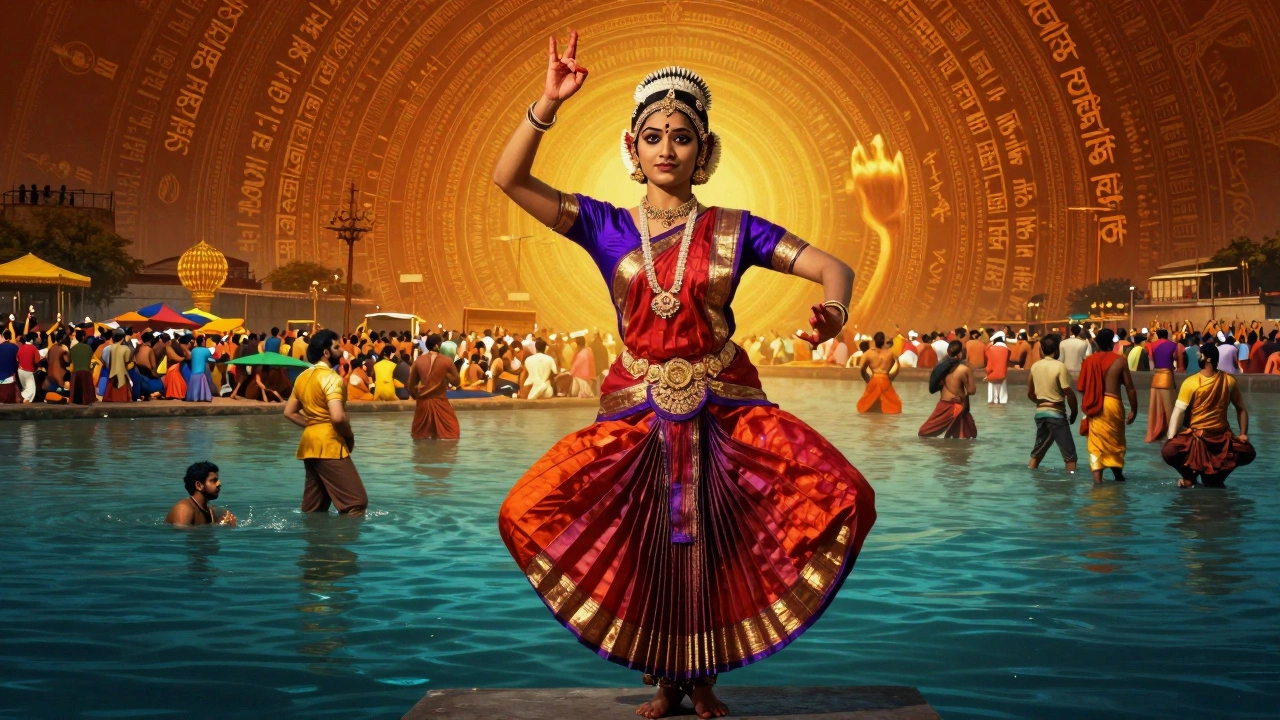
The Colonial Layer and Modern Preservation
Of course, the story of India's heritage has a complex chapter involving the British Raj. The British didn't just bring their laws; they brought their architecture. This led to the "Indo-Saracenic" style, which is basically a mashup of Gothic revival, Islamic, and Hindu elements. You can see this in the Chhatrapati Shivaji Terminus in Mumbai-a building that looks like a cathedral but functions as one of the busiest train stations in the world. Today, the challenge is keeping all of this alive. The Archaeological Survey of India (ASI) is the body tasked with protecting these sites. But it's a tough job. How do you protect a 500-year-old fort when thousands of tourists visit every day? Many sites now use "smart tourism" tools, like QR codes and augmented reality, to show visitors how a ruined palace once looked in its prime without actually touching the fragile stones.How to Experience India's Heritage Today
If you're planning to explore these sites, don't just stick to the "Golden Triangle" (Delhi, Agra, Jaipur). While the Taj Mahal is a must, there are hidden gems that offer a deeper look into the past.- Hampi: Visit the ruins of the Vijayanagara Empire in Karnataka. Walking through the boulder-strewn landscape with ancient pavilions is like stepping into a fantasy novel.
- Khajuraho: Explore the temples in Madhya Pradesh, famous for their intricate carvings that celebrate all aspects of human life and desire.
- Varanasi: Spend a morning on the Ghats of the Ganges. It's perhaps the oldest inhabited city in the world and the heartbeat of Indian spirituality.
What is the difference between tangible and intangible heritage in India?
Tangible heritage refers to physical objects and places, such as the Taj Mahal, the Ajanta Caves, or the forts of Rajasthan. Intangible heritage refers to non-physical traditions, including Vedic chanting, Yoga, the Kumbh Mela festival, and classical dance forms like Kathakali. Both are equally vital in defining India's cultural identity.
How many UNESCO World Heritage Sites are there in India?
As of recent records, India has 42 UNESCO World Heritage Sites. These are divided into cultural sites, natural sites (like the Western Ghats), and mixed sites, reflecting the country's diverse geography and history.
Which is the oldest civilization mentioned in Indian heritage?
The Indus Valley Civilization, which flourished around 3300-1300 BCE, is the oldest. It is famous for its advanced urban planning, standardized brick sizes, and early forms of writing, though the script remains undeciphered to this day.
Why is the Dravidian style of architecture unique?
Dravidian architecture is distinct for its pyramid-shaped towers (Vimanas) and massive ornate gateways (Gopurams). Unlike the more flowing lines of Northern architecture, the Southern style emphasizes verticality and heavy stone carvings, often using granite to ensure longevity.
How can travelers help preserve Indian heritage sites?
Travelers can help by following "Leave No Trace" principles: avoid touching fragile carvings, never litter, and refrain from climbing on ruins. Supporting local artisans and certified guides also helps the community maintain a financial interest in the preservation of these sites.