How Far in Advance Should You Book Flights to India on a Budget?
- Jan, 23 2026
- 0 Comments
- Aaron Blackwood
If you're planning a trip to India on a budget, timing your flight booking isn't just helpful-it can save you hundreds of dollars. Many travelers assume booking early always means better prices, but that’s not true for India. The sweet spot for grabbing the cheapest fares is more specific than you think.
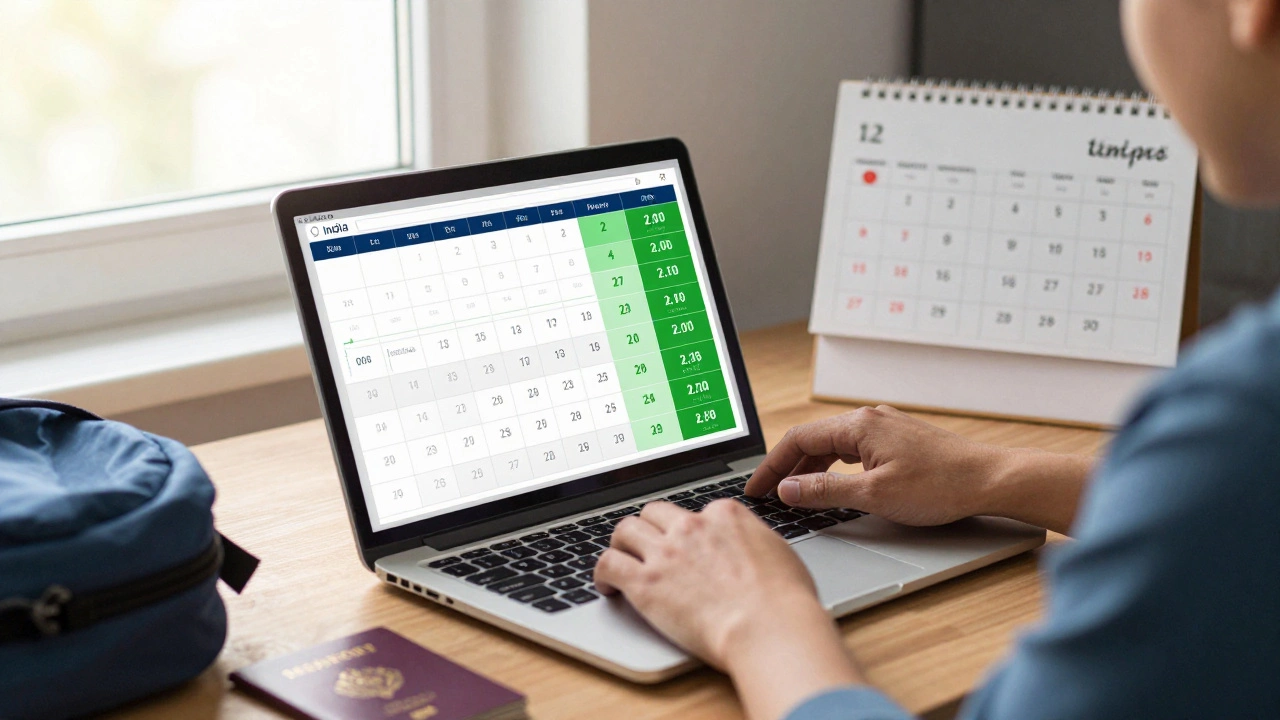
Book 2 to 4 months ahead for the best deals
For most routes from North America, Europe, or Australia to India, the best prices show up between 2 and 4 months before your departure date. This window gives airlines enough time to fill seats without dropping prices too early. Booking too early-like 6 months ahead-often means paying more because airlines haven’t yet released their lowest fare buckets. Booking too late-under 6 weeks out-means you’re stuck with whatever’s left, and prices usually spike.
For example, a round-trip flight from New Zealand to Delhi in October 2025 cost $1,250 when booked 3 months in advance. The same flight booked 6 months ahead was $1,480. Two weeks before departure? $1,920. That’s a $670 difference just from timing.
Avoid peak seasons unless you have no choice
India has two major travel peaks: winter (November to February) and the summer holiday rush (June to August). Winter is the most popular time to visit because the weather is mild across most of the country. But that also means flights fill up fast and prices climb. If you’re traveling during Diwali, Christmas, or New Year’s, you’re paying premium rates no matter when you book.
Summer (May to July) is hot and humid, but flights are cheaper because fewer tourists go. If you can handle the heat, flying in April or late July might save you 30% compared to December. Monsoon season (July to September) sees the lowest demand, and some airlines drop fares to fill seats. Just avoid booking direct flights to Kerala or Goa during heavy rains-you’ll risk delays.
Use flexible dates and midweek flights
Flights on Tuesdays and Wednesdays are often 15-25% cheaper than weekend departures. That’s because business travelers book Fridays and Sundays, and airlines adjust prices to attract leisure travelers. Use Google Flights’ date grid or Hopper’s price alerts to compare costs across a range of dates. A flight from Mumbai to Jaipur on a Tuesday might cost $85, while the same trip on a Friday costs $130.
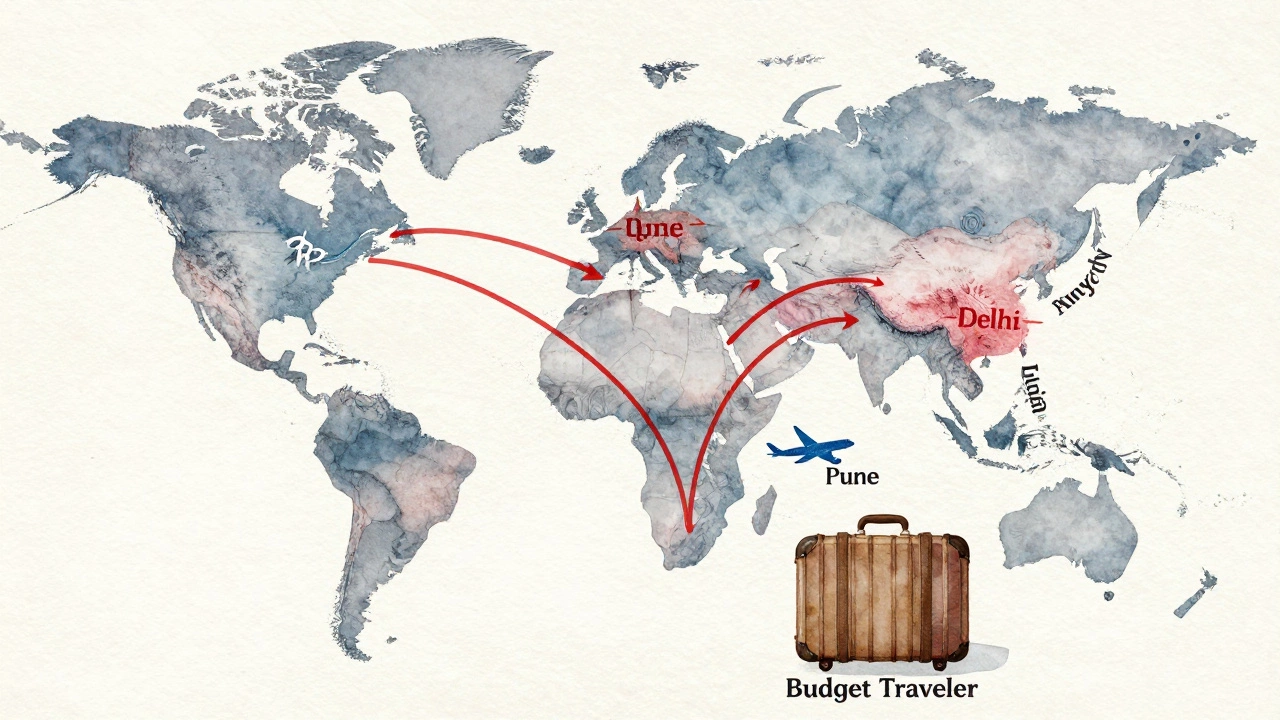
Also, consider flying into secondary airports. Instead of Delhi or Mumbai, look at Pune, Ahmedabad, or Lucknow. Airlines often offer lower fares to less busy hubs. From there, you can take a cheap domestic flight or overnight train to your final destination. A flight into Pune instead of Delhi saved one traveler $210 on a round-trip from Sydney.
Set price alerts and check airline websites directly
Price trackers like Google Flights, Skyscanner, and Hopper work well for India routes. But don’t rely on them alone. Airlines like Air India, Vistara, and IndiGo sometimes offer exclusive deals on their own sites that don’t show up on third-party aggregators. Sign up for email alerts from these carriers-they send flash sales for seasonal routes, especially during off-peak months.
One traveler booked a flight from London to Kolkata for £310 after spotting a 48-hour sale on IndiGo’s website. The same flight on Expedia was £420. Always check the airline’s official site before paying.
Don’t forget baggage fees and hidden costs
Low-cost carriers like IndiGo and Akasa Air charge extra for checked bags, seat selection, and even carry-ons over 7kg. If you’re planning to bring souvenirs or extra clothes, factor in $30-$60 for baggage. Some budget flights only allow a small personal item free of charge. Compare total cost-not just the ticket price.
For example, a $450 flight with Air India includes one checked bag. The same fare on IndiGo is $380, but adding a 15kg bag costs $55. The real price is $435. Always add up the full cost before clicking “buy.”
Book international and domestic flights separately
If you’re flying into Delhi and then heading to Goa, Jaipur, or Varanasi, buy those flights separately. Bundled international + domestic tickets often cost more. Domestic flights in India are cheap and frequent. A one-way flight from Delhi to Goa takes 2 hours and costs as little as $45 if booked 6 weeks ahead.
Use platforms like MakeMyTrip or Cleartrip to book domestic legs. They offer local pricing and often have cashback deals. You’ll save time and money by managing them on your own.

What about last-minute deals?
Last-minute flights to India are risky. While rare, occasional cancellations or overbookings can create discounts. But these are unpredictable. If you’re flexible and willing to wait at the airport, you might find a $200 one-way fare on the day of departure. But if you have fixed dates, don’t count on it. The odds are against you.
One traveler waited 3 weeks for a last-minute flight from Toronto to Bangalore. They ended up paying $890 on the day of departure. Someone else who booked 11 weeks ahead paid $510. The difference wasn’t luck-it was strategy.
Use local SIM cards and apps for real-time updates
Once you land, buy a local SIM card from Airtel or Jio. They’re cheap (under $5) and let you use apps like MakeMyTrip or IRCTC to monitor flight changes, delays, or last-minute cancellations. Many travelers miss out on rebooking options because they’re stuck with international roaming charges.
Also, follow Indian airline Twitter accounts. They often post flash sales or error fares that disappear within hours. A Vistara error fare from Sydney to Mumbai once dropped to $280 round-trip and sold out in 12 minutes.
Final checklist: When to book your flight to India
- Book 2-4 months ahead for standard travel dates
- Avoid November-February if you want the lowest prices
- Choose Tuesday or Wednesday departures
- Compare total cost including baggage fees
- Book domestic flights separately
- Set alerts on Google Flights and airline websites
- Don’t rely on last-minute deals unless you’re flexible
There’s no magic formula, but following these steps gives you the best shot at saving money without sacrificing convenience. India is expensive to reach-but it doesn’t have to break your budget if you plan smart.