How Many Days in India Is Enough? A Realistic Itinerary Guide
- Sep, 8 2026
- 0 Comments
- Aaron Blackwood
India Trip Planner & Estimator
This is a balanced timeframe for most travelers.
Note: Costs include accommodation, food, local transport, and entry fees. International flights and visas are not included.
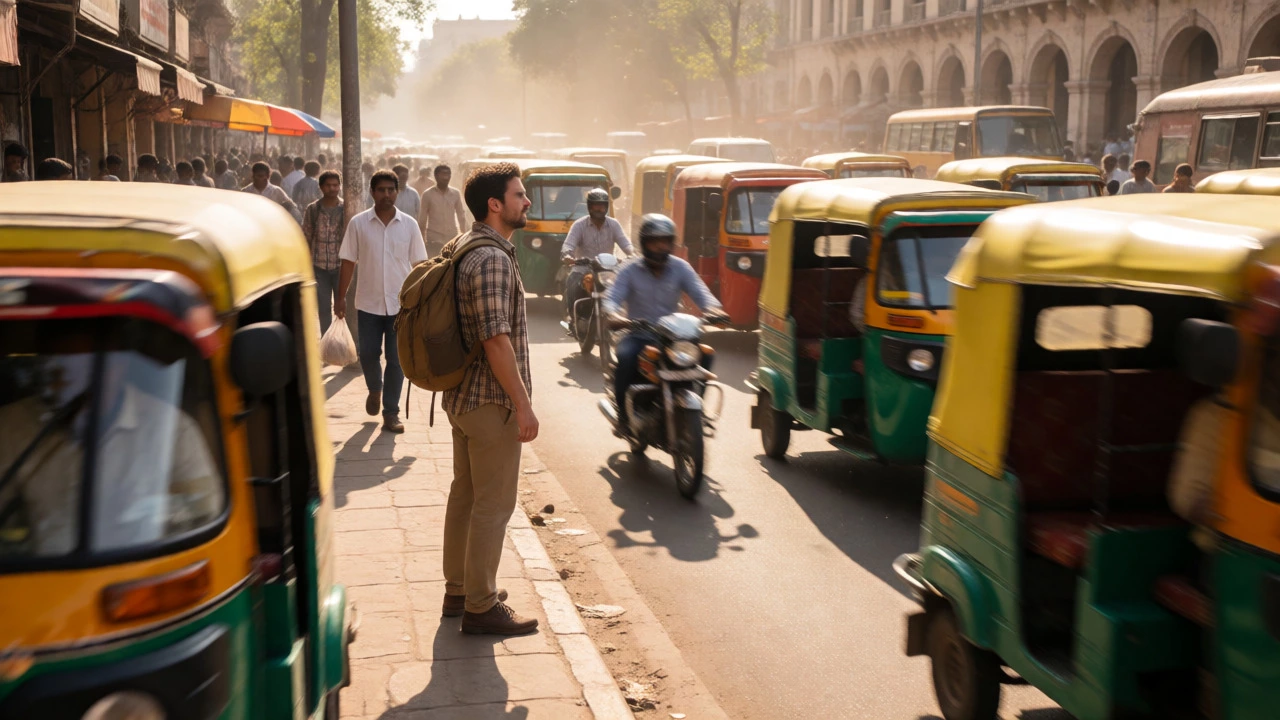
You land in Delhi, step out of the airport, and immediately hit a wall of heat, honking horns, and chaotic energy. You have two weeks off work, maybe three, and you are staring at a map that looks like it contains half the world. The question isn't just "where do I go?" It's "how long can I actually survive this without burning out or going broke?"
Here is the brutal truth: there is no single right answer because India is not one country; it is a continent masquerading as one. But if you want a concrete number to put on your flight ticket, the sweet spot for most first-time visitors is 14 to 21 days. This gives you enough breathing room to see the iconic Golden Triangle, dip your toes into another region, and actually enjoy the chaos rather than just enduring it.
The Minimum Viable Trip: 7 to 10 Days
Can you do India in a week? Yes. Should you? Only if you accept that you will be seeing a postcard, not living the experience. If you only have seven days, you need to pick one lane and stay in it. Trying to squeeze Delhi, Mumbai, Goa, and Rajasthan into ten days results in more time spent in transit (flights, trains, traffic) than actually looking at things.
For a short trip, stick to the Golden Triangle. This classic circuit connects Delhi, Agra, and Jaipur. These cities are close enough by car or train that you can cover them efficiently. In seven days, you get the Taj Mahal sunrise, the Hawa Mahal pink city vibes, and the historic lanes of Old Delhi. You leave wanting more, but you won’t be exhausted.
- Day 1-2: Delhi (Old Delhi rickshaw ride, Jama Masjid, Humayun’s Tomb).
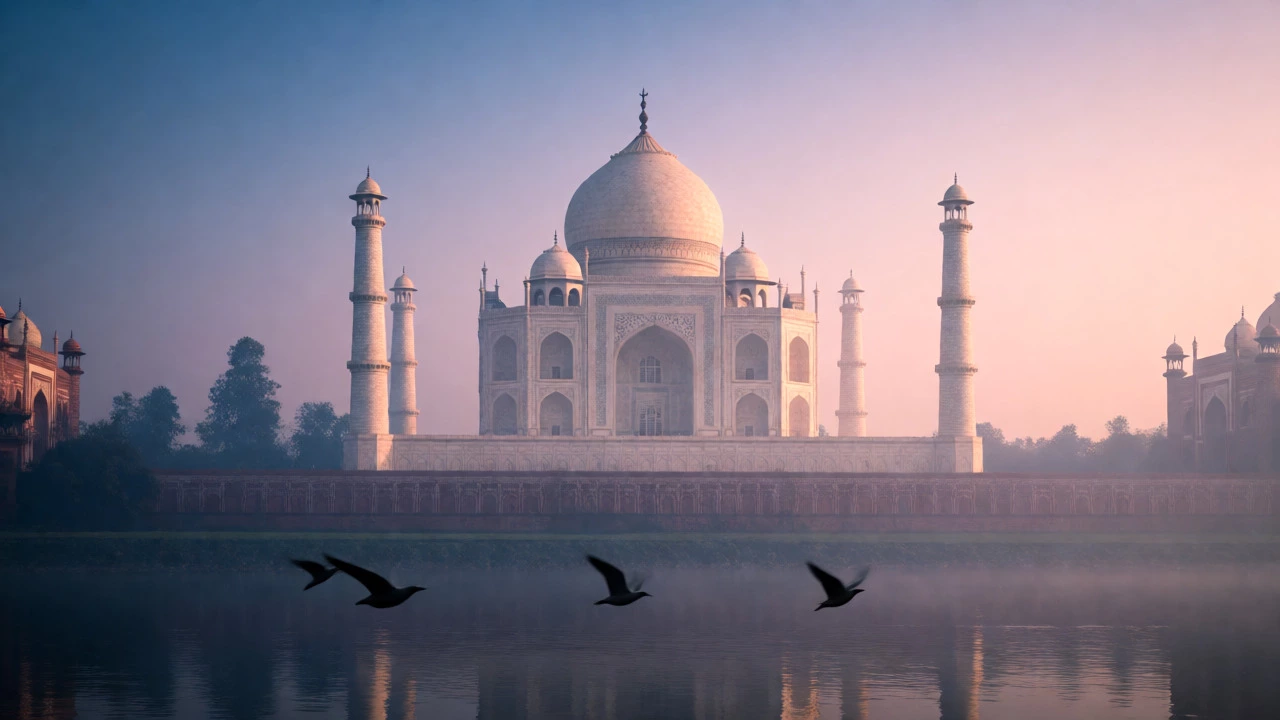
- Day 3: Drive to Agra (stop at Fatehpur Sikri). See Taj Mahal at sunset.
- Day 4: Sunrise at Taj Mahal, drive to Jaipur.
- Day 5-6: Jaipur (Amber Fort, City Palace, bazaars).
- Day 7: Return to Delhi or fly out from Jaipur.
The Sweet Spot: 14 to 21 Days
This is where the magic happens. With two to three weeks, you can pair the Golden Triangle with either the spiritual depth of Varanasi, the beaches of Goa, or the wildlife of Ranthambore. This duration allows for slower travel. You can take overnight sleeper trains instead of expensive flights, which saves money and adds an authentic layer to your journey.
Consider adding Varanasi to your list. It is intense, smoky, and spiritually overwhelming, but it provides a stark contrast to the royal grandeur of Rajasthan. Or, swap the desert for the jungle. A side trip to Ranthambore National Park lets you track tigers in their natural habitat, a bucket-list item for many travelers.
If you prefer coastlines, add five days in Goa. North Goa offers parties and markets; South Goa offers quiet palms and shacks. Just don’t try to do Goa and Rajasthan in two weeks unless you love airports. Pick one vibe. Do it well.
The Deep Dive: 30+ Days
Once you cross the month mark, you stop being a tourist and start becoming a traveler. This is when you can tackle the diversity of India’s geography. You can combine North and South, or explore the Northeast, or trek in the Himalayas.
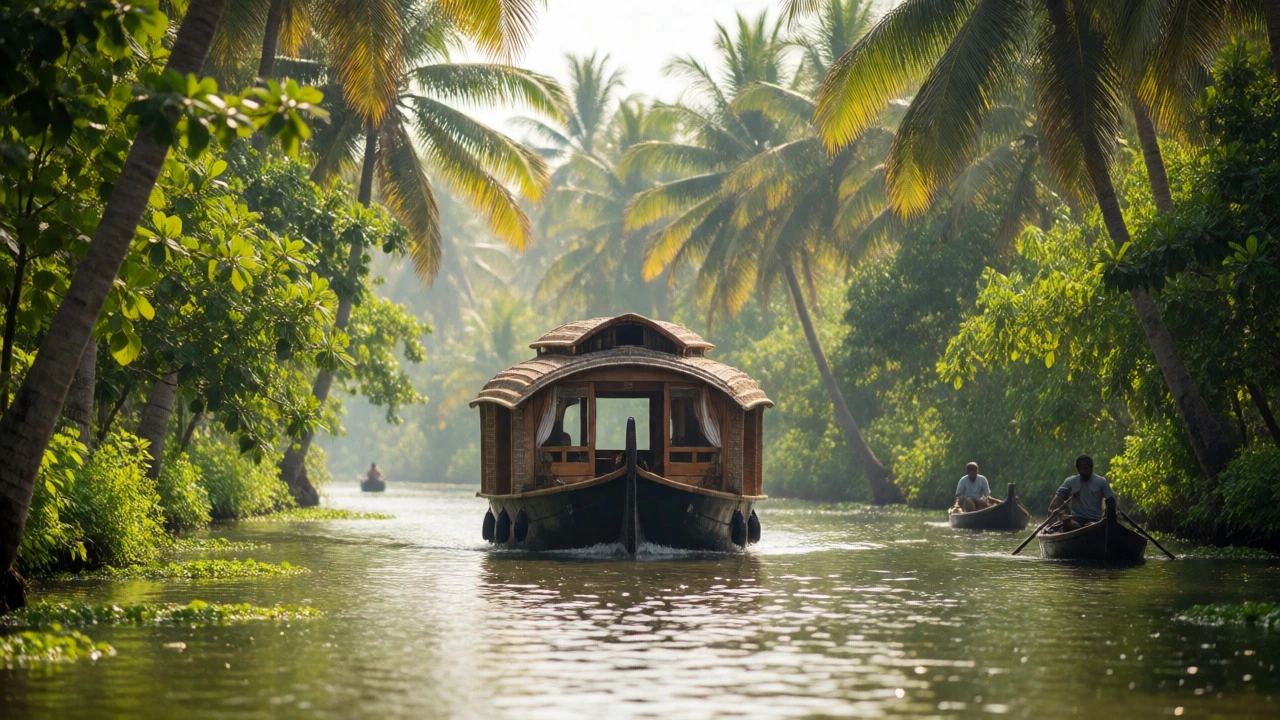
A 30-day itinerary often splits between the North and South. Start with the Golden Triangle, then fly down to Kerala for backwaters and Ayurvedic massages. Kerala is safe, clean, and lush-a complete palate cleanser after the dust of Delhi. Alternatively, head east to West Bengal for Kolkata’s colonial architecture and street food scene, then up to Darjeeling for tea plantations and mountain air.
| Duration | Best For | Key Regions | Pace |
|---|---|---|---|
| 7-10 Days | First-timers with limited leave | Golden Triangle (Delhi, Agra, Jaipur) | Fast-paced, checklist-driven |
| 14-21 Days | Most travelers seeking balance | North India + One Contrast (Goa/Varanasi/Wildlife) | Moderate, mix of sightseeing and relaxation |
| 30+ Days | Backpackers, digital nomads, deep divers | North & South Combo, or Specialized Region (Himalayas/Northeast) | Slow, immersive, flexible |
Budget Reality Check: How Time Affects Cost
Here is a counter-intuitive fact about budget travel in India: staying longer often costs less per day. Why? Because fixed costs like international flights and visa fees are amortized over more days. Plus, you can negotiate better rates for accommodation if you book weekly stays.
In major hubs like Delhi or Mumbai, a decent mid-range hotel might cost $40-$60 USD per night. In smaller towns or rural areas, you can find clean, comfortable guesthouses for $15-$25 USD. Food is incredibly cheap-street meals cost under $2, while restaurant dinners range from $5 to $15. If you stretch your trip to three weeks, you can afford slightly nicer hotels in key cities while keeping your overall daily spend low.
However, transportation costs scale with distance. Trains are cheap but slow; flights are fast but eat into your budget. For a 14-day trip, expect to spend around $1,500-$2,500 USD excluding flights. For a 30-day trip, you might spend $2,500-$4,000 USD, but you’re getting double the experiences for a fraction of the marginal cost.
Common Pitfalls That Waste Your Time
The biggest mistake people make is underestimating travel times within cities. Traffic in Mumbai or Bangalore can turn a 20-minute drive into a two-hour ordeal. Always pad your schedule. If a website says "close to the metro," ask a local how far that really is.
Another trap is trying to see too many UNESCO World Heritage Sites. India has 42 of them. You cannot see them all in two weeks. Pick the ones that resonate with your interests. Are you into Mughal architecture? Focus on Agra and Delhi. Into Dravidian temples? Go to Tamil Nadu. Trying to force-feed history leads to museum fatigue.
Finally, ignore the weather. Planning a trip to Rajasthan in June means dealing with 45°C (113°F) heat. You will spend your days hiding in AC rooms, not exploring forts. October to March is peak season for North India. Monsoon season (June-September) is beautiful in the Western Ghats and Kerala but miserable in Delhi and Rajasthan.
Final Verdict: What Number Works for You?
If you are anxious about culture shock, start with 10 days in the Golden Triangle. Get comfortable with the chaos, the food, and the pace. If you crave adventure and variety, aim for 18 days. Add a beach or a jungle. If you are ready to lose yourself in the subcontinent, give yourself a month. You will never regret having extra time in India; you will always regret cutting it short.
Is 10 days enough to visit both North and South India?
No, 10 days is too short to properly experience both regions. You would spend too much time traveling between them. Stick to one region for 10 days, or extend your trip to at least 18-21 days if you want to see both the Golden Triangle and places like Kerala or Goa.
What is the cheapest way to travel between cities in India?
Trains are the cheapest and most authentic way to travel. Sleeper class tickets can cost as little as $5-$10 for medium distances. However, they require advance booking due to high demand. Buses are also affordable but can be less comfortable for long journeys.
Do I need a separate visa for different parts of India?
No, a standard Indian e-Visa covers most of the country. However, some restricted areas in the Northeast and Ladakh may require additional Inner Line Permits (ILPs), which are easy to obtain locally or online.
How many days should I spend in Delhi specifically?
Two full days are sufficient for most tourists. This allows time for Old Delhi (Jama Masjid, Chandni Chowk) and New Delhi (Humayun’s Tomb, Qutub Minar, Lotus Temple). If you love history or museums, add a third day.
Is it safe to travel alone in India for a month?
Yes, millions of solo travelers visit India annually. Safety concerns vary by gender and location. Women often feel safer in groups or using reputable transport apps. Staying aware of surroundings and dressing modestly in conservative areas helps significantly.