How Much Money Do I Need to Travel to India on a Budget?
- Feb, 3 2026
- 0 Comments
- Aaron Blackwood
India Budget Calculator
Your Travel Preferences
Your Estimated Budget
Note: This excludes international flights and vaccinations.
Use cash for small vendors and book through local platforms like OYO for best prices.
Planning a trip to India doesn’t have to mean draining your savings. In fact, you can explore the Taj Mahal, hike in the Himalayas, or wander through bustling markets in Jaipur for far less than most people assume. The real question isn’t whether you can afford it-it’s how you spend your money while you’re there. A well-planned budget trip to India can cost as little as $25 a day, but if you’re looking for comfort, flexibility, or deeper experiences, you’ll likely spend between $40 and $80 a day. Here’s exactly what you need to know to plan your trip without surprises.
Accommodation: Where You Sleep Matters Most
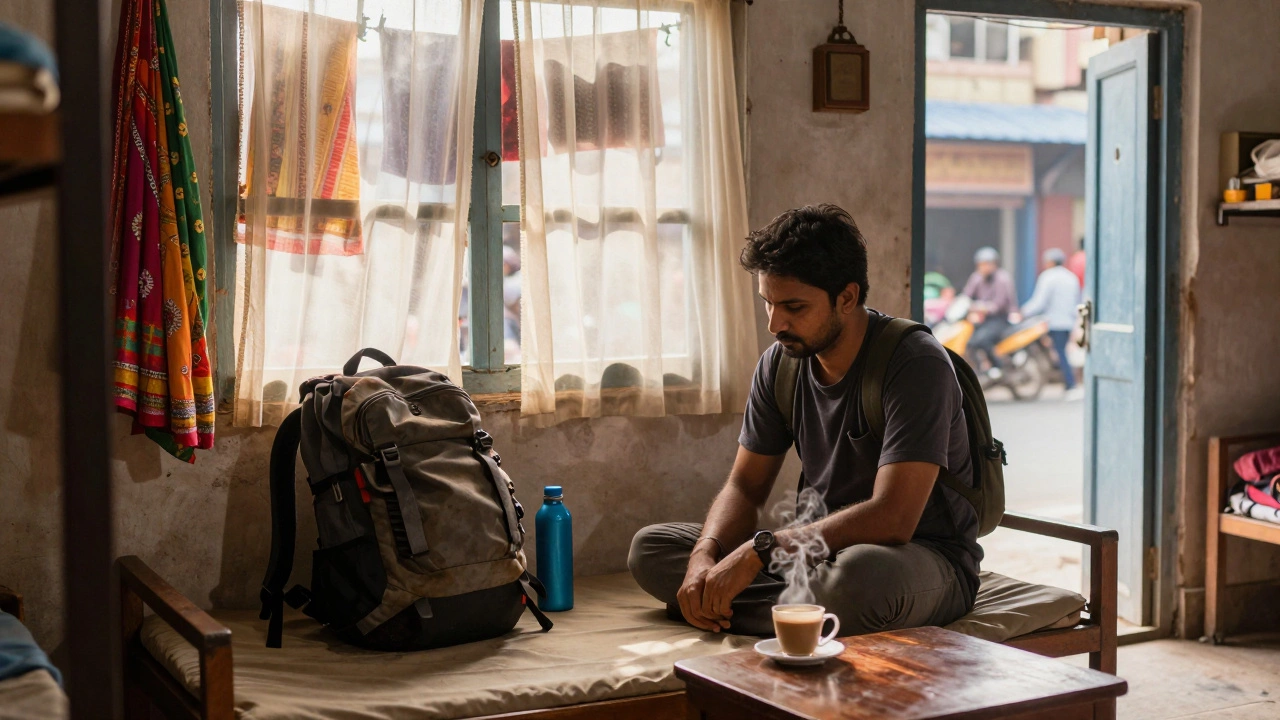
Your lodging is the biggest variable in your budget. In India, you can find clean, safe, and surprisingly comfortable places to sleep for as little as $5-$10 a night. Hostels in cities like Delhi, Varanasi, or Goa offer dorm beds with shared bathrooms. If you prefer privacy, a basic double room in a local guesthouse runs $12-$20. These places often include breakfast and sometimes even laundry service.
Mid-range hotels-think clean, air-conditioned rooms with hot water and Wi-Fi-cost $25-$40 a night in most tourist areas. In places like Udaipur or Mysore, you can even find heritage havelis (traditional mansions) converted into boutique stays for under $50. Stick to booking through trusted local platforms like OYO or MakeMyTrip, not international sites that inflate prices.
Food: Eat Like a Local, Not Like a Tourist
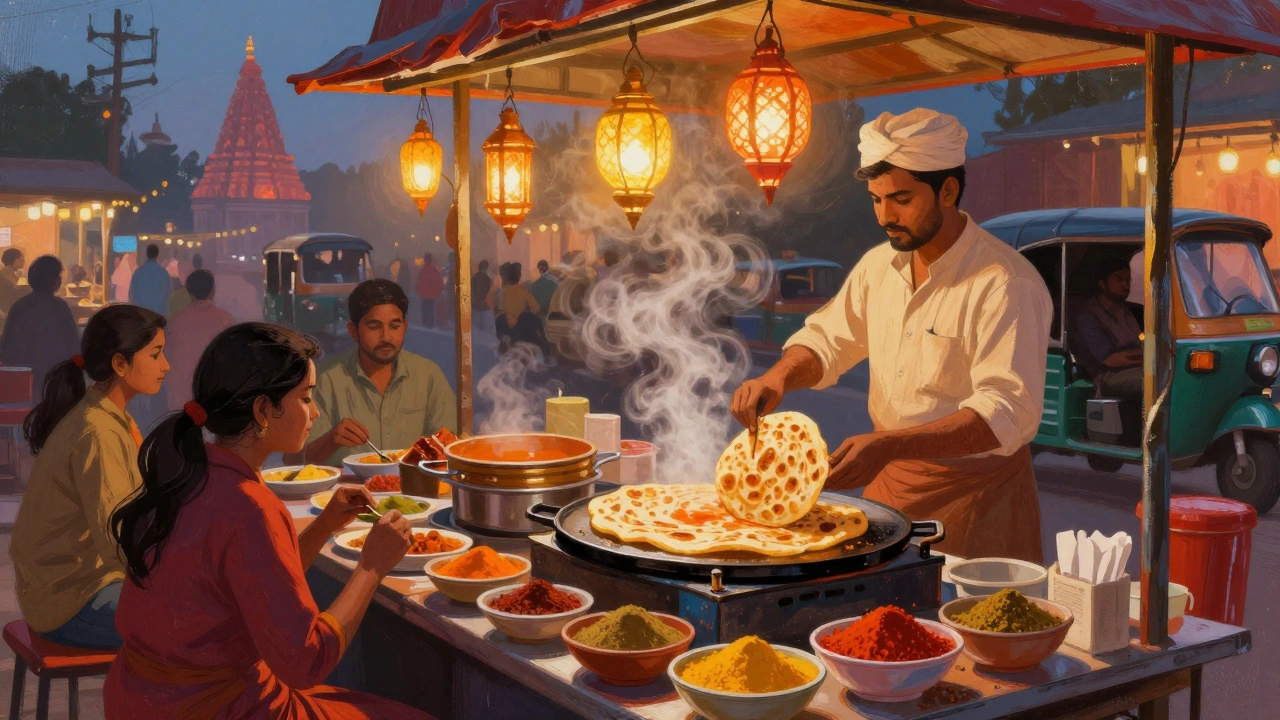
One of the best parts of traveling in India? The food is cheap and incredible. Street food is not just affordable-it’s a cultural experience. A plate of dosa, samosa, or chole bhature costs $0.50-$1.50. A full meal at a local eatery (thali with rice, dal, vegetables, roti, and yogurt) runs $2-$4. You’ll rarely pay more than $5 for a filling dinner, even in tourist-heavy areas.
Don’t avoid street food because of safety fears. Stick to busy stalls where food is cooked fresh in front of you. Look for vendors with a high turnover-crowds are your best indicator of freshness. If you’re feeling cautious, stick to cooked items like chai, parathas, or grilled vegetables. Avoid raw salads and unpeeled fruit unless you’re sure they’ve been washed in purified water.
Restaurant meals for tourists (think touristy Indian restaurants with English menus) can cost $8-$15. Skip these unless you’re celebrating. The real flavor is on the streets.
Transportation: Trains, Tuk-Tuks, and Buses
India’s train system is one of the most efficient and affordable ways to travel long distances. A second-class sleeper ticket from Delhi to Agra (about 200 km) costs $7-$10 and takes 4-5 hours. A 12-hour overnight journey from Delhi to Jaipur runs $12-$18. Book tickets through the official IRCTC website or app-it’s reliable and often cheaper than third-party sites.
For shorter trips, auto-rickshaws are everywhere. Always agree on a price before you get in. In most cities, a 5-kilometer ride costs $1-$2. In bigger cities like Mumbai or Bangalore, you can use apps like Ola or Uber, which are usually 30% cheaper than haggling with drivers.
Long-distance buses are even cheaper than trains. State-run Volvo buses offer air-conditioned seats for $10-$20 on routes like Bangalore to Mysore or Hyderabad to Hyderabad. They’re clean, on time, and often include snacks.
Sightseeing and Entry Fees
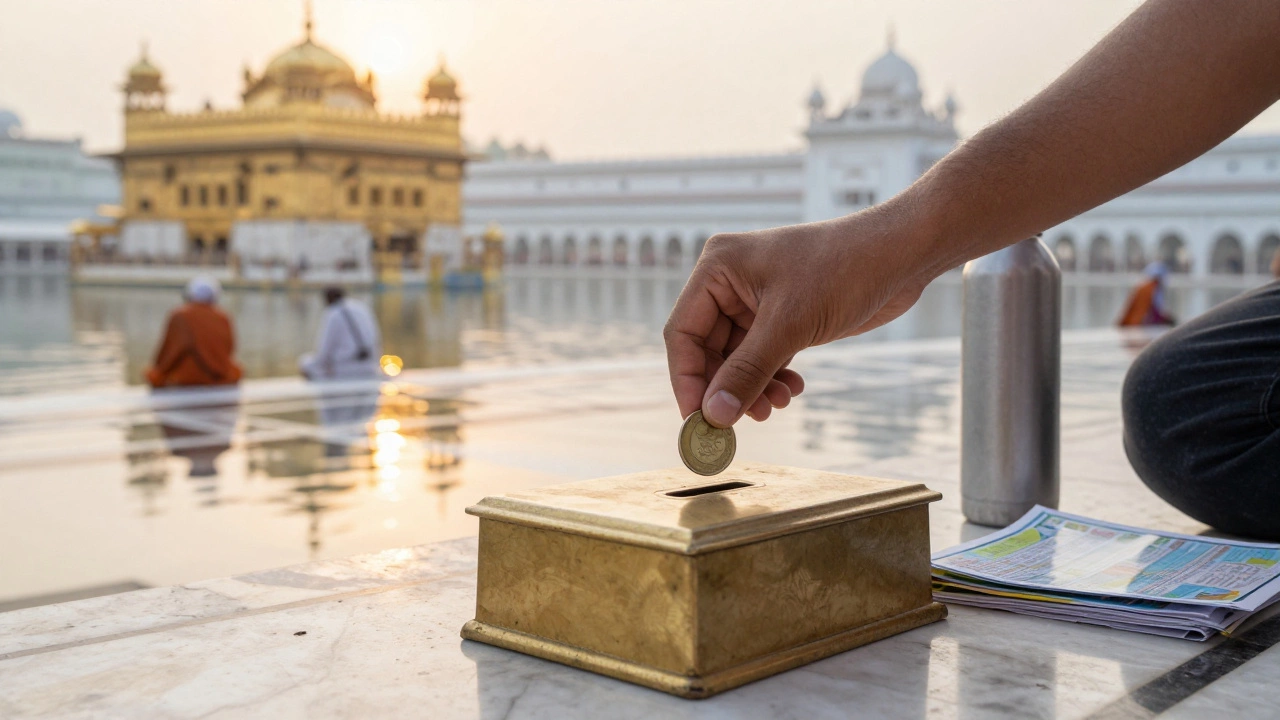
Most major attractions in India have low entry fees, especially for international visitors. The Taj Mahal costs $15 for foreigners. Humayun’s Tomb in Delhi? $4. The Red Fort? $8. Many temples don’t charge entry at all-though some, like the Golden Temple in Amritsar, ask for a small donation ($1-$2).
Guided tours aren’t necessary for most sites, but if you want context, hiring a local guide for a half-day costs $10-$15. Many guides speak excellent English and know stories you won’t find in guidebooks. Avoid package tour operators who charge $50+ for the same thing.
Don’t forget that many places have separate ticket prices for locals and foreigners. Always ask if there’s a “foreigner rate” before paying. You’ll usually pay 5-10 times more than an Indian visitor-but it’s still dirt cheap by global standards.
Shopping, Tips, and Hidden Costs
India is a shopper’s paradise, but it’s easy to overspend if you’re not careful. A handwoven silk scarf from Varanasi might cost $15. A hand-painted wooden box from Jaipur? $8. Bargaining is expected, so start at half the asking price and meet halfway. Don’t feel pressured to buy-many vendors will follow you for blocks. Smile, say “no thank you,” and keep walking.
Tipping isn’t mandatory, but it’s appreciated. Round up your auto-rickshaw fare by $0.50-$1. Leave $1-$2 for hotel staff who carry your bags. In restaurants, 5-10% is generous if service wasn’t included.
Hidden costs? SIM cards. A local SIM with 10GB of data costs $3-$5. Travel insurance? Don’t skip it. A basic plan for 30 days runs $30-$50. Vaccines? Check with your doctor-some, like typhoid or hepatitis A, are recommended. They’re not expensive, but they add up.
Real-World Budget Examples
Here’s what a 14-day trip might look like, broken down by spending level:
- Backpacker Budget ($350 total): $5/night hostels, $2 meals, local buses, free temple visits, no paid tours. You’ll see the highlights but skip comfort.
- Comfortable Budget ($700 total): $15/night guesthouses, $4 meals, train rides, 1-2 guided tours, a few souvenirs. This is the sweet spot for most travelers.
- Relaxed Budget ($1,100 total): $30/night hotels, restaurant meals, private taxis for day trips, better accommodation in places like Ranthambore or Kerala. You’ll travel slower and enjoy more.
These numbers don’t include international flights. From New Zealand, round-trip tickets to Delhi or Mumbai start at $1,000-$1,400 in February. Book early-prices rise sharply after April.
What to Skip to Save Money
Don’t waste money on:
- Expensive tourist restaurants with English menus
- Pre-booked package tours that include overpriced hotels
- Guided walks that charge $20+ for a 2-hour city tour
- Overpriced souvenirs sold near monuments
- Hotel minibars or bottled water sold inside tourist zones
Instead, carry a reusable water bottle and refill it with filtered water (available at most guesthouses). Use free walking tours led by locals-many are donation-based and way more authentic.
Final Tip: Pay in Cash, But Carry a Backup Card
Cash is still king in India. Most small vendors, guesthouses, and transport drivers don’t accept cards. Carry Indian rupees (INR) in small denominations-100, 200, and 500 notes are easiest to use. ATMs are everywhere, but withdrawal fees add up. Use a no-foreign-transaction-fee card like those from Wise or Revolut.
Always keep one credit card hidden in a separate place. If your cash runs out or your card gets blocked, you’ll have a backup. And never carry all your money in one place.
Can I travel to India on $20 a day?
Yes, but only if you’re willing to sleep in hostels, eat street food, use local buses, and skip paid attractions. You’ll miss out on comfort and some experiences, but you’ll still see the heart of India. It’s doable for 10-14 days if you’re frugal and flexible.
Is India safe for solo travelers on a budget?
Generally, yes. India is one of the most popular destinations for solo backpackers. Women should dress modestly in rural areas and avoid isolated areas at night. Men should be cautious of overly persistent vendors or guides. Most locals are helpful and respectful. Stick to well-traveled routes, book accommodations in advance, and trust your instincts.
What’s the best time of year to visit India on a budget?
February to April is ideal. The weather is dry and pleasant across most of the country, and prices are still low before peak season (May-September). Avoid monsoon season (June-September) if you’re hiking or traveling by bus-delays and flooding are common. December and January are also good, but prices rise due to holidays.
Do I need a visa to travel to India?
Yes. Most travelers need an e-Visa, which costs $80 for a 60-day tourist visa. Apply online at least 4 days before departure. Processing takes 2-3 days. Don’t rely on visa-on-arrival-it’s no longer available for most nationalities. Make sure your passport has at least six months of validity.
How much should I budget for flights from New Zealand?
Round-trip flights from Wellington or Auckland to Delhi or Mumbai typically cost $1,000-$1,400 in February. Prices jump to $1,600+ during holiday seasons. Book 3-4 months ahead and use Google Flights to track price drops. Consider flying into Dubai or Doha and connecting-it’s sometimes cheaper.
Final Thought: You Don’t Need a Lot to Have a Lot
India doesn’t ask for much. You don’t need luxury to feel its magic. A quiet morning at the Ganges, the scent of cardamom in a roadside chai stall, the sound of temple bells echoing through an ancient courtyard-these moments cost nothing. The money you spend? It’s just the key to get there. The rest? That’s yours to discover.