How Safe Is India for Tourists in 2025? A Realistic Guide for North India Travelers
- Dec, 4 2025
- 0 Comments
- Aaron Blackwood
North India Safety Risk Calculator
Get a personalized safety assessment based on your travel profile and destination. Enter your details to receive tailored recommendations.
India isn’t the dangerous place you might hear about in headlines. But it’s also not the worry-free paradise some travel blogs make it out to be. If you’re planning a trip to North India-whether it’s the golden dunes of Rajasthan, the spiritual streets of Varanasi, or the snow-capped peaks of Himachal-you need real, grounded advice. Not fear-mongering. Not sugarcoating. Just what actually happens on the ground.
Crime Rates Are Lower Than You Think
In 2024, India recorded 4.3 million crimes across a population of 1.4 billion. That’s about 0.3% of the population. Most of those were petty thefts, scams, or minor altercations. For tourists, the biggest risk isn’t violent crime-it’s pickpocketing in crowded places like Delhi’s Chandni Chowk or Agra’s Taj Mahal complex. A 2023 survey by the Indian Ministry of Tourism found that 92% of foreign visitors reported no serious safety incidents during their stay.
Violent crime targeting tourists is rare. There are no organized gangs hunting foreigners. No widespread kidnapping rings. What you’ll mostly encounter are aggressive touts, overpriced taxi drivers, and vendors who won’t take no for an answer. These are annoyances, not dangers. Learn to say “Nahi, dhanyavaad” (No, thank you) firmly and walk away. Most will move on.
Women Traveling Alone? Here’s What Actually Works
If you’re a woman traveling solo, you’ve probably heard stories that scare you. The truth? North India is safer for solo female travelers now than it was five years ago. Why? More women are doing it-and speaking up.
In 2024, over 380,000 solo female tourists visited North India. That’s up 47% from 2020. Many stay in homestays run by local families, join small group tours, or use apps like SafeTravel India to verify drivers and accommodations. In Jaipur, you’ll see women in hijabs and Western clothes walking alone at night near hotels in the old city. In Rishikesh, female travelers hike to waterfalls alone and eat at roadside dhabas without issue.
That doesn’t mean you ignore basics. Avoid isolated areas after dark. Don’t wear flashy jewelry. Use ride-hailing apps like Ola or Uber instead of hailing cabs on the street. Keep your phone charged. Most importantly-trust your gut. If a situation feels off, leave. No one will judge you for being cautious.
Transportation: The Real Risk Area
India’s roads are chaotic. That’s not hype. In 2023, over 160,000 people died in road accidents across the country. Most were locals. But tourists are at higher risk because they’re unfamiliar with how traffic actually flows.
Don’t rent a scooter unless you’ve ridden one in heavy traffic before. The roads in Varanasi, Agra, and Amritsar have no lanes. Cars, cows, bicycles, and pedestrians all share the same space. Drivers don’t signal. They honk. A lot.
Stick to pre-booked private drivers with verified reviews. Use services like Goibibo or MakeMyTrip to book airport transfers and day trips. These companies use trained drivers, provide GPS-tracked vehicles, and offer 24/7 support. For longer journeys, book AC trains through IRCTC. The Rajdhani and Shatabdi express trains are clean, secure, and on time.
Scams Are Common-But Easy to Avoid
Scams aren’t about violence. They’re about pressure. You’ll get approached by someone who says, “The Taj Mahal is closed today.” Or, “Your guide is waiting at the next gate.” Or, “This temple is free for foreigners.” None of it’s true.
The most common scam? Fake tour guides. They’ll offer to show you “the best view” of the Taj Mahal for 500 rupees. You pay. They take you to a crowded rooftop café. The view is the same as the main gate. You’re out 500 rupees and 20 minutes.
How to avoid it? Always check official websites before you go. The Archaeological Survey of India (ASI) lists authorized guides at every major site. Pay only for government-certified guides. If someone says they’re “official,” ask for their ID. If they hesitate, walk away.
Another one: the “broken phone” scam. Someone approaches you, says their phone is dead, and asks for money to call a relative. They’re not broke. They’re working in teams. One distracts you while another picks your bag. Never give cash to strangers asking for help.
Health and Hygiene: What You Need to Know
Food poisoning is the most common health issue tourists face. It’s not because India is dirty-it’s because your stomach isn’t used to the spices, water, or street food.
Drink only bottled water. Even ice in drinks can be risky. Stick to sealed bottles from brands like Bisleri or Aquafina. Avoid raw salads unless they’re washed in purified water. Street food? Absolutely fine-if you choose wisely. Look for stalls with long lines of locals. The food turns over fast. That means it’s fresh.
Carry oral rehydration salts. They’re cheap and sold everywhere. If you get sick, rest, drink fluids, and wait 24-48 hours. Most cases clear up on their own. Hospitals in Delhi, Jaipur, and Agra have good English-speaking doctors. Pharmacies stock common medicines without a prescription.
Where You’re Most Likely to Feel Safe
Not all of North India is the same. Some places are built for tourists. Others? Not so much.
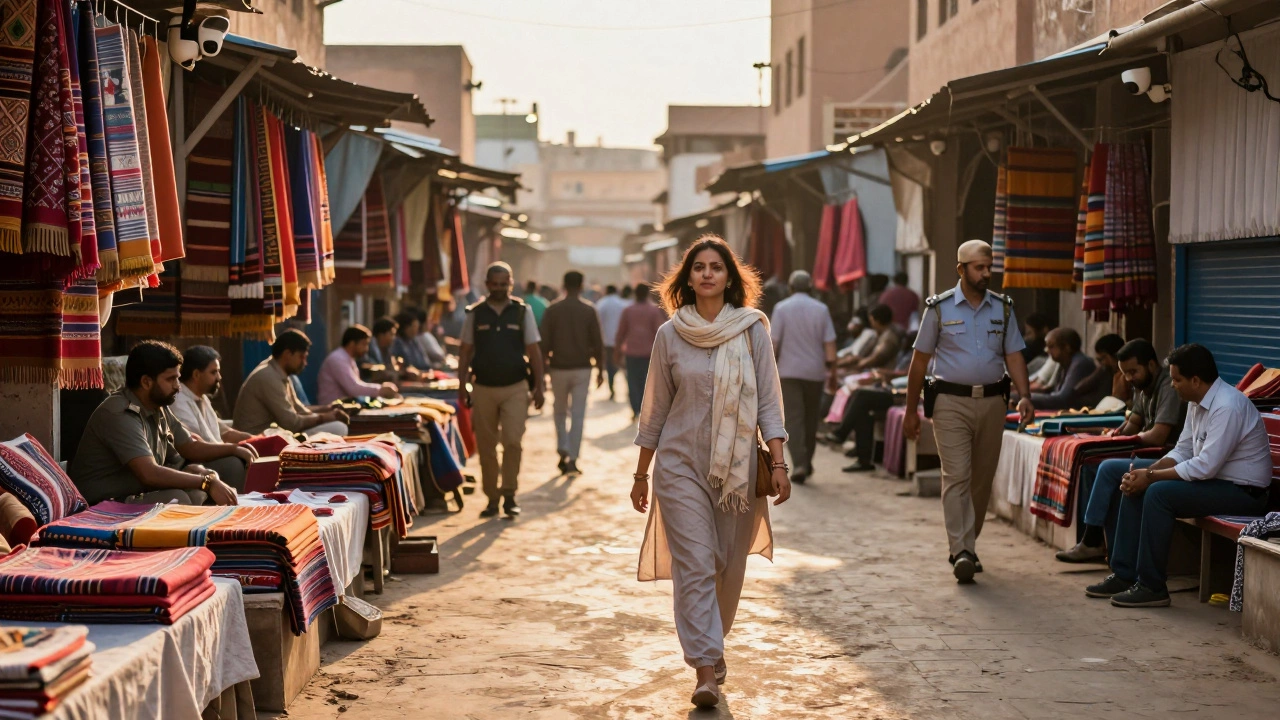
Jaipur has a tourist police force. They wear uniforms, carry walkie-talkies, and help with lost passports. The city has CCTV cameras in the old bazaar. Tourists are common here.
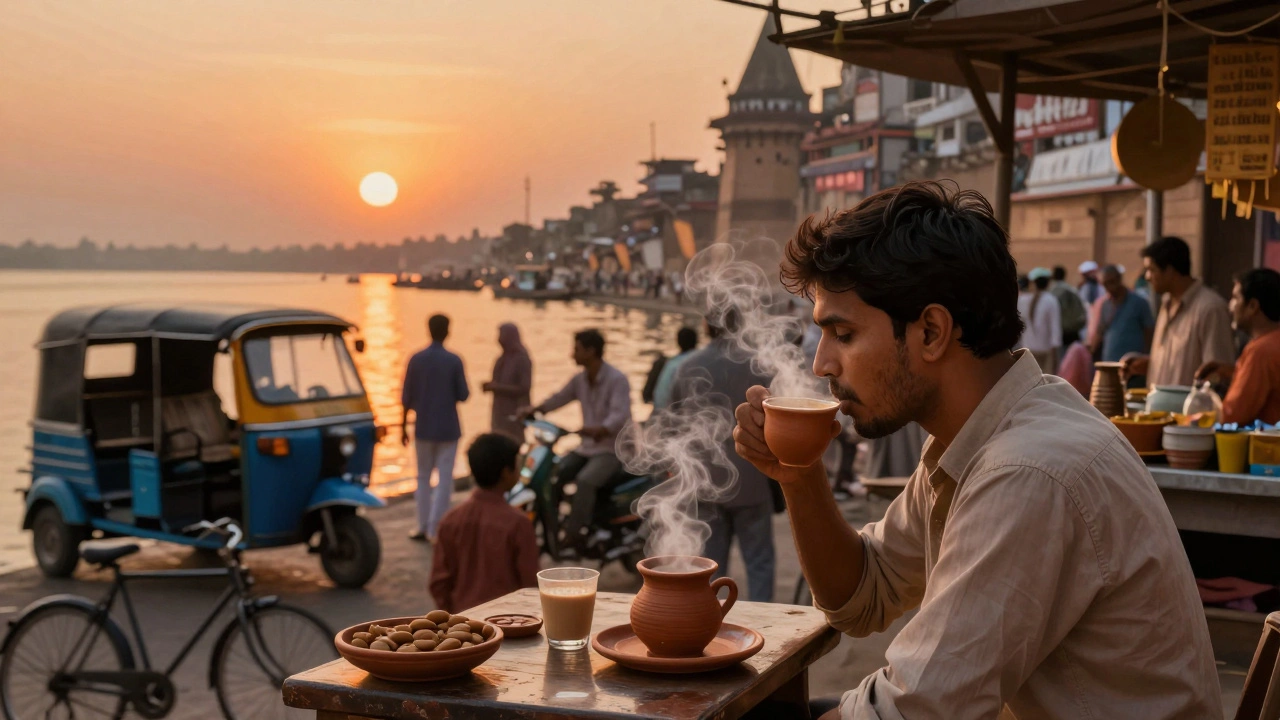
Varanasi is intense-but safe if you stick to the ghats and book hotels near the river. Locals are used to foreigners. Many speak English. Just avoid wandering into narrow alleys alone after dark.
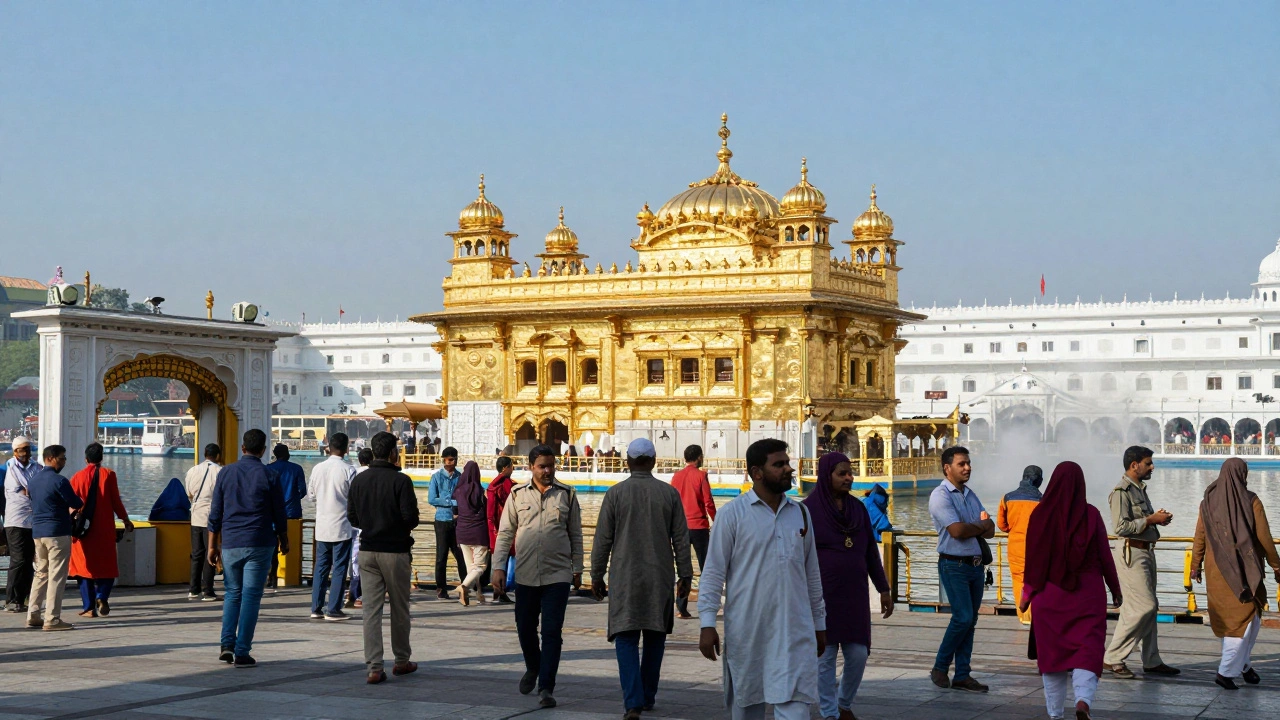
Amritsar is one of the safest cities for tourists. The Golden Temple welcomes over 100,000 visitors daily. Security is tight. Free meals are served to everyone. You’ll feel more welcome here than in many Western towns.
Shimla and Manali are quiet, clean, and calm. The air is crisp. The people are friendly. You’ll see more foreign couples than locals. It’s the perfect place to unwind.
Stay away from border areas like parts of Punjab near Pakistan. These are restricted zones. You need special permits. Stick to the main tourist circuits.
What to Pack for Safety
- A portable door stopper (for hotel rooms)
- A money belt or hidden pouch
- A universal adapter with surge protection
- A local SIM card with data (Airtel or Jio work best)
- A printed copy of your passport and visa
- A small first-aid kit with anti-diarrheal meds
- A power bank (electricity cuts happen)
Don’t bring expensive cameras or jewelry. You don’t need them. Your phone is enough.
Final Reality Check
India won’t feel like Europe or the U.S. It’s louder, messier, and more intense. But it’s also more alive. More real. More human.
Thousands of tourists visit North India every day. Most leave with stories of kindness, not fear. A man in Delhi bought a tourist a chai when he saw them looking lost. A woman in Rishikesh taught a group of Americans how to tie a dupatta. A driver in Agra refused payment because he said, “You’re my guest.”
Travel isn’t about avoiding risk. It’s about managing it. India doesn’t need you to be fearless. It just needs you to be smart.
If you prepare, stay aware, and trust your instincts-you’ll be safer here than in many cities back home.
Is North India safe for solo female travelers?
Yes, North India is increasingly safe for solo female travelers, especially in popular tourist areas like Jaipur, Varanasi, Amritsar, and Shimla. Many women travel alone using verified transport apps, staying in homestays, and joining small group tours. Avoid isolated areas after dark, dress modestly, and trust your instincts. Local women often offer help and guidance, and tourist police in cities like Jaipur are trained to assist foreigners.
Are taxis safe in India?
Pre-booked taxis through apps like Ola or Uber are safe and reliable. Avoid street-hailed cabs, especially at night. Drivers using these apps are verified, GPS-tracked, and rated by users. Always check the driver’s photo and license plate before getting in. If a driver tries to take a detour, use Google Maps to verify your route. Most scams happen when tourists agree to unregistered drivers.
Can I drink tap water in India?
No. Tap water is not safe for tourists. Even in luxury hotels, the water may be treated locally but not to international standards. Always drink bottled water from sealed containers of brands like Bisleri, Aquafina, or Kinley. Avoid ice unless you’re sure it’s made from purified water. Use bottled water for brushing your teeth too. Many hotels provide filtered water dispensers-check before you drink.
What should I do if I get robbed?
If you’re robbed, stay calm. Your safety comes first-don’t resist. Report the incident immediately to local police. Most tourist areas have dedicated tourist police units. Carry a copy of your passport and visa, not the original. Notify your embassy. Most thefts are petty-wallets, phones, or bags left unattended. Use a money belt and avoid displaying valuables. Travel insurance that covers theft is highly recommended.
Is it safe to eat street food in North India?
Yes, if you choose wisely. Look for stalls with a high turnover of customers-locals are your best indicator. Food cooked fresh in front of you is safer than pre-prepared items. Avoid raw salads and unpeeled fruits unless washed in purified water. Stick to hot, spicy dishes-they’re less likely to harbor bacteria. Many tourists get mild stomach upset, but it’s usually short-lived. Carry oral rehydration salts and probiotics as a precaution.
Are there any areas in North India I should avoid?
Avoid border regions near Pakistan, such as parts of Punjab and Jammu, unless you have official permission. These areas have restricted access and heightened security. Stick to the main tourist circuits: Delhi, Agra, Jaipur, Varanasi, Amritsar, Rishikesh, and Shimla. Even in these cities, avoid poorly lit alleys and isolated areas after dark. Most tourist zones are well-monitored and safe. Always check government travel advisories before visiting lesser-known towns.
How do I contact emergency services in India?
Dial 112 for police, fire, or medical emergencies. It’s India’s unified emergency number and works nationwide. You can also call 100 for police, 101 for fire, and 102 for ambulance. Tourist police in major cities have direct hotlines. Save the number of your country’s embassy in Delhi. Many hotels can help you contact authorities quickly. Keep your phone charged and your local SIM active.