How to Plan a Whole India Trip: Budget Guide for 2026
- Jul, 17 2026
- 0 Comments
- Aaron Blackwood
India Trip Budget & Itinerary Planner
Trip Details
Your Trip Estimate
| Expense Category | Daily Avg. | Total |
|---|
Recommended Itinerary Arc
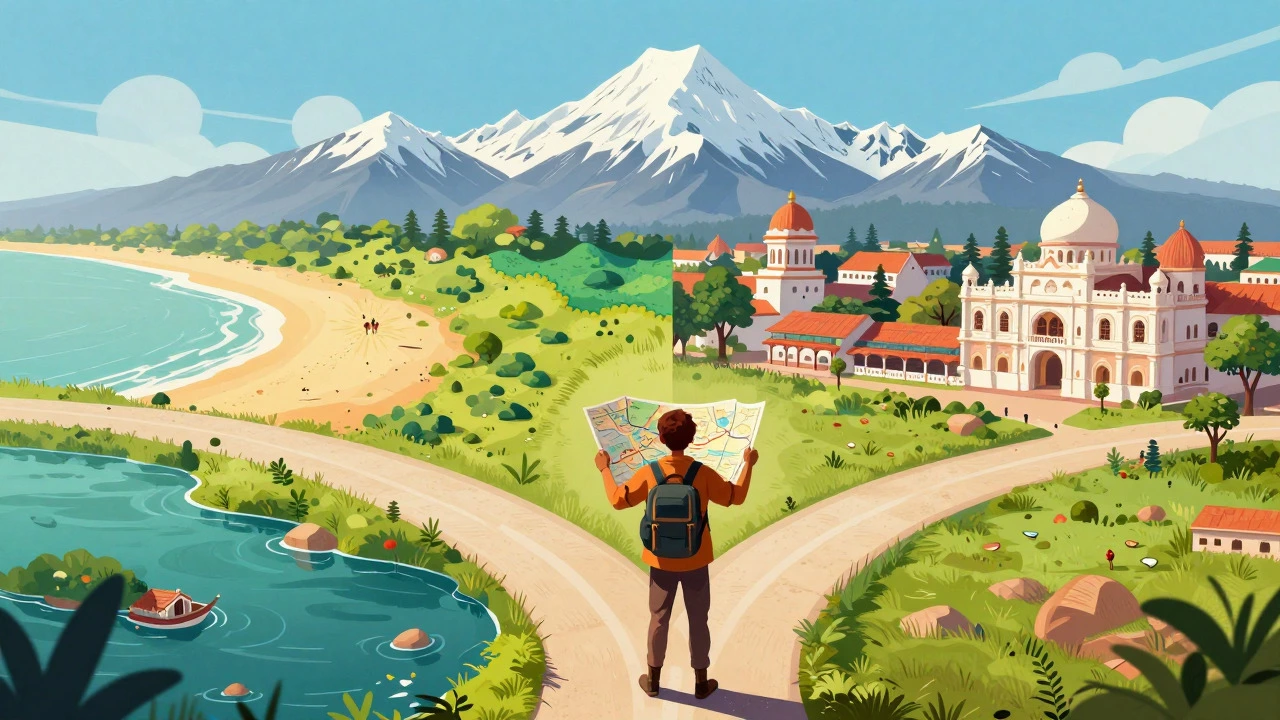
India is not just a country; it is a continent disguised as one. Trying to plan a "whole India" trip can feel like trying to drink from a firehose. You have the snow-capped Himalayas in the north, the sun-soaked beaches of Goa in the west, the colonial architecture of Kolkata in the east, and the lush backwaters of Kerala in the south. If you try to see everything, you will end up doing nothing but sitting in transit.
The secret to a successful whole-India trip isn't about cramming in every landmark. It is about understanding the rhythm of the subcontinent. With careful planning, you can stitch together these diverse regions without breaking the bank or burning out. Here is how you map out an epic journey across India in 2026 while keeping your budget intact.
1. Define Your Geographic Arc
First, stop thinking of India as a single block. Think of it as four distinct zones that connect via major transportation hubs. For a first-time traveler looking to cover the most ground efficiently, the classic "Golden Triangle + South" arc is the most logical starting point.
- The North (The Golden Triangle): Delhi, Agra, and Jaipur. This is where most people start because of the airport connectivity. You get history, culture, and chaos all in one package.
- The West (Spirituality & Beaches): Varanasi for spiritual intensity, followed by Udaipur for lakeside romance, and finally Goa for relaxation.
- The South (Nature & Heritage): Bangalore for tech and food, Mysore for palaces, and Kerala for backwaters and tea plantations.
- The East (Culture & Wildlife): Kolkata for literature and art, and Darjeeling for mountain views.
If you have three weeks, stick to the North and West. If you have a month, add the South. Trying to hit the East as well requires at least six weeks. Be honest with yourself about your time limits. The distance between Delhi and Kochi is roughly equivalent to driving from New York to Miami.
2. Master the Visa Process Early
In 2026, the e-Visa system remains the standard for most international travelers. Do not wait until you are packing your bags. Apply at least four weeks before your departure date. The process is entirely online, but processing times can fluctuate based on global demand and security checks.
Make sure your passport has at least six months of validity remaining from your date of entry. Many travelers get stuck at the counter because their passport expires too soon. Once approved, print two copies of your e-Visa approval. While digital copies are accepted, having physical backups saves headaches if your phone dies or loses signal at immigration.
3. Choose the Right Time to Visit
Timing is everything in India. The weather dictates your comfort level and even your costs.
- October to March: This is peak season. The weather is pleasant across most of the country. Prices for hotels and flights are higher, and crowds are thicker. However, this is the best time for sightseeing in the North and West.
- April to June: Extreme heat hits the plains. Temperatures in Delhi and Rajasthan can exceed 45°C (113°F). This is a great time for the Western Ghats in the South, which remain cooler and greener due to early monsoon showers.
- July to September: Monsoon season. Heavy rains can disrupt train schedules and make outdoor trekking difficult. However, landscapes turn lush green, and hotel rates drop significantly. This is ideal for budget travelers who don't mind getting wet.
For a whole-India trip, aim for late October or November. You catch the tail end of the monsoon in the South and the beginning of the cool winter in the North.
4. Navigate the Train Network Like a Pro
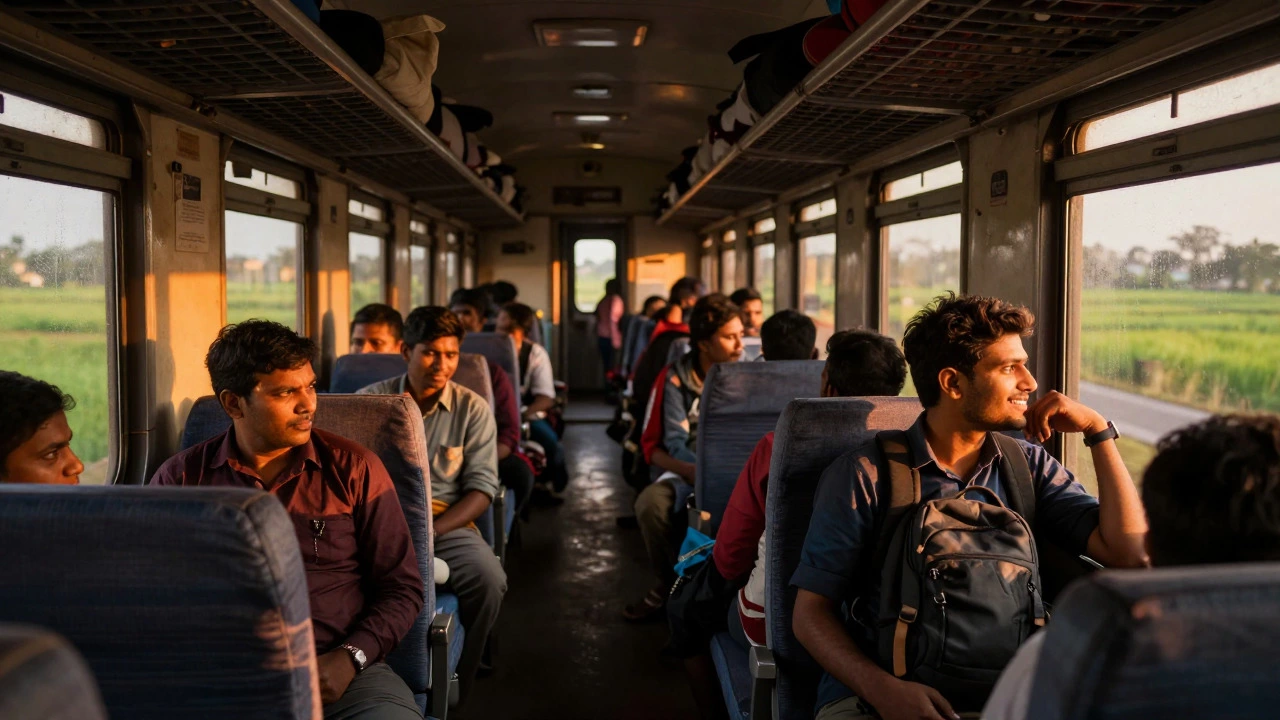
Trains are the backbone of Indian travel. They are cheap, scenic, and offer a cultural experience you cannot get anywhere else. However, booking them requires strategy.
Use the official IRCTC website or app to book tickets. Foreigners can now book directly through IRCTC without needing an Indian resident's help. Tickets open for reservation 120 days in advance. Popular trains like the Rajdhani, Shatabdi, and Vande Bharat sell out within minutes. Set alarms and be ready to click fast.
If you miss out on confirmed tickets, look for "Tatkal" bookings, which open one day prior to travel. These are more expensive but guarantee a seat if you act quickly. Alternatively, consider sleeper class for overnight journeys. It is cheaper than AC classes and offers a chance to interact with locals, though it requires patience and flexibility regarding cleanliness and noise levels.
| Class Type | Comfort Level | Approximate Cost (INR) | Best For |
|---|---|---|---|
| First AC (1A) | Private cabin, 2-4 beds | High | Privacy seekers, families |
| Second AC (2A) | Closed compartment, 6 beds | Medium-High | Balanced comfort and cost |
| Third AC (3A) | Closed compartment, 8 beds | Medium | Budget-conscious travelers |
| Sleeper (SL) | Open bay, 72 berths | Low | Backpackers, socializers |
5. Manage Your Money Wisely
India is still very cash-friendly, although digital payments via UPI (Unified Payments Interface) are everywhere. As a foreigner, you won't easily set up UPI, so carry a mix of cash and cards.
ATMs are widely available in cities and towns. Use ATMs attached to major banks like HDFC, ICICI, or State Bank of India to avoid hidden fees. Inform your home bank about your travel dates to prevent card blocks. Keep small denominations of rupees for street vendors, auto-rickshaws, and temple donations. Large bills are often hard to break in smaller shops.
A daily budget of $30-$50 USD can comfortably cover accommodation, food, and local transport for a solo traveler. You can eat delicious meals for under $2 USD and stay in clean hostels or guesthouses for $10-$15 per night. Luxury options exist, but they are not necessary for a rich experience.
6. Stay Safe and Healthy
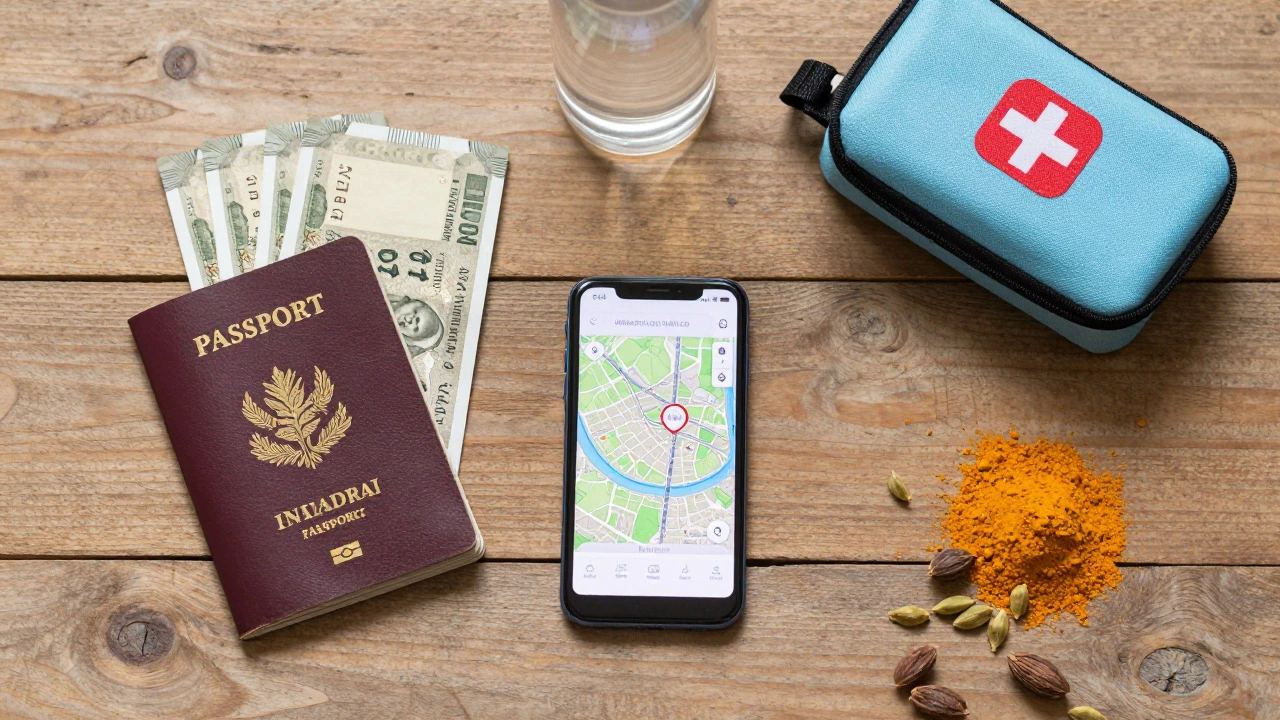
Health precautions are non-negotiable. Drink only bottled or filtered water. Avoid ice cubes in drinks unless you are sure they are made from purified water. Street food is generally safe if it is cooked fresh and hot in front of you. Skip raw salads and unpeeled fruits from roadside stalls.
Carry a basic medical kit including oral rehydration salts, anti-diarrheal medication, and antiseptic cream. Travel insurance that covers medical evacuation is highly recommended. In terms of safety, India is generally safe for tourists, but petty theft can occur in crowded areas. Keep your valuables in a money belt or hidden pouch. Women travelers should dress modestly to respect local customs and reduce unwanted attention.
7. Pack Light and Smart
You will be moving frequently, often with limited luggage space on trains and buses. Pack light. A 40-liter backpack is sufficient for most trips. Include comfortable walking shoes, breathable clothing, and a scarf or shawl for covering shoulders and heads when visiting religious sites. Power banks are essential, as power outlets may not always be available during long journeys.
Download offline maps on Google Maps or Maps.me before you leave Wi-Fi zones. Internet connectivity can be spotty in rural areas and mountains. Having offline access to your itinerary, hotel addresses, and emergency contacts gives you peace of mind.
8. Embrace the Chaos
Finally, remember that plans in India often go awry. Trains get delayed, roads get closed, and weather changes unexpectedly. Instead of fighting it, embrace the unpredictability. Talk to locals, ask for recommendations, and be flexible. Some of the best memories come from unplanned detours and spontaneous interactions. Planning provides the framework, but adaptability fills in the details.
How many days do I need for a whole India trip?
To truly experience the diversity of India, you need at least 3 to 4 weeks. Two weeks allows you to cover the Golden Triangle and perhaps one other region. A month gives you enough time to explore the North, West, and South without rushing. Anything less than two weeks is better spent focusing on one specific region.
Is it safe to travel alone in India?
Yes, millions of solo travelers visit India safely every year. However, it requires vigilance. Stick to tourist-friendly areas, avoid traveling alone at night in unfamiliar places, and trust your instincts. Female solo travelers should take extra precautions, such as booking reputable accommodations and dressing conservatively.
What is the best way to get around India?
Trains are the best option for long distances due to affordability and coverage. For short distances, use app-based cabs like Ola or Uber in cities. In rural areas, shared taxis and buses are common. Domestic flights are useful for saving time between distant regions like Delhi and Kochi, but they are more expensive.
Can I use my credit card everywhere in India?
Credit and debit cards are accepted in hotels, restaurants, and larger stores in cities. However, small vendors, street food stalls, and rural markets operate primarily on cash. Always carry sufficient Indian Rupees in cash for daily expenses.
Do I need vaccinations for India?
While no vaccinations are strictly mandatory for entry, health experts recommend Hepatitis A, Typhoid, and Tetanus shots. Consult your doctor at least six weeks before travel. Malaria prophylaxis may be needed depending on your itinerary, especially if visiting rural areas or forests.