Is India Expensive for Tourists? A Realistic Budget Breakdown for 2026
- May, 27 2026
- 0 Comments
- Aaron Blackwood
India Trip Budget Calculator (2026)
Estimated Total Budget
$0
Based on 0 days as a Traveler
Accommodation
$0
Food & Drink
$0
Transport
$0
Activities
$0
Daily Expense Breakdown
| Category | Daily Avg. |
|---|---|
| Accommodation | $0 |
| Food & Drink | $0 |
| Local Transport | $0 |
| Activities & Entry Fees | $0 |
| Total Per Day | $0 |
There is a persistent myth that traveling to India is a vast South Asian country known for its diverse culture, history, and affordability for international tourists will drain your bank account. In reality, the opposite is often true. For many travelers from North America, Europe, or Australia, India remains one of the most affordable destinations on the planet. However, "cheap" is relative. Your experience depends entirely on how you choose to spend your money.
In 2026, the Indian Rupee (INR) continues to offer significant purchasing power for foreign currencies. You can eat well, stay comfortably, and see world-class monuments without spending a fortune. But if you insist on five-star luxury, private air-conditioned transport everywhere, and exclusive guided tours, costs will rise sharply. This guide breaks down exactly what you should expect to pay, where the hidden costs lie, and how to stretch your budget further than ever before.
The Daily Budget Reality: What Does Money Buy You?
To understand if India is expensive, we need to look at daily spending. Let’s break it down into three traveler profiles. These estimates are based on current exchange rates and average prices in major tourist hubs like Delhi, Jaipur, Goa, and Kerala.
| Expense Category | Backpacker / Budget | Mid-Range Comfort | Luxury / High-End |
|---|---|---|---|
| Accommodation | $10 - $25 USD | $40 - $80 USD | $150+ USD |
| Food & Drink | $5 - $10 USD | $15 - $30 USD | $50+ USD |
| Local Transport | $2 - $5 USD | $10 - $20 USD | $40+ USD |
| Activities & Entry Fees | $5 - $10 USD | $20 - $40 USD | $50+ USD |
| Total Daily Estimate | $22 - $50 USD | $85 - $170 USD | $290+ USD |
As you can see, a backpacker can survive on under $50 a day. This includes staying in hostels, eating street food, and using public buses or trains. A mid-range traveler, who wants private rooms, home-cooked meals at decent restaurants, and prepaid taxis, will spend around $100-$120 per day. This is still incredibly cheap compared to Western Europe or Japan. Luxury travel, involving heritage hotels and private drivers, starts to climb but remains competitive with global standards for high-end service.
Where Your Money Goes: Accommodation Costs
Accommodation in India offers an extreme range of options, from basic guesthouses to palatial heritage properties. The biggest shock for first-time visitors is usually how much value they get for their money.
For budget travelers, Hostels are shared accommodation facilities popular among young travelers offering dormitory beds and social spaces have boomed in cities like Delhi, Mumbai, and Goa. A bed in a clean, secure hostel dorm costs between $8 and $15. Private rooms in small guesthouses run $15 to $25. These places often include breakfast and laundry services.
Mid-range travelers should look for boutique hotels or chain brands like Lemon Tree or ITC. You can find comfortable, air-conditioned rooms with en-suite bathrooms for $40 to $70. In tourist-heavy areas like Rajasthan or Kerala, homestays provide an authentic cultural experience for similar prices, often including home-cooked vegetarian meals.
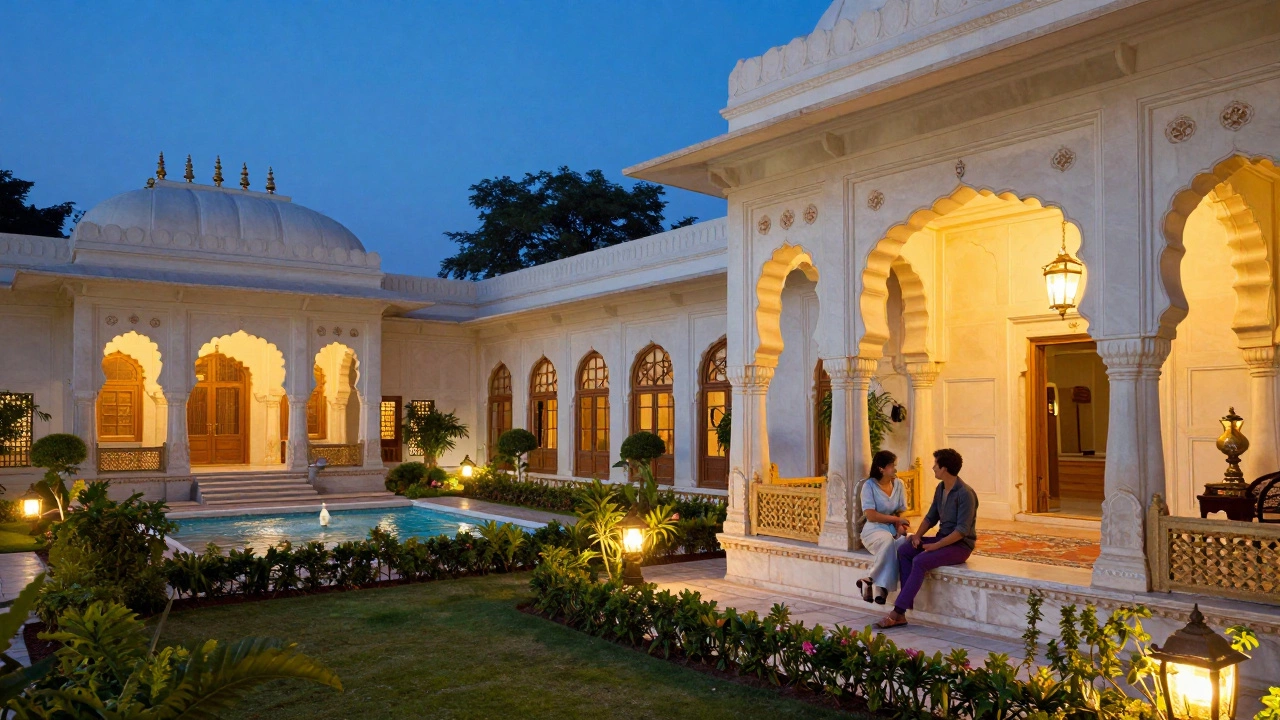
Luxury in India is not just about comfort; it is about history. Heritage hotels, often former royal palaces or forts, charge premium rates. A night in a palace hotel in Udaipur or Jodhpur can cost $200 to $500. While this seems steep, it includes access to private gardens, curated historical tours, and exceptional service that rivals any five-star resort in the world.
Eating Well Without Breaking the Bank
Food is where India shines brightest for budget-conscious tourists. The variety is endless, and the prices are low. However, hygiene concerns can drive up costs if you only eat at high-end establishments.
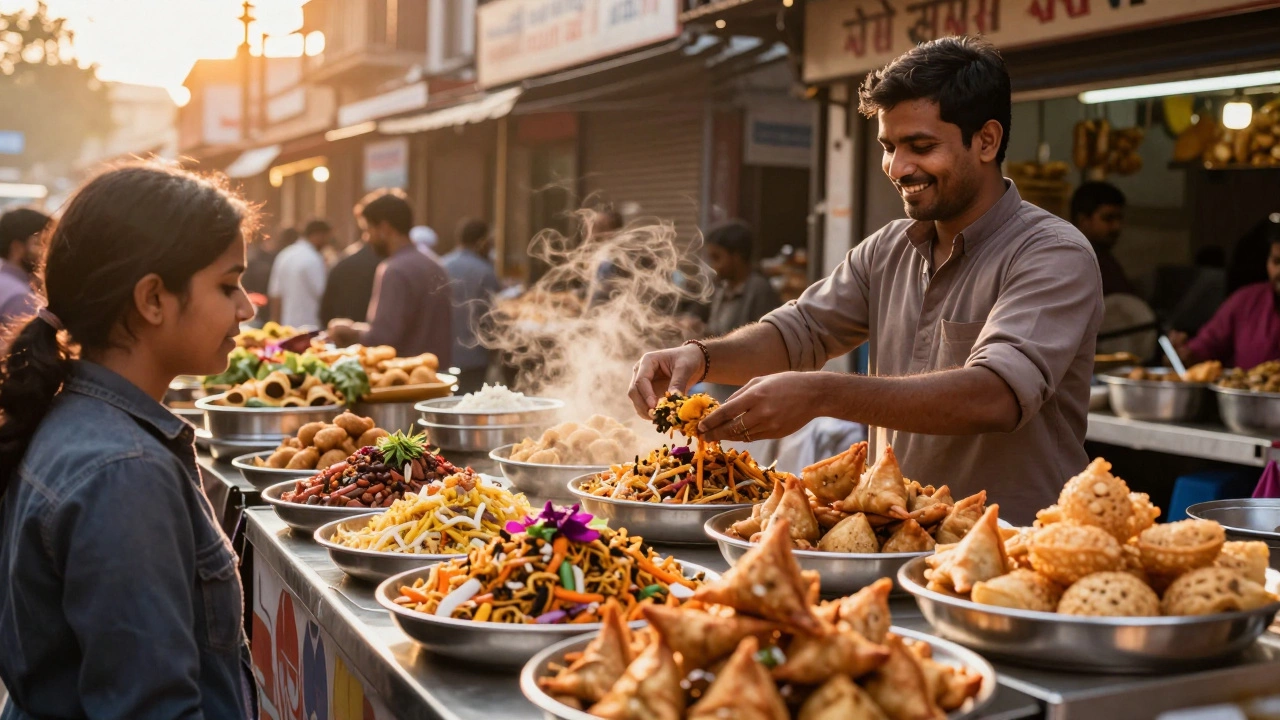
- Street Food: Dishes like Chaat is a category of savory snacks originating from the Indian subcontinent, known for spicy and tangy flavors, Samosas, and Pani Puri cost less than $1 per plate. You can eat three meals a day on street food for under $5 total. Just stick to busy stalls where food turns over quickly.
- Local Restaurants: Mid-tier eateries serve thalis (plated meals with rice, lentils, vegetables, and bread) for $3 to $6. These meals are filling, nutritious, and delicious.
- International Cuisine: If you crave pizza, burgers, or sushi, prices jump. A meal at a Western-style restaurant in a metro city might cost $15 to $25 per person. It is still cheaper than home, but it adds up fast.
Water safety is critical. Never drink tap water. Bottled water costs about $0.20 to $0.50 per liter. Buying large 5-liter cans for your accommodation is a smart way to save money and reduce plastic waste.
Transportation: Moving Around India
Getting around India can be confusing, but it does not have to be expensive. The mode of transport you choose dictates your budget significantly.
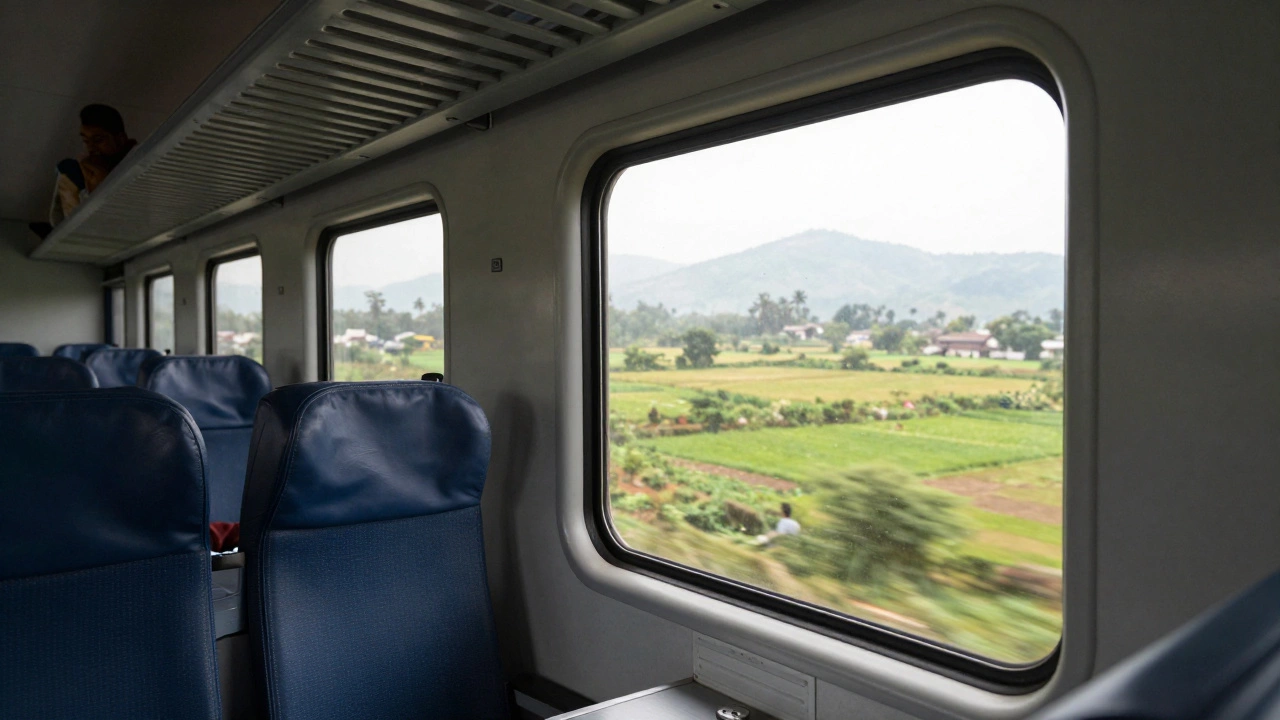
Indian Railways is the national state-owned railway company of India, one of the largest rail networks in the world is the backbone of travel. Trains range from unreserved local commuters to luxury AC coaches. A sleeper class ticket between major cities might cost $10 to $20. Air-conditioned 3-tier or 2-tier seats cost $30 to $60 for journeys that take 10 to 20 hours. Booking in advance through the IRCTC website is essential, especially during peak seasons.
Domestic flights have become more affordable due to competition between airlines like IndiGo, SpiceJet, and Air India Express. Short hops between Delhi and Jaipur, or Bangalore and Goa, can sometimes be found for $40 to $70 if booked early. However, baggage fees and dynamic pricing mean last-minute tickets can exceed $150.
For local travel within cities, ride-hailing apps like Uber and Ola are reliable and transparent. Auto-rickshaws are cheaper but require negotiation. If you do not know the local language, use the app to avoid being overcharged. Long-distance private car hires with drivers cost $50 to $80 per day, which is excellent value when split among two or three people.
Hidden Costs and Unexpected Expenses
While base costs are low, several factors can inflate your budget unexpectedly. Being aware of these helps you plan better.
- Tourist Taxes: Many hotels add a 12% Goods and Services Tax (GST) plus local tourism taxes. Always ask if the price quoted is inclusive of all taxes.
- Entrance Fees: Monuments managed by the Archaeological Survey of India (ASI) charge higher fees for foreigners. The Taj Mahal, for example, charges approximately $15 for Indian citizens but over $25 for foreign tourists. Some sites have separate entry points for locals and foreigners.
- Tipping Culture: Tipping is expected in restaurants (10% if service charge is not included), for guides ($10-$20 per day), and for porters. While not mandatory, it is part of the service economy.
- Scams and Overcharging: In tourist hotspots like Delhi's Red Fort area or Varanasi's ghats, vendors may quote inflated prices. Always research standard rates beforehand. Using reputable tour operators or reading recent reviews on platforms like TripAdvisor can protect you from common scams.
Seasonal Variations and When to Go
The time of year you visit impacts both availability and price. Peak season in India generally runs from October to March, when the weather is cool and dry across most of the country. During this period, hotel rates are highest, and flights fill up quickly. Booking 3 to 6 months in advance is advisable.
Summer (April to June) is extremely hot in North and Central India. Prices drop significantly because fewer tourists visit. If you can handle the heat, this is the best time for budget deals. However, South India and coastal regions remain pleasant and popular year-round.
The monsoon season (July to September) brings heavy rains. While some areas face flooding, others like Kerala and Meghalaya transform into lush green paradises. Rainy season travel offers great discounts, but you must be flexible with itineraries due to potential delays.
How to Save Money: Practical Tips
You do not need to suffer to save money. Smart choices make the trip enjoyable and affordable.
- Travel Off-Peak: Visit shoulder seasons like late March or November. You avoid crowds and pay lower rates.
- Mix Transport Modes: Fly for long distances (over 600 km) and take overnight trains for medium distances. This saves on a night's accommodation and sightseeing time.
- Eat Where Locals Eat: Avoid restaurants with picture menus aimed at tourists. Look for crowded local joints. The food is fresher, safer, and cheaper.
- Negotiate Wisely: Bargaining is expected in markets and for auto-rickshaws, but not in fixed-price stores or restaurants. Start at 50-60% of the asking price and meet somewhere in the middle.
- Use Local SIM Cards: Prepaid SIM cards from providers like Jio or Airtel cost less than $5 and offer high-speed data. Relying on hotel Wi-Fi or international roaming is expensive and unreliable.
Conclusion: Is India Worth the Cost?
So, is India expensive for tourists? Absolutely not. Compared to most other international destinations, India offers exceptional value. You can experience ancient history, vibrant cultures, and stunning landscapes for a fraction of what you would pay elsewhere. The key is managing expectations and planning wisely. By mixing budget accommodations with occasional splurges, using public transport strategically, and eating locally, you can create a rich, memorable journey without financial stress.
The real cost in India is not monetary; it is the effort required to navigate its complexity. With proper preparation, respect for local customs, and a flexible mindset, India rewards travelers with experiences that far outweigh the price tag.
How much money do I need for a 1-week trip to India?
For a comfortable mid-range trip lasting 7 days, you should budget approximately $700 to $900 USD per person. This covers accommodation, meals, internal transport, and entrance fees. Backpackers can manage on $200-$350, while luxury travelers may spend $2,000 or more.
Is it safe to use credit cards in India?
Yes, Visa and Mastercard are widely accepted in hotels, larger restaurants, and malls in major cities. However, cash is king in smaller towns, markets, and for street food. Always carry enough Indian Rupees for daily expenses and use ATMs located inside banks for better security.
Are there any free attractions in India?
Many attractions are free, including temples, mosques, churches, and public parks. Walking tours in cities like Delhi, Mumbai, and Kolkata allow you to explore historic neighborhoods without entry fees. Beaches in Goa and Kerala are also free to access.
Does the cost of travel vary by region in India?
Yes, costs vary significantly. Metropolitan areas like Mumbai, Delhi, and Bangalore are more expensive for accommodation and dining. Rural areas and smaller towns in states like Bihar, Odisha, and Uttar Pradesh are generally cheaper. Tourism hubs like Goa and Kerala have higher prices during peak seasons.
Is health insurance necessary for traveling in India?
Absolutely. While basic healthcare is inexpensive, medical evacuation or treatment at private hospitals for serious conditions can be costly. Travel insurance that covers medical emergencies, trip cancellation, and theft is highly recommended for peace of mind.