Is It Safe for Americans to Travel to India in 2026? A Realistic Guide
- Jun, 23 2026
- 0 Comments
- Aaron Blackwood
India Travel Safety & Readiness Calculator
You’ve seen the headlines. You’ve heard the warnings from cautious friends who swear the streets are chaotic and the food will ruin your stomach. So, you’re asking the big question: is it safe for Americans to travel to India? The short answer is yes. Millions of visitors from the United States, Europe, and Australia visit every year without incident. But "safe" doesn’t mean "easy." India demands a different kind of alertness than what you might be used to in New Zealand or California.
If you treat India like a standard vacation spot where you can wander blindly and expect everything to go smoothly, you’ll likely feel overwhelmed. If you approach it with preparation, cultural respect, and common sense, it becomes one of the most rewarding trips of your life. This isn’t about fear; it’s about strategy. Let’s break down the real risks versus the perceived ones so you can plan your trip with confidence.
The Reality of Personal Safety
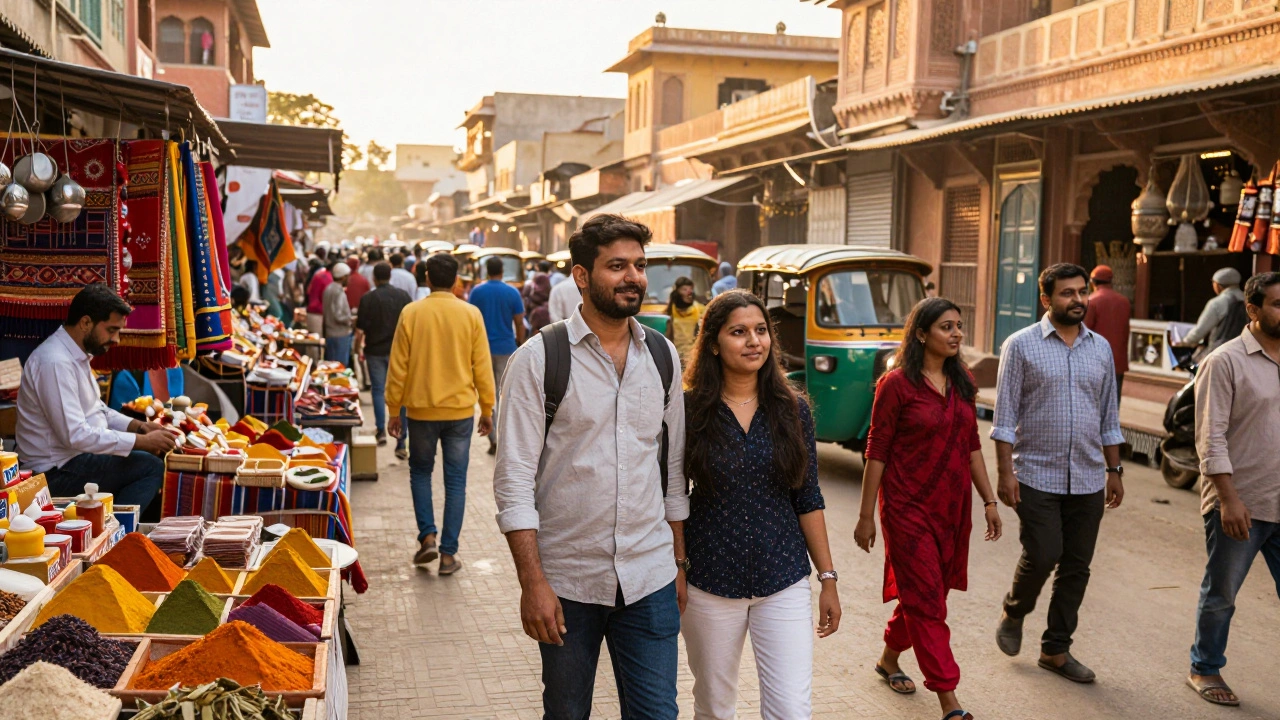
When people worry about safety in India, they usually think of violent crime. Here’s the good news: violent crime against tourists is statistically rare. India is not a war zone, and locals generally view tourists as guests-or at least as walking wallets. However, petty crime exists everywhere, including in major hubs like Delhi, Mumbai, and Jaipur.
As an American traveler, you stand out. Your accent, your gear, and your demeanor mark you as foreign. This makes you a target for scams rather than violence. Pickpocketing happens on crowded trains and in busy markets. Bag snatching by motorcyclists occurs in larger cities, particularly during rush hour. The solution isn’t to stay home; it’s to stay aware. Keep your passport in a hotel safe, carry only a photocopy or digital scan when exploring, and avoid flashing expensive jewelry or high-end cameras on the street.
Is Delhi safe for tourists?
Delhi has a reputation that often exceeds its reality. While it is chaotic and densely populated, millions of tourists visit safely each year. Stick to well-lit areas, use registered ride-sharing apps like Uber or Ola instead of hailing random taxis, and avoid walking alone late at night in unfamiliar neighborhoods. The Red Fort area and Connaught Place are generally safe for tourists during the day.
Navigating Health Risks
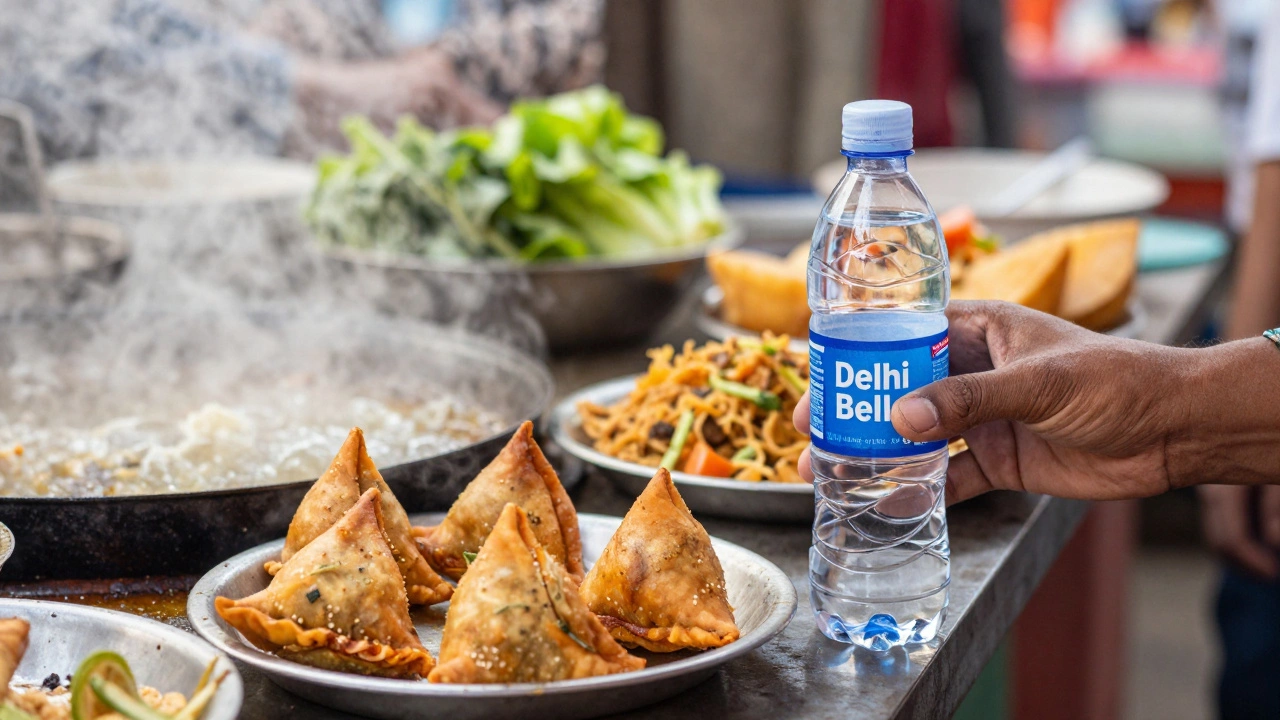
For many first-time visitors, the biggest threat isn’t crime-it’s their own digestive system. "Delhi Belly" is a real phenomenon, though it’s preventable. The bacteria in Indian water and food systems are different from what your body is used to. Even if you drink bottled water, ice cubes made from tap water or unwashed vegetables can cause issues.
Here’s how to protect yourself. Drink only sealed bottled water or filtered water from reputable brands. Avoid raw salads and unpeeled fruits unless you can wash them yourself with purified water. Street food is delicious and iconic, but stick to stalls with high turnover where food is cooked fresh and hot in front of you. Spicy food itself rarely causes illness; it’s the hygiene conditions that matter. Carry a basic medical kit including oral rehydration salts, antidiarrheal medication, and pain relievers. Most major hospitals in cities like Mumbai, Bangalore, and Delhi meet international standards, but rural areas may lack advanced facilities.
Vaccinations are another key consideration. Check with your doctor before traveling. Hepatitis A and Typhoid vaccines are highly recommended for all travelers to India. Depending on your itinerary, you might also need protection against Japanese Encephalitis if visiting rural agricultural areas. Malaria prophylaxis is generally not required for urban areas but should be discussed if you’re trekking in forested regions of Northeast India or deep South India.
Cultural Sensitivity and Social Norms
Safety in India also means avoiding social friction. Indians are incredibly hospitable, but misunderstandings can arise quickly if you ignore local customs. Dress modestly, especially when visiting temples, mosques, or rural villages. For women, covering shoulders and knees is respectful and helps reduce unwanted attention. Men should also avoid shorts in religious sites and formal settings.
Physical contact between unrelated men and women in public is frowned upon in conservative areas. Holding hands is generally acceptable in metro cities like Mumbai or Goa, but kissing or hugging in public can draw stares or negative reactions. Always ask permission before taking photos of people, particularly in rural communities. Some individuals may expect a small tip for posing, while others may find it intrusive.
Religion plays a central role in daily life. Remove your shoes before entering homes, temples, and some restaurants. Walk clockwise around sacred objects in Hindu temples and counter-clockwise in Buddhist stupas. During Ramadan, be mindful of eating or drinking in public during daylight hours in Muslim-majority areas. These aren’t just rules; they’re signs of respect that open doors to genuine interactions.
Transportation Safety Tips
Getting around India is an adventure in itself. Traffic laws exist but are often treated as suggestions. Pedestrians cross streets by weaving through cars, and honking is constant. As a tourist, you need to adapt. Never assume a driver sees you. Make eye contact before crossing. Use designated crossings when available.
Rail travel is the backbone of Indian tourism. Trains are generally safe and affordable, but choose AC classes (AC 3 Tier or AC 2 Tier) for better security and comfort. Sleeper class offers a more authentic experience but requires greater vigilance over your belongings. Book tickets through the official IRCTC website or authorized agents to avoid counterfeit tickets.
For road travel, hire drivers through reputable agencies or hotels. Avoid driving yourself unless you have extensive experience in chaotic traffic conditions. Auto-rickshaws are convenient for short distances, but always insist on using the meter or agree on a fare beforehand. Ride-sharing apps like Uber and Ola provide fixed prices and driver tracking, adding a layer of security for solo travelers.
| Mode | Safety Level | Best For | Tips |
|---|---|---|---|
| Train (AC Class) | High | Long distances, scenic routes | Book early, keep luggage locked |
| Uber/Ola | High | City travel, night trips | Share trip details with someone |
| Auto-Rickshaw | Medium | Short city hops | Use meter or negotiate price first |
| Private Driver | High | Multi-day tours, rural areas | Hire through trusted agency |
Scams to Watch Out For
India has a vibrant ecosystem of tourist scams. They range from harmless hustles to sophisticated frauds. The most common involve fake guides, gemstone shops, and temple closures. A stranger might approach you claiming a museum is closed today due to a holiday, then offer to take you to a "special" shop where they earn commission on inflated purchases. Always verify information independently. Check official websites or ask your hotel staff.
Another frequent scam involves taxi drivers refusing to use meters and quoting exorbitant fares. Insist on using the meter or switch to a ride-sharing app. In airports, pre-paid taxi counters are available and regulated. Be wary of anyone offering "too good to be true" deals on tours or accommodations. Legitimate businesses don’t pressure you into immediate decisions.
Money exchange scams also occur. Only exchange currency at authorized banks or licensed money changers. Avoid street exchanges, even if they promise better rates. Counterfeit notes are rare but possible, so check bills carefully when receiving change. Credit cards are widely accepted in urban areas, but cash remains king in smaller towns and villages.
Regional Variations in Safety
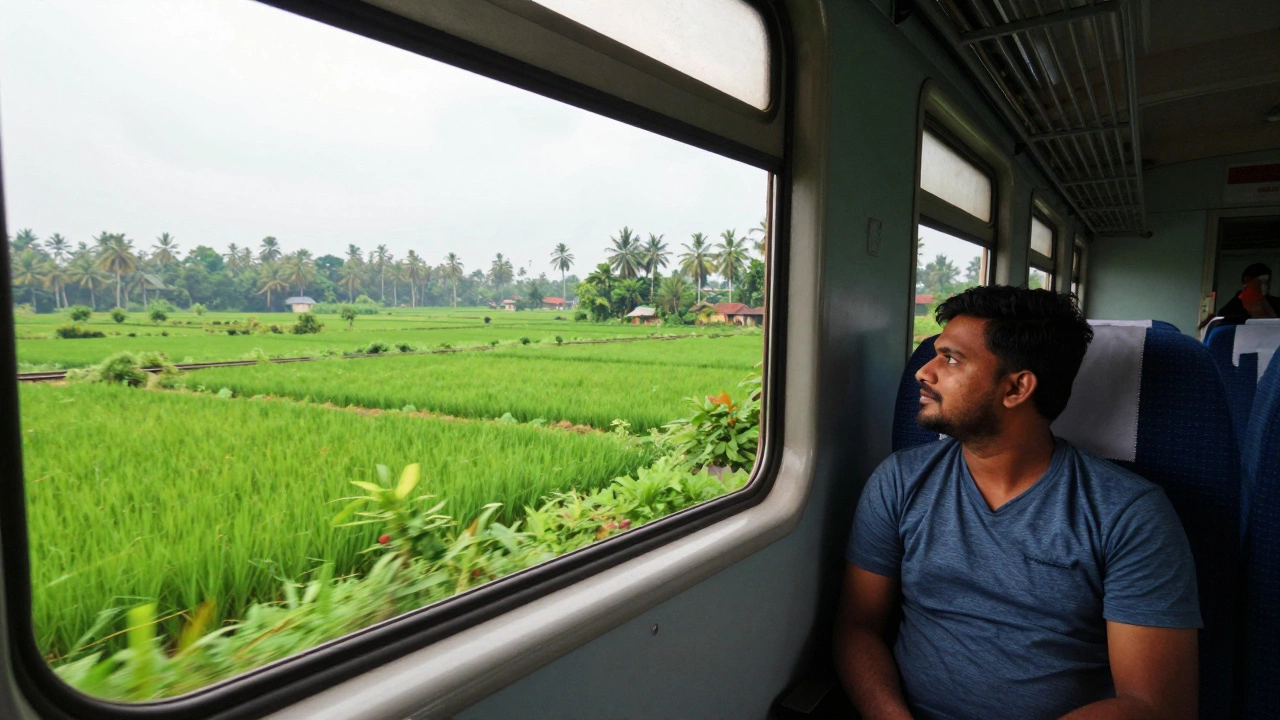
India is vast and diverse. Safety levels vary significantly by region. Northern states like Rajasthan and Uttar Pradesh offer rich history but require higher vigilance due to density and poverty levels. Western India, including Goa and Maharashtra, is more accustomed to international tourists and generally easier to navigate. Southern India, with states like Kerala and Tamil Nadu, is known for its cleanliness, hospitality, and lower incidence of harassment.
Northeast India presents unique challenges. Some areas require special permits for foreign nationals due to border proximity. While these regions are breathtakingly beautiful, infrastructure can be limited, and travel logistics more complex. Plan ahead and work with local operators familiar with permit requirements.
Goa stands apart as a beach destination with a relaxed vibe. It’s popular among backpackers and families alike. While generally safe, petty theft can occur in crowded beaches and nightlife areas. Keep valuables secure and avoid isolated stretches of beach after dark.
Emergency Preparedness
Even with careful planning, emergencies can happen. Know the local emergency numbers. Police: 100, Ambulance: 108, Women’s Helpline: 1091. Save these contacts in your phone before arrival. Register with the U.S. Department of State’s Smart Traveler Enrollment Program (STEP) to receive alerts and make it easier for embassies to locate you in crises.
Carry a copy of your passport and visa separately from the originals. Store digital copies in cloud storage accessible offline. Identify the nearest U.S. Embassy or Consulate in your destination city. Major consulates are located in New Delhi, Mumbai, Chennai, Kolkata, and Hyderabad. They can assist with lost passports, legal issues, and medical evacuations.
Travel insurance is non-negotiable. Choose a policy that covers medical evacuation, hospitalization, and trip cancellation. Verify that it includes coverage for activities you plan to do, such as trekking or scuba diving. Without proper insurance, a simple accident could lead to significant financial strain.
Final Thoughts on Traveling to India
So, is it safe for Americans to travel to India? Absolutely. But safety here means being proactive, not passive. It means researching your destinations, respecting local cultures, and staying aware of your surroundings. India rewards those who come with an open mind and a prepared heart. The chaos is part of the charm, the noise part of the music. Embrace the journey, trust your instincts, and let the incredible diversity of this ancient land surprise you.
Do I need a visa to visit India as an American?
Yes, U.S. citizens require a visa to enter India. The easiest option is the e-Visa, which can be applied for online up to 120 days before travel. It allows stays of up to 90 days for tourism, business, or medical purposes. Processing typically takes 72 hours. Ensure your passport is valid for at least six months beyond your entry date.
Is it safe for solo female travelers in India?
Solo female travel in India is increasingly common and generally safe if precautions are taken. Dress conservatively, avoid traveling alone at night, use reputable transport services, and stay in well-reviewed accommodations. Many women report positive experiences, especially in southern and western India. Joining group tours or connecting with other travelers can enhance safety and enjoyment.
What should I do if I get sick in India?
If you fall ill, seek medical attention promptly. Major cities have private hospitals with English-speaking doctors and international standards. For minor issues, pharmacies are widespread and affordable. Keep your travel insurance details handy. In case of serious illness, contact your embassy for assistance with medical evacuation if necessary.
Can I drink tap water in India?
No, never drink tap water in India. It contains bacteria and parasites unfamiliar to most foreign immune systems. Stick to sealed bottled water, boiled water, or filtered water from trusted sources. Avoid ice in drinks unless you’re certain it was made from purified water.
Are credit cards widely accepted in India?
Credit cards are accepted in hotels, large restaurants, malls, and upscale stores in urban areas. However, cash is essential for small vendors, auto-rickshaws, and rural locations. ATMs are plentiful in cities but may charge fees. Inform your bank of your travel plans to prevent card blocks.