Is It Safe to Swim in the Sea in India? A Practical Guide
- Oct, 2 2026
- 0 Comments
- Aaron Blackwood
India Sea Swimming Safety Checker
Select your destination and conditions to get a personalized safety assessment based on regional data.
Safety Assessment
Checking...Water Quality
Physical Hazards
Marine Life
Recommendation
You’re standing on the golden sands of Goa or the pristine shores of Andaman. The water looks inviting, maybe even crystal clear. But before you dive in, a nagging question pops up: is it safe to swim in the sea in India?
The short answer? It depends entirely on where you are and what time of year it is. There is no single "yes" or "no" for the entire coastline. Some spots are dangerously polluted, while others are among the cleanest waters in Asia. Your safety hinges on understanding three main factors: bacterial levels, physical hazards like currents, and local regulations.
The Invisible Threat: Water Quality and Pollution
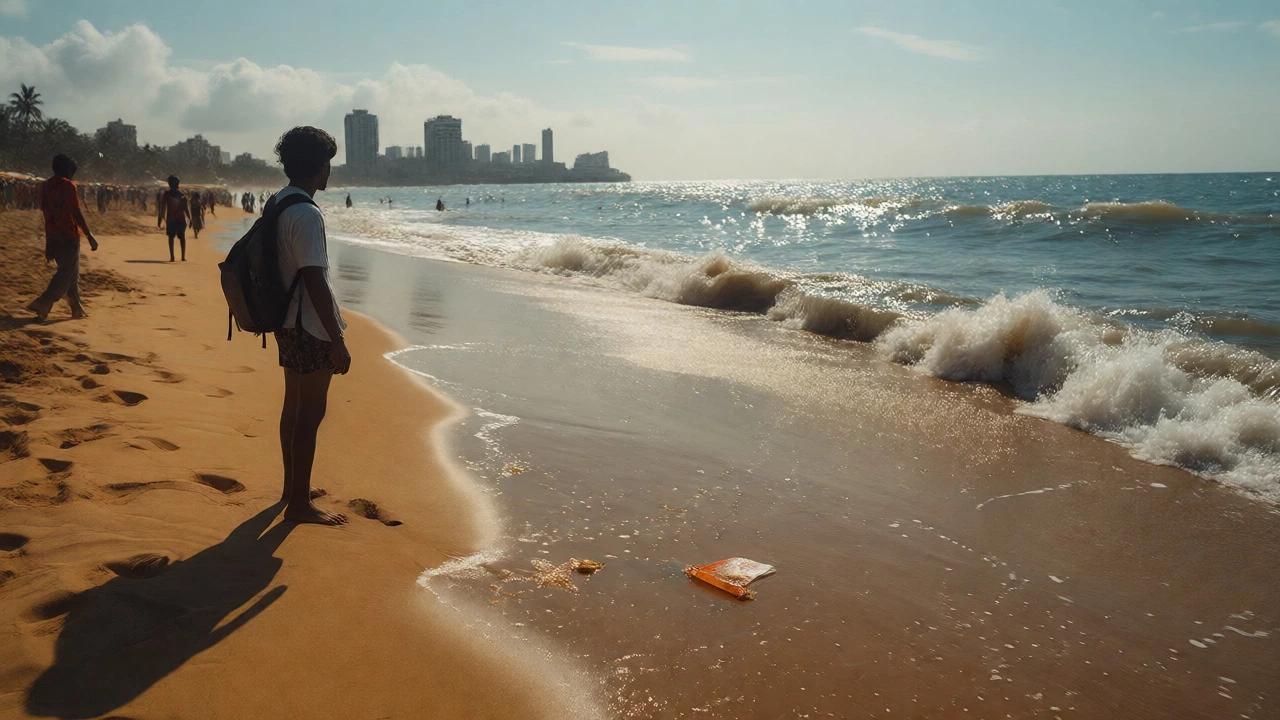
Let’s talk about what you can’t see. In many popular tourist hubs along the mainland coast-think Mumbai’s Juhu Beach or parts of Chennai-the primary risk isn’t sharks; it’s sewage. Untreated wastewater often flows directly into the sea near urban centers. This leads to high counts of E. coli and fecal coliforms.
If you swallow this water, you might end up with traveler’s diarrhea, skin rashes, or ear infections within 24 hours. The Central Pollution Control Board (CPCB) regularly monitors these levels, but real-time data is hard to find for tourists. A good rule of thumb? If the beach smells like rotten eggs or has visible foam and floating debris, stay out of the water. It’s not just unpleasant; it’s a biological hazard.
Contrast this with islands like Havelock Island in the Andamans or Lakshadweep. These locations have minimal urban runoff. The water quality here is typically excellent, often comparable to tropical destinations in Southeast Asia. You can drink the ocean air without worrying about inhaling particulate matter from open drains.
| Region | Primary Risk | Swim Suitability | Best Time to Visit |
|---|---|---|---|
| Mumbai / Gujarat Coast | High industrial & domestic sewage | Poor (Wading only) | Oct - Feb |
| Goa (Mainland) | Moderate pollution, seasonal algae blooms | Fair (Check local flags) | Nov - Mar |
| Kerala Backwaters/Coast | Variable, dependent on monsoon runoff | Good in North Kerala | Sep - Mar |
| Andaman & Nicobar | Marine life, strong currents | Excellent | All Year |
| Lakshadweep | Remote location, low human impact | Excellent | Oct - May |
Physical Hazards: Rip Currents and Tides
Pollution is a long-term health risk, but rip currents are an immediate life threat. Many travelers assume that because they can swim in a pool, they can handle the ocean. That’s a dangerous assumption. The Arabian Sea and the Bay of Bengal are powerful forces of nature.
Rip currents are narrow channels of fast-moving water flowing away from the shore. They don’t pull you under; they pull you out. If you’re caught in one, panicking will exhaust you. Instead, swim parallel to the beach until you feel the current release its grip, then swim back to shore at an angle. Lifeguards in India are becoming more common, especially in Goa and Kerala, but coverage is spotty. Never assume someone is watching you unless you see a uniformed guard in a designated zone.
Tides also play a huge role. On the west coast, tides can recede hundreds of meters during low tide. Walking out too far can leave you stranded as the water rushes back in surprisingly quickly. Always check the local tide tables before heading out. Apps like Windy or local meteorological department websites provide accurate predictions for specific beaches.
Marine Life: What’s Actually in the Water?
People often worry about sharks. While shark attacks do occur in Indian waters, they are statistically rare compared to drowning or pollution-related illnesses. Most sharks prefer deeper waters and aren’t interested in splashing humans near the shore. Box jellyfish, however, are a different story. During certain months, particularly after heavy rains, jellyfish blooms can occur. Their stings are painful and, in rare cases, dangerous. Carry vinegar in your beach bag-it neutralizes most jellyfish toxins better than fresh water.
Crocodiles are another concern, specifically saltwater crocodiles found in Odisha’s Bhitarkanika National Park and some estuaries in West Bengal. Swimming in rivers or muddy estuaries near mangroves is generally unsafe. Stick to sandy ocean beaches where visibility is good and the bottom is clear.
Regional Breakdown: Where Can You Safely Dip?
Not all beaches are created equal. Here’s how to navigate the major hotspots:
- Goa: North Goa beaches like Calangute and Baga are crowded and suffer from higher pollution due to density. South Goa beaches like Palolem and Agonda are cleaner and calmer. Always look for red and yellow flags indicating lifeguard patrols.
- Kerala: Varkala and Kovalam offer decent swimming conditions, though the sea can be rough. Avoid swimming during the monsoon season (June-September) when waves are unpredictable and water clarity drops significantly.
- Tamil Nadu: Marina Beach in Chennai is famous for walking, not swimming. The water is murky and heavily polluted. For safer options, head south to Mahabalipuram or further to Pondicherry, where water quality improves slightly.
- Andaman Islands: Radhanagar Beach on Havelock Island is consistently rated one of the best beaches in Asia. The water is clear, warm, and relatively safe. However, respect coral reefs-don’t stand on them, and use reef-safe sunscreen to protect the ecosystem.
Health Precautions Before You Jump In
Your immune system needs preparation. Even if the water looks clean, your gut might react differently to local bacteria. Start with shallow dips. Don’t submerge your head immediately. Keep your mouth closed. If you wear contact lenses, remove them before swimming, as seawater can trap bacteria against the eye, leading to serious infections like acanthamoeba keratitis.
Vaccinations are crucial. Ensure you are up-to-date on Hepatitis A and Typhoid vaccines. These diseases spread through contaminated water and food. While Hepatitis A is primarily food-borne, accidental ingestion of polluted seawater increases exposure risk. Consult a travel medicine specialist four to six weeks before your trip.
Hygiene post-swim matters too. Shower immediately with fresh water after leaving the sea. Wash your swimsuit separately. If you develop any skin irritation, treat it early with antiseptic cream. Ignoring minor cuts or rashes can lead to secondary infections in humid climates.
When to Say No: Seasonal Risks
Timing is everything. The southwest monsoon (June to September) brings heavy rains and rough seas to the west coast. During this period, many beaches close swimming zones entirely. The water turns brown with sediment, and currents become violent. It’s beautiful to watch from the shore, but terrible for swimming.
The northeast monsoon affects the east coast (Tamil Nadu, Andhra Pradesh) between October and December. If you’re planning a trip to Chennai or Pondicherry, avoid these months for swimming. The Andamans, being sheltered, remain swimmable year-round, making them a reliable escape during mainland monsoons.
Always listen to local advice. Fishermen know the sea better than any app. If they tell you the water is dangerous today, believe them. Conditions change rapidly due to weather patterns invisible to visitors.
Is it safe to drink sea water accidentally?
A small amount is usually harmless for healthy adults, but it can cause stomach upset. In polluted areas, the risk of bacterial infection increases. Try to spit it out rather than swallow, and rinse your mouth with bottled water afterward.
Are there sharks in Indian beaches?
Yes, sharks inhabit Indian waters, including species like tiger sharks and bull sharks. However, attacks are extremely rare. Most sharks stay offshore. Bull sharks can enter freshwater rivers, so caution is needed when swimming near river mouths.
Which beach in India has the cleanest water?
Radhanagar Beach in the Andaman Islands and Bangaram Island in Lakshadweep are widely considered to have the cleanest and safest swimming waters in India due to their isolation and lack of industrial runoff.
Can I swim during the monsoon season?
Generally, no. During the southwest monsoon (June-September), the west coast experiences rough seas and high pollution levels. Swimming is often prohibited. The east coast is affected by the northeast monsoon (October-December). Check local advisories before entering the water.
What should I do if I get a jellyfish sting?
Rinse the area with vinegar to neutralize the venom. Do not rub with sand or use fresh water initially, as this can trigger more stinging cells. Remove tentacles carefully with tweezers or a gloved hand. Seek medical help if symptoms worsen.