Is South India Worth It? A Complete Travel Guide to the Region's Best Experiences
- Jul, 28 2026
- 0 Comments
- Aaron Blackwood
South India Travel Planner
Select your primary interest to generate a personalized itinerary recommendation based on the region's best experiences.
There is a persistent myth that India is only about the chaotic energy of Delhi or the spiritual grandeur of Varanasi. If you have never been south of the Vindhya range, you might think you know what the country looks like. You don't. The question isn't just whether South India is worth visiting; it is whether you are ready for a completely different version of the subcontinent. Here, the air smells of jasmine and frying spices, the architecture leans toward intricate stone carving rather than massive domes, and the pace of life feels deliberately slower. For travelers seeking culture without the overwhelming crush of the north, this region offers some of the most rewarding experiences on the planet.
The Cultural Divide: Why the South Feels Different
To understand why this region captivates so many visitors, you first need to grasp its distinct identity. While North India was heavily influenced by Persian and Mughal rule, the southern states-Tamil Nadu, Kerala, Karnataka, Andhra Pradesh, and Telangana-maintained strong Dravidian roots. This historical divergence created a unique cultural fabric. You will see it in the towering gopurams (gateway towers) of Hindu temples, which are covered in vibrant sculptures of gods and demons. You will hear it in the classical music traditions that date back thousands of years. You will taste it in the cuisine, which relies heavily on rice, coconut, tamarind, and fresh seafood rather than wheat and dairy.
This isn't just academic history; it shapes your daily experience. When you walk into a temple in Madurai or Mysore, you aren't just observing a religious site; you are stepping into a living community center where festivals, weddings, and daily rituals unfold with intense devotion. The hospitality here is legendary, often described as more personal and less transactional than in other parts of Asia. Families invite strangers in for tea, and drivers take pride in showing you hidden spots that aren't in any guidebook.
Kerala: The Backdrop of Lush Greenery
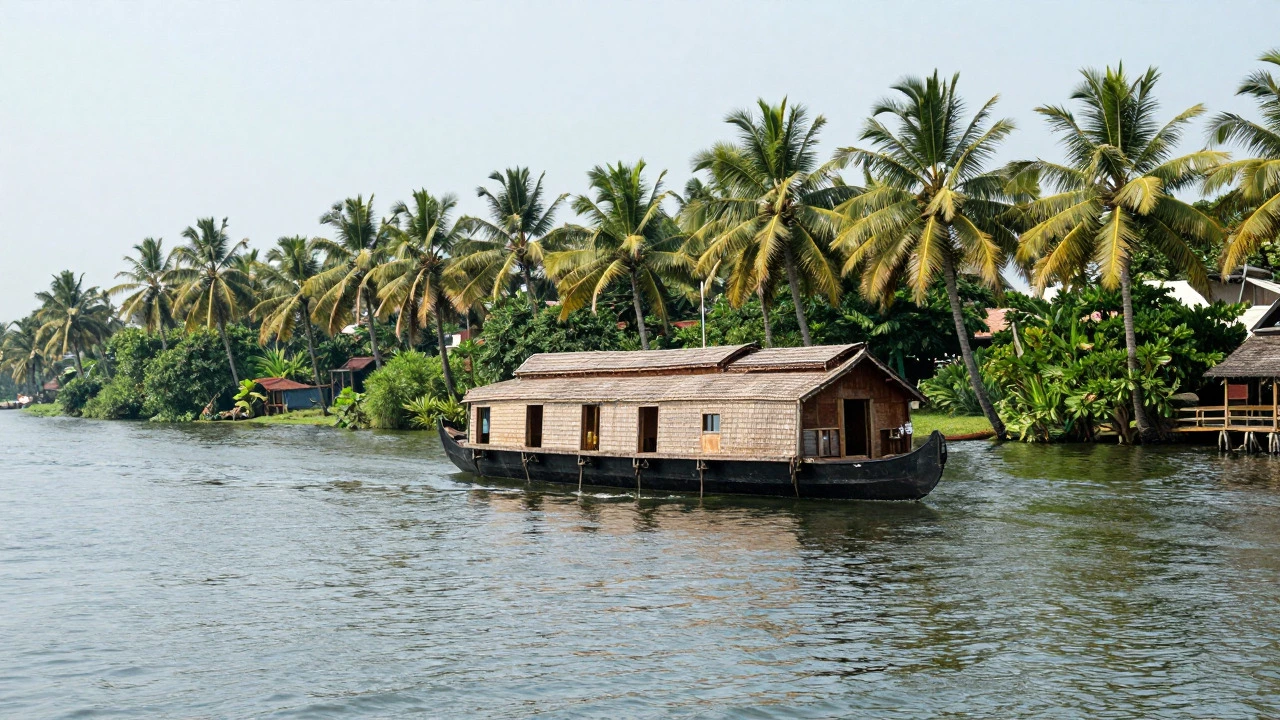
If you are looking for natural beauty that rivals Southeast Asia, Kerala is the answer. Often marketed as "God's Own Country," it lives up to the hype but requires a strategic approach to avoid tourist traps. The highlight here is undoubtedly the backwaters-a network of lagoons, lakes, and canals parallel to the Arabian Sea coast. Renting a houseboat for a day or two allows you to glide through palm-fringed landscapes while watching local life unfold on the banks. Fishermen cast their nets, women wash clothes in the water, and elephants sometimes cross the narrow channels.
However, do not limit yourself to the boat. The Western Ghats, a UNESCO World Heritage Site, run along Kerala's eastern border. This mountain range is one of the world's eight hottest biodiversity hotspots. Trekking through places like Munnar or Wayanad reveals tea plantations that stretch to the horizon, spice gardens where cardamom and pepper grow wild, and waterfalls that roar during the monsoon season. The climate here is humid and warm year-round, making early morning hikes essential for comfort.
- Best time to visit: October to March for pleasant weather.
- Key activity: Houseboat cruise in Alleppey or Kumarakom.
- Hidden gem: Silent Valley National Park for pristine rainforest trekking.
Tamil Nadu: Temples and History
For history buffs, Tamil Nadu is unbeatable. The state is dotted with over 33,000 temples, ranging from small village shrines to monumental complexes. The Brihadeeswarar Temple in Thanjavur, built in the 11th century, is a masterpiece of Chola architecture. Its vimana (tower) stands 66 meters tall and was constructed using granite blocks so precisely fitted that no mortar was needed. Walking through these corridors feels like entering a stone encyclopedia of mythology and engineering.
Beyond the temples, Chennai offers a surprising blend of modernity and tradition. As the capital, it has excellent infrastructure, including a clean metro system and bustling markets. Visit the Kapaleeshwarar Temple in Mylapore to see how urban life integrates seamlessly with ancient worship. Then, head to Mahabalipuram, located about 60 kilometers south. Here, the Shore Temple and the Pancha Ratha rock-cut structures demonstrate the artistic peak of the Pallava dynasty. The craftsmanship remains sharp after 1,200 years, defying the erosion of wind and sea.
Karnataka: From Palaces to Tech Hubs
Karnataka presents a fascinating contrast between royal heritage and cutting-edge technology. Bangalore, the state capital, is India's Silicon Valley, buzzing with startups and coffee shops. Yet, just a few hours away, you find the opulent palaces of Mysore. The Mysore Palace, illuminated on Sundays and holidays, showcases Indo-Saracenic architecture with marble pillars and stained-glass windows. It reflects the wealth and power of the Wodeyar dynasty, who ruled the region for centuries.
Don't miss Hampi, the ruins of the Vijayanagara Empire. This archaeological site is unlike any other in India. Imagine a landscape filled with boulders the size of houses, interspersed with collapsed temple walls, market streets, and stepwells. The Vittala Temple complex features musical pillars that produce notes when struck. Exploring Hampi takes at least two days, and hiring a bicycle or horse cart is the best way to navigate the rugged terrain. The sunset view from Matanga Hill provides a panoramic look at the Tungabhadra River winding through the ruins.
| Destination | Primary Appeal | Ideal For | Best Time |
|---|---|---|---|
| Kerala | Nature, Backwaters, Ayurveda | Couples, Relaxation Seekers | Oct-Mar |
| Tamil Nadu | Temples, History, Arts | History Buffs, Culture Enthusiasts | Nov-Feb |
| Karnataka | Ruins, Palaces, Urban Life | Adventure Travelers, Photographers | Sep-Jun |
| Andhra Pradesh | Cuisine, Coastal Beaches | Foodies, Offbeat Travelers | Oct-Mar |
Andhra Pradesh and Telangana: Food and Forts
Often overlooked by tourists, Andhra Pradesh and Telangana offer incredible value for those willing to venture off the beaten path. The food here is famously spicy. Hyderabadi biryani, originating in Telangana, is a global phenomenon. Made with long-grain basmati rice, tender meat, and a blend of aromatic spices, it is slow-cooked in sealed pots to retain flavor. In Andhra Pradesh, meals revolve around rice, curries made with red chilies, and pickles. If you can handle the heat, the culinary experience is unparalleled.
Historically, this region is home to impressive fortifications. The Golconda Fort in Hyderabad, once a center for diamond trade, features an acoustic system where a clap at the entrance can be heard at the top of the fort, kilometers away. Further east, the coastal areas of Andhra Pradesh, such as Visakhapatnam, offer beautiful beaches and access to the Araku Valley, a tribal-dominated region known for coffee plantations and scenic train rides through tunnels and bridges.
Practical Tips for Your Trip
Traveling in South India is generally easier and safer than in the north. English is widely spoken in urban areas, and road conditions are better. However, planning ahead is crucial. Trains are the backbone of transport. Book tickets online via IRCTC at least 30 days in advance, especially for popular routes like Chennai to Kanyakumari or Bangalore to Mysore. AC classes are recommended for comfort and security.
Accommodation ranges from luxury resorts in Kerala to budget homestays in Tamil Nadu villages. Homestays provide an authentic experience, allowing you to eat home-cooked meals and interact with locals. Be prepared for humidity, particularly in coastal areas. Light cotton clothing is essential. Carry cash, as rural areas may not accept digital payments reliably. Finally, respect local customs. Dress modestly when visiting temples, remove shoes before entering sanctums, and ask permission before taking photos of people.
Why It Matters Now
In 2026, South India is experiencing a surge in sustainable tourism initiatives. Many communities are developing eco-friendly tours that benefit local populations directly. By choosing responsible operators, you contribute to preserving these fragile ecosystems and cultural practices. Whether you are drawn by the spiritual pull of ancient temples, the lush greenery of the hills, or the fiery flavors of the cuisine, this region offers depth and authenticity that few other destinations can match. It is not just worth it; it is transformative.
How many days do I need to explore South India?
A minimum of 10 to 14 days is recommended to cover the highlights of Kerala, Tamil Nadu, and Karnataka comfortably. This allows time for travel between states and immersive experiences without rushing.
Is South India safe for solo female travelers?
Yes, South India is considered one of the safest regions in India for solo female travelers. Crime rates are lower, and locals are generally respectful. Standard precautions like avoiding isolated areas at night still apply.
What is the best mode of transport within the region?
Trains are the most efficient and scenic way to travel between cities. For shorter distances, renting a car with a driver or using app-based cabs like Ola and Uber is convenient and affordable.
Can I try vegetarian food in South India?
Absolutely. Vegetarianism is widespread due to religious and cultural reasons. Meals typically include rice, sambar (lentil stew), rasam, yogurt, and various vegetable curries. Thali meals offer a balanced variety.
Are visas required for all nationalities?
Most international travelers need a visa. India offers e-Visas for citizens of many countries, which can be applied for online before arrival. Check the latest requirements on the official government portal.