Is the India Golden Triangle Worth It? Honest Pros, Cons, and Tips
- Apr, 17 2026
- 0 Comments
- Aaron Blackwood
Golden Triangle Trip Planner & Estimator
Plan Your Preferences
Your Custom Recommendation
Select your preferences and click calculate to see your estimated itinerary and budget.
Quick Takeaways for Your Trip
- Best for: First-time visitors, history buffs, and those with limited time.
- The Vibe: High-energy, visually stunning, and physically demanding.
- Key Stops: The Red Fort (Delhi), Taj Mahal (Agra), and Amber Fort (Jaipur).
- Biggest Hurdle: Managing the sheer volume of crowds and aggressive street vendors.
- Verdict: Worth it for the iconic landmarks, provided you build in "slow days" to avoid burnout.
The Delhi Experience: More Than Just a Stopover
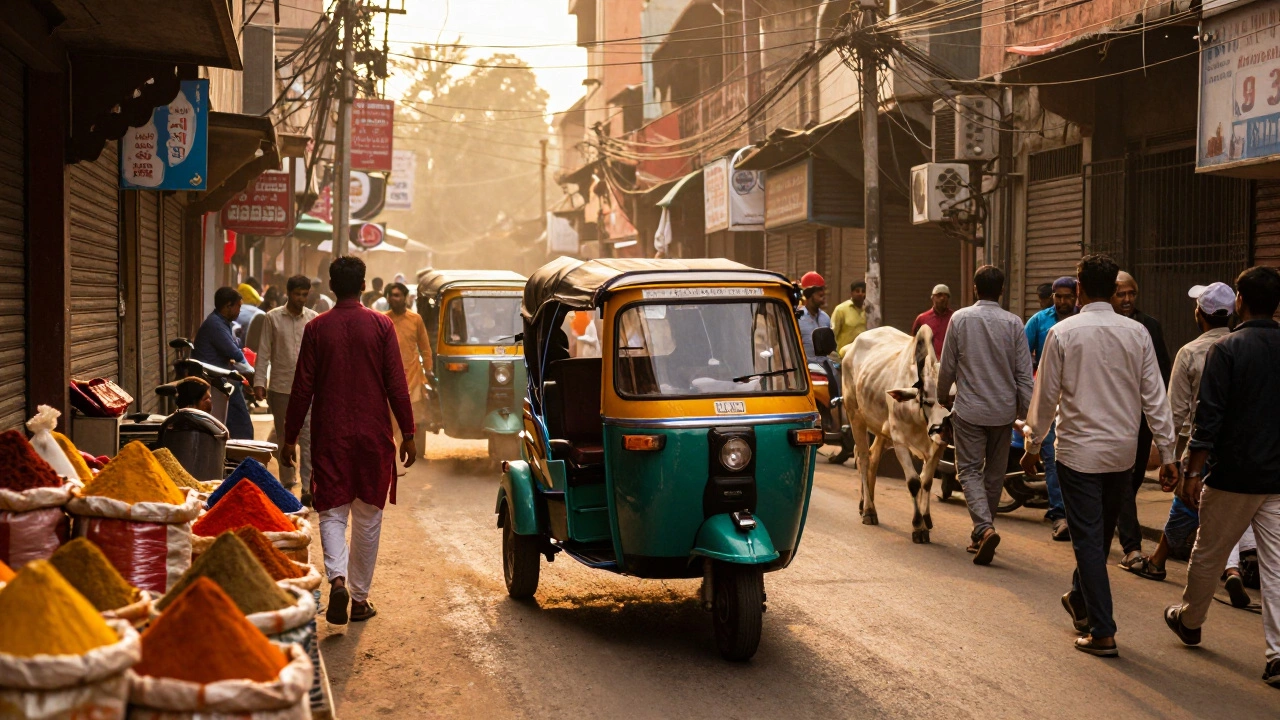
Most people treat Delhi as a gateway, but it's a city of two halves that tells a story of centuries of power. You have Old Delhi, where you can ride in a cycle rickshaw through the narrow lanes of Chandni Chowk. It's a sensory overload. One minute you're dodging a cow, and the next you're smelling the most incredible parathas of your life. Then there is New Delhi, built by the British, which feels more like a sprawling garden city with wide boulevards and massive monuments.
If you want to see the real heart of the city, head to Humayun's Tomb. It's the architectural precursor to the Taj Mahal and far less crowded. A pro tip here is to visit the Qutub Minar early in the morning. The red sandstone tower is an engineering marvel from the 12th century, and the early light makes for a much better experience before the tour buses arrive at 11:00 AM. Is it overwhelming? Absolutely. But without Delhi, the Golden Triangle lacks its political and cultural anchor.
Agra: Beyond the Marble Wonder
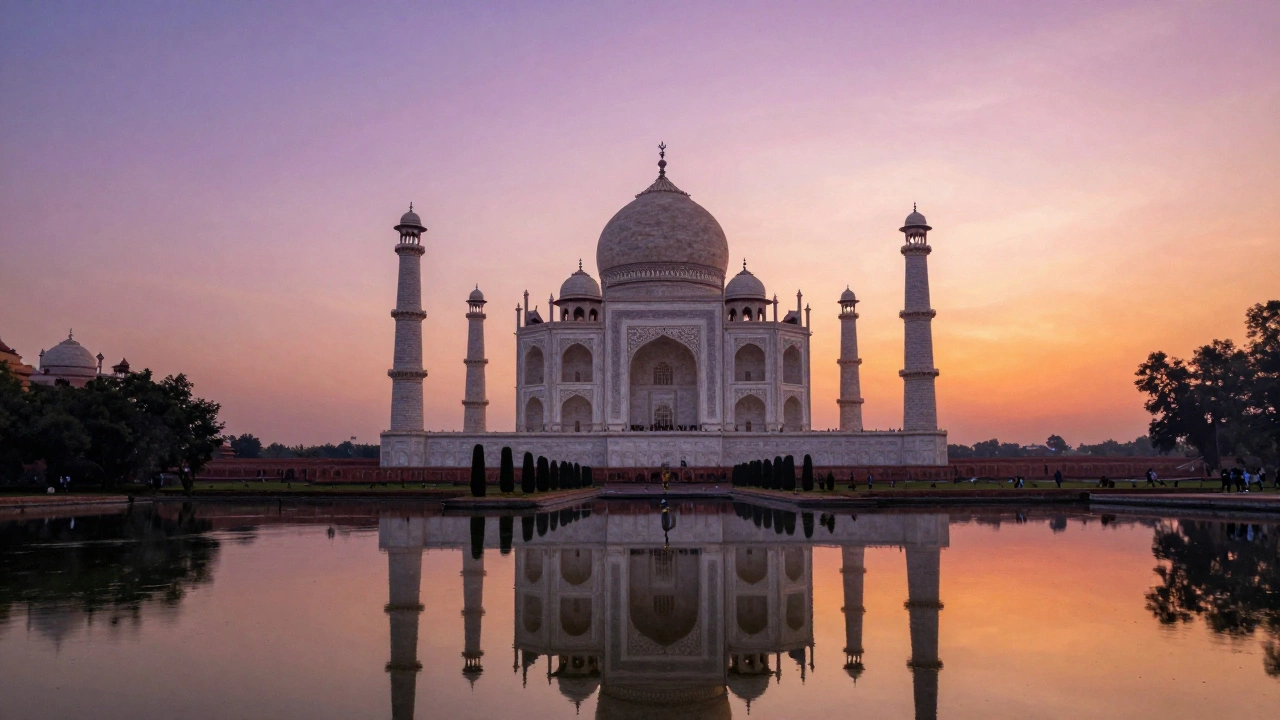
Let's be honest: people go to Agra for one thing-the Taj Mahal. This white marble mausoleum is one of the seven wonders of the world, and despite the millions of visitors, it still hits you when you first see it through the main gateway. The symmetry is perfect, and the detail in the pietra dura (stone inlay) is mind-blowing. However, the area surrounding the Taj can be a nightmare of touts and overpriced guides.
To make Agra "worth it," you have to look beyond the main attraction. Spend a few hours at the Agra Fort, a massive red sandstone fortress that gives you a glimpse into the Mughal Empire's luxury and its eventual decline. Even better, head across the river to Mehtab Bagh (the Moonlight Garden) at sunset. You get a stunning view of the Taj Mahal reflecting in the Yamuna River without having to elbow through a thousand people. If you're feeling adventurous, a quick trip to Fatehpur Sikri, the abandoned ghost city, shows you the sheer scale of Emperor Akbar's vision.
Jaipur: The Pink City's Royal Flair
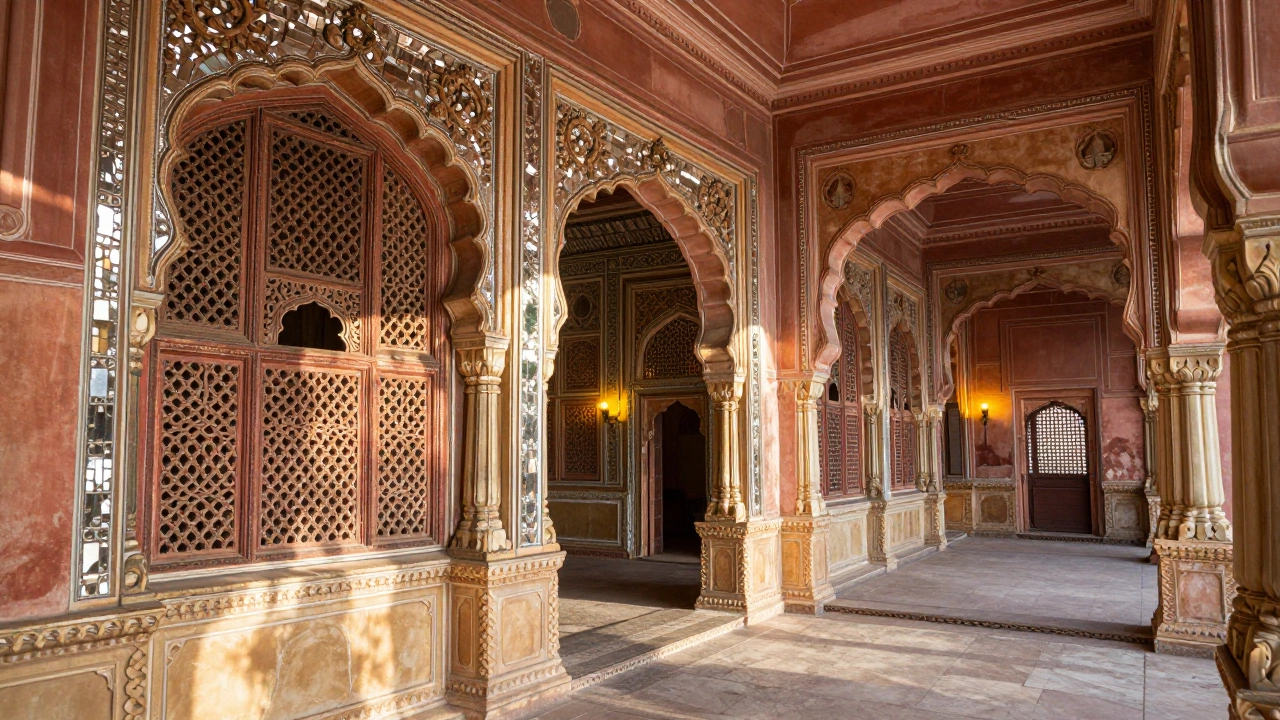
The final leg takes you to Jaipur, the capital of Rajasthan. The city is famous for its terracotta-pink walls, designed to welcome guests. The Amber Fort is the crown jewel here. Instead of taking the tourist elephant rides, which many now avoid for ethical reasons, hike up or take a jeep to the top. The mirrored halls and intricate carvings inside the fort are a masterclass in Rajput architecture.
Down in the city center, the Hawa Mahal (Palace of Winds) is a must-see from the outside. Inside, it's a bit cramped, but the facade is iconic. For a different pace, visit the City Palace and the Jantar Mantar observatory. The Jantar Mantar is essentially a collection of giant stone astronomical instruments that can tell you the time and the position of stars with incredible accuracy. It's a weird, wonderful place that reminds you how advanced Indian science was long before digital clocks existed.
| City | Primary Appeal | Stress Level | Must-See Entity | Best Way to Get Around |
|---|---|---|---|---|
| Delhi | Urban Chaos & History | High | Humayun's Tomb | Auto-rickshaws / Metro |
| Agra | Mughal Architecture | Medium | Taj Mahal | Private Car / Uber |
| Jaipur | Royal Heritage | Medium | Amber Fort | Tuk-tuks |
The Trade-offs: Is it Too "Touristy"?
The biggest criticism of this route is that it's a sanitized version of India. Because it's so popular, you'll find hotels and restaurants catering specifically to Western tastes. If you're looking for a raw, off-the-beaten-path adventure, the Golden Triangle might feel too predictable. You're moving from one managed tourist site to another, often in a bubble created by your tour operator.
However, for a first-timer, this "bubble" is often a blessing. India is an intense place. Jumping straight into a remote village in Himachal Pradesh or the backwaters of Kerala without first understanding the baseline of Indian urban life can be shocking. The Golden Triangle provides a structured way to acclimate. The trade-off is the noise and the pressure from vendors. In Agra, you'll be offered "official" guides every five seconds. The key is a polite but firm "No, thank you" and keeping your pace.
Practical Logistics: Getting Around
You have three main options for transport. The most comfortable is hiring a private driver for the entire circuit. This gives you flexibility to stop at small villages or roadside dhabas (local eateries) for a tea break. It's also the safest way to manage your luggage. If you're on a budget, the Indian Railways is an experience in itself, though booking tickets in advance is mandatory to avoid the chaos of the stations.
For those who want something high-end, there are luxury trains that combine lodging and travel. While expensive, they remove the stress of navigating traffic. Regardless of how you travel, keep in mind that the roads between Delhi, Agra, and Jaipur are generally good, but the traffic within the cities is a different beast. A 5km trip in Jaipur can easily take an hour during rush hour. Patience is your most valuable asset on this trip.
How to Make it Truly Worth It
To avoid the "checklist" feeling of the tour, stop trying to see everything. Many people cram these three cities into four days. That is a recipe for exhaustion. Instead, spend three days in Delhi, two in Agra, and three in Jaipur. Use your afternoons to just sit in a cafe or walk through a local market without a destination. This is where the magic happens-meeting a local shopkeeper who tells you about his family or discovering a hidden street food stall that sells the best lassi in the city.
Avoid the "all-inclusive" packages that promise a 10-city tour in 10 days. You'll spend more time in a car than you will exploring. Instead, book your hotels and use a reliable ride-sharing app or a vetted driver. Also, dress modestly. While these cities are used to tourists, wearing clothes that cover your shoulders and knees is a sign of respect and actually helps reduce some of the unwanted attention in crowded areas.
Is the Golden Triangle safe for solo female travelers?
Yes, it is generally safe, but caution is required. These cities are high-traffic tourist zones, meaning there are plenty of people around. Use reputable hotels, avoid walking alone in poorly lit areas at night, and trust your instincts. Hiring a private, vetted driver for the duration of the trip is highly recommended for added security and convenience.
When is the best time of year to visit?
The ideal window is from October to March. During these months, the weather is cool and pleasant. Avoid visiting between April and June, as temperatures can soar above 40°C (104°F), making outdoor exploration nearly impossible. The monsoon season (July to September) brings heavy rain, which can disrupt travel plans and make some sites muddy.
How much does a typical Golden Triangle tour cost?
Costs vary wildly. A budget traveler using hostels and trains can do it for $30-$50 per day. A mid-range experience with 3-star hotels and a private car usually costs between $100-$200 per day. Luxury tours with 5-star palaces and high-end guides can easily exceed $500 per day. Remember that entry fees for monuments are separate and can add up.
Can I visit all three cities in 5 days?
You can, but you'll be rushing. You'd likely spend one day in Delhi, one in Agra (Taj Mahal), and two in Jaipur. You will see the main sights, but you'll miss the nuance and the "slow' side of India. If you have the time, stretching it to 7 or 8 days makes the experience much more rewarding and less like a marathon.
Do I need a guide for the Taj Mahal?
A guide can provide historical context and help you find the best photo spots, but it's not strictly necessary. If you enjoy reading history beforehand, you can easily navigate the site yourself. If you do hire one, ensure they are a government-approved guide to avoid being scammed or misled with inaccurate information.