Mumbai vs Bangalore: Which City Fits Your Travel Style?
- Sep, 22 2026
- 0 Comments
- Aaron Blackwood
Mumbai vs. Bangalore Travel Matcher
Adjust the sliders below to reflect your current mood and priorities. We'll calculate which Indian metropolis fits your style best.
Your Preferences
Your Recommendation
Balanced Profile
Adjust the sliders and click 'Find My Match' to see which city suits you best.
Higher bar indicates stronger match based on your inputs.
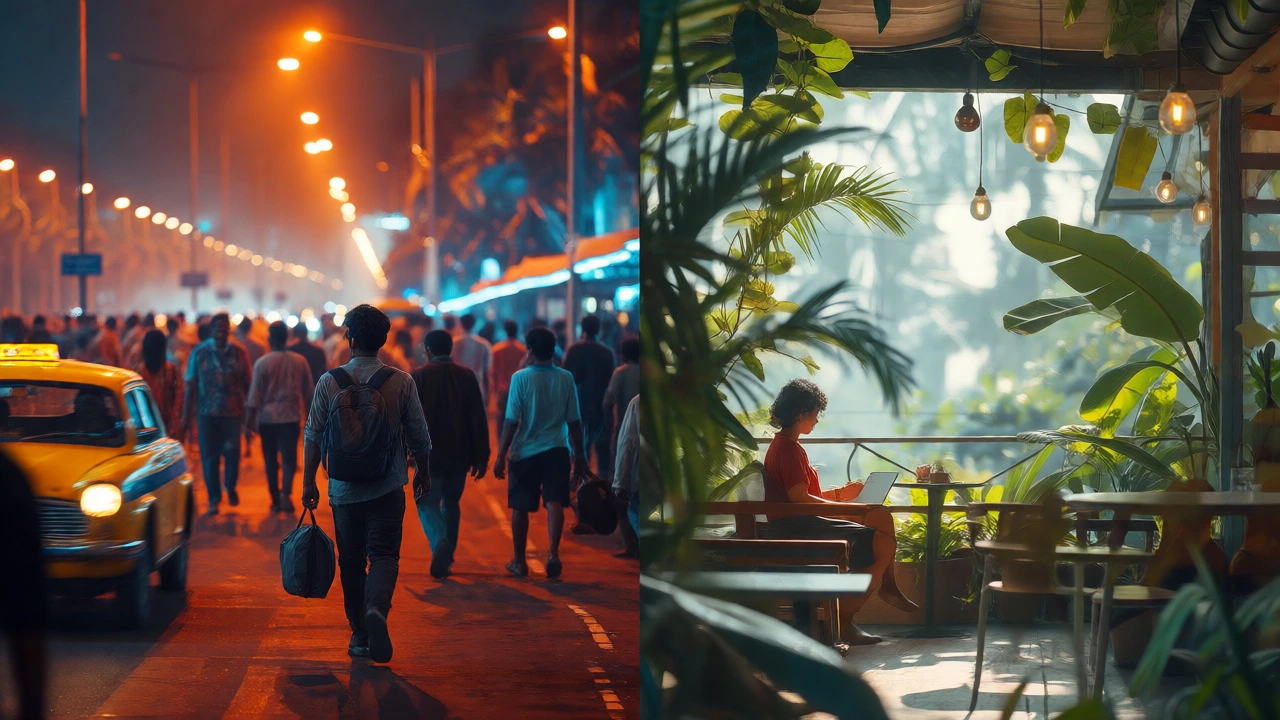
You’re standing at the airport arrivals gate, phone buzzing with two conflicting sets of advice. One friend screams that Mumbai is the only place where dreams actually happen, while another insists Bangalore is the cool, caffeinated heart of modern India. It’s a classic dilemma for travelers and relocators alike. Both cities are powerhouses, but they operate on completely different frequencies. Choosing between them isn’t about which one is objectively "better"-it’s about which rhythm matches your current mood, budget, and tolerance for chaos.
Quick Summary / Key Takeaways
- Vibe: Mumbai offers high-energy, coastal glamour and Bollywood history; Bangalore provides a relaxed, tech-centric, green atmosphere.
- Weather: Mumbai is hot and humid year-round with heavy monsoons; Bangalore enjoys mild, pleasant weather due to its elevation.
- Cost: Mumbai is generally more expensive for accommodation and dining out; Bangalore offers better value for money in real estate and daily expenses.
- Traffic: Both suffer from congestion, but Bangalore’s traffic is notoriously unpredictable due to rapid urban sprawl, while Mumbai’s is dense but structured by rail networks.
- Best For: Choose Mumbai for nightlife, cinema, and fast-paced career moves. Choose Bangalore for startups, coding culture, and weekend getaways to hill stations.
The Vibe Check: Coastal Hustle vs. Garden City Chill
Let’s be honest: the first thing you notice when you step off the plane is the air. In Mumbai, it hits you like a wall of warm humidity mixed with sea salt and diesel fumes. This is the energy of a city that never sleeps, literally. The streets are packed with people moving with purpose. You see dabbawalas delivering lunchboxes with Swiss-watch precision, film stars dodging paparazzi near Bandra, and office workers rushing to catch local trains. It’s intense, vibrant, and unapologetically loud. If you thrive on adrenaline and want to feel the pulse of India’s financial capital, Mumbai delivers an electric charge you can’t find elsewhere.
Bangalore, officially known as Bengaluru, feels entirely different. Situated on the Deccan Plateau at an elevation of over 900 meters, it breathes easier. The air is cooler, often requiring a light jacket in the evenings even in summer. Known as the "Garden City," despite losing much of its green cover, it still retains a laid-back charm. People here talk about code, craft beer, and cricket scores rather than box office numbers. The pace is slower, not because people are lazy, but because the culture values work-life balance more explicitly. If you prefer deep conversations in cozy cafes over shouting matches in crowded clubs, Bangalore’s chill vibe will feel like a hug.
Weather Wars: Humidity vs. Pleasant Breezes
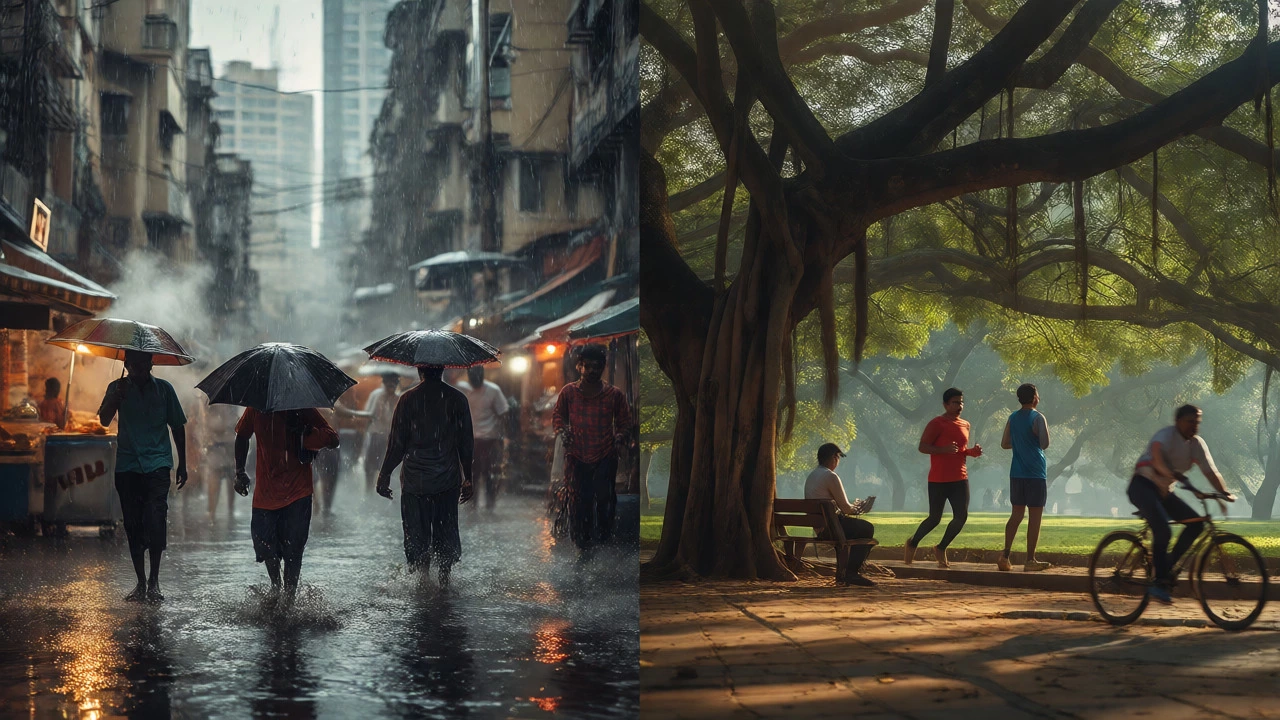
If you hate sweating through your shirt before noon, Mumbai might test your patience. The city sits right on the coast, meaning humidity levels hover around 70-80% for most of the year. Summers are brutal, with temperatures climbing above 35°C (95°F), making outdoor activities exhausting. Then comes the monsoon. From June to September, Mumbai transforms into a waterlogged wonderland. While some find the rain romantic, commuting becomes a sport. Local trains flood, roads turn into rivers, and your shoes become casualties. But if you love the drama of nature and don’t mind getting wet, the monsoon in Mumbai has a certain cinematic appeal.
Bangalore wins this round easily for most visitors. Because of its altitude, it escapes the extreme heat that plagues the rest of India. Temperatures rarely exceed 30°C (86°F) during the day and drop to a comfortable 15°C (59°F) at night. You can wear jeans and a t-shirt comfortably all year round. Rain does arrive, usually in short, intense bursts that clear up quickly, leaving the air crisp and fresh. There’s no need to pack umbrellas constantly or worry about fungal infections from persistent dampness. For digital nomads who want to work outdoors or explore parks without melting, Bangalore’s climate is a massive quality-of-life upgrade.
Cost of Living: Where Does Your Money Go?
Let’s talk numbers, because your wallet cares about the difference. Mumbai is widely considered the most expensive city in India. Renting a decent one-bedroom apartment in areas like Andheri or Powai can cost ₹40,000-₹60,000 ($480-$720) per month. Eating out adds up fast, especially if you’re eyeing trendy spots in Lower Parel or Bandra. A casual dinner for two might set you back ₹2,000-₹3,000 ($24-$36). Public transport is cheap, but private taxis surge in price during peak hours. If you’re staying short-term, expect hotel rates to reflect the scarcity of space.
| Expense Category | Mumbai | Bangalore |
|---|---|---|
| Rent (1BHK, mid-range area) | ₹45,000 - ₹60,000 | ₹25,000 - ₹35,000 |
| Groceries & Household | ₹8,000 - ₹10,000 | ₹7,000 - ₹9,000 |
| Dining Out (Weekly) | ₹10,000 - ₹15,000 | ₹6,000 - ₹9,000 |
| Transport (Cab/Public Mix) | ₹5,000 - ₹7,000 | ₹4,000 - ₹6,000 |
| Total Estimated | ₹68,000 - ₹92,000 | ₹42,000 - ₹59,000 |
Bangalore offers significantly better value. You can rent a similar apartment in Indiranagar or Koramangala for nearly half the price of Mumbai’s equivalents. Food is also cheaper, thanks to the abundance of street food options and competitive restaurant pricing driven by the student and startup population. A meal at a good mid-range restaurant costs less, and you’ll find more happy-hour deals. For long-term stays or those working remotely on a fixed budget, Bangalore stretches your rupees further, allowing you to save more or spend on experiences rather than just survival.
Food Scene: Street Snacks vs. Craft Brews
Both cities are foodie paradises, but they feed your soul differently. Mumbai’s food culture is rooted in street food and regional diversity. Start your day with a vada pav-a potato fritter in a bun-for under ₹20 ($0.25). Try bhel puri, pav bhaji, and chicken shawarma from roadside stalls. The city is a melting pot of Maharashtrian, Gujarati, South Indian, and Mughlai cuisines. Fine dining exists, but the heart of Mumbai’s food scene beats in its chaotic, delicious alleyways. Seafood lovers rejoice: fresh fish thali is a staple, affordable and abundant.
Bangalore, meanwhile, has evolved into a global culinary hub. While you can still find dosas and idlis everywhere, the city shines in its cafe culture and microbreweries. Areas like Church Street and Lavelle Road are lined with specialty coffee shops serving single-origin beans. The craft beer scene is arguably the best in Asia, with dozens of breweries offering tours and tastings. International cuisine-from Korean BBQ to Mexican tacos-is highly accessible and innovative. If you enjoy experimenting with flavors in a relaxed setting, Bangalore’s diverse and refined food landscape will keep you entertained.
Nightlife and Entertainment: Clubs vs. Concerts
Mumbai owns the night. As the home of Bollywood, entertainment is woven into the city’s DNA. High-end clubs in BKC and Bandra stay open until 3 AM, attracting celebrities and party-goers alike. Theater productions, stand-up comedy shows, and live music gigs are frequent. The energy is infectious; people dress up, dance hard, and socialize loudly. However, getting home late can be a logistical nightmare due to traffic and limited metro coverage at night.
Bangalore’s nightlife is more low-key but equally engaging. Instead of mega-clubs, you’ll find intimate venues hosting indie bands, poetry slams, and tech meetups. The pub crawl culture is strong, with many bars offering live sports screenings and trivia nights. Since the weather is pleasant, people often linger outside pubs or head to nearby lakeside parks for evening walks. It’s less about seeing and being seen, and more about connecting with communities. For introverts or those who prefer meaningful interactions over loud bass, Bangalore’s social scene is far more inviting.

Traffic and Connectivity: The Daily Grind
Here’s the ugly truth: both cities have terrible traffic. But they fail in different ways. Mumbai’s congestion is predictable in its unpredictability. The local train network is the lifeline, carrying millions daily. It’s cheap and efficient, but riding the locals requires stamina and elbow grease. During rush hour, you’re packed like sardines. Roads are narrow and prone to flooding during monsoons, causing gridlock. Yet, once you learn the system, navigating Mumbai becomes second nature.
Bangalore’s traffic is infamous for a reason. The city grew rapidly without adequate infrastructure planning, leading to severe bottlenecks on key arterial roads like Outer Ring Road and Whitefield Main Road. Commutes that should take 20 minutes can stretch to two hours. The metro system is expanding and helpful, but it doesn’t yet cover all major hubs. Many residents rely on cabs, which surge in price during peak times. If you plan to move around frequently, factor in significant time buffers. However, once you’re inside the tech parks or central areas, connectivity improves slightly.
Which One Should You Pick?
So, how do you decide? It comes down to what you value most right now. If you crave intensity, cultural richness, and access to the entertainment industry, choose Mumbai. It’s a city that challenges you to keep up, rewarding resilience with unparalleled opportunities and vibrant experiences. You’ll miss the silence, but you won’t miss the excitement.
If you prioritize comfort, affordability, and a balanced lifestyle, pick Bangalore. It’s ideal for professionals seeking career growth in tech without sacrificing personal well-being. The weather alone makes it a superior choice for health-conscious travelers. You’ll miss the coastal breeze and Bollywood glitz, but you’ll gain peace of mind and a community that values innovation and relaxation.
Ultimately, neither city is universally "better." They serve different needs. Maybe you visit Mumbai for a weekend of high-octane fun and retreat to Bangalore for a week of productive calm. Or perhaps you realize that after three months in Mumbai’s heat, you desperately need Bangalore’s breeze. Listen to your body and your bank account-they usually know the answer before you do.
Is Mumbai safer than Bangalore for solo female travelers?
Both cities are relatively safe compared to other Indian metros, but Mumbai is often cited as having a stronger sense of public safety due to its dense population and active police presence. Women report feeling more comfortable using public transport at night in Mumbai than in some parts of Bangalore, though caution is always advised in both cities.
Which city has better internet connectivity for remote work?
Bangalore generally offers more reliable high-speed fiber broadband connections, largely due to its status as a tech hub with infrastructure tailored for developers. Mumbai has improved significantly, but occasional outages and lower average speeds in older buildings can be frustrating for heavy data users.
Can I visit both cities in one trip?
Yes, absolutely. Flights between Mumbai and Bangalore take about 1.5 to 2 hours. Many travelers combine a few days in Mumbai for sightseeing and nightlife with a longer stay in Bangalore for exploring nearby hill stations like Nandi Hills or Coorg.
Which city is better for finding jobs?
It depends on your field. Mumbai dominates finance, media, advertising, and entertainment. Bangalore leads in IT, software development, startups, and engineering roles. Salaries are comparable, but Bangalore’s lower cost of living often results in higher disposable income for tech workers.
How difficult is it to adjust to the language barrier?
English is widely spoken in professional circles in both cities. In Mumbai, Hindi and Marathi are common, while Kannada is prevalent in Bangalore. Most service staff understand basic English, so tourists rarely face significant communication hurdles, especially in tourist-heavy areas.