North India vs South India: Which Region Is More Beautiful?
- Jun, 5 2026
- 0 Comments
- Aaron Blackwood
North vs South India: Which Region Matches Your Travel Style?
Answer 8 questions to find out which region of India is perfect for you
There is no single answer to the question of whether North or South India is more beautiful. It depends entirely on what kind of beauty moves you. If you crave towering snow-capped peaks and ancient stone fortresses, the north will steal your heart. If you prefer lush green backwaters, intricate temple carvings, and tropical beaches, the south is your paradise. Both regions offer world-class experiences, but they feel like two completely different countries.
Many travelers arrive in India with a fixed idea of what they want to see, only to find that the reality is far more nuanced. The contrast between these two halves of the subcontinent is not just geographical; it is cultural, linguistic, and atmospheric. Understanding these differences helps you plan a trip that matches your personal taste rather than following a generic itinerary.
The Dramatic Landscapes of North India
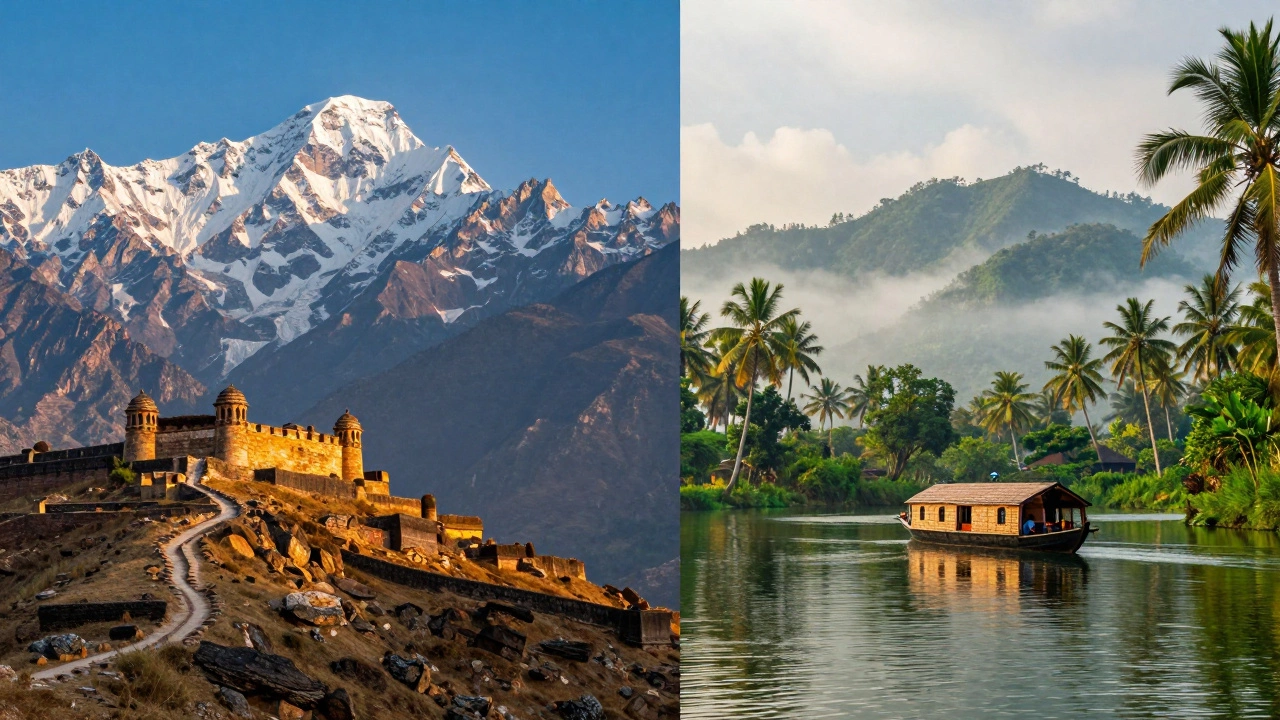
North India is known for its dramatic Himalayan landscapes, arid deserts, and grand historical monuments. This region includes states like Rajasthan, Uttar Pradesh, Himachal Pradesh, and Uttarakhand. The visual impact here is often monumental and stark.
The Himalayas dominate the northern horizon. Places like Leh-Ladakh, Manali, and Nainital offer rugged mountain scenery that feels raw and untamed. You can trek through high-altitude passes, ride horses across sandy dunes in Jaisalmer, or watch the sunrise over the Golden Temple in Amritsar. The beauty here is often associated with power and scale.
- Rajasthan: Famous for its colorful palaces, desert safaris, and vibrant festivals. Cities like Jaipur and Udaipur showcase royal architecture at its finest.
- Himachal Pradesh: Offers cool climates, apple orchards, and serene valleys perfect for relaxation and light trekking.
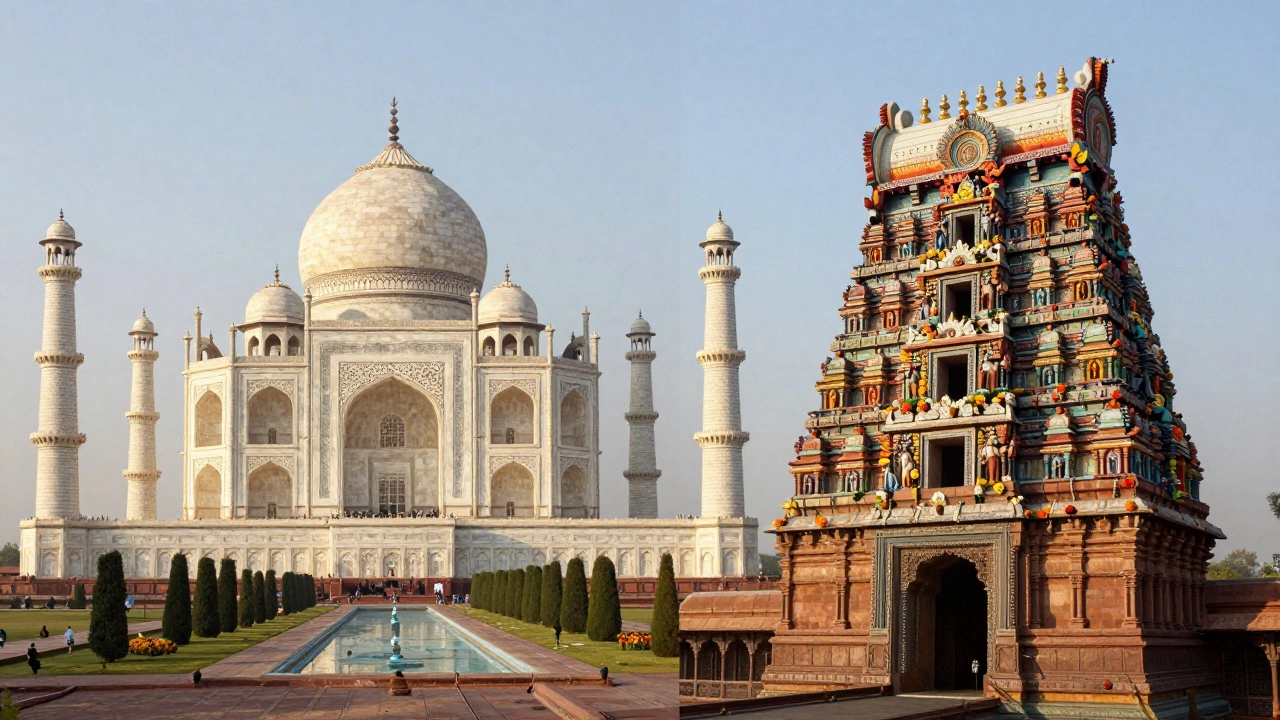
- Uttar Pradesh: Home to the Taj Mahal, this region holds deep historical significance with sites like Varanasi and Agra.
The climate in the north varies drastically. Winters can be freezing, especially in the mountains, while summers are hot and dry. This seasonal variation adds another layer to the experience, as the landscape changes from snow-covered peaks to dusty plains depending on the time of year.
The Lush Greenery of South India
In contrast, South India is characterized by tropical vegetation, coastal backwaters, and ancient Dravidian temple architecture. States like Kerala, Tamil Nadu, Karnataka, and Andhra Pradesh form this diverse region. The beauty here is organic, fluid, and deeply connected to water and nature.
Kerala is often called "God's Own Country" because of its unmatched natural beauty. The Kerala Backwaters are a network of lagoons and lakes that run parallel to the Arabian Sea coast. Cruising through them on a houseboat offers a peaceful escape unlike anywhere else in India. Meanwhile, the Western Ghats provide dense forests and hill stations like Munnar and Ooty, which are famous for tea plantations and misty views.
- Tamil Nadu: Renowned for its massive stone temples in Madurai, Thanjavur, and Rameswaram. The architectural detail is mind-boggling.
- Karnataka: A mix of history and nature, with Hampi's ruined boulders and Coorg's coffee estates.
- Andhra Pradesh & Telangana: Offer spiritual sites like Tirupati and modern urban hubs like Hyderabad.
The weather in the south is generally warmer and humid throughout the year, though the hill stations provide relief. The monsoon season transforms the landscape into an even greener version of itself, making it a popular time for those who enjoy rain-soaked nature.
Cultural Contrasts That Shape the Experience
Beauty is not just about scenery; it is also about the people and their way of life. The cultural divide between North and South India is significant and adds depth to your travel experience.
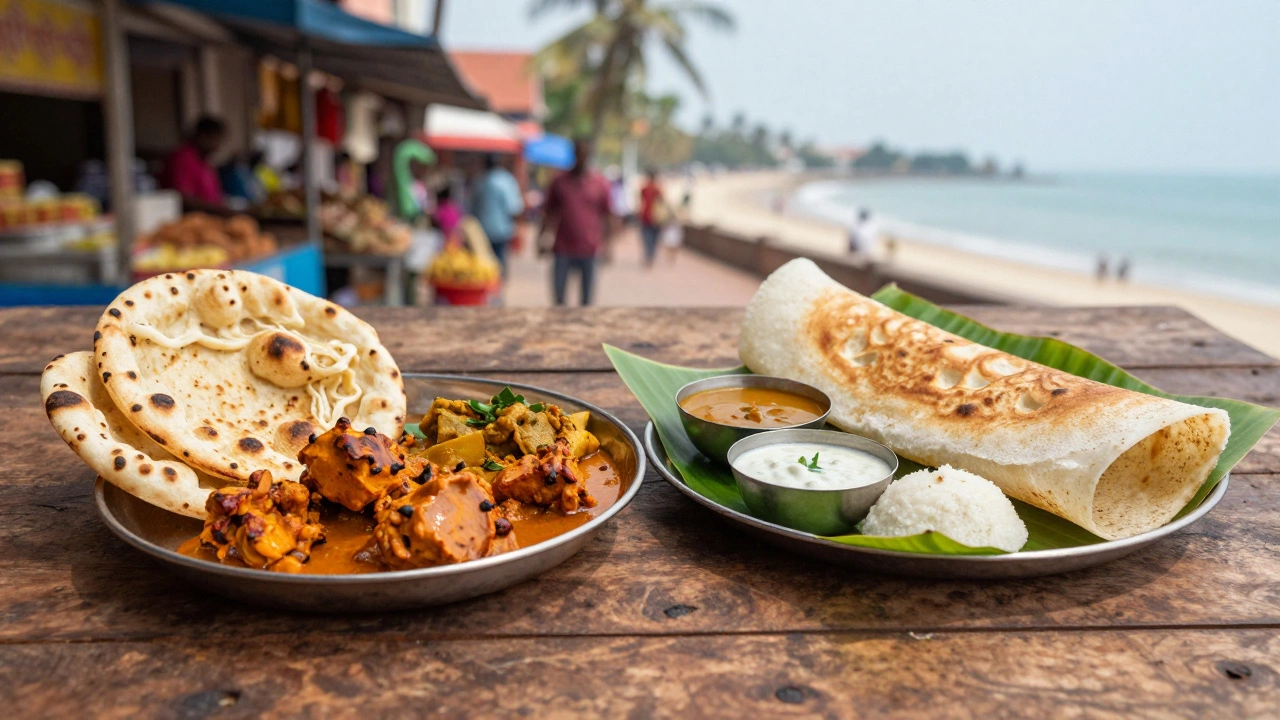
In the north, you will encounter a blend of Persian, Mughal, and indigenous influences. The food is rich, often featuring dairy, wheat-based breads like naan and roti, and robust spices. Languages such as Hindi, Punjabi, and Urdu are widely spoken. The pace of life in cities like Delhi can be fast and chaotic, reflecting a bustling urban energy.
In the south, the culture is rooted in ancient Dravidian traditions. The cuisine relies heavily on rice, lentils, coconut, and tamarind, resulting in dishes that are tangy and spicy in a different way. Languages like Tamil, Malayalam, Kannada, and Telugu have their own scripts and literary histories. The social atmosphere tends to be slightly more relaxed, especially in rural areas and coastal towns.
| Feature | North India | South India |
|---|---|---|
| Landscape | Mountains, Deserts, Plains | Coastlines, Backwaters, Hills |
| Architecture | Mughal, Rajput Forts | Dravidian Temples, Colonial |
| Cuisine | Bread, Dairy, Rich Curries | Rice, Coconut, Tangy Flavors |
| Climate | Extreme (Cold Winters, Hot Summers) | Tropical (Warm, Humid) |
| Primary Languages | Hindi, Punjabi, Urdu | Tamil, Malayalam, Kannada, Telugu |
Best Time to Visit Each Region
Timing your trip correctly can make or break your experience. The best months to visit North India are typically October to March. During this period, the weather is pleasant, and you can comfortably explore outdoor sites like the Taj Mahal or trek in the Himalayas. Avoid the summer months (April-June) due to extreme heat, and the monsoon season (July-September) if you dislike rain and humidity.
For South India, the ideal time is November to February. The weather is cooler and less humid, making it perfect for beach holidays in Goa or Kerala and temple visits in Tamil Nadu. The monsoon season (June-September) is actually a great time to visit the Western Ghats and Kerala if you enjoy lush greenery and lower hotel rates, but it may disrupt outdoor activities in other areas.
Choosing Based on Your Travel Style
Your decision should ultimately depend on what kind of traveler you are. Here is a quick guide to help you decide:
- Adventure Seekers: Choose North India for trekking, skiing, and desert camping. South India offers surfing in Kerala and trekking in the Western Ghats.
- History Buffs: North India has the Taj Mahal and Red Fort. South India has the Chola temples and Vijayanagara ruins in Hampi.
- Nature Lovers: North India provides alpine meadows and national parks like Corbett. South India offers biodiversity hotspots like Periyar and Agumbe.
- Foodies: North India serves butter chicken and kebabs. South India delights with dosa, idli, and seafood curries.
- Relaxation: South India’s backwaters and Ayurvedic spas in Kerala are unbeatable for peace. North India’s hill stations like Shimla offer quiet retreats.
Do not feel pressured to choose one side exclusively. Many travelers combine both regions in a single trip, starting with the cultural richness of the south and ending with the majestic sights of the north. This approach gives you a complete picture of India’s diversity.
Is North India safer than South India?
Both regions are generally safe for tourists. However, large cities in the north like Delhi can be more crowded and require higher vigilance against petty crime. South Indian cities tend to be slightly more relaxed, but standard travel precautions apply everywhere.
Which part of India is more expensive to visit?
Costs vary by location rather than just north or south. Major tourist hubs like Leh in the north and Kerala in the south can be pricey due to demand. Budget options exist in both regions, including hostels and local eateries.
Can I visit both North and South India in one trip?
Yes, but it requires careful planning. India is vast, and internal flights or long train journeys are necessary. A minimum of three weeks is recommended to cover key highlights in both regions without feeling rushed.
What is the best way to get around in India?
Domestic flights are the fastest option for covering long distances between north and south. Trains offer a scenic and affordable alternative, especially for medium-distance travel. Local transport like taxis and auto-rickshaws work well within cities.
Are there vegetarian food options in both regions?
Absolutely. India has a strong vegetarian culture. North India offers paneer dishes and lentil stews, while South India specializes in rice-based meals with vegetables and chutneys. Vegetarian restaurants are available in every major city.