Animal Sanctuary in India: Protecting Wildlife and Where to Visit
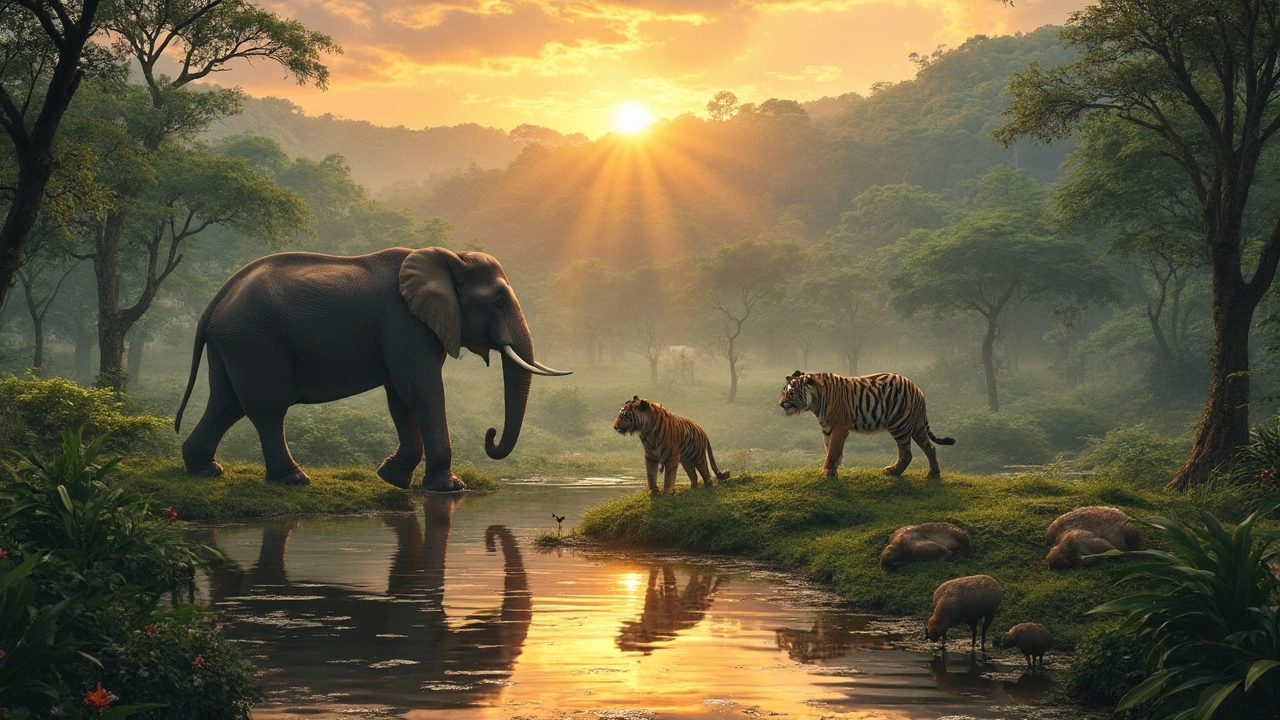
When you think of animal sanctuary, a protected area where wild animals live safely without human interference. Also known as wildlife sanctuary, it’s not a zoo—no cages, no shows, just animals living as they should. India is home to over 550 of these spaces, from the misty hills of the Western Ghats to the dry grasslands of Rajasthan. These aren’t just pretty places—they’re lifelines for tigers, elephants, leopards, and hundreds of bird species that would otherwise vanish.
What makes an animal sanctuary, a protected area where wild animals live safely without human interference. Also known as wildlife sanctuary, it’s not a zoo—no cages, no shows, just animals living as they should. different from a national park? In a sanctuary, limited human activity like research or controlled tourism is allowed, but hunting and habitat destruction are strictly banned. A tiger reserve, a designated area under Project Tiger to protect Bengal tigers and their ecosystems. Also known as Project Tiger site, it’s a type of sanctuary with extra funding and anti-poaching teams. Like Bandhavgarh or Ranthambore, these places are carefully managed to bring tigers back from the edge. Meanwhile, sanctuaries like Periyar in Kerala or Kaziranga in Assam protect rhinos, elephants, and rare birds without the crowds.
These places don’t just save animals—they protect entire ecosystems. A single sanctuary can hold rivers, forests, and wetlands that support hundreds of species. And they’re not just for experts. Thousands of visitors each year walk quiet trails, spot deer from a distance, or watch birds at dawn—all while knowing they’re helping conservation. You won’t find neon signs or gift shops here. Just silence, movement in the bushes, and the occasional roar.
India’s sanctuaries are shaped by local culture, too. Many sit near villages where people have lived alongside wildlife for generations. Some even rely on community-led patrols to keep poachers away. This isn’t just government work—it’s a shared effort. And when you visit, you’re part of that story.
What you’ll find in the posts below are real stories from these places: how to plan a quiet visit, which sanctuaries are best for photography, what animals you’re likely to see, and why some spots are quieter but more meaningful than the famous ones. You’ll learn where to go without the crowds, when to arrive for the best light, and how to respect the space so it stays wild for years to come. This isn’t a list of tourist traps. It’s a guide to the quiet corners of India where nature still rules.
- Feb, 25 2025
- 0 Comments
- Aaron Blackwood
Discover the World's Largest Animal Sanctuary
Explore the secrets of the world's largest animal sanctuary, where thousands of rescued animals find a safe haven. Learn about its location, the variety of species it shelters, and why it stands out in wildlife conservation. This article offers practical insights and tips for those interested in visiting or supporting wildlife sanctuaries. Dive into the heart of conservation efforts and discover how you can contribute to protecting these vital animal havens.
Read More