Animal Tourism in India: Ethical Wildlife Experiences and Popular Destinations
When you think of animal tourism, travel experiences centered around observing or interacting with wild or domesticated animals. Also known as wildlife tourism, it includes everything from guided safaris to temple elephants—and too often, it’s misunderstood. In India, animal tourism isn’t just about seeing a tiger or riding an elephant. It’s about whether that experience helps the animal survive—or harms it.
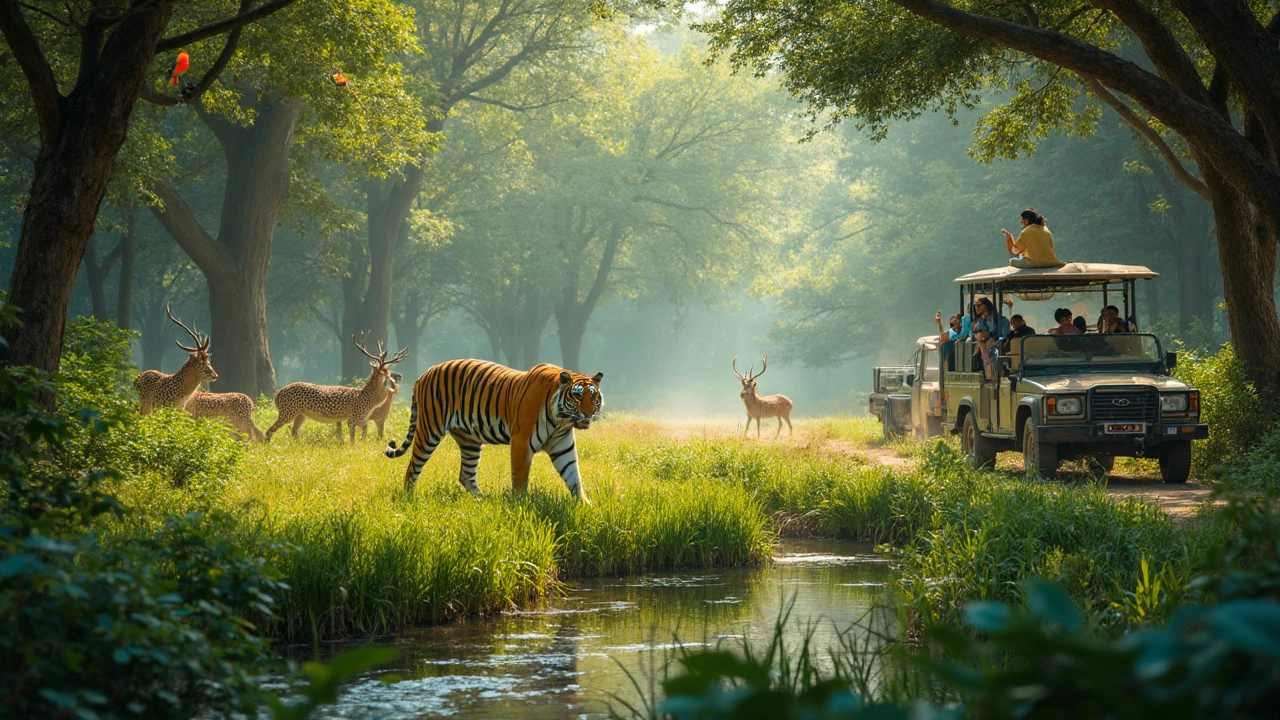
Many popular animal tourism activities in India are built on outdated practices. Elephant rides, tourist interactions where elephants are trained to carry people, often through cruel methods still happen at temples and resorts, even though studies show these animals suffer from chronic stress and spine injuries. Meanwhile, tiger reserves, protected areas like Ranthambore and Bandhavgarh where tigers roam freely and are observed from safe, regulated vehicles are leading the way in ethical wildlife viewing. These places don’t just show you a tiger—they fund anti-poaching units, support local communities, and help rebuild habitats.
Animal tourism in India also includes lesser-known but deeply meaningful experiences. In Kaziranga, you can spot one-horned rhinos from open jeeps without disturbing them. In Ranthambore, guides explain how tiger populations have doubled in 20 years thanks to strict visitor rules. Even in rural areas, community-run birdwatching tours in Bharatpur’s Keoladeo National Park give locals steady income without harming the birds.
But here’s the truth: not all animal tourism is created equal. Some operators sell the idea of "rescue" or "sanctuary" while still forcing animals to perform. Real sanctuaries don’t let you touch the animals. They don’t offer photo ops with cubs. They let wildlife be wild. If you’re paying to hug a bear or feed a monkey, you’re funding exploitation—not conservation.
What you’ll find in these posts isn’t a list of places to see animals. It’s a guide to seeing them the right way. You’ll learn why some of India’s most famous wildlife spots are actually harmful, which ones are changing for the better, and how to tell the difference before you book. You’ll read about real travelers who chose ethical safaris over elephant rides—and how that choice made a difference. You’ll see how local laws, tourist demand, and wildlife protection efforts are shaping the future of animal tourism in India.
This isn’t about guilt. It’s about awareness. Every time you choose an ethical experience, you’re telling the industry what matters. And in a country where wildlife is as much a part of the culture as its temples and festivals, protecting animals isn’t optional—it’s essential.
- Apr, 19 2025
- 0 Comments
- Aaron Blackwood
Which Is the Most Famous Wildlife Sanctuary? Exploring Iconic Spots for Animal Lovers
Curious about the most famous wildlife sanctuary? This article breaks down which spot earns the top title and why. We’ll look at what makes a sanctuary famous, who calls it home, and what to expect when you visit. You’ll get handy tips and fun facts that go beyond the usual tourist info. Get ready to meet amazing animals and see which sanctuary stands out worldwide.
Read More