Best Countries for Trekking: Top Destinations and Why Nepal Beats Them All
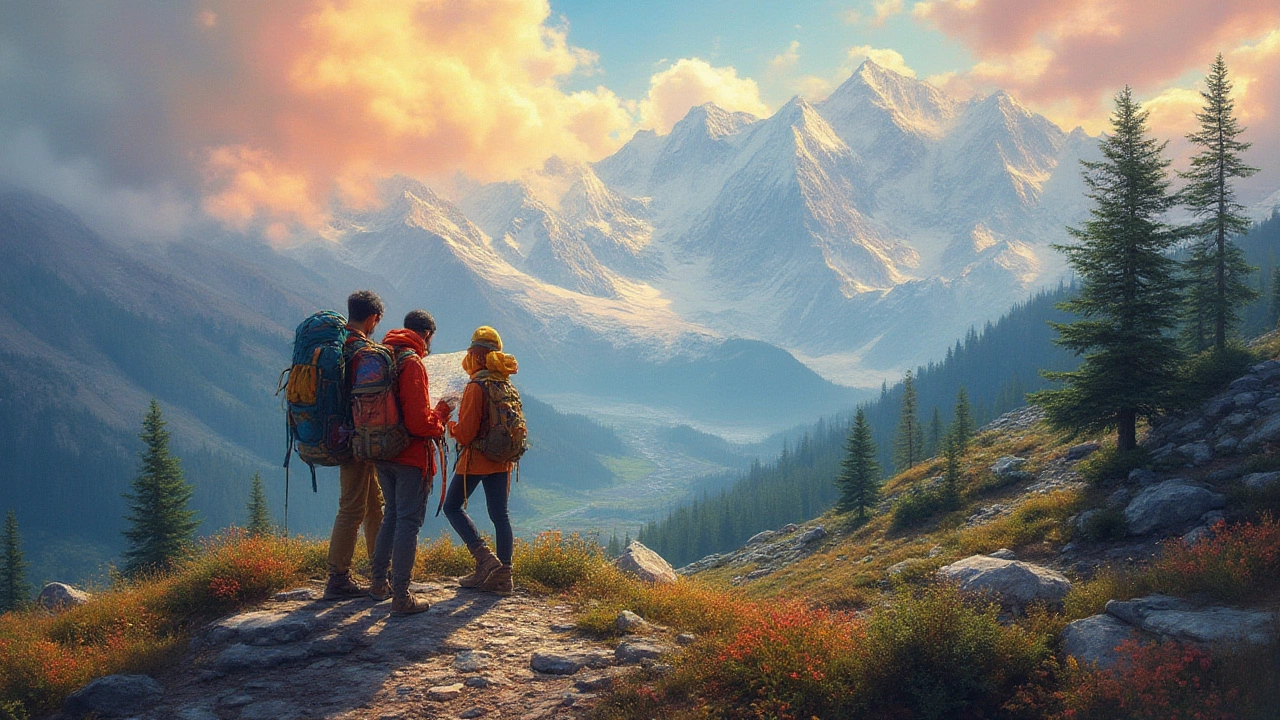
When it comes to best countries for trekking, nations offering long-distance mountain trails with cultural depth, reliable infrastructure, and dramatic landscapes. Also known as top hiking destinations, these places aren’t just about climbing—they’re about living in the mountains, sleeping in village teahouses, and walking through centuries-old prayer flags. Among them, Nepal stands out not just because of Everest, but because it’s built for trekkers. From the Annapurna Circuit to Langtang Valley, the trails are clear, the lodges are plentiful, and the locals know how to treat hikers like family. You don’t need to be an elite athlete—just ready to walk for days under open skies.
India, too, has its own powerful trekking soul. The Himalayas stretch into Uttarakhand and Himachal Pradesh, where trails like Valley of Flowers and Roopkund offer wild beauty without the crowds of Nepal. But here’s the catch: India’s best treks often lack the same level of consistent support. You’ll find fewer marked paths, sparser lodging, and more self-reliance required. That’s not a downside for some—it’s the appeal. If you want solitude, raw nature, and a deeper connection to the land, India’s trails deliver. But if you want a smooth, well-organized journey with hot meals and reliable weather forecasts, Nepal still leads.
Other countries like Peru’s Inca Trail, Switzerland’s Haute Route, and New Zealand’s Tongariro Crossing are famous—but they’re shorter. Most last 3 to 7 days. Nepal’s Everest Base Camp trek? It’s 12 to 14 days. That’s not just a hike—it’s a transformation. You pass through Sherpa villages, cross suspension bridges over deep gorges, and watch the sun rise over Kanchenjunga. No other country offers that combination of length, culture, and altitude in one package. And while places like Bhutan and Tibet have stunning trails, they’re harder to access, more expensive, and often require permits you can’t get on a whim.
What makes a country great for trekking? It’s not just the views. It’s safety, affordability, trail maintenance, and how welcoming locals are. Nepal scores high on all four. India scores high on authenticity but lags on infrastructure. The United States has Yosemite and the Rockies, but those are more for weekend warriors. The Andes are remote and breathtaking, but language barriers and altitude sickness make them tougher for first-timers. Nepal? It’s the only place where you can show up with a backpack, buy a ticket at a Kathmandu travel agency, and be on the trail the next morning.
And let’s talk about cost. A full Everest Base Camp trek with gear, food, and guides runs about $1,000 to $1,500. Compare that to a similar-length trek in Patagonia or the Alps—those can hit $3,000 or more. Nepal gives you world-class adventure at a fraction of the price. That’s why it’s not just the best—it’s the most accessible.
Below, you’ll find real stories from people who’ve walked these trails. Some climbed Everest Base Camp. Others hiked hidden paths in India’s Garhwal region. You’ll read about the hardest girl sport in India, why Kedarnath isn’t part of the Char Dham pilgrimage, and how the Taj Mahal fits into the bigger picture of cultural travel. These aren’t just travel tips—they’re lessons from the trail. Whether you’re planning your first hike or your tenth, what you’ll find here isn’t just about where to go. It’s about why you should go—and who you become along the way.
- Jul, 15 2025
- 0 Comments
- Aaron Blackwood
Top Countries for Trekking: Ultimate Guide to the Best Trekking Destinations Worldwide
Ready to trek the world? This guide ranks the best countries for trekking, with route tips, fun facts, and practical advice for true hiking lovers.
Read More