Best Time to Visit India: When to Go for Weather, Crowds, and Festivals
When planning a trip to India, a vast South Asian country with extreme seasonal variations and rich cultural calendars. Also known as the Indian subcontinent, it’s not one destination—it’s dozens, each with its own ideal season. The best time to visit India isn’t a single month. It depends on where you’re going, what you want to do, and how you handle heat, rain, or crowds.
For most travelers, the sweet spot is October to March, the dry, cool season across northern and central India. That’s when the Himalayas are clear, the Taj Mahal looks stunning in morning light, and cities like Jaipur and Delhi are pleasant to explore. This period also includes major festivals like Diwali, the Festival of Lights celebrated across the country with fireworks, sweets, and family gatherings, and Holi, the colorful spring celebration that turns streets into paint fights. If you’re chasing temple tours, pilgrimage sites like Rameshwaram or Kedarnath are most accessible during these months.
But India isn’t just about the north. The monsoon hits hard between June and September, when heavy rains flood parts of the country, especially the west and northeast. While some travelers avoid this time, others love the lush greenery, empty beaches in Kerala, and lower prices. The wettest month in North India? July. But in the south, places like Goa and Tamil Nadu thrive in the rain. And if you’re into trekking, the high-altitude trails in Himachal or Uttarakhand are closed during monsoon—safe only after October.
Summer, from April to June, is brutal in most places. Temperatures regularly hit 40°C in cities like Delhi and Jaipur. But if you’re heading to hill stations like Shimla or Munnar, it’s still a good time to escape the heat. Just don’t plan a Taj Mahal visit in May—you’ll be sweating more than admiring marble.
Here’s the truth: if you want to avoid crowds and save money, skip December and January. Those are peak months. Instead, aim for late February or early March. You’ll get the same clear skies, cooler weather, and fewer people lining up for tickets. And if you’re after adventure—like skydiving in Pondicherry or trekking in the Western Ghats—the dry months give you the safest conditions.
India’s magic isn’t just in its monuments. It’s in the rhythm of its seasons. The way the air smells after the first monsoon rain. The way temple bells echo louder in winter chill. The way a train ride through Rajasthan feels different under autumn sun versus summer haze. The best time to visit India isn’t just about weather—it’s about matching your travel style to the country’s pulse. Below, you’ll find real guides on when to see the Taj Mahal without the queues, how to plan a honeymoon in the right season, and why North India’s festival calendar might be your biggest reason to book a flight.

- Dec, 1 2025
- 0 Comments
- Aaron Blackwood
What Is the Most Expensive Month to Visit India?
December is the most expensive month to visit India due to perfect weather and high demand. Flights, hotels, and tours in South India spike in price, making it the priciest time to travel-but also the most comfortable.
Read More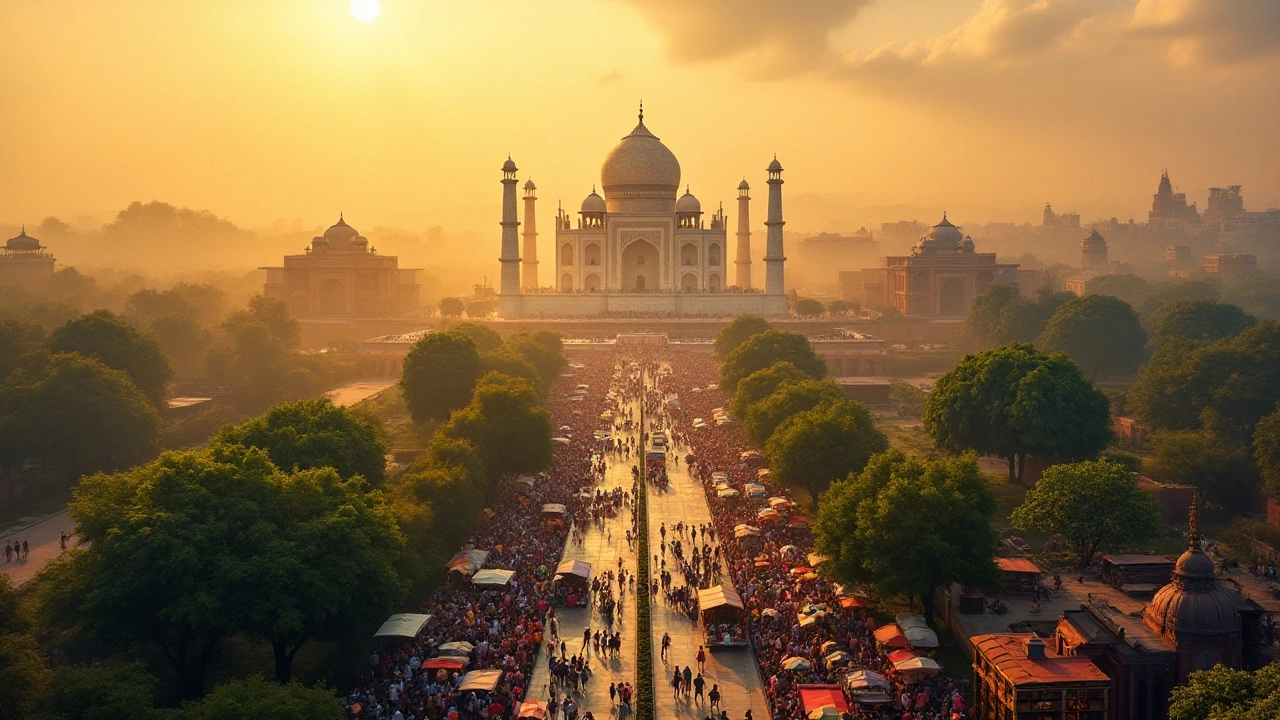
- Jan, 20 2025
- 0 Comments
- Aaron Blackwood
Best Time to Explore India's Enchanting Golden Triangle
The Golden Triangle in India, connecting Delhi, Agra, and Jaipur, offers an extraordinary blend of history, culture, and architecture. The best time to visit this incredible circuit is during the cooler months from October to March. This period provides relief from the extreme summer heat, making travel more enjoyable and comfortable. The Golden Triangle boasts spectacular sites like the Taj Mahal, Amber Fort, and Qutub Minar, along with vibrant local experiences. Planning your trip during these months enhances your chance to fully immerse yourself in the rich tapestry of India's past and present.
Read More