Chadar Trek: What You Need to Know About India’s Frozen River Adventure
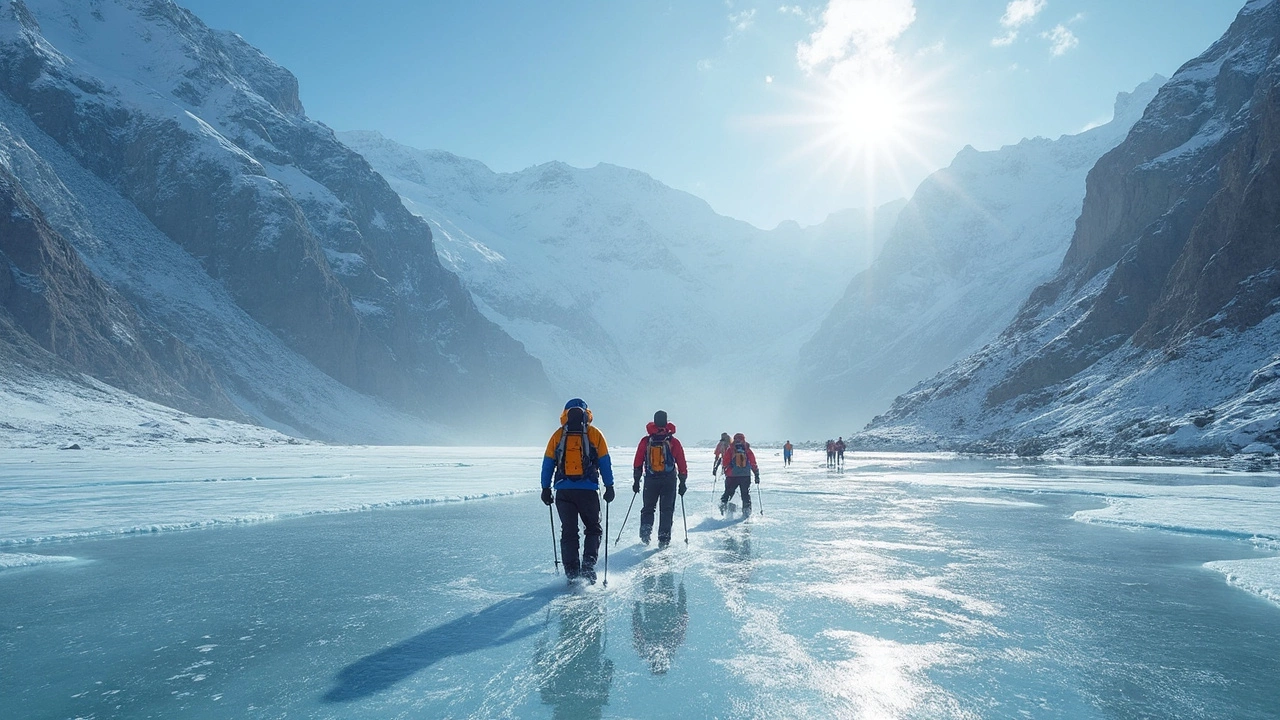
When you think of trekking in India, you might picture green hills or mountain passes—but the Chadar Trek, a winter trek on the frozen Zanskar River in Ladakh, where travelers walk on ice under -30°C temperatures. Also known as the Frozen River Trek, it’s not just a hike—it’s a survival journey through one of the most isolated places on Earth. Unlike other treks that rely on trails, this one uses the river itself as the path, carved by nature and frozen solid by winter. It’s a rare experience that few places on the planet offer, and even fewer make accessible to regular travelers.
The Zanskar Valley, a remote region in the Indian Himalayas cut off from the outside world for months each winter becomes reachable only when the river freezes. That’s when locals and trekkers alike walk the ice to move between villages. The trek usually takes 7 to 10 days, covering about 60 kilometers. Temperatures drop below -30°C at night, and you’ll sleep in tents on ice, eat hot meals cooked over stoves, and walk under stars so bright they feel close enough to touch. It’s not for everyone—no luxury lodges, no cell service, no backup. But for those who go, it’s unforgettable.
What makes the Chadar Trek different from other Himalayan treks? It’s the isolation, the silence, and the rawness. You won’t find tea houses or porters here. You carry your gear, you manage your warmth, and you rely on your team. The ice under your feet isn’t just a path—it’s a living thing, cracking and shifting with the river’s movement below. Some sections are smooth, others are jagged with ice ridges. You’ll pass frozen waterfalls, ancient caves used by monks, and the occasional nomadic herder moving with their yaks. This isn’t a photo op—it’s a real test of endurance, patience, and respect for nature.
It’s not just about the cold. The Chadar Trek requires preparation. You need the right gear—thermal layers, insulated boots, face masks, and gloves that don’t freeze stiff. You need mental strength. You need to understand that if something goes wrong, help is hours away. This trek attracts adventurers, photographers, and spiritual seekers—not because it’s easy, but because it’s real. It’s a reminder that travel isn’t always about comfort. Sometimes, it’s about pushing past what you think you can handle.
People often ask if it’s safe. It can be—with the right guides, proper acclimatization, and respect for the conditions. There are risks—frostbite, ice falls, altitude sickness—but experienced operators minimize them. The best time to go is mid-January to early February, when the ice is thickest and most stable. Outside that window, it’s too dangerous. And yes, it’s expensive compared to other treks in India—but you’re not just paying for a guide. You’re paying for logistics in one of the most remote places on the planet.
What you’ll find below are real stories from people who’ve done it. Some made it. Some turned back. All of them were changed by it. Whether you’re dreaming of walking on ice under the stars or just want to understand what makes this trek so legendary, these posts give you the unfiltered truth—no fluff, no hype, just what it’s really like.
- Feb, 16 2025
- 0 Comments
- Aaron Blackwood
The Toughest Trek in India: Conquering the Chadar Trek
India offers a multitude of trekking experiences, but the Chadar Trek stands out as one of the most challenging. Known for its harsh conditions and stunning frozen landscapes, this trek tests both physical endurance and mental resilience. Trekkers navigate a path along the frozen Zanskar River, experiencing temperatures well below freezing. Preparation, acclimatization, and understanding of the terrain are key to conquering this trek safely.
Read More