Chicken Consumption in India: Trends, Culture, and Traveler Insights
When you think about chicken consumption, the daily eating habit of eating chicken meat, which varies widely across India due to religion, region, and income. Also known as poultry intake, it’s not just about protein—it’s tied to festivals, family meals, and even tourism experiences. Unlike in many Western countries where chicken is a neutral staple, in India, how, when, and where people eat chicken tells a deeper story about identity, access, and tradition.
Take North India, the region with the highest foreign tourist traffic and a strong Mughal-influenced food culture. Here, chicken dishes like butter chicken and tandoori chicken are iconic, often served in restaurants catering to visitors. But in rural areas, many families eat chicken only on special days—not because of religion, but because it’s expensive. Meanwhile, in South India, a region known for its spice-rich, temple-town food traditions, chicken curry is a weekend staple, fried or stewed with coconut and curry leaves. It’s common in homes, not just hotels. Even in cities like Chennai or Kochi, you’ll find street vendors selling crispy chicken fry by the dozen, often wrapped in banana leaves.
What’s missing from most travel guides? The quiet truth: chicken isn’t always the default. In states like Gujarat and Rajasthan, many avoid it for religious reasons. In Kerala, Christians eat it daily; in parts of Uttar Pradesh, it’s reserved for Eid or weddings. And in hill towns like McLeod Ganj or Gangtok, chicken is often imported—making it pricier than in the plains. This isn’t just about taste—it’s about cost, access, and belief.
For travelers, understanding chicken consumption means knowing where to eat, what to avoid, and how to connect with locals. In Varanasi, you won’t find chicken near the ghats—but you’ll find it in the back alleys of Godowlia. In Goa, it’s in every seafood shack. In Bengal, it’s in the rich, mustard-based curries that locals swear by. And if you’re staying in an eco-friendly hotel in Coorg or Ladakh, your breakfast might include grilled chicken because sustainability doesn’t mean vegetarian-only—it means locally sourced, even if it’s poultry.
There’s no single Indian way to eat chicken. But if you want to taste the real India, skip the tourist menus. Ask a rickshaw driver where he eats on Sundays. Follow the line at the local market stall. Try the chicken masala that’s simmered for hours, not the one with a fancy name on a menu. The truth is, the most authentic Indian meals aren’t found in five-star hotels—they’re in homes, roadside joints, and temple town backyards, where chicken is cooked with care, not marketing.
Below, you’ll find real traveler stories about food safety, regional differences, and how eating habits shape your journey across India. Whether you’re curious about what’s on the plate or why it’s there, these posts give you the unfiltered view—no fluff, no filters, just what people actually eat and why.
- Mar, 11 2025
- 0 Comments
- Aaron Blackwood
The Most Eaten Meat in the World: Chicken’s Global Popularity
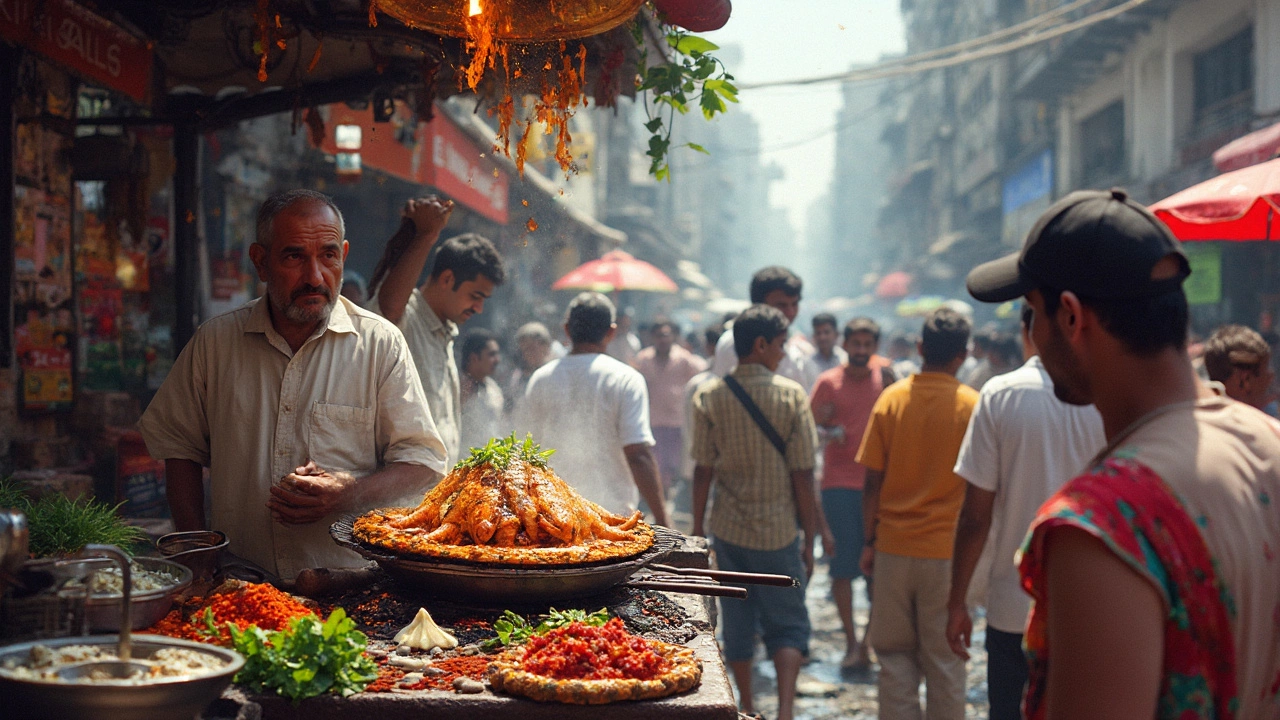
Chicken is the world's most consumed meat, transcending borders and cultures due to its versatility and affordability. From the bustling streets of Mumbai to rural areas, chicken dishes offer a bridge between diverse culinary traditions. In India, traveling through its diverse regions reveals how chicken adapts, providing a glimpse into local tastes and practices. Experience the blend of flavors that chicken embraces with spices and cooking methods unique to each Indian culture.
Read More