Cultural Heritage in India: Sacred Sites, Festivals, and Living Traditions
When you think of cultural heritage, the living traditions, sacred sites, and historical landmarks passed down through generations in India. Also known as heritage tourism, it’s not about museums or static exhibits—it’s about walking through temples where prayers echo for centuries, joining crowds at festivals that draw millions, and standing before monuments built with love, faith, and skill. This isn’t just history. It’s daily life. From the morning aarti at the Ganges to the chants inside Kashi Vishwanath, from the colors of Diwali lighting up streets to the quiet devotion at Rameshwaram, India’s cultural heritage isn’t preserved—it’s practiced.
What makes this heritage so powerful? It’s tied to Indian temples, sacred structures that serve as spiritual, architectural, and community centers. The Taj Mahal isn’t just a building—it’s a man-made tourism product, a symbol of love turned global icon, built by humans and now visited by millions. But it’s not alone. Temples like Tirumala Venkateswara and Kedarnath aren’t just destinations—they’re pilgrimage routes that have shaped travel patterns for over a thousand years. And then there are the religious festivals, mass gatherings like Kumbh Mela and Diwali that turn cities into spiritual epicenters, drawing people not for spectacle, but for meaning. These aren’t events you watch. You become part of them.
You don’t need to be religious to feel it. The way people dress for temple visits, the rules around footwear, the silence before the sanctum, the way the light hits the marble at sunrise—it all adds up. Even the language of travel has changed. No one just visits the Taj Mahal anymore. They go to witness a legacy. They trek to Everest Base Camp not just for views, but for the culture of the Himalayan villages along the way. They plan trips around festivals because that’s when India reveals its true rhythm.
What you’ll find below isn’t a list of places. It’s a collection of stories—about who built them, why they matter, how they’re still alive today. Whether it’s the dress code at a temple, the cost of a luxury train ride through heritage cities, or why Angkor Wat’s history keeps appearing in Indian travel guides, each post cuts through the noise. You’ll learn what to expect, what to avoid, and what most travelers miss. This is cultural heritage, not as a postcard, but as a living, breathing experience.
- Oct, 14 2025
- 0 Comments
- Aaron Blackwood
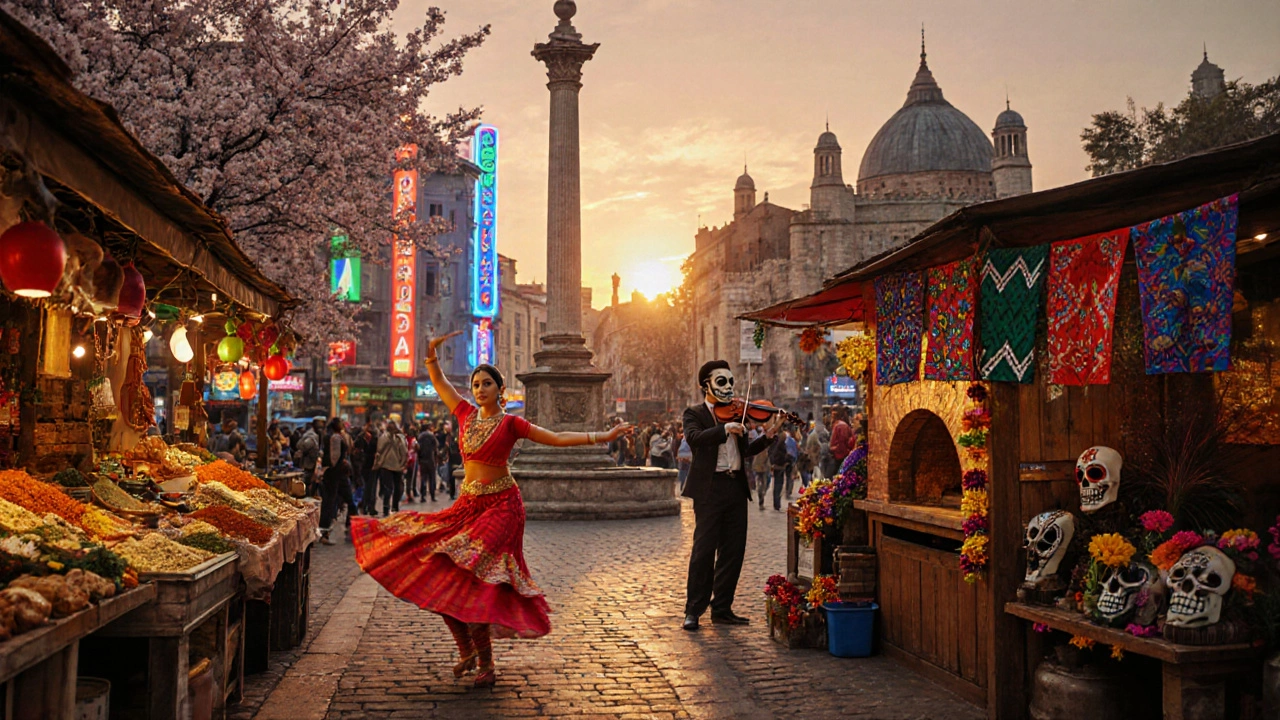
Top Countries with the Most Vibrant Cultures for Travelers
Explore the world’s most vibrant cultures, see how they’re measured, and get practical tips for immersive cultural travel.
Read More