Cultural Tourism Drawbacks: What No One Tells You Before You Go
When you think of cultural tourism, travel focused on experiencing local traditions, heritage sites, and community rituals. Also known as heritage tourism, it’s often sold as meaningful, authentic, and transformative. But behind the postcards and Instagram shots, there’s a quieter, messier truth. Many places that once felt sacred or untouched are now packed with strangers snapping photos, haggling over souvenirs, and treating centuries-old rituals like a performance for pay.
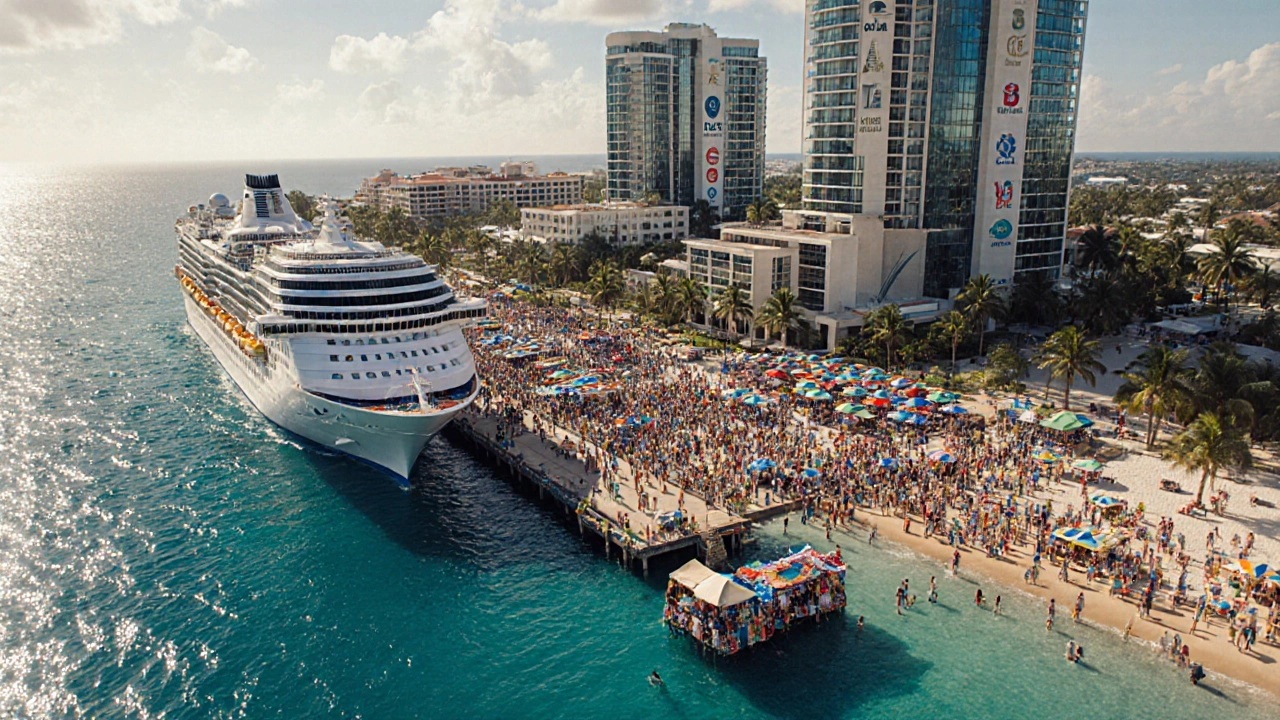
One of the biggest overtourism, when too many visitors overwhelm a destination, degrading its environment and culture happens at sites like the Taj Mahal or Kashi Vishwanath Temple—places that are both spiritual anchors and global attractions. Locals can’t walk their own streets without dodging tour groups. Rent prices spike because Airbnb hosts buy up homes for short-term rentals. The very thing tourists come for—the real, lived culture—gets pushed out to make room for the version that sells.
Then there’s cultural commodification, when traditions are packaged, simplified, and sold as entertainment. Imagine a village where elders used to sing folk songs during harvest festivals—now those same songs are performed twice daily for tourists, with costumes rented from a shop in Jaipur. The meaning fades. The rhythm changes. The kids stop learning the real songs because the tourists only want the ‘pretty’ version. It’s not exploitation in a dramatic sense—it’s quiet erosion. And it’s happening in places you’ve never heard of, not just the big names.
heritage site damage, physical wear and tear caused by mass visitation to historical or sacred locations is another silent crisis. Stone carvings at Angkor Wat are smoothed by millions of touching hands. Temple steps in Rameshwaram are worn down by endless foot traffic. Even the air around the Taj Mahal is polluted by bus fumes and litter. Conservation budgets are stretched thin, and local authorities often lack the power—or funding—to say no to more visitors.
And let’s not forget the local community impact, how tourism alters social structures, values, and daily life for residents. In some villages, young people leave farming to become guides or shopkeepers because tourism pays better. Families break apart as one parent works for foreign guests while the other stays home. Children grow up learning English before their mother tongue. The culture doesn’t disappear—it shifts, sometimes in ways no one planned or wanted.
None of this means you shouldn’t travel. But it does mean you need to ask harder questions. Are you visiting to learn—or just to check a box? Are you supporting local artisans, or buying mass-produced fake ‘handmade’ souvenirs? Are you respecting quiet spaces, or treating a temple like a photo backdrop? The difference isn’t always obvious, but it matters more than you think.
Below, you’ll find real stories from people who’ve seen these changes up close—from the overcrowded ghats of Varanasi to the quiet villages of Punjab where tourism brought more noise than income. These aren’t anti-travel rants. They’re honest reflections from travelers, locals, and guides who’ve watched culture turn into a product. And if you care about places staying real, you’ll want to read them.
- Oct, 12 2025
- 0 Comments
- Aaron Blackwood
Disadvantages of Cultural Tourism: What Travelers Should Know
Explore the hidden costs of cultural tourism, from economic leakage to loss of authenticity, and learn practical steps to travel responsibly.
Read More