Hajj: What It Is, Who Goes, and How It Connects to India’s Spiritual Travel
When you hear the word Hajj, the annual Islamic pilgrimage to Mecca, required of all able Muslims at least once in their lifetime. Also known as the pilgrimage to Mecca, it’s not just a religious duty—it’s a deeply personal journey that reshapes how millions see faith, community, and themselves. Every year, over two million people from every corner of the globe gather in Saudi Arabia, dressed in simple white garments, walking the same paths, praying at the same sites, and feeling the same unity. For many Muslims in India, Hajj isn’t just a trip—it’s the culmination of a lifetime of devotion.
India has one of the largest Muslim populations in the world, and every year, tens of thousands of Indian pilgrims make their way to Mecca. They come from cities like Lucknow, Hyderabad, and Kozhikode, and from villages in Bihar, Uttar Pradesh, and West Bengal. Many book their flights months in advance, save for years, and travel with family or as part of organized groups. The journey often starts with prayers at local mosques, continues through visa processes and medical checks, and ends with the ritual of Tawaf around the Kaaba. It’s a journey that connects the spiritual heart of Islam with the cultural fabric of India.
While Hajj itself takes place in Saudi Arabia, its impact ripples through Indian society. Mosques across India host pre-departure gatherings. Families prepare special meals for those leaving. Travel blogs and community groups share tips on packing, prayer schedules, and what to expect. Even people who don’t perform Hajj often feel its presence—through stories, photos, and the quiet pride of someone who returned changed. It’s a reminder that spiritual tourism isn’t just about temples or churches—it’s also about the quiet, powerful movement of millions toward a single sacred point.
And while India’s own pilgrimage sites—like Kashi, Rameshwaram, or Tirupati—draw millions each year, Hajj stands apart. It doesn’t require a local landmark. It doesn’t need a temple or a river. It only asks for faith, preparation, and the willingness to stand shoulder to shoulder with strangers from every race and language, all seeking the same peace. That’s why, even though it happens halfway across the world, Hajj feels deeply personal to so many in India.
Below, you’ll find real stories, practical advice, and insights from travelers who’ve walked the path of Hajj—or who’ve been touched by it from home. Whether you’re planning your own journey, curious about what it means to others, or just trying to understand why it matters so much, these posts offer a grounded, human look at one of the world’s most powerful spiritual traditions.
- Oct, 30 2025
- 0 Comments
- Aaron Blackwood
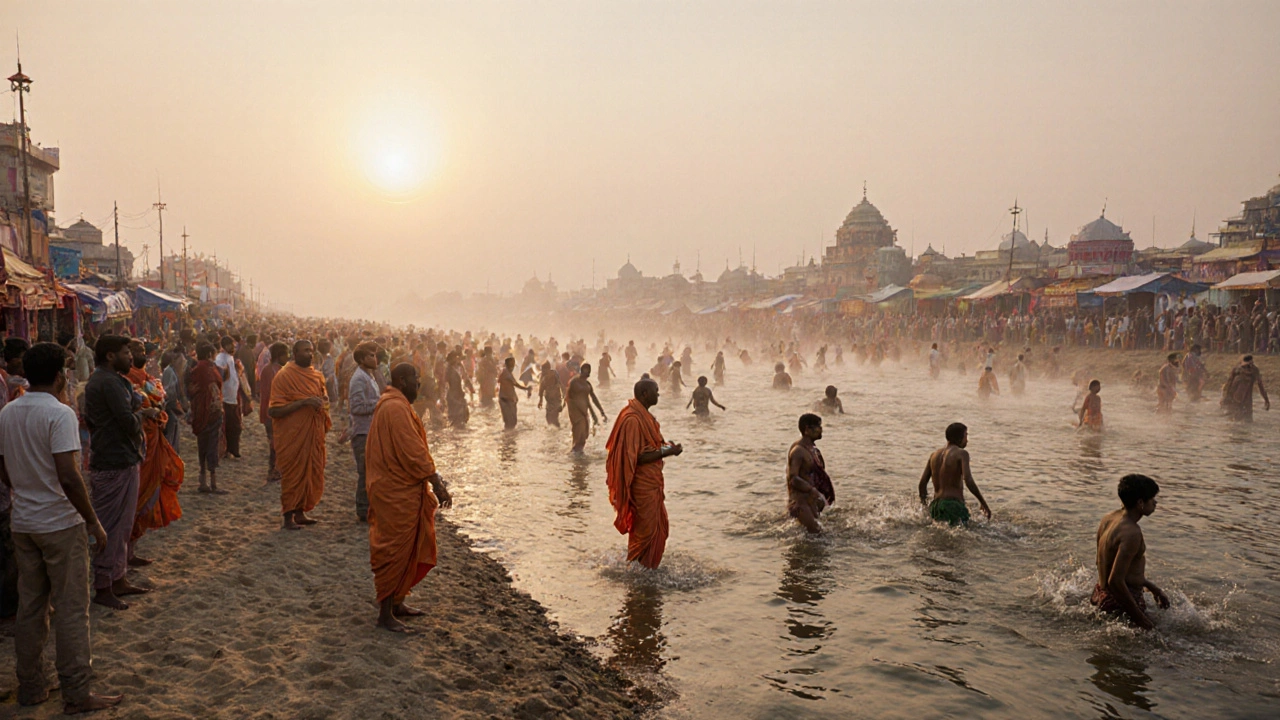
Which is the best religious festival in the world? Top spiritual events that draw millions
Discover the world's most powerful religious festivals - Kumbh Mela, Diwali, and Hajj - and why they draw millions. Essential for temple tour travelers seeking spiritual depth over spectacle.
Read More