Heritage Tourism in India: Explore Ancient Temples, Sacred Sites, and Living Traditions
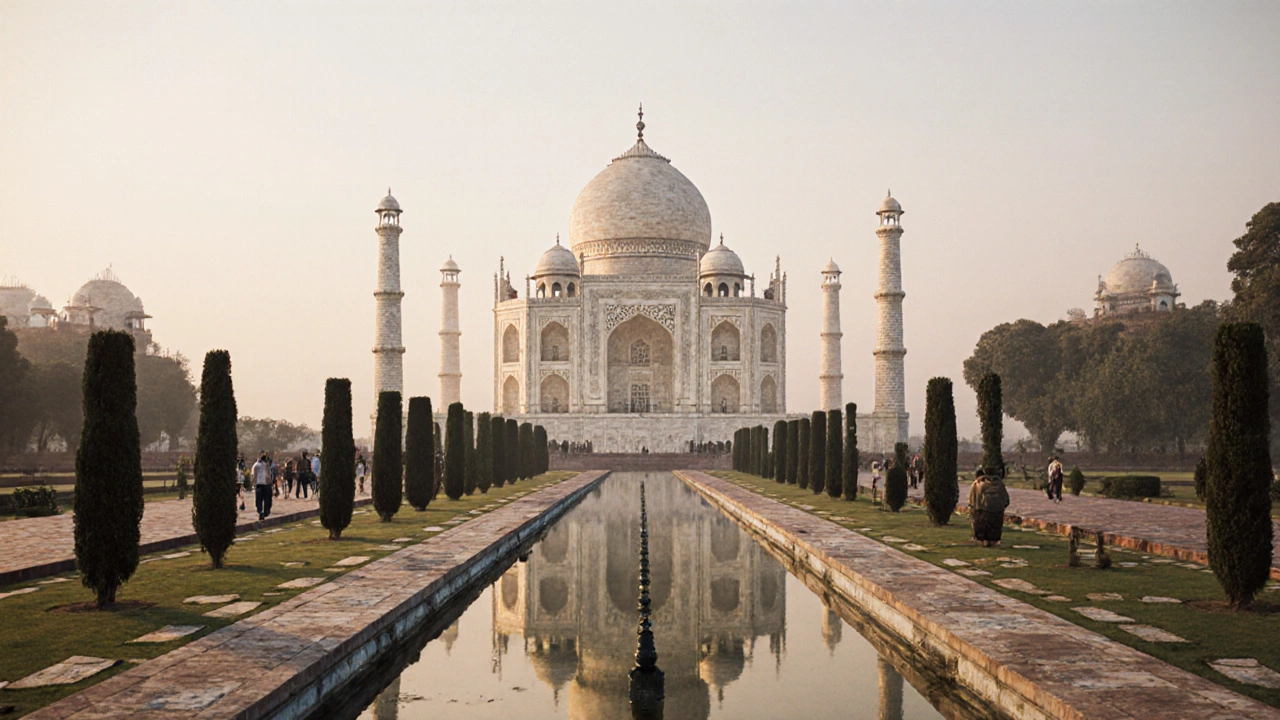
When you think of heritage tourism, travel focused on experiencing historical and cultural landmarks that still shape daily life. Also known as cultural tourism, it’s not just about seeing old buildings—it’s about walking where pilgrims have walked for centuries, hearing chants in temples older than kingdoms, and tasting food unchanged for 500 years. In India, heritage tourism isn’t a niche. It’s the backbone of why millions come here. You don’t just visit the Taj Mahal—you stand where lovers, emperors, and photographers have gazed in awe for generations. You don’t just tour Angkor Wat—you realize it’s a living temple, still used by monks and devotees, even though it’s often labeled as a "ruin" in travel brochures.
Heritage tourism in India connects directly to temple tourism India, travel centered around visiting sacred Hindu, Buddhist, and Jain shrines that remain active centers of worship. Places like Rameshwaram, Kedarnath, and Tirumala aren’t museums—they’re breathing spaces where rituals happen at dawn, offerings are made by hand, and the air hums with prayer. These aren’t just tourist spots. They’re spiritual anchors. And they’re why foreign tourists keep coming back to North India’s Golden Triangle, where the Taj Mahal, Jaipur’s forts, and Delhi’s Red Fort aren’t just monuments—they’re chapters in a story still being written. Meanwhile, sacred sites India, locations tied to religious history, myth, and pilgrimage traditions stretch from the Himalayas to the southern coasts. The Kumbh Mela draws 100 million people in one month—not because it’s a spectacle, but because it’s a duty. These aren’t events you watch. They’re experiences you join.
What makes heritage tourism in India different from other countries? It’s the lack of separation between past and present. You can wear jeans to a temple in one city and be asked to cover your head in another. You can hike to a 12th-century shrine in the Western Ghats and find a priest offering prasad to travelers who just arrived by bus. There’s no curated museum glass between you and the history. You’re part of it. That’s why posts here cover everything from the real history behind Angkor Wat’s Hindu carvings to how to visit the Taj Mahal on a budget without the crowds. You’ll find guides on dress codes, pilgrimage timing, festival schedules, and why some of the holiest temples aren’t even on most maps. This isn’t a list of places to check off. It’s a guide to understanding what keeps India’s soul alive—and how you can walk through it without stepping on someone’s prayer.
- Nov, 20 2025
- 0 Comments
- Aaron Blackwood
What Is an Example of a Man-Made Tourism Product in India?
The Taj Mahal is the most iconic example of a man-made tourism product in India-built by humans for love, now visited by millions for its history and beauty. Other examples include forts, temples, ghats, and planned cities that shape India’s cultural tourism.
Read More