Himalayan Treks: Best Trails, Seasons, and What to Expect
When you think of Himalayan treks, high-altitude walking journeys through the world’s tallest mountain range, often combining natural beauty with cultural immersion. Also known as Himalayan hiking, these treks aren’t just about climbing—they’re about moving through villages where prayer flags flutter, monks chant at dawn, and the air gets thinner with every step. Whether you’re aiming for Everest Base Camp in Nepal or the Valley of Flowers in India, Himalayan treks demand respect for altitude, weather, and local traditions.
These treks aren’t all the same. Some, like the Everest Base Camp trek, a 12- to 14-day route in Nepal that takes you past Sherpa villages and into the shadow of the world’s highest peak, are well-supported with teahouses, hot showers, and steady foot traffic. Others, like the Kedarnath trek, a steep, spiritual path in India’s Uttarakhand region that leads to one of the holiest Hindu shrines, are more remote, with fewer amenities and deeper cultural weight. Then there are the lesser-known trails—like the Roopkund trek or the Pin Parvati Pass—where you’ll share the trail with only a handful of others, and the silence between the mountains feels heavier than the pack on your back.
Timing matters. Most Himalayan treks happen between March and May or September and November. Winter brings snow that blocks passes, and monsoon season turns trails into mudslides. The best months? When the skies are clear, the air is crisp, and the views stretch for miles without a cloud in sight. That’s when you’ll understand why so many people come back year after year—not just for the views, but for the feeling of being small in the right way.
You don’t need to be an elite athlete, but you do need to prepare. Altitude sickness is real. Many trekkers underestimate how quickly the body reacts above 3,000 meters. Slow and steady wins the race. Hydrate. Rest. Listen to your body. And don’t skip the acclimatization days—those aren’t just rest stops, they’re survival tools.
What you’ll find in this collection are real stories from people who’ve walked these trails. You’ll read about the cost of Everest Base Camp, why some treks in India are quieter than others, how weather changes your plans, and what it’s really like to sleep at 4,000 meters. There’s no fluff here—just facts, tips, and the kind of advice you wish you’d heard before you booked your flight.
- Feb, 16 2025
- 0 Comments
- Aaron Blackwood
The Toughest Trek in India: Conquering the Chadar Trek
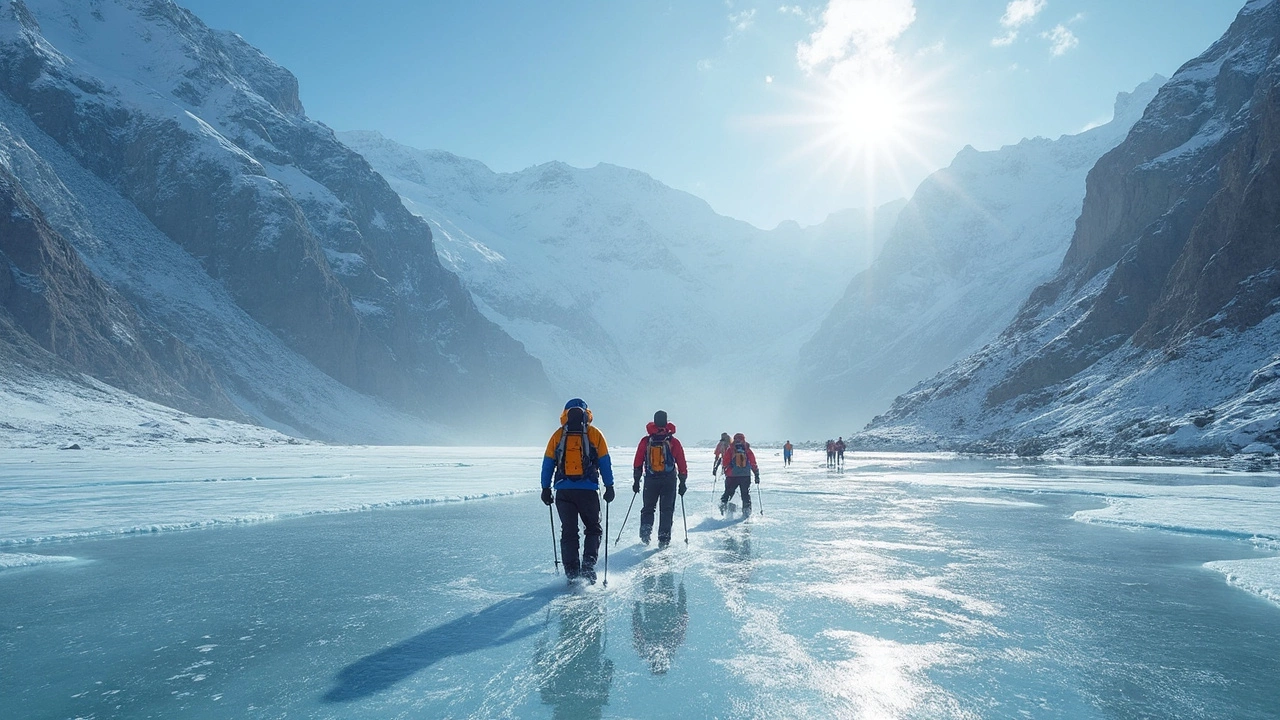
India offers a multitude of trekking experiences, but the Chadar Trek stands out as one of the most challenging. Known for its harsh conditions and stunning frozen landscapes, this trek tests both physical endurance and mental resilience. Trekkers navigate a path along the frozen Zanskar River, experiencing temperatures well below freezing. Preparation, acclimatization, and understanding of the terrain are key to conquering this trek safely.
Read More