Hindu Temples: Sacred Sites, Rituals, and What to Expect When You Visit
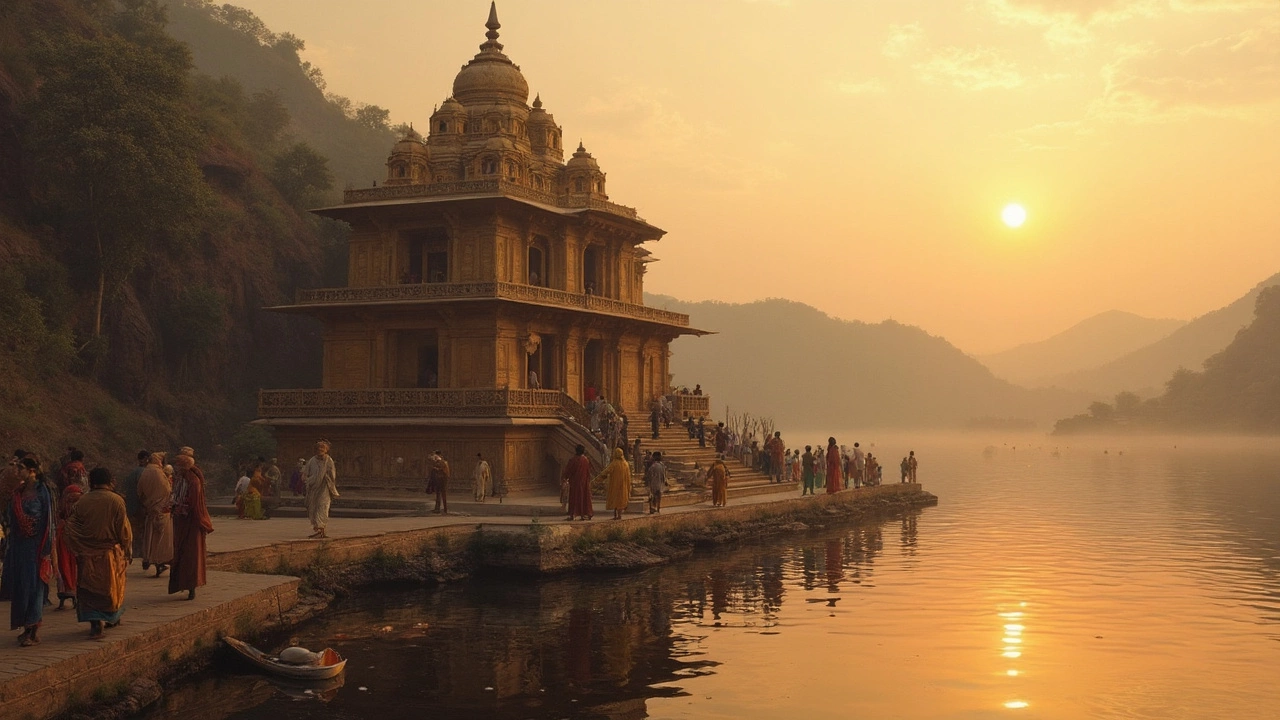
When you step into a Hindu temple, a place of worship, ritual, and spiritual connection in Hinduism, often built with intricate carvings and sacred symbolism. Also known as mandir, it’s more than architecture—it’s a living space where devotion meets daily life. These aren’t just tourist spots. They’re active centers of faith, where people come to pray, offer flowers, chant mantras, and seek blessings. Whether it’s the golden spires of Tirumala or the mist-wrapped ghats of Kashi Vishwanath, each temple carries centuries of stories, rituals, and community.
What makes a Hindu temple different from other religious sites? It’s the rhythm of it—the bells, the incense, the priests chanting in Sanskrit, the devotees circling the inner shrine. Many temples follow strict rules: no leather, no shoes inside, and sometimes no photography. You’ll find Tirumala Venkateswara Temple, one of the wealthiest and most visited Hindu shrines in the world, located in Andhra Pradesh drawing millions each year, while Kashi Vishwanath Temple, in Varanasi, sits on the banks of the Ganges and is considered one of the twelve Jyotirlingas—most sacred forms of Lord Shiva. These aren’t just names on a list—they’re places where people believe their prayers are heard.
Temple tourism in India isn’t about checking boxes. It’s about understanding context. You can’t just walk in and snap a photo without knowing why you’re there. Dress codes vary—some temples allow jeans, others require traditional wear. Some have long queues, others let you slip in quietly. The experience changes from North to South, from mountain shrines to coastal temples like Rameshwaram. And while Angkor Wat started as a Hindu temple, it’s now a Buddhist site—reminding us that faith evolves, but the sacred still lingers.
What you’ll find in these posts isn’t a travel brochure. It’s real talk: how many days you actually need in Rameshwaram, whether jeans are okay (spoiler: sometimes yes, sometimes no), why Kedarnath isn’t part of the original Char Dham, and which temple is truly the holiest according to those who visit daily. You’ll learn about rituals you didn’t know existed, the quiet moments between crowds, and how to visit with respect—not just as a tourist, but as someone who wants to understand.
- Mar, 23 2025
- 0 Comments
- Aaron Blackwood
Why Brahma Isn't a Worship Favorite
In Hindu mythology, Brahma is one of the key figures, yet his temples are notably scarce. This article delves into the reasons why Brahma isn’t widely worshiped, exploring cultural, historical, and mythological nuances. Discover why most devotees focus on other deities like Vishnu and Shiva, and learn more about the unique places where Brahma still holds a prominent place. Get insights into India’s rare Brahma temples and why a visit could be intriguing.
Read More