India Heritage: Explore Ancient Temples, Forts, and Sacred Sites
When you think of India heritage, the deep-rooted cultural and architectural legacy of India shaped by millennia of religion, empire, and art. Also known as Indian cultural heritage, it’s not just about old buildings—it’s about places where prayer still echoes, where stories are carved into stone, and where history isn’t locked away but lived every day.
At the heart of this heritage is the Taj Mahal, a white marble mausoleum built by Emperor Shah Jahan in memory of his wife, now one of the most visited man-made sites on Earth. It’s a symbol of love, but also of Mughal craftsmanship that blends Persian, Islamic, and Indian styles. Then there are the Hindu temples, sacred spaces like Kashi Vishwanath and Tirumala Venkateswara, where rituals have continued uninterrupted for over a thousand years. These aren’t museums—they’re active centers of worship, music, and community. And don’t forget the forts: Red Fort in Delhi, Amber Fort in Jaipur, Gwalior Fort—they weren’t just defenses, they were royal courts, treasuries, and homes where power, art, and strategy collided.
India’s heritage isn’t just about what you see—it’s about how you experience it. Walking barefoot through the corridors of Rameshwaram Temple, hearing the chants at Kumbh Mela, or watching the sunrise over the Taj Mahal as locals offer flowers—it’s all part of a living culture. You won’t find this in guidebooks alone. It’s in the way a priest chants in Sanskrit, how a child touches the temple wall for luck, or why tourists line up before dawn to avoid the heat and the crowds. This heritage isn’t preserved behind glass. It breathes, moves, and changes—yet stays true.
What makes India’s heritage different from other countries? It’s the layers. A single temple might have carvings from Hindu epics, Buddhist inscriptions, and colonial-era additions. A fort might have been built by Rajputs, captured by Mughals, and later used by the British. You don’t just visit these places—you trace time. And that’s why the posts below cover everything from dress codes at temples to the best time to visit without paying peak prices. Whether you’re planning a pilgrimage, a quiet cultural trip, or just want to understand why these sites still matter, you’ll find real advice here—not fluff.
- Jun, 15 2025
- 0 Comments
- Aaron Blackwood
Heritage Sites in India: Why Is India Rich in Heritage?
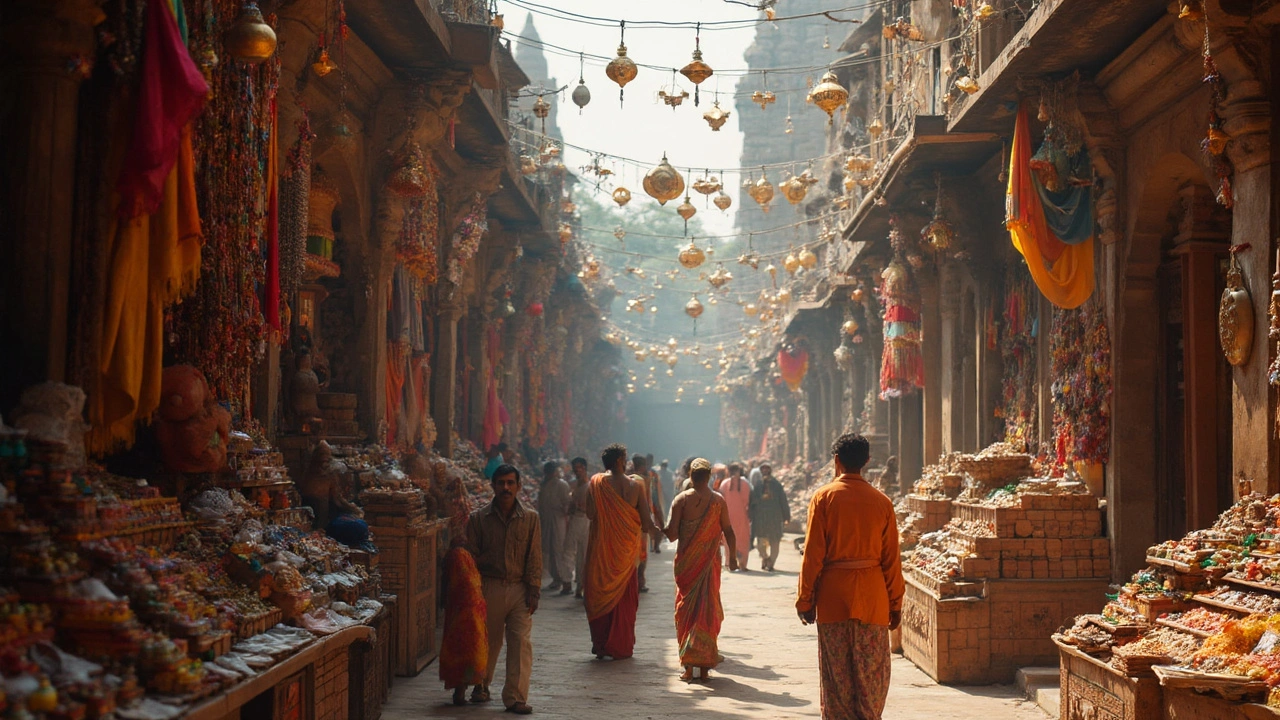
India's rich heritage isn't just about old buildings—it’s a story stitched across centuries by empires, religions, and communities. From ancient temples to bustling bazaars, every corner holds a slice of history. This article dives into what makes India so packed with heritage sites, why these places matter, and how you can make the most of exploring them. You'll also pick up cool facts and handy tips for your next heritage-inspired trip. Ready to see India’s living museum up close?
Read More