India Street Food Price: What You Really Pay for Bold Flavors
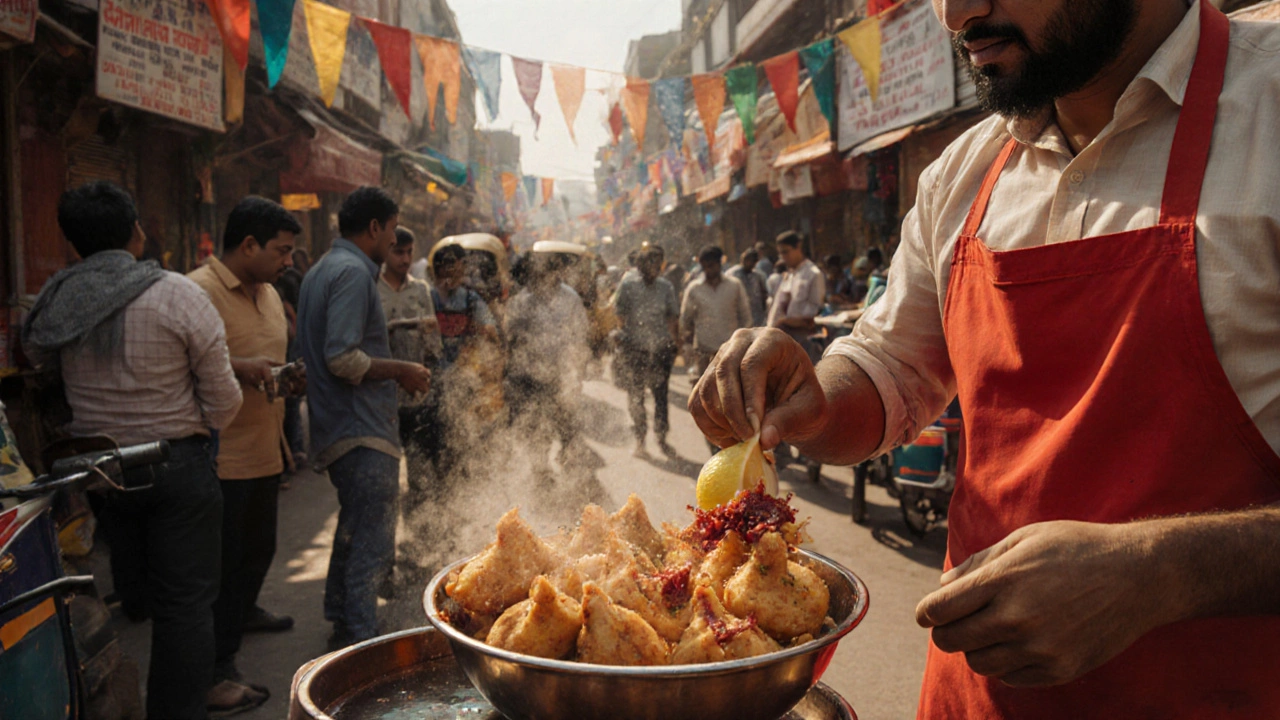
When you think of India street food price, the affordable, vibrant, and often unforgettable meals sold by vendors on sidewalks, in markets, and outside temples across the country. Also known as Indian street food cost, it’s one of the most honest ways to experience local life—no menus, no tipping, just pure flavor for pennies. You won’t find a single price tag for street food in India because it varies by city, time of day, and even the vendor’s mood. But here’s what you’ll actually pay: a plate of pani puri in Delhi runs about ₹10 to ₹20 for six pieces. In Mumbai, you’ll pay ₹30 for a heaping bowl of vada pav, the city’s iconic potato burger. In Kolkata, a bowl of jhal muri—spicy puffed rice with peanuts and chili—costs less than ₹15. These aren’t tourist traps. These are daily meals for millions.
What makes India street food so cheap isn’t low quality—it’s efficiency. Vendors buy spices in bulk, reuse oil smartly, and cook in batches. A single onion might last a whole day. A sack of potatoes feeds dozens. The real cost isn’t in ingredients—it’s in labor, time, and skill. That’s why a well-made chhole bhature in Jaipur costs ₹50, but a half-baked version in a back alley might be ₹30. You’re paying for experience, not just food. And if you’re traveling on a budget, street food isn’t just affordable—it’s essential. It’s how locals eat, how travelers stretch their cash, and how you’ll remember India long after you’ve left.
Street food in India isn’t just about hunger. It’s tied to culture, religion, and rhythm. In Varanasi, you’ll find lassi and malaiyo sold near the ghats before sunrise. In Chennai, idli-sambar comes wrapped in banana leaves for ₹25. In Hyderabad, haleem during Ramadan costs ₹80 a bowl—worth every rupee. These aren’t snacks. They’re rituals. And they’re all part of the same truth: you don’t need luxury to taste the soul of India. Just a hungry stomach and a willingness to stand in line.
What you’ll find below are real stories from people who’ve eaten their way across India—not just where to go, but what to order, when to go, and how to avoid the pitfalls. You’ll learn why a ₹15 samosa in Lucknow tastes better than a ₹100 one in a fancy hotel. You’ll see how prices shift between tourist zones and backstreets. You’ll even find out which cities are the most generous with portions. This isn’t a guide to luxury dining. It’s a guide to eating like someone who lives here.
- Oct, 6 2025
- 0 Comments
- Aaron Blackwood
How Much Does a Typical Meal Cost in India? - Detailed Budget Guide
Discover how much a typical meal costs across India, from cheap street snacks to upscale dining, with regional price tables, budgeting tips, and FAQs for savvy travelers.
Read More