Indian Archaeology: Discover Ancient Temples, Forgotten Cities, and Hidden Ruins
When you think of Indian archaeology, the study of human history and prehistory through physical artifacts, structures, and sites across the Indian subcontinent. Also known as South Asian archaeology, it’s not just about digging up old stones—it’s about understanding how civilizations built empires, worshipped gods, traded goods, and vanished without a trace. This isn’t textbook history. It’s the real, messy, awe-inspiring story of people who lived thousands of years before smartphones, yet left behind temples that still draw millions, cities buried under farmland, and carvings that tell stories no book ever could.
Indian archaeology connects directly to places you’ve probably heard of—the Taj Mahal, a 17th-century mausoleum built by Shah Jahan, now one of the world’s most visited man-made tourism products, or the Angkor Wat, though in Cambodia, its architectural roots trace back to Hindu temple designs that spread across India. But it goes deeper. The Indus Valley Civilization, one of the world’s earliest urban cultures, with planned cities like Mohenjo-Daro and Harappa, dating back over 4,500 years—no written records survive, yet their drainage systems were better than many modern towns. Then there’s the Char Dham pilgrimage, a sacred circuit in the Himalayas where ancient temples like Kedarnath sit at the edge of glaciers, their origins lost to time but still active today. These aren’t just tourist spots. They’re living layers of history, where archaeology meets faith, where every step on a temple stairway might be walking over a 2,000-year-old foundation.
What makes Indian archaeology so powerful is how it ties into everyday travel. When you ask why tourists flock to North India, it’s not just because of the Taj Mahal—it’s because the entire Golden Triangle is built on centuries of layered ruins. Delhi’s Qutub Minar, Agra’s forts, Jaipur’s palaces—they’re not random attractions. They’re chapters in a story written in stone, sandstone, and marble. Even the dress codes at temples, the silence at sacred ghats, the way locals still perform rituals in ancient courtyards—all of it stems from archaeological truths buried in the past.
And it’s not all grand monuments. Some of the most exciting finds are quiet: a pottery shard near a village well, a forgotten stepwell hidden in Rajasthan, the remains of a trade route under a modern highway. These aren’t in guidebooks. But they’re what the best travel stories are made of—moments when you realize you’re standing where a merchant, a priest, or a king once stood, and the ground remembers.
Below, you’ll find real stories from travelers who’ve stood inside these ruins, asked the right questions, and walked away with more than photos. Whether you’re planning a temple tour, wondering why certain sites are off-limits, or just curious about how old India really is—this collection gives you the facts, the context, and the quiet wonder that only archaeology can offer.
- Oct, 8 2025
- 0 Comments
- Aaron Blackwood
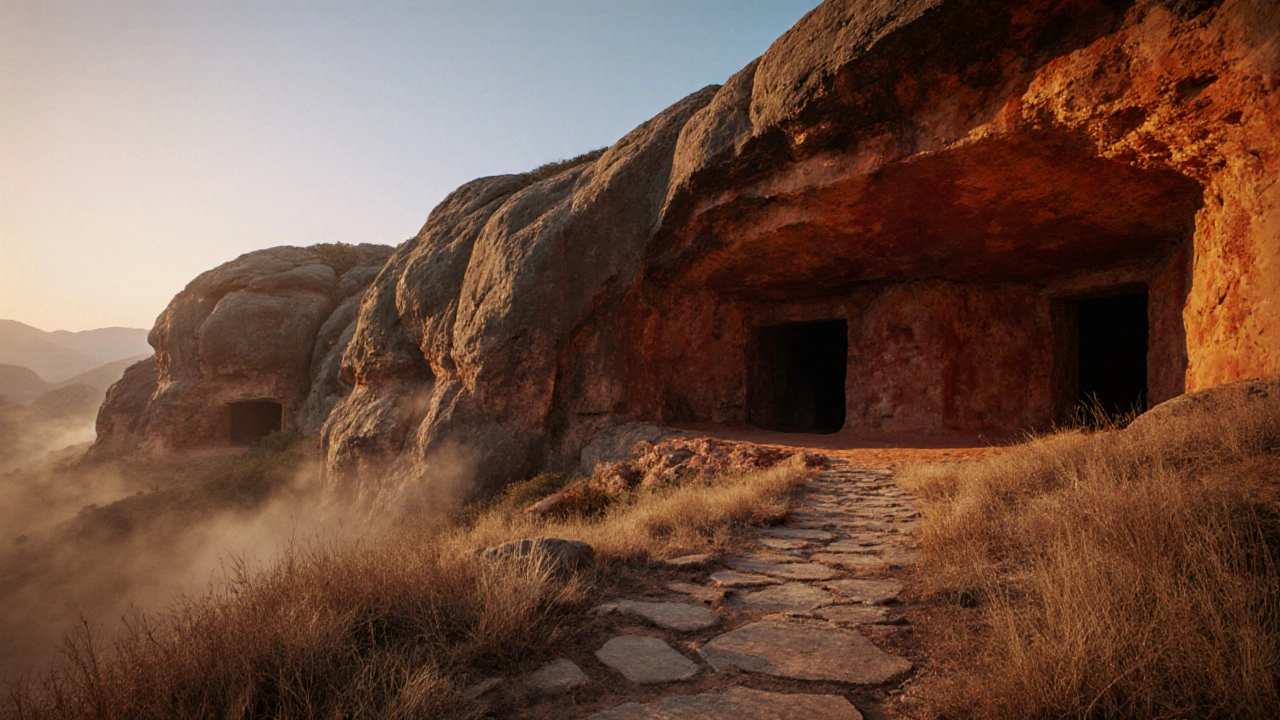
India's Oldest Archaeological Site: The Most Ancient Place Revealed
Discover why Bhimbetka Rock Shelters is India's most ancient place, its prehistoric art, how it's dated, and tips for visiting this UNESCO World Heritage site.
Read More