Indian Art: Discover the Roots, Styles, and Sacred Stories Behind India’s Visual Heritage
When you think of Indian art, a living tradition of visual storytelling that blends religion, royalty, and everyday life across thousands of years. Also known as South Asian art, it’s not confined to museums—it’s on temple walls, in village festivals, and in the hands of artisans who still use methods passed down for generations. This isn’t just about pretty pictures. Indian art is a language. Every brushstroke in a Mughal miniature, every curve in a Khajuraho sculpture, every pattern on a Kalamkari fabric carries meaning—myths, prayers, power, or identity.
Take Hindu temple art, the intricate stone carvings that cover sacred sites like Konark and Khajuraho, depicting gods, dancers, and celestial beings with astonishing detail. These aren’t just decorations. They’re visual scriptures, meant to guide devotees through spiritual stories as they walk the temple paths. Then there’s Mughal painting, a refined style born in royal courts, where gold leaf, fine brushes, and realistic portraits captured emperors, court life, and even hunting scenes with a precision that stunned European visitors. And don’t forget the quiet power of traditional Indian crafts, like Warli tribal paintings, Madhubani art from Bihar, or Pattachitra from Odisha—each rooted in local beliefs, using natural pigments, and passed from mother to daughter. These forms didn’t fade with time. They survived because they were never just art. They were part of daily life, ritual, and memory.
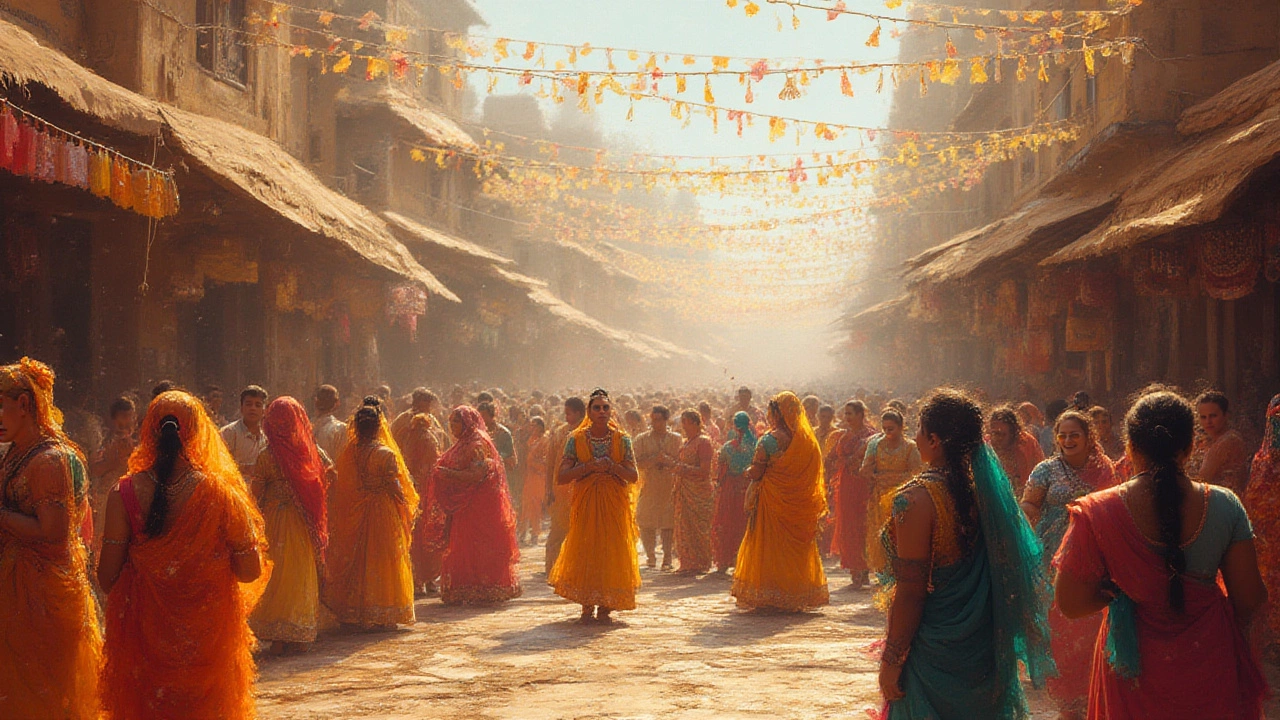
What ties them all together? A deep connection to place, purpose, and people. Indian art doesn’t hang on walls to be admired from afar. It’s worn in jewelry, painted on festival floors, carved into temple pillars, and woven into saris. It’s how communities remember their gods, honor their ancestors, and celebrate their land. You’ll find traces of this everywhere—from the Taj Mahal’s marble inlays to the clay dolls sold at village fairs. And yes, it’s still alive. Modern artists are mixing these ancient styles with new ideas, but the soul hasn’t changed.
Below, you’ll find real stories from travelers who’ve seen these works up close—whether they stood before a 12th-century temple wall, bought a hand-painted textile from a Rajasthan artisan, or watched a dancer recreate a pose carved into stone centuries ago. These aren’t generic travel tips. They’re firsthand glimpses into how Indian art isn’t just seen—it’s felt, touched, and lived.
- Jul, 5 2025
- 0 Comments
- Aaron Blackwood
India’s Cultural Heritage: Traditions, Festivals, and Timeless Art
Explore India's cultural heritage, packed with festivals, art, traditions, and history. Discover what makes Indian culture rich and fascinating.
Read More