Indian Rupee Tips: Save Money and Avoid Common Travel Mistakes
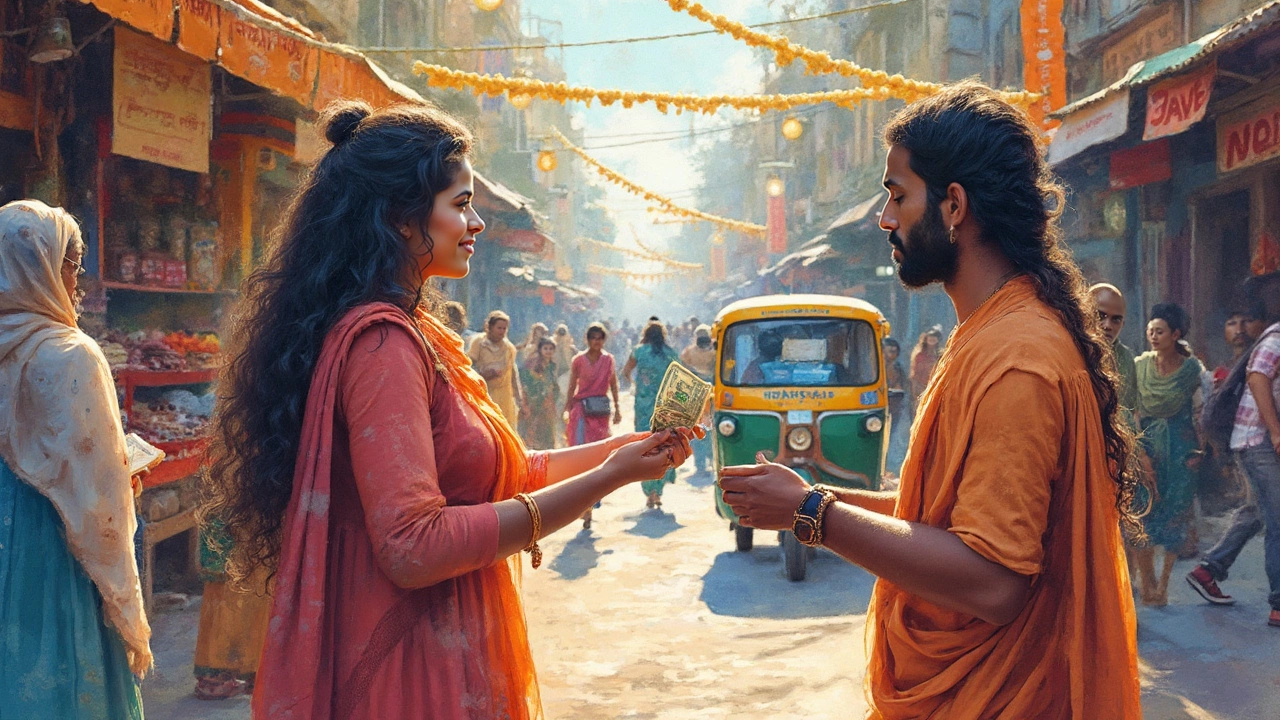
When you’re traveling in India, the Indian rupee, the official currency used across the country for everything from street food to temple donations. Also known as INR, it’s not just paper and coins—it’s the key to unlocking authentic experiences without getting overcharged. Most travelers don’t realize how much money they waste because they don’t understand how the rupee actually works in daily life. You can’t just swap dollars at the airport and expect to get fair value. The real savings come from knowing where to exchange, when to use cash, and which places still demand it.
Many tourists think credit cards are the way to go in India, but that’s a mistake in smaller towns and rural areas. Even in cities like Jaipur or Varanasi, local chaiwallahs, temple vendors, and auto-rickshaw drivers rarely take cards. You need rupees in hand. And if you’re buying from a roadside stall, paying in large notes often means you’ll get change in crumpled, dirty bills—or worse, no change at all. Always carry small denominations: 10, 20, and 50 rupee notes are your best friends. Keep a few 200s for emergencies, but avoid 2000s—they’re rarely accepted anymore, and many shops refuse them outright.
ATMs are everywhere, but not all are safe. Stick to machines inside banks or major hotels. Avoid standalone ATMs in quiet alleys—skimming devices are real. And always choose to be charged in rupees, not your home currency. That’s called dynamic currency conversion, and it’s a hidden fee that can cost you up to 10% extra. If you’re using a foreign card, check your bank’s fees before you leave. Some charge $5 per withdrawal. Others charge 3% per transaction. That adds up fast. The smart move? Withdraw larger amounts less often, and carry a backup card from a different bank.
Exchange rates change daily, but the best deals aren’t at the airport or tourist spots. Head to authorized money changers in city centers like Delhi’s Connaught Place or Mumbai’s Colaba Causeway. They’ll give you better rates than hotels. And never, ever exchange money with strangers on the street. Even if they offer 5% more, it’s a scam waiting to happen. You’ll end up with fake notes or less than you paid for.
Temple donations, train tickets, and even bus fares are almost always in cash. You’ll need rupees to buy a ticket at the counter, tip a guide at the Taj Mahal, or pay for a rickshaw ride after dark. Apps like Paytm are popular with locals, but most tourists can’t use them without an Indian phone number. So plan ahead: withdraw rupees in batches, keep them in a secure money belt, and never flash cash in crowded places. Pickpockets target tourists who think they’re safe because they’re carrying a wallet.
One thing no one tells you: the rupee’s value changes depending on where you are. In Goa, you might pay 200 rupees for a coconut. In Varanasi, the same thing costs 80. It’s not inflation—it’s tourism pricing. Locals know this. So if you’re buying from a vendor who seems to be quoting a tourist rate, smile, say "thoda sasta" (a little cheaper), and walk away. Nine times out of ten, they’ll call you back with a better price. It’s a game, and you’re better off playing it smart.
These aren’t just tips—they’re survival skills. Whether you’re trekking in the Himalayas or wandering through Old Delhi, the Indian rupee is your silent partner. Get it right, and you’ll stretch your budget further, avoid scams, and connect more deeply with the people you meet. The posts below give you real stories from travelers who’ve made these mistakes—and learned how to fix them. You’ll find exact numbers, honest experiences, and no fluff. Just what you need to spend less and see more.
- Jun, 23 2025
- 0 Comments
- Aaron Blackwood
Can You Use US Dollars in India? Practical Travel Money Guide
Wondering if you can spend US dollars in India? This article breaks down where, if anywhere, you can use dollars, how to exchange your cash, and what really works best for budget travelers. You'll learn common pitfalls, insider tips, and tricks that locals use. Avoid costly mistakes with money while traveling in India.
Read More