Indian traditions: What they are, why they matter, and what you’ll experience
When you think of Indian traditions, the deep-rooted customs, rituals, and daily practices passed down for centuries across India’s diverse communities. Also known as cultural heritage, these traditions aren’t just for show—they guide how people pray, eat, celebrate, and even dress. You won’t find them locked in museums. You’ll see them in the morning chants outside a temple in Varanasi, in the way a bride walks seven steps around a sacred fire, or in the quiet silence of a pilgrim touching the stones of Rameshwaram.
These traditions connect to bigger ideas like Hindu festivals, annual events that bring millions together in prayer, color, and community. Diwali and Kumbh Mela aren’t just holidays—they’re living expressions of faith that shape travel plans, crowd patterns, and even pricing across the country. Then there’s temple etiquette, the unspoken rules about what to wear, how to behave, and where to step. Wearing jeans to a temple might seem harmless, but in many places, it’s seen as disrespectful. These aren’t arbitrary rules—they’re part of a system that’s been refined over generations.
And then there’s the pilgrimage. Pilgrimage sites, sacred destinations like Tirumala, Kashi Vishwanath, and Rameshwaram. Holy temples aren’t just tourist spots—they’re the heart of spiritual journeys that millions make every year. These places don’t just attract visitors; they demand a certain kind of respect, timing, and preparation. That’s why knowing when to go, how long to stay, and what to expect makes all the difference between a rushed photo op and a meaningful experience.
Indian traditions aren’t static. They evolve. You’ll find young women hiking Himalayan trails in jeans and backpacks, yet still offering flowers at a roadside shrine. You’ll see families saving for years to afford a honeymoon, but still honoring old customs at the wedding. These aren’t contradictions—they’re the real, living rhythm of India.
What you’ll find in these posts isn’t a textbook list of rituals. It’s the real talk: why December is the priciest time to visit, how to dress without offending, which temple is truly the holiest, and why some pilgrimages get confused with others. You’ll learn how to avoid crowds at the Taj Mahal, what to expect on a sacred riverbank, and how to plan a trip that doesn’t just check boxes but connects you to something deeper.
- Aug, 3 2025
- 0 Comments
- Aaron Blackwood
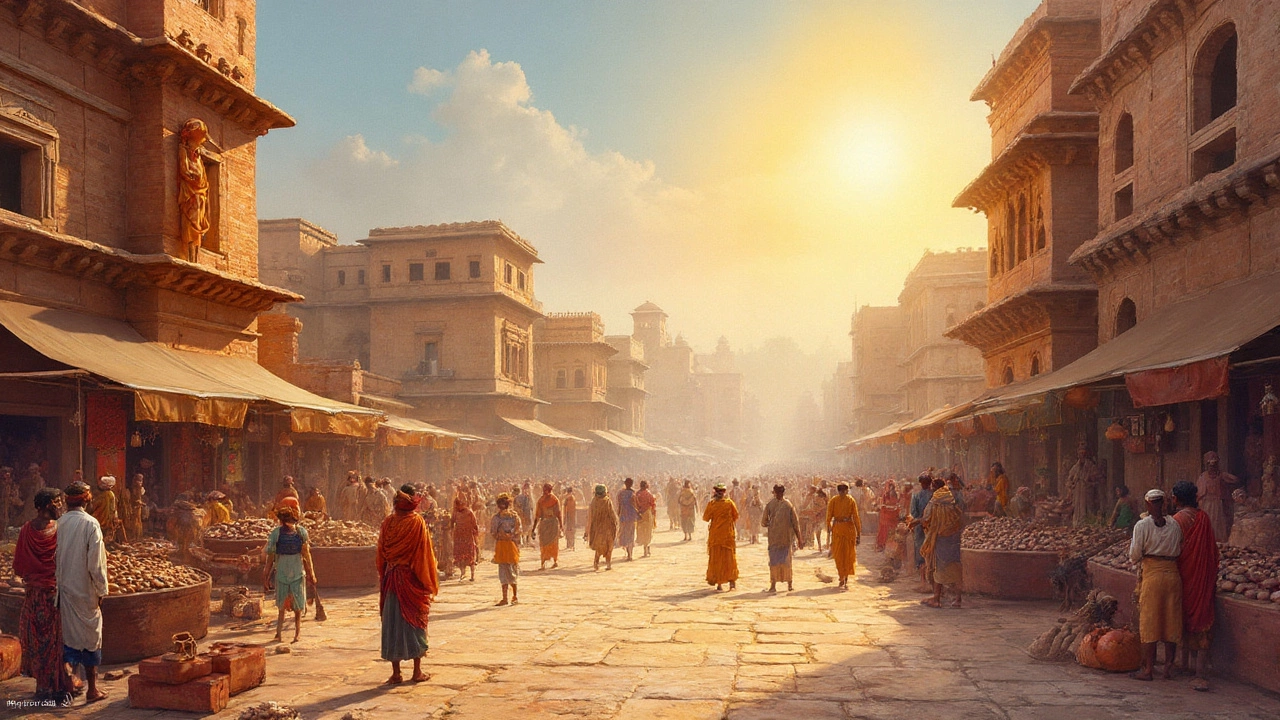
Is India the World’s Oldest Living Culture? Tracing Ancient Roots & Timeless Traditions
Discover if India is truly the world’s oldest culture. Dive into ancient myths, living traditions, and archaeological finds that make India’s cultural heritage unique.
Read More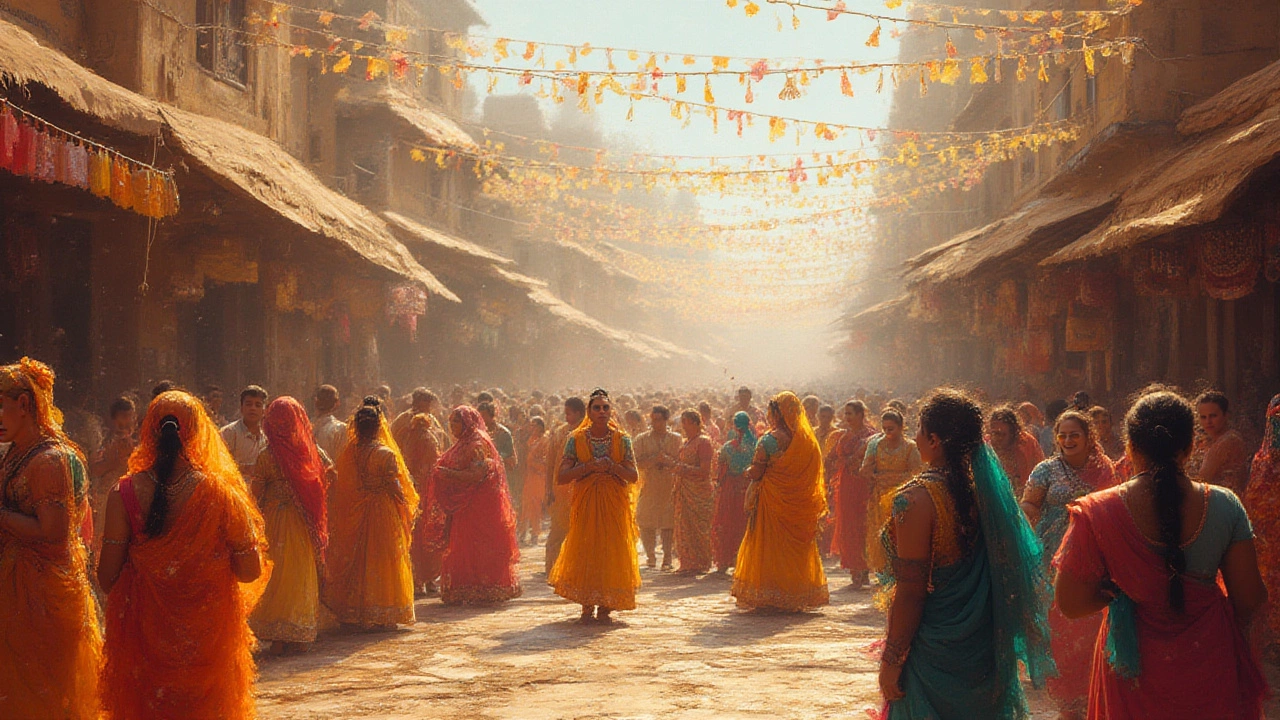
- Jul, 5 2025
- 0 Comments
- Aaron Blackwood
India’s Cultural Heritage: Traditions, Festivals, and Timeless Art
Explore India's cultural heritage, packed with festivals, art, traditions, and history. Discover what makes Indian culture rich and fascinating.
Read More