Kedarnath: Sacred Pilgrimage, Trekking, and Spiritual Journey in the Himalayas
When you think of Kedarnath, a revered Hindu temple dedicated to Lord Shiva, located in the Garhwal Himalayas of Uttarakhand. Also known as Kedara Kshetra, it's one of the twelve Jyotirlingas and the cornerstone of the Char Dham pilgrimage circuit that draws over half a million devotees each year. This isn’t just a temple—it’s a destination carved into the mountains, where faith meets extreme terrain, and every step feels like a prayer.
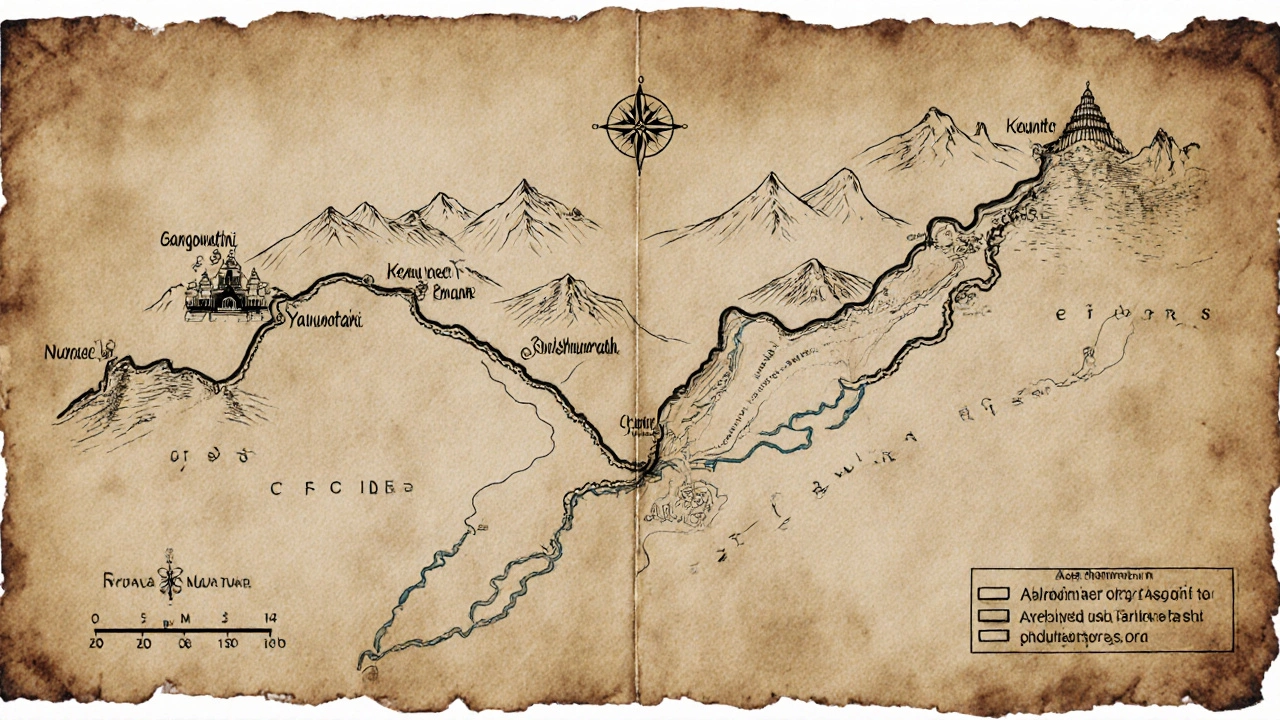
Kedarnath sits at 3,583 meters, accessible only by a 14-kilometer trek from Gaurikund, or by helicopter. The journey is tough—thin air, steep paths, sudden weather shifts—but for millions, it’s non-negotiable. The temple itself, built with massive stone slabs centuries ago, stands untouched by modern construction. Unlike other temples, it closes for six months each winter when snow buries the region, reopening only after the spring thaw. This rhythm isn’t just tradition—it’s survival. The Char Dham includes Yamunotri, Gangotri, and Kedarnath, and completing all four is believed to cleanse sins and grant moksha. People come not just to see, but to be tested—to walk where others have walked for centuries, barefoot in snow, carrying offerings, chanting hymns.
What makes Kedarnath different from other holy sites is how raw and real it feels. There are no fancy resorts, no traffic jams like at the Taj Mahal. Instead, you’ll find pilgrims sleeping on temple floors, volunteers serving free meals, and priests who’ve spent decades here. The 2013 floods changed everything—much of the town was washed away, but the temple stood. Locals say it was Shiva’s protection. Since then, infrastructure has improved, but the soul hasn’t. You still carry your own water. You still walk the same path. You still feel the cold wind and the silence that only mountains can hold.
People ask if it’s safe. Yes, if you prepare. If you go in summer or early autumn, wear layers, bring a walking stick, and don’t rush. Many start at dawn to avoid crowds and afternoon clouds. The real challenge isn’t the altitude—it’s the emotional weight. You’re not just hiking. You’re entering a space where time slows, where every prayer feels louder, and where the mountains don’t care if you’re rich or poor, Indian or foreign. That’s why Kedarnath stays untouched by tourism trends. It doesn’t need Instagram. It doesn’t need luxury trains. It just needs you to show up.
Below, you’ll find real stories from those who made the trek, tips on when to go, how to avoid the worst crowds, and what to pack when the weather turns deadly. Whether you’re planning your first pilgrimage or just curious about why millions risk everything to reach this one temple, you’ll find answers here—not guesses, not fluff, just what works.
- Oct, 17 2025
- 0 Comments
- Aaron Blackwood
Why Kedarnath Isn't Part of the Char Dham Pilgrimage
Explore why Kedarnath, despite its fame, is not part of the original Char Dham pilgrimage and learn the history, geography, and modern tourism twists that shape this confusion.
Read More