Lakshadweep Beaches: Secret Sands, Crystal Waters, and Island Magic
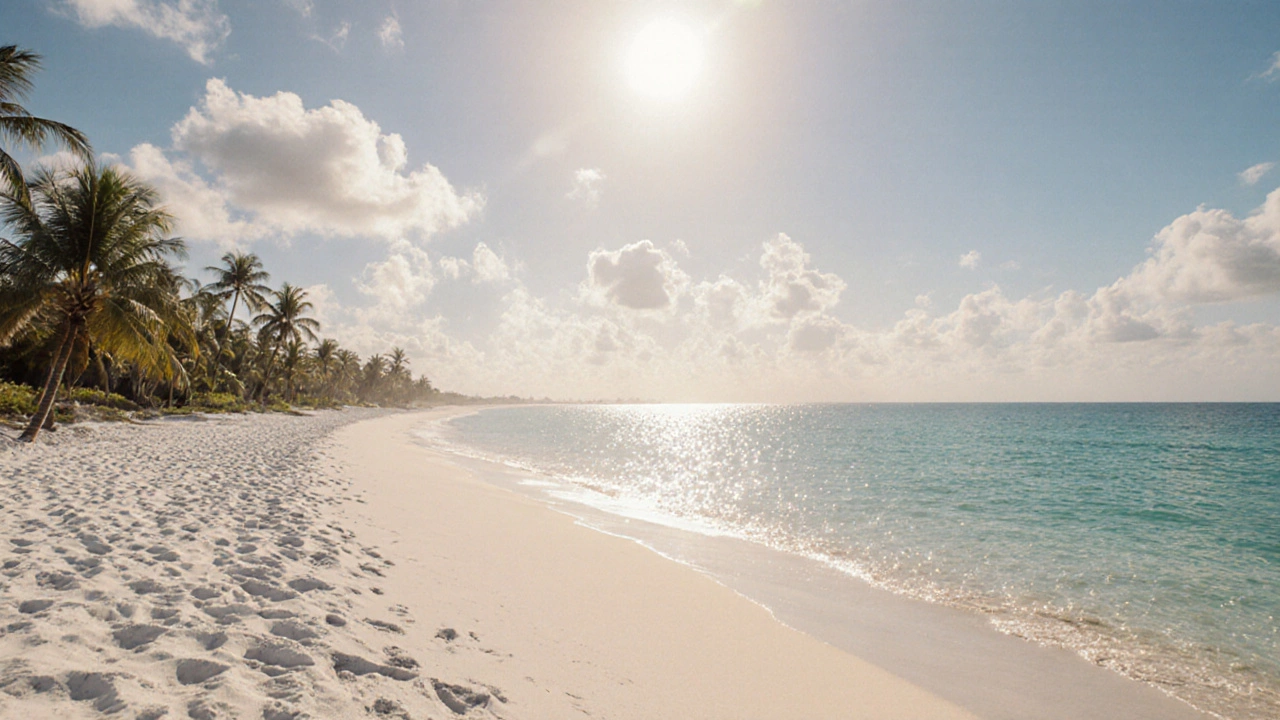
When you think of Lakshadweep beaches, a chain of 36 coral islands off India’s southwest coast, known for pristine waters and minimal tourism. Also known as Laccadive Islands, these islands are one of India’s best-kept secrets for beach lovers who want solitude, clarity, and color without the noise. Unlike Goa or Kerala’s crowded shores, Lakshadweep doesn’t have big resorts or loud music—just quiet lagoons, coral reefs, and skies that turn pink at sunset.
These beaches aren’t just pretty—they’re made of real, untouched nature. The sand is fine and powdery, not gritty. The water is so clear you can see fish swimming six feet down, even without snorkeling gear. And because access is limited—only a few flights and ferries reach the islands each week—the crowds stay away. That’s why Lakshadweep beaches are a favorite for divers, photographers, and anyone who needs to unplug. The islands also sit in a protected marine zone, meaning you won’t find plastic on the shore or motorboats buzzing past. This isn’t a beach you visit to party. It’s a beach you visit to remember what quiet feels like.
Related to Lakshadweep beaches are the Lakshadweep islands, a group of 36 coral atolls and islands, mostly uninhabited, forming India’s smallest union territory. Each island has its own vibe—Agatti is the main entry point with a small airport, Kadmat is famous for its underwater coral gardens, and Bangaram is where you’ll find the most secluded beach bungalows. Then there’s Kavaratti, the capital, where you can meet local fishermen and taste fresh coconut curry. These islands aren’t just destinations—they’re ecosystems. The coral reefs around them are among the healthiest in the Indian Ocean, home to sea turtles, parrotfish, and even rare dugongs.
What makes Lakshadweep different from other tropical spots? It’s the lack of development. No high-rises. No neon signs. No vendors pushing souvenirs. You won’t find a Starbucks here. What you will find is a slow rhythm of life—fishing boats at dawn, coconut harvesting at noon, and starlit nights with no light pollution. The local culture is deeply tied to the sea. People here speak Malayalam and Mahl, eat fish every day, and build homes from coconut wood. Tourism is controlled to protect this balance. You need permits to visit, and stays are limited to a few days. That’s not a restriction—it’s a gift.
And while Lakshadweep beaches are perfect for relaxation, they’re also a gateway to adventure. Snorkeling here isn’t just swimming with fish—it’s diving into a living aquarium. You can kayak through calm lagoons, paddleboard at sunrise, or take a glass-bottom boat tour to see coral without getting wet. Even swimming here feels different—the water is warm, calm, and clean enough to drink (if you had to). For those who think India’s beaches are all about crowds and chaos, Lakshadweep flips the script.
What you’ll find in the posts below are real stories from travelers who’ve been there—how to get there without overpaying, which beaches to pick based on your vibe, what to pack when there’s no ATM, and why some islands are better for couples while others suit solo travelers. No fluff. No marketing. Just facts, tips, and the kind of details you won’t find on a brochure. These aren’t just beach guides—they’re survival and soul guides for a place that doesn’t want to be found… but is worth every effort to reach.
- Oct, 9 2025
- 0 Comments
- Aaron Blackwood
Top Indian Beaches With Stunning Blue Waters
Discover India's top beaches with stunning blue waters, learn how to reach them, best travel months, and practical tips for a perfect seaside getaway.
Read More