Malaria Pills: What You Need to Know Before Traveling to India
When you’re planning a trip to India, malaria pills, oral medications used to prevent malaria infection during travel to high-risk areas. Also known as antimalarial drugs, they’re not optional if you’re heading into rural areas, monsoon zones, or forested regions where mosquitoes carry the parasite. Many travelers assume India is safe everywhere—wrong. Malaria still exists in parts of central and eastern India, especially during and after the rainy season. It’s not about fear—it’s about smart planning.
Not all malaria pills are the same. Doxycycline, atovaquone-proguanil (Malarone), and mefloquine are the top choices for travelers to India. Each has different side effects, costs, and dosing schedules. Doxycycline is cheap and widely available but makes your skin sensitive to sun. Malarone is easier on the stomach but costs more. Mefloquine can cause dizziness or bad dreams in some people. No single pill works for everyone. Talk to a travel clinic before you go—don’t just grab what your friend used last year. Your body, your route, your timing matter.
And here’s the truth: malaria prevention, a combination of medication, insect repellent, and protective clothing to reduce risk of mosquito-borne disease. Also known as travel health strategy, it’s not just about popping pills. You still need DEET-based repellent, long sleeves at dusk, and mosquito nets if you’re staying in basic lodges. A study from the CDC found that travelers who skipped repellent even while taking pills still got infected. Pills reduce risk—they don’t erase it.
Some parts of India are low risk. Major cities like Delhi, Mumbai, and Jaipur? Almost no malaria. But if you’re going to Goa’s backwaters, the forests of Odisha, or the hills of Assam? You’re entering a zone where mosquitoes thrive. Even short trips count. One night in a rural homestay can be enough. Don’t assume you’re safe because you’re only staying a few days.
There’s no need to panic. Millions travel to India every year without getting malaria. But skipping protection because "it’s unlikely" is like skipping a seatbelt because "I’m a good driver." The data doesn’t lie: malaria is preventable, and pills are the most reliable tool. If you’re unsure where you’re going, check the WHO’s risk maps or ask a doctor who’s seen real cases—not just textbook advice.
What you’ll find in the posts below isn’t just a list of destinations. It’s real talk from travelers who’ve been there—people who asked the right questions before they left, who knew which regions needed protection, and who didn’t pay the price for cutting corners. Some of them wrote about trekking in Nepal, others about temple visits in Rameshwaram or monsoon travel in North India. None of them ignored the basics. You won’t either.
- Mar, 9 2025
- 0 Comments
- Aaron Blackwood
Do I Need Malaria Pills for India?
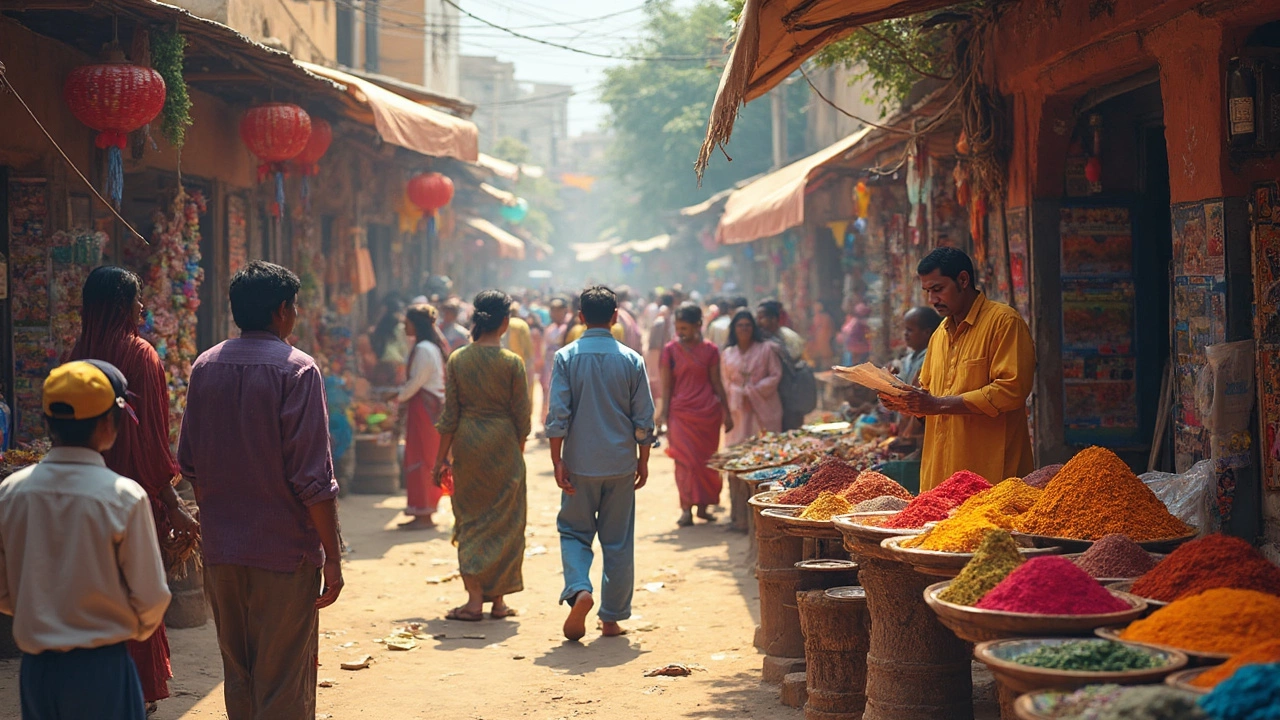
Planning a trip to North India? The question of whether you need malaria pills often crops up. Knowing which regions are prone to malaria can help you plan better. While some tourist hotspots are generally safe, others might require precautions. Here's a closer look at how to stay healthy while exploring India.
Read More