Nature Preservation in India: Protecting Wild Spaces and Sacred Landscapes
When we talk about nature preservation, the active effort to protect natural ecosystems from damage or destruction. Also known as wildlife conservation, it’s not just about saving tigers or forests—it’s about keeping rivers clean, mountains intact, and the quiet places where people still connect with the land. In India, nature preservation isn’t a luxury. It’s tied to culture, religion, and survival. The Ganges isn’t just a river; it’s a living entity. The Western Ghats aren’t just hills; they’re one of the world’s top biodiversity hotspots. And places like Kaziranga aren’t just parks—they’re last stands for species that exist nowhere else.
People often think nature preservation means keeping tourists out. But the truth? Responsible travel helps. When visitors pay to see elephants in Bandhavgarh or spot snow leopards in Ladakh, that money funds rangers, anti-poaching units, and community programs. protected areas India, designated zones like national parks and wildlife sanctuaries where human activity is regulated to safeguard ecosystems are the backbone of this system. Over 500 such areas cover nearly 5% of India’s land. And they’re not empty reserves—they’re alive with villages, temples, and traditions that have coexisted with wildlife for centuries.
But it’s not all working perfectly. Roads cut through tiger corridors. Plastic chokes the backwaters of Kerala. Even well-meaning tourists sometimes leave behind footprints that hurt more than they help. That’s why eco-tourism India, travel that supports conservation and benefits local communities without harming the environment matters more than ever. It’s not about luxury camps or Instagram shots. It’s about choosing guides who know the land, staying in homestays that fund forest patrols, and walking quietly so you don’t scare away a leopard or disturb a nesting bird.
What you’ll find below aren’t just travel guides. They’re stories of people who hike trails that only locals know, climb cliffs where women train without funding, and visit temples that sit beside ancient forests. Some posts talk about trekking in Nepal, but they remind us why India’s own mountains need protection. Others mention the Taj Mahal—not just as a monument, but as a symbol of human creation that exists because nature still thrived around it. These posts show that nature preservation isn’t a policy paper. It’s a daily choice: to walk lighter, to pay more for a responsible tour, to care enough to ask where your money goes.
- Apr, 13 2025
- 0 Comments
- Aaron Blackwood
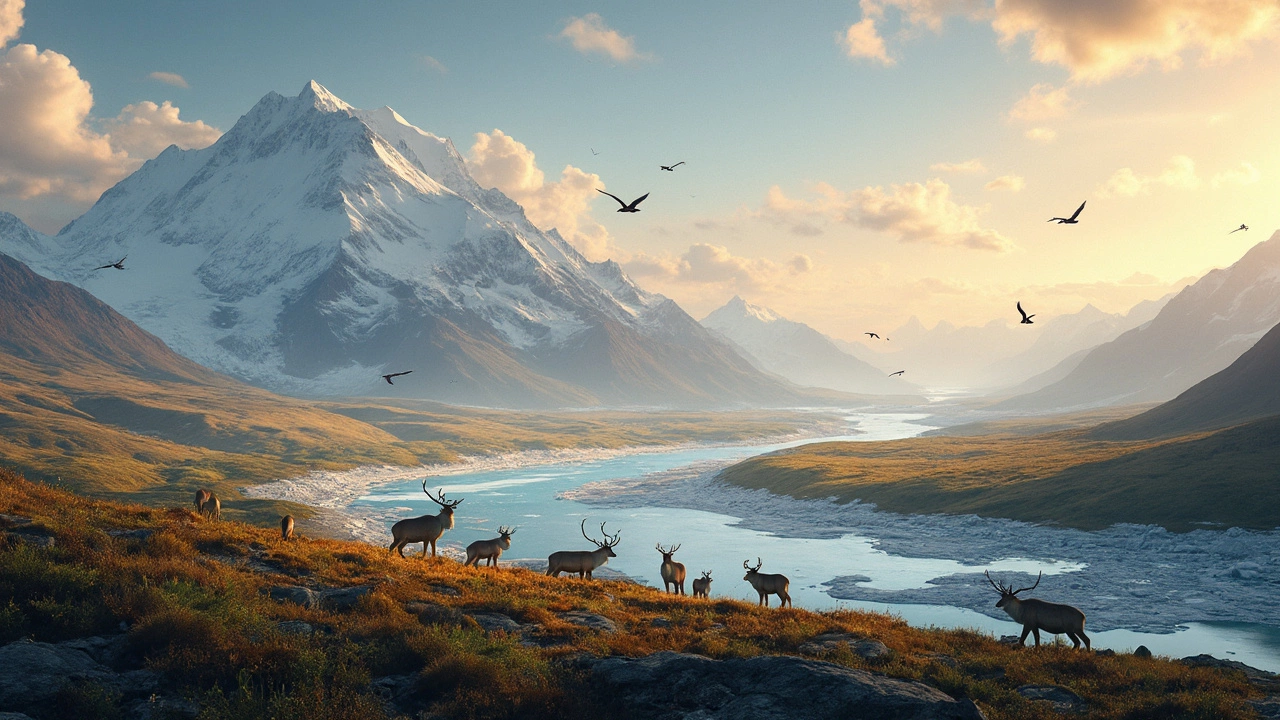
Exploring the Largest Wildlife Refuge in the U.S.
Discover which state in the U.S. boasts the largest wildlife refuge. Dive into the fascinating world of the expansive Arctic National Wildlife Refuge in Alaska, home to diverse species and stunning landscapes. Learn about its size, unique ecosystems, and conservation efforts that maintain this pristine environment. Gain insights on why preserving such sanctuaries is vital for biodiversity.
Read More