Northern India: The Heart of India’s Culture and Heritage
When you think of Northern India, the culturally rich region stretching from the Himalayas to the Thar Desert, known for its Mughal history, spiritual sites, and bustling cities. Also known as North India, it’s the primary entry point for most foreign tourists and the backbone of India’s heritage tourism. This isn’t just a geographic area—it’s a living museum of empires, faiths, and traditions that shaped modern India.
At the center of Northern India is the Golden Triangle, the classic tourist circuit linking Delhi, Agra, and Jaipur. This route isn’t a coincidence—it’s the most efficient way to experience India’s most iconic landmarks. The Taj Mahal, a white marble mausoleum built by Emperor Shah Jahan for his wife. Also known as the symbol of eternal love, draws over 6 million visitors annually, making it the most visited man-made site in the country. Nearby, the Red Fort in Delhi and Amber Fort in Jaipur tell stories of power, art, and architecture that still stand strong today. These aren’t just postcard spots—they’re places where history feels real.
But Northern India isn’t just about monuments. It’s where the biggest religious gathering on Earth happens—the Kumbh Mela, a massive Hindu pilgrimage that draws tens of millions in a single month. Also known as the world’s largest religious festival, it transforms riverbanks into temporary cities of faith. Then there’s Diwali, when the whole region lights up with oil lamps, fireworks, and family feasts. These aren’t performances for tourists—they’re deep-rooted traditions that locals live every year.
Weather shapes everything here. The best time to visit is from October to March, when the air is crisp, the skies are clear, and the crowds are manageable. Summer can hit 45°C, and monsoon rains in July and August turn roads into mud. If you want to avoid the heat and the queues, plan your trip for November or February. Early mornings at the Taj Mahal? That’s when the marble glows pink and the lines are shortest.
It’s not just about sightseeing. Northern India offers quiet moments too—like walking along the ghats of Varanasi at sunrise, or sipping chai in a roadside stall in Rishikesh. It’s where backpackers, pilgrims, luxury travelers, and solo women all find their own version of India. And yes, it’s safe. Punjab, Rajasthan, and Uttarakhand have some of the lowest crime rates for female travelers in the country. You just need to know when to go, where to stay, and how to move through it all.
Below, you’ll find real, practical guides on when to visit, how to save money, what to wear in temples, and why some of the most famous spots aren’t what they seem. No fluff. Just what works.
- Mar, 30 2025
- 0 Comments
- Aaron Blackwood
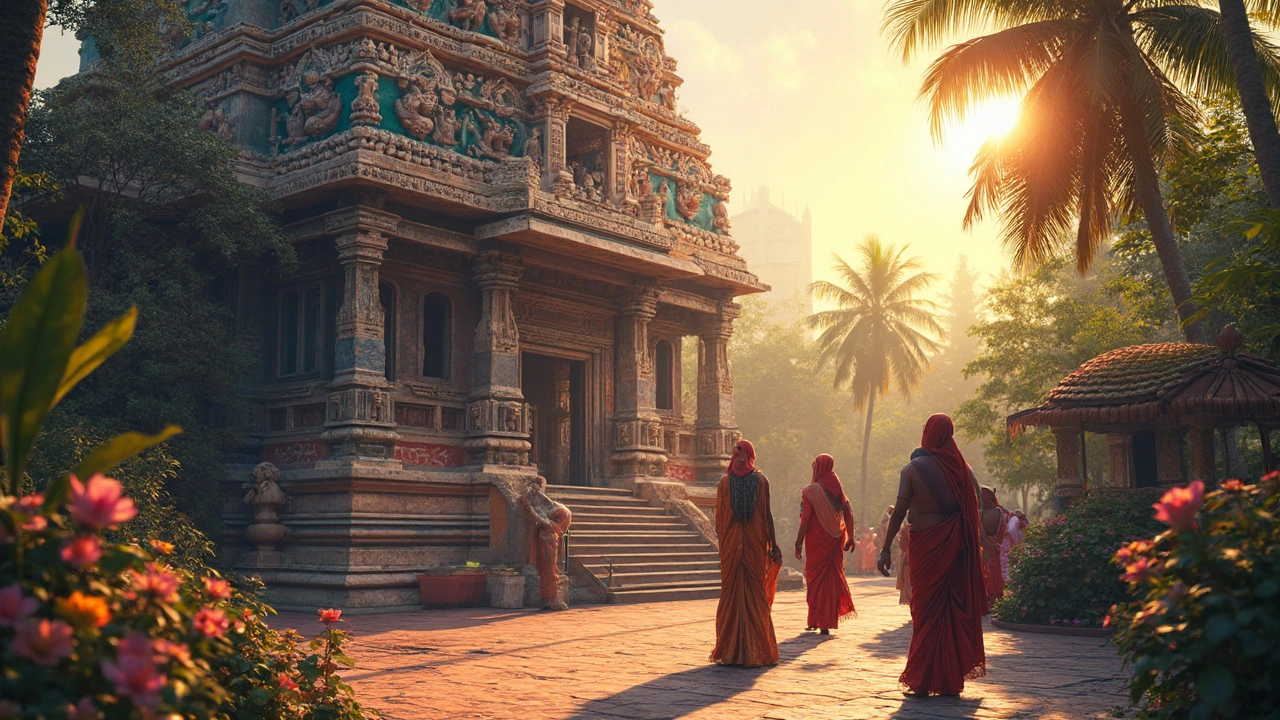
Discovering the Charms of Southern India Over Northern India
Southern India, with its lush landscapes, diverse culture, and rich history, offers a unique experience that's distinct from Northern India. From stunning temples to spicy cuisine and beautiful beaches, the south has a laid-back vibe that appeals to travelers. While both regions have their own magic, the south's lesser-known gems make it an inviting destination for those seeking something different. Exploring Southern India's unique attractions can provide deeper insights into India's vast cultural tapestry. Whether it's the serene backwaters or vibrant markets, South India stands out in its own special way.
Read More